
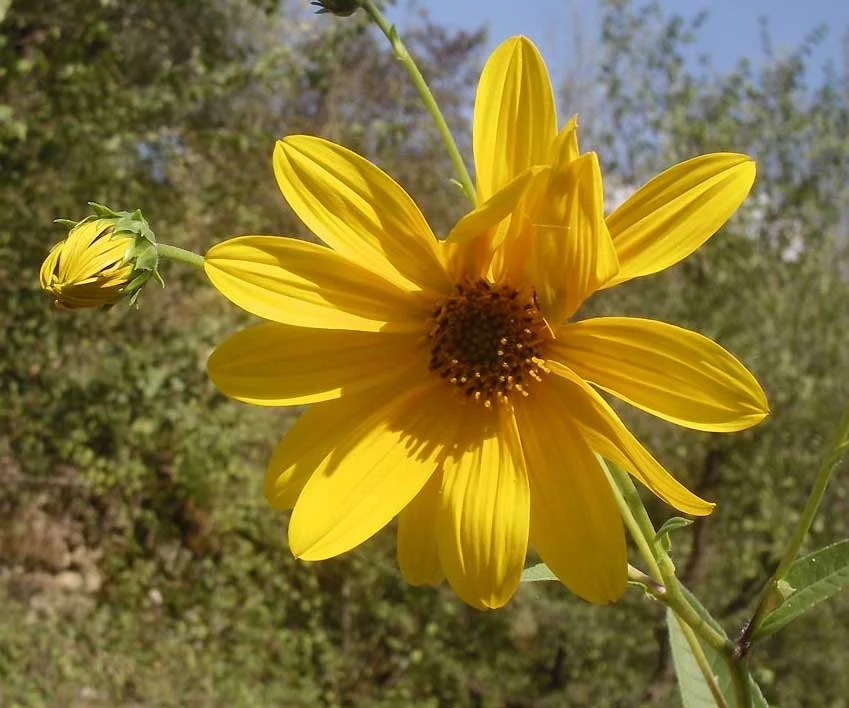
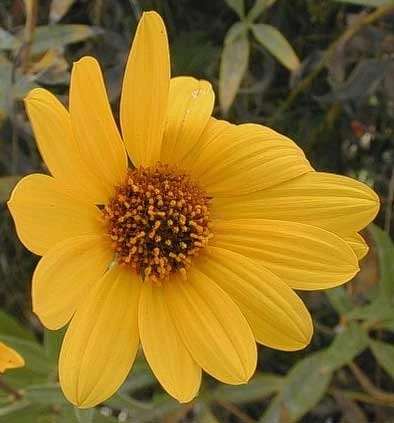
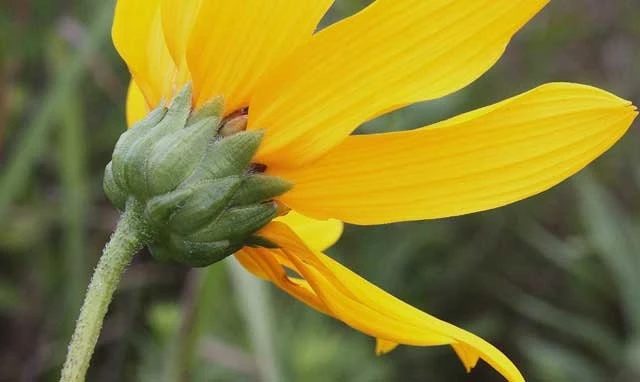
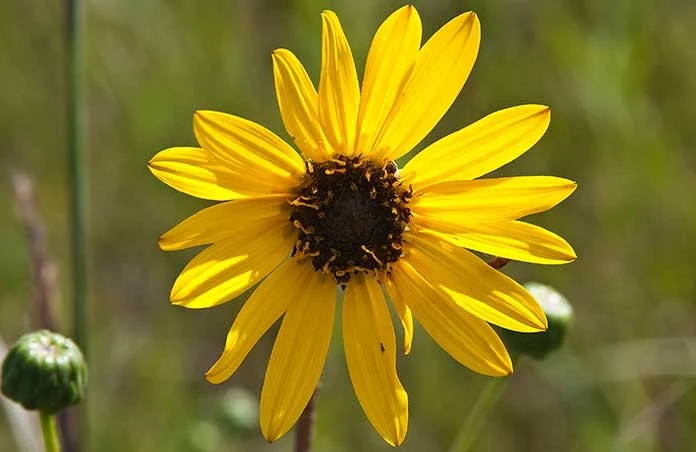
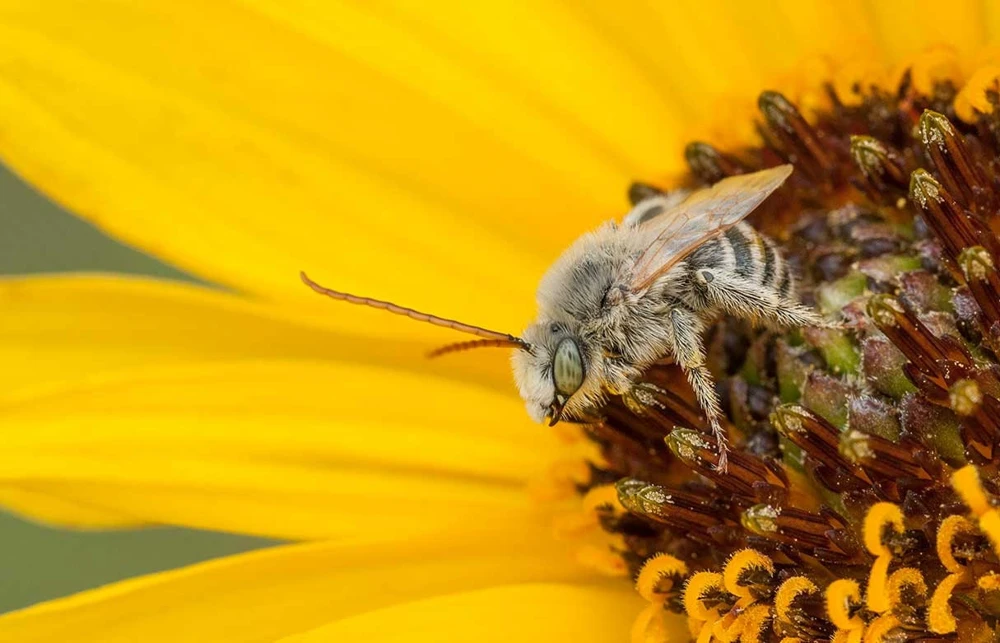
Stiff Prairie Sunflower Seeds – Helianthus pauciflorus – 20 Seeds
Original price was: 44.91 $.15.91 $Current price is: 15.91 $.
Cultivate the beautiful Stiff Prairie Sunflower seeds (Helianthus pauciflorus) in your garden. This native perennial attracts bees, birds, and butterflies, adding vibrant yellow blooms and ecological value. Perfect for sunny outdoor spaces, each pack contains 20 seeds for a rewarding growing experience.
Estimated arrival
Nov 27
Dec 02 - Dec 04
Dec 04 - Dec 09
See our Shipping Policy.
Get in touch with us via email, and our team will review your concerns.
Our Alive & Thrive Guarantee covers issues with your plants within the first 30 days. Read our Refund & Returns Policy.
-
USDA Hardiness Zone
3-7 -
Soil Type
Well-draining, sandy or loamy soil -
Sunlight Exposure
Full sun -
Expected Planting Period
Spring after last frost or fall
Overview
Embark on a rewarding gardening journey with Stiff Prairie Sunflower seeds, scientifically known as Helianthus pauciflorus. Also commonly referred to as Prairie Sunflower, Stiff Sunflower, or Showy Sunflower, these seeds will grow into robust, upright perennial plants that bring a splash of golden yellow to any landscape. This offering provides 20 seeds, allowing you to establish a beautiful patch of these resilient native flowers. Ideal for gardeners looking to enhance biodiversity, these sunflowers are not only visually appealing but also serve as a vital food source and habitat for various beneficial insects and wildlife. The Helianthus pauciflorus is celebrated for its hardiness and ability to thrive in open, sunny environments, making it a fantastic choice for prairie restorations, wildflower meadows, or simply adding a touch of natural beauty to your home garden.
The prairie sunflower is a cherished North American native, known for its strong, rigid stems and abundant, bright yellow daisy-like flowers. Unlike annual sunflowers, this perennial species returns year after year, establishing a long-lasting presence in your garden. Its deep root system helps it tolerate drought conditions once established, making it a sustainable and low-maintenance option. Growing these showy sunflower seeds is a wonderful way to connect with nature and create a lively ecosystem right in your backyard.
Key Benefits
Introducing Stiff Prairie Sunflower seeds into your garden offers a multitude of advantages, transforming your outdoor space into a vibrant haven for wildlife and a source of natural beauty. These benefits extend beyond simple aesthetics, contributing to a healthier and more dynamic environment.
- Pollinator Magnet: The bright yellow flowers are a huge draw for bees, butterflies, and other beneficial insects, making it an excellent choice for supporting local pollinator populations. Growing Helianthus pauciflorus helps ensure these essential creatures have access to nectar and pollen.
- Wildlife Support: Beyond pollinators, these sunflowers attract birds who feed on the seeds in the fall, adding life and sound to your garden. It also serves as a larval host plant for several butterfly species, including the Bordered Patch, Spring Azure, Painted Lady, Gorgone Checkerspot, and Silvery Checkerspot butterflies.
- Drought Tolerance: Once established, the prairie sunflower is remarkably drought-tolerant, requiring less water than many other flowering plants. This makes it a sustainable option for regions with water restrictions or for gardeners seeking low-water landscape solutions.
- Hardy Perennial: As a perennial, this sunflower returns year after year, eliminating the need for annual replanting. It’s a robust plant that can withstand various environmental conditions, particularly in its native hardiness zones.
- Vibrant Aesthetic Appeal: The cheerful yellow blooms add a striking visual element to any garden, meadow, or naturalized area. Its upright growth habit creates a strong vertical interest, enhancing garden design.
- Low Maintenance: This native plant thrives with minimal intervention once established, making it perfect for busy gardeners or those who prefer a more natural, less manicured look.
- Soil Improvement: The extensive root system of Stiff Prairie Sunflower seeds can help improve soil structure and prevent erosion, contributing to overall garden health.
Plant Care & Growing Tips
Cultivating Stiff Prairie Sunflower seeds is a straightforward process, especially when you provide the right conditions. These plants are known for their resilience, but understanding their specific needs will ensure a robust and floriferous display. Helianthus pauciflorus thrives in full sun, meaning it requires at least 6-8 hours of direct sunlight per day. Choose a location in your garden that receives ample sun exposure throughout the growing season. This ensures strong stems and abundant blooms. For optimal germination, sow seeds directly outdoors in the spring after the last frost, or in the fall for natural stratification over winter.
When it comes to watering, the prairie sunflower is quite adaptable. While establishing, keep the soil consistently moist but not waterlogged. Once mature, these plants are remarkably drought-tolerant and can withstand periods of dry weather. Overwatering can lead to root rot, so ensure excellent drainage. Well-draining soil is crucial; sandy or loamy soils are ideal. Avoid heavy clay soils that retain too much moisture. Amending your soil with organic matter can improve drainage and fertility. The USDA Hardiness Zones for Helianthus pauciflorus range from 3 to 7, indicating its ability to withstand cold winters and hot summers within this range.
Fertilization is generally not heavily required for this native plant, especially if planted in reasonably fertile soil. An annual application of compost or a balanced slow-release fertilizer in early spring can boost growth, but avoid over-fertilizing, which can lead to leggy growth rather than strong flowering. Pests and diseases are generally not a major issue for showy sunflower seeds, thanks to their native hardiness. Keep an eye out for common garden pests like aphids, though they rarely cause significant damage. Ensuring good air circulation and appropriate spacing can help prevent fungal issues. Deadheading spent flowers can encourage more blooms, though allowing some to go to seed will provide food for birds and allow for natural reseeding.
Size & Details
The Stiff Prairie Sunflower (Helianthus pauciflorus) typically grows to a height of 3 to 6 feet, forming an upright, bushy perennial. Its spread can be anywhere from 1 to 3 feet, creating a substantial presence in the garden. These Stiff Prairie Sunflower seeds are shipped in a standard seed packet, containing 20 seeds, ready for planting. Once germinated, the plants will establish a strong root system, and you can expect them to begin flowering in late summer to early fall, usually from August through October, depending on your climate and planting time. The flowers themselves are typically 2 to 3 inches in diameter, featuring bright yellow ray petals surrounding a central disk of darker florets. These plants have a moderate growth rate, establishing well within their first season and expanding their presence in subsequent years. They are an excellent choice for naturalized areas, borders, or as part of a pollinator garden.
Frequently Asked Questions
- Q: How big does this plant get? A: The Stiff Prairie Sunflower (Helianthus pauciflorus) typically reaches a height of 3 to 6 feet, with a spread of 1 to 3 feet. Its upright growth habit makes it a striking addition to the back of borders or in naturalized settings.
- Q: Is this an indoor or outdoor plant? A: This is primarily an outdoor plant, specifically a perennial native to prairies and open fields. It thrives in full sun conditions and is not typically grown as an indoor houseplant.
- Q: How much sunlight does it need? A: Stiff Prairie Sunflower seeds require full sun, meaning at least 6 to 8 hours of direct sunlight per day, to perform their best. Ample sunlight promotes strong growth and abundant flowering.
- Q: Is this plant easy to care for? A: Yes, once established, the prairie sunflower is considered a low-maintenance plant. It is drought-tolerant and generally resistant to pests and diseases, making it suitable for beginners and experienced gardeners alike.
- Q: What condition will the seeds arrive in? A: The seeds will arrive in a protective packet, ensuring their viability for planting. Each packet contains 20 seeds of Helianthus pauciflorus, ready for you to sow.
- Q: How long until it blooms? A: When grown from Stiff Prairie Sunflower seeds, plants typically begin to bloom in late summer to early fall, generally from August through October, in their first year if planted in spring, or in subsequent years if planted in fall.
- Q: Will it survive winter in my zone? A: Yes, the Stiff Prairie Sunflower is hardy in USDA Zones 3 to 7. Within these zones, it is a perennial that will survive the winter and return each spring.
- Q: What type of soil is best for these sunflowers? A: These sunflowers prefer well-draining soil, such as sandy or loamy types. They can tolerate a range of soil conditions but do not do well in heavy, waterlogged clay.
- Q: Do these sunflowers attract pollinators? A: Absolutely! The showy sunflower seeds are an excellent choice for attracting a variety of pollinators, including bees, butterflies, and other beneficial insects, making your garden a lively ecosystem.
- Q: Can I collect seeds from these plants? A: Yes, you can collect seeds from mature plants in the fall. Allow the flower heads to dry on the plant, then harvest the seeds for future planting or to feed birds.
Be the first to review “Stiff Prairie Sunflower Seeds – Helianthus pauciflorus – 20 Seeds”
Related products


Flower Seeds


You May Like

How to Grow Passion Flower (Passiflora) for Tropical Blooms
Few climbing vines in the home garden command attention quite like the exotic Passion Flower (Passiflora). [...]
Nov

Thanksgiving Cactus Care: How to Get Thanksgiving Cactus to Bloom
Is your Thanksgiving cactus growing well but not giving you any flowers? Maybe it looked [...]
Nov

How to Grow Garlic for a Bountiful Home Harvest
Garlic (Allium sativum) is one of the most satisfying, low-maintenance, and flavor-packed crops you can [...]
Oct

Hardneck vs. Softneck Garlic: Which Should You Grow?
Have you ever stood in front of a seed catalog in mid-September, staring at dozens [...]
1 Comment
Oct

When to Plant Music Garlic: Ultimate US Fall Guide
Have you ever spent your fall weekend placing carefully chosen garlic cloves into rich, dark [...]
1 Comment
Oct

5 Best Bulbs for Fall Planting: Brighten Your Garden This Spring
Are you dreaming of a garden full of vibrant colors in the spring? The key [...]
Aug

10 Houseplants That Will Thrive in Your Kitchen
Are you tired of your kitchen feeling dull and lifeless? Want to add a little [...]
1 Comment
Aug
Reviews
There are no reviews yet.