
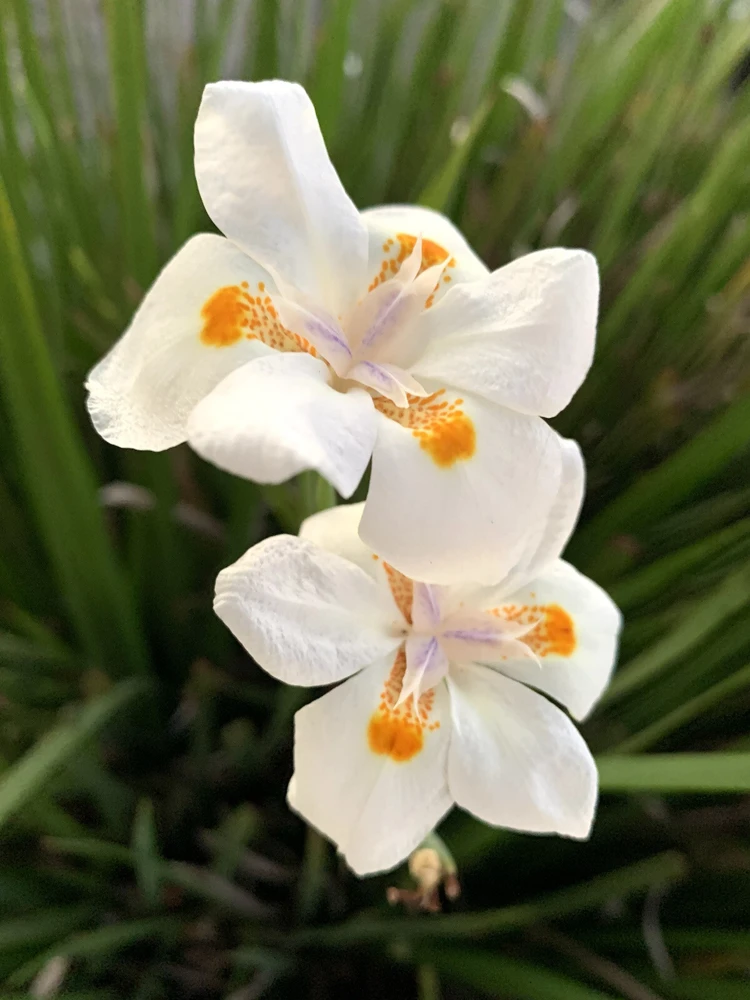
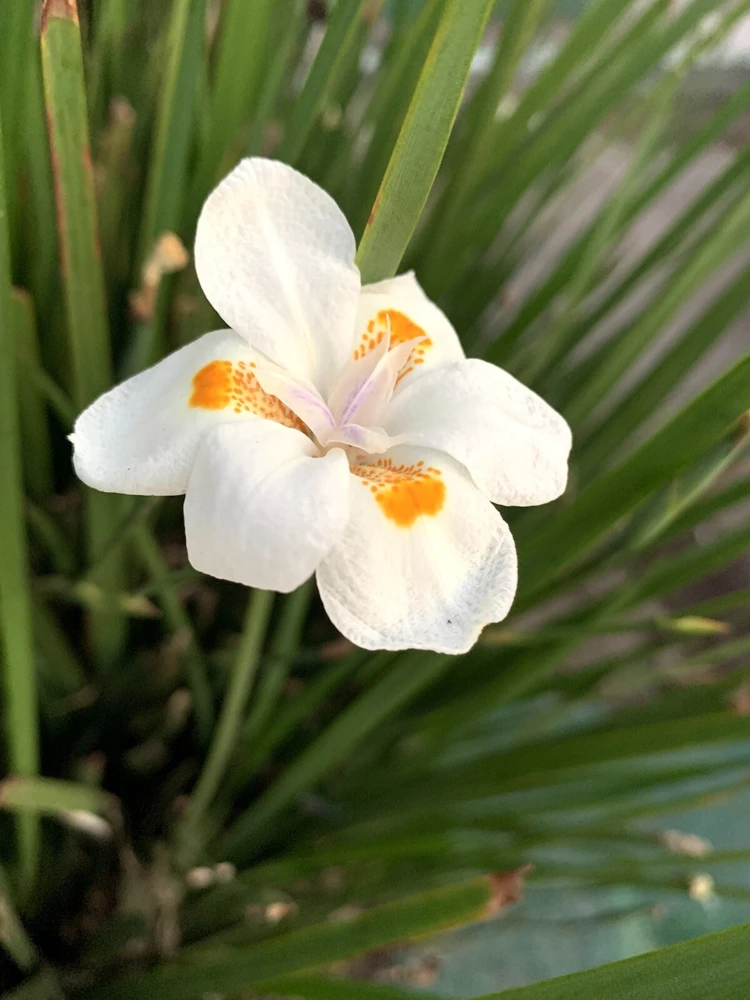
White Dietes Bicolor Wild Iris Flower Seeds – 30 Seeds, Perennial, Outdoor
Original price was: 9.98 $.5.99 $Current price is: 5.99 $.
Cultivate stunning white dietes bicolor seeds for your garden. This pack contains 30 seeds of the elegant wild iris seeds, known for its beautiful white and yellow blooms. Ideal for outdoor planting, these perennial flowers add charm to any landscape.
- 30 Seeds of White Dietes Bicolor
- Perennial Flowering Plant
- Suitable for Outdoor Gardens
Estimated arrival
Nov 27
Dec 02 - Dec 04
Dec 04 - Dec 09
See our Shipping Policy.
Get in touch with us via email, and our team will review your concerns.
Our Alive & Thrive Guarantee covers issues with your plants within the first 30 days. Read our Refund & Returns Policy.
-
USDA Hardiness Zone
USDA Zones 8-11 -
Soil Type
Well-draining loamy soil -
Sunlight Exposure
Full Sun -
Expected Planting Period
Spring to early Fall
Overview
Embark on a delightful gardening journey with these premium white dietes bicolor seeds. Also widely recognized as wild iris seeds or african iris seeds, Dietes bicolor is a stunning perennial plant celebrated for its elegant, orchid-like flowers. Each packet contains 30 high-quality seeds, providing ample opportunity to establish a vibrant display in your garden. Native to South Africa, this resilient plant thrives in various conditions and is a fantastic choice for gardeners seeking both beauty and ease of care. The distinct white petals with yellow-orange markings create a captivating contrast, ensuring your garden stands out. These perennial flower seeds promise years of enjoyment with minimal effort, making them a popular choice for both novice and experienced gardeners.
The Dietes bicolor plant is known for its graceful, sword-like foliage and charming blooms that appear primarily during spring, summer, and fall. Its common name, Fortnight Lily, alludes to its tendency to produce new flowers every two weeks, ensuring a continuous show of color. Growing these iris flower seeds allows you to cultivate a robust and visually appealing plant that can serve as an excellent border, mass planting, or accent in your outdoor space. The ease of germination and vigorous growth make these seeds a rewarding addition to any garden project, transforming ordinary landscapes into extraordinary botanical havens.
Key Benefits
Planting white dietes bicolor seeds offers a multitude of advantages for your outdoor space. These beautiful plants are not only visually appealing but also remarkably adaptable, providing enduring beauty with relatively low maintenance requirements. The unique coloration of the flowers makes them a focal point, attracting beneficial pollinators while adding a sophisticated touch to your garden design. Discover the many benefits of incorporating these exquisite wild iris seeds into your landscape:
- Striking Floral Display: Enjoy a long blooming season with elegant white and yellow flowers that emerge consistently from spring through fall, adding continuous visual interest to your garden.
- Low Maintenance Perennial: Once established, these african iris seeds grow into hardy plants that require minimal care, making them perfect for busy gardeners.
- Drought Tolerant: Dietes bicolor is known for its excellent drought tolerance, thriving in drier conditions once mature, which helps conserve water.
- Versatile Landscaping: Ideal for mass plantings, borders, rock gardens, or as an accent plant, providing flexibility in garden design.
- Attracts Pollinators: The vibrant blooms are attractive to bees and other beneficial insects, contributing to a healthy garden ecosystem.
- Deer Resistant: Generally not favored by deer, offering a reliable planting option in areas prone to wildlife browsing.
- Evergreen Foliage: In warmer climates, the sword-like foliage remains evergreen, providing year-round structure and beauty to your garden.
Plant Care & Growing Tips
Cultivating white dietes bicolor seeds into thriving plants is a straightforward process, especially when provided with the right conditions. These resilient plants are quite forgiving, but optimal care will ensure a spectacular display of their unique flowers. For best results with your wild iris seeds, consider the following guidelines:
Sunlight Requirements: Dietes bicolor thrives in full sun, meaning it needs at least 6 hours of direct sunlight per day. While it can tolerate partial shade, too little sun may result in fewer blooms. For outdoor planting, choose a location that receives ample sunlight throughout the day to encourage vigorous growth and abundant flowering.
Watering Schedule: When establishing young plants from african iris seeds, keep the soil consistently moist but not waterlogged. Once mature, Dietes bicolor is quite drought-tolerant and can withstand periods of dryness. Water deeply when the top few inches of soil feel dry to the touch, typically once or twice a week during hot, dry spells. Reduce watering during cooler months.
Soil Type and Drainage: These plants prefer well-draining soil. A sandy loam enriched with organic matter is ideal. Avoid heavy clay soils that retain too much moisture, as this can lead to root rot. Good drainage is crucial for the health of your perennial flower seeds. If your soil is heavy, amend it with compost or grit to improve aeration and drainage.
Temperature Range and USDA Hardiness Zone: Dietes bicolor is hardy in USDA Zones 8-11. In these zones, it behaves as an evergreen perennial. In colder zones, it may be grown as an annual or brought indoors for winter protection. It tolerates a wide range of temperatures but prefers mild conditions. Protect from severe frost if temperatures drop significantly.
Fertilization: Generally, Dietes bicolor does not require heavy fertilization. A light application of a balanced slow-release granular fertilizer in early spring is usually sufficient to support healthy growth and flowering. Avoid over-fertilizing, as this can promote foliage growth at the expense of blooms. For your iris flower seeds, a healthy start in good soil is often all that’s needed.
Common Problems: Dietes bicolor is relatively pest and disease-free. Occasionally, snails or slugs may feed on young foliage; use appropriate organic controls if needed. Ensure good air circulation to prevent fungal issues, especially in humid environments. Overwatering is the most common cause of problems, leading to root rot.
Size & Details
These white dietes bicolor seeds will mature into robust plants that typically reach a height of 2 to 3 feet and spread about 2 to 3 feet wide, forming attractive clumps of upright, sword-shaped foliage. The growth rate is moderate, with plants establishing well within their first year and beginning to bloom prolifically in their second year. Each packet contains 30 seeds, providing a generous quantity for creating a substantial planting area or for sharing with fellow gardeners. The flowers, which are about 2-3 inches in diameter, bloom recurrently from spring through fall, ensuring a prolonged period of beauty. These wild iris seeds are ideal for creating a naturalized look or for adding architectural interest to garden beds and borders. Expect the first blooms within 12-18 months after successful germination and establishment, rewarding your patience with their distinctive elegance.
Frequently Asked Questions
- Q: How big does this plant get from white dietes bicolor seeds? A: Mature Dietes bicolor plants typically grow to a height and spread of 2 to 3 feet, forming dense clumps of attractive foliage and recurring flowers.
- Q: Is this an indoor or outdoor plant? A: Dietes bicolor is primarily an outdoor plant, thriving in garden beds and landscapes. It requires full sun exposure to produce abundant blooms.
- Q: How much sunlight does it need? A: These plants perform best in full sun, requiring at least 6 hours of direct sunlight daily. While they tolerate partial shade, flowering may be reduced.
- Q: Is this plant easy to care for? A: Yes, Dietes bicolor is considered a low-maintenance plant. Once established from african iris seeds, it is quite hardy and drought-tolerant, making it suitable for beginners.
- Q: What condition will the wild iris seeds arrive in? A: The product includes 30 high-quality, viable seeds packaged to ensure their integrity during transit, ready for planting upon arrival.
- Q: How long until it blooms from seed? A: Typically, plants grown from perennial flower seeds will begin to bloom in their second year, about 12-18 months after germination, offering a continuous display through the warmer months.
- Q: Will it survive winter in my zone? A: Dietes bicolor is hardy in USDA Zones 8-11, where it will remain evergreen. In colder zones, it may die back to the ground and regrow in spring, or require winter protection.
- Q: What is the best time to plant these iris flower seeds? A: The best time to plant Dietes bicolor seeds is in spring after the last frost, or in early fall in warmer climates, allowing them time to establish before extreme temperatures.
- Q: Do these plants attract pollinators? A: Yes, the distinctive white and yellow flowers of Dietes bicolor are known to attract beneficial pollinators like bees to your garden.
- Q: What kind of soil is best for these seeds? A: Well-draining soil enriched with organic matter is ideal for growing Dietes bicolor. Avoid heavy, waterlogged soils to prevent root rot.
Be the first to review “White Dietes Bicolor Wild Iris Flower Seeds – 30 Seeds, Perennial, Outdoor”
Related products


Flower Seeds
Blue Stock Matthiola Incana Seeds – 50 Fragrant Gillyflower Seeds – Ten-Week Blue Stock


You May Like

How to Grow Passion Flower (Passiflora) for Tropical Blooms
Few climbing vines in the home garden command attention quite like the exotic Passion Flower (Passiflora). [...]
Nov

Thanksgiving Cactus Care: How to Get Thanksgiving Cactus to Bloom
Is your Thanksgiving cactus growing well but not giving you any flowers? Maybe it looked [...]
Nov

How to Grow Garlic for a Bountiful Home Harvest
Garlic (Allium sativum) is one of the most satisfying, low-maintenance, and flavor-packed crops you can [...]
Oct

Hardneck vs. Softneck Garlic: Which Should You Grow?
Have you ever stood in front of a seed catalog in mid-September, staring at dozens [...]
1 Comment
Oct

When to Plant Music Garlic: Ultimate US Fall Guide
Have you ever spent your fall weekend placing carefully chosen garlic cloves into rich, dark [...]
1 Comment
Oct

5 Best Bulbs for Fall Planting: Brighten Your Garden This Spring
Are you dreaming of a garden full of vibrant colors in the spring? The key [...]
Aug

10 Houseplants That Will Thrive in Your Kitchen
Are you tired of your kitchen feeling dull and lifeless? Want to add a little [...]
1 Comment
Aug
Reviews
There are no reviews yet.