
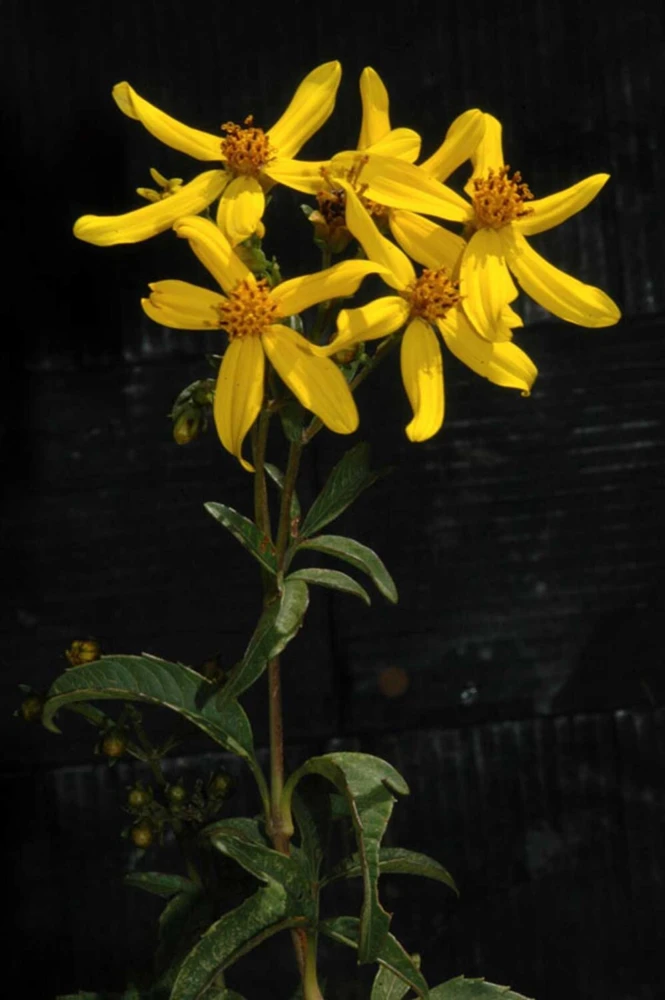
Coreopsis mutica Seeds – 20 Count – Rare Yellow Blossoms – Butterfly Host Plant
Original price was: 56.91 $.27.91 $Current price is: 27.91 $.
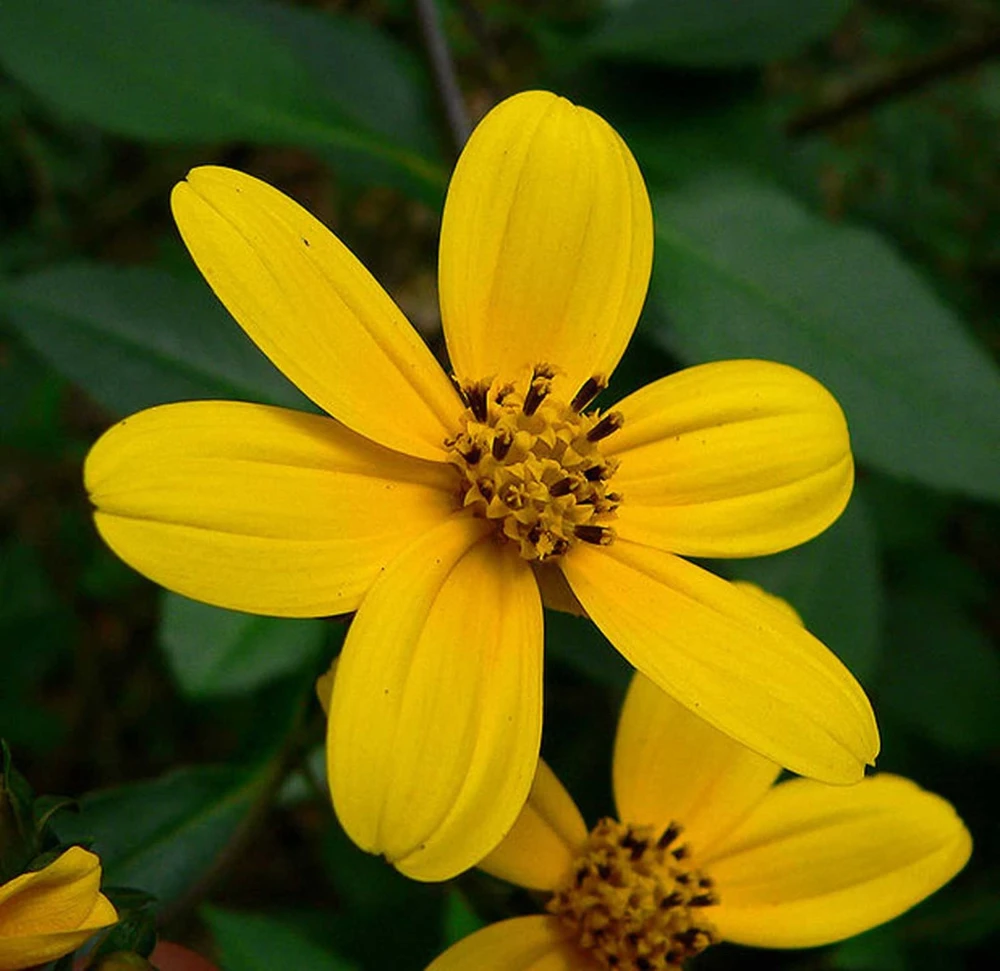
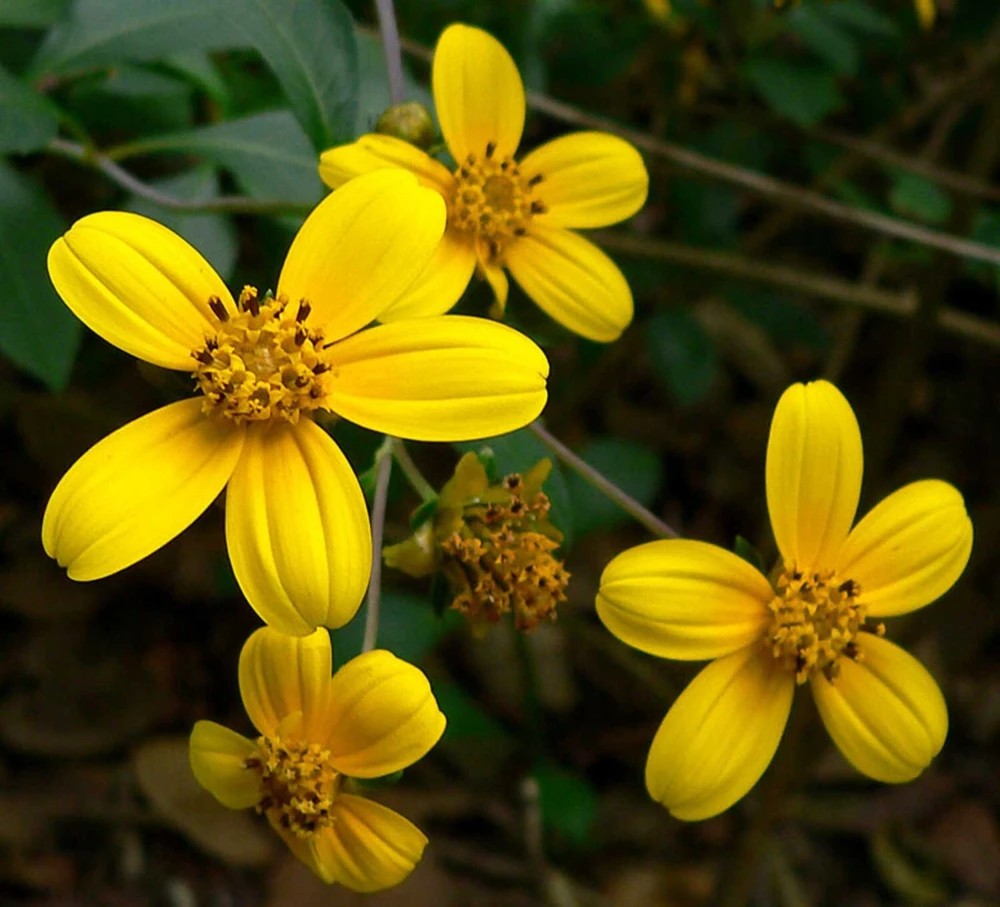
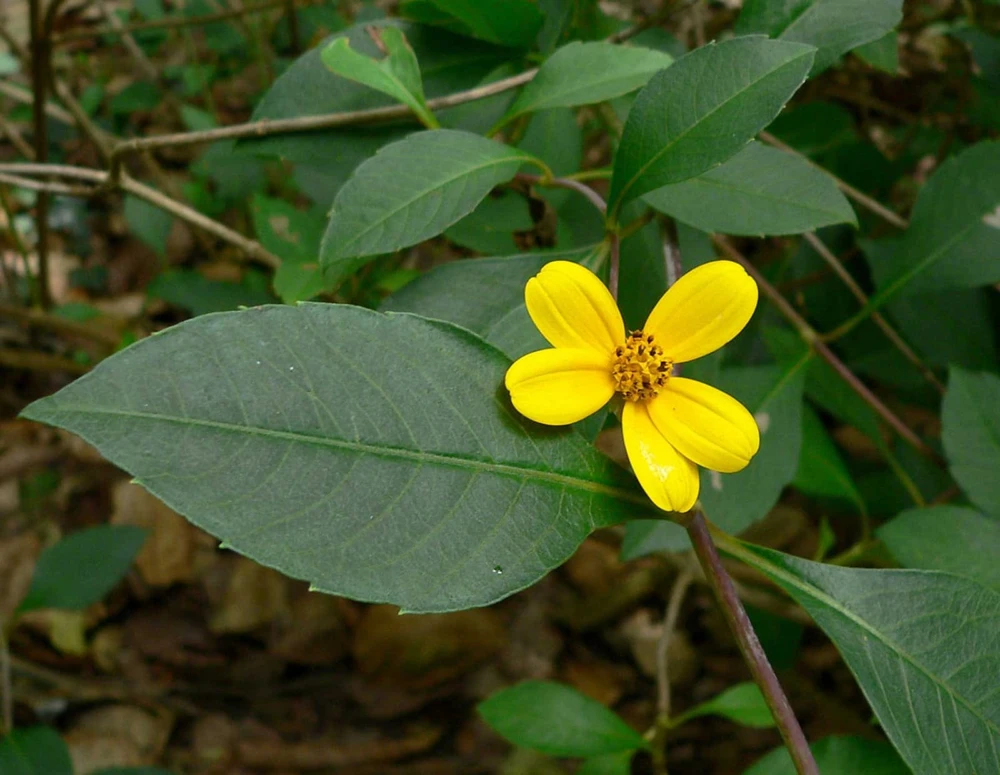
Cultivate the rare and beautiful Coreopsis mutica seeds to grow a stunning, deer-resistant plant with vibrant yellow blossoms. This unique species is a crucial butterfly host plant seeds and nectar source, making it an excellent choice for attracting pollinators to your garden. Known for its striking appearance and hard-to-find nature, it’s a valuable addition for enthusiasts and collectors.
Estimated arrival
Nov 27
Dec 02 - Dec 04
Dec 04 - Dec 09
See our Shipping Policy.
Get in touch with us via email, and our team will review your concerns.
Our Alive & Thrive Guarantee covers issues with your plants within the first 30 days. Read our Refund & Returns Policy.
-
USDA Hardiness Zone
USDA zones 9–11 -
Soil Type
Well-draining sandy loam -
Sunlight Exposure
Full sun to partial shade -
Expected Planting Period
Spring to early summer
Overview
Embark on a rewarding gardening journey with Coreopsis mutica seeds. This exceptional plant, native to Central Mexico and found in regions like El Salvador and Honduras, is a truly rare gem that will distinguish your garden. Known for its strikingly beautiful yellow blossoms, Coreopsis mutica offers a vibrant display of color that brightens any landscape. Unlike many common garden varieties, finding these rare Coreopsis seeds can be a challenge, making them a highly sought-after addition for dedicated gardeners and plant collectors. Beyond its aesthetic appeal, this plant plays a vital ecological role, serving as a significant larval host for the Agonopterix atrodorsella moth and the Aarons Skipper butterfly. Its nectar provides sustenance for a wide array of pollinators, including the Southern Dogface, Gorgone Checkerspot, Queen, Common Buckeye, Monarch, Eastern Tailed-Blue, and Dainty Sulphur butterflies, as well as the Red-waisted Florella Moth. Cultivating Coreopsis mutica not only enhances the beauty of your garden but also supports local biodiversity.
These Coreopsis mutica seeds allow you to grow a robust and resilient plant that is also deer resistant, offering peace of mind for gardeners in areas prone to wildlife. Its adaptability to various environments, particularly warmer climates, makes it a fascinating specimen for diverse gardening projects. Whether you’re an experienced horticulturist or a passionate beginner looking for something extraordinary, these seeds provide an opportunity to grow a truly unique and beneficial plant.
Key Benefits
Growing Coreopsis mutica from seed brings a multitude of advantages to your garden and local ecosystem. Its unique characteristics make it a standout choice for anyone looking to combine beauty with ecological impact. The vibrant yellow Coreopsis flowers create a breathtaking visual spectacle, enhancing curb appeal and garden aesthetics.
- Attracts Pollinators: This plant is an exceptional butterfly host plant seeds, providing essential food and shelter for various butterfly and moth species, including the Agonopterix atrodorsella moth and Aarons Skipper butterfly. It also serves as a rich nectar source for numerous other butterflies, contributing to a thriving pollinator population in your garden.
- Deer Resistant: Enjoy a beautiful garden without the worry of deer damage. Coreopsis mutica is naturally deer resistant, making it an ideal choice for gardens in areas with high deer populations, ensuring your efforts are not undone by hungry visitors.
- Striking Yellow Blooms: The plant produces an abundance of vibrant yellow blossoms that add a cheerful and lively touch to any garden design. These flowers create a focal point and can elevate the overall aesthetic of your outdoor space.
- Rare and Unique: Cultivating this species offers the unique opportunity to grow a plant that is almost impossible to find elsewhere. These rare Coreopsis seeds allow you to add an exclusive and conversation-starting specimen to your collection, showcasing your dedication to unique horticulture.
- Low Maintenance: Once established, Coreopsis mutica is known for its resilience and relatively low maintenance requirements, making it suitable for gardeners of all experience levels. It adapts well to its environment, thriving with minimal intervention.
- Ecological Value: By planting Coreopsis mutica, you are actively supporting local wildlife and contributing to biodiversity. Its role as a host and nectar plant is crucial for the survival and flourishing of many insect species, making your garden a haven for nature.
- Adaptable to Warm Climates: Thriving in warmer USDA hardiness zones, this plant is well-suited for regions with mild winters, making it a reliable choice for gardeners in suitable climates.
Plant Care & Growing Tips
Successfully growing Coreopsis mutica seeds requires attention to a few key environmental factors, ensuring a healthy and vibrant plant. This species thrives in conditions that mimic its native Central American habitat, making proper sunlight, soil, and watering crucial for optimal growth and abundant blooms. For germination, it’s often beneficial to provide a period of cold stratification, mimicking winter conditions, before sowing the seeds in well-draining soil. Once germinated, the seedlings should be protected from harsh conditions until they are robust enough for transplanting.
Sunlight Requirements: Coreopsis mutica prefers full sun to partial shade. For the best blooming performance and overall plant health, aim for at least 6-8 hours of direct sunlight per day. In very hot climates, a little afternoon shade can be beneficial to prevent scorching. Yellow Coreopsis flowers will be most prolific with ample light. Watering Schedule: While established plants are relatively drought-tolerant, consistent moisture is essential, especially during dry spells and the plant’s active growth period. Water deeply when the top inch of soil feels dry to the touch, ensuring the soil is moist but not waterlogged. Good drainage is paramount to prevent root rot. Soil Type and Drainage: This plant thrives in well-draining soil. A sandy loam enriched with organic matter is ideal. Avoid heavy clay soils that retain too much moisture. Excellent drainage is critical for the health of Coreopsis mutica seeds. Temperature Range and USDA Hardiness Zone: Based on its native range and observed growth in areas like San Francisco (Zone 9), Coreopsis mutica is estimated to be hardy in USDA Hardiness Zones 9 to 11. It prefers warmer climates and may require protection or be grown as an annual in colder regions. Fertilization Schedule and Type: Coreopsis mutica is not a heavy feeder. A light application of a balanced, slow-release granular fertilizer in spring, or a liquid feed every few weeks during the growing season, can support vigorous growth and flowering. Avoid over-fertilizing, which can lead to lush foliage at the expense of blooms. Common Problems and Solutions: Generally resistant to most pests and diseases, Coreopsis mutica may occasionally encounter issues like powdery mildew in humid conditions or aphids. Ensure good air circulation and avoid overhead watering to prevent fungal issues. Treat pests with insecticidal soap if necessary. Its natural resilience makes it a great choice for those seeking deer resistant plants.
Size & Details
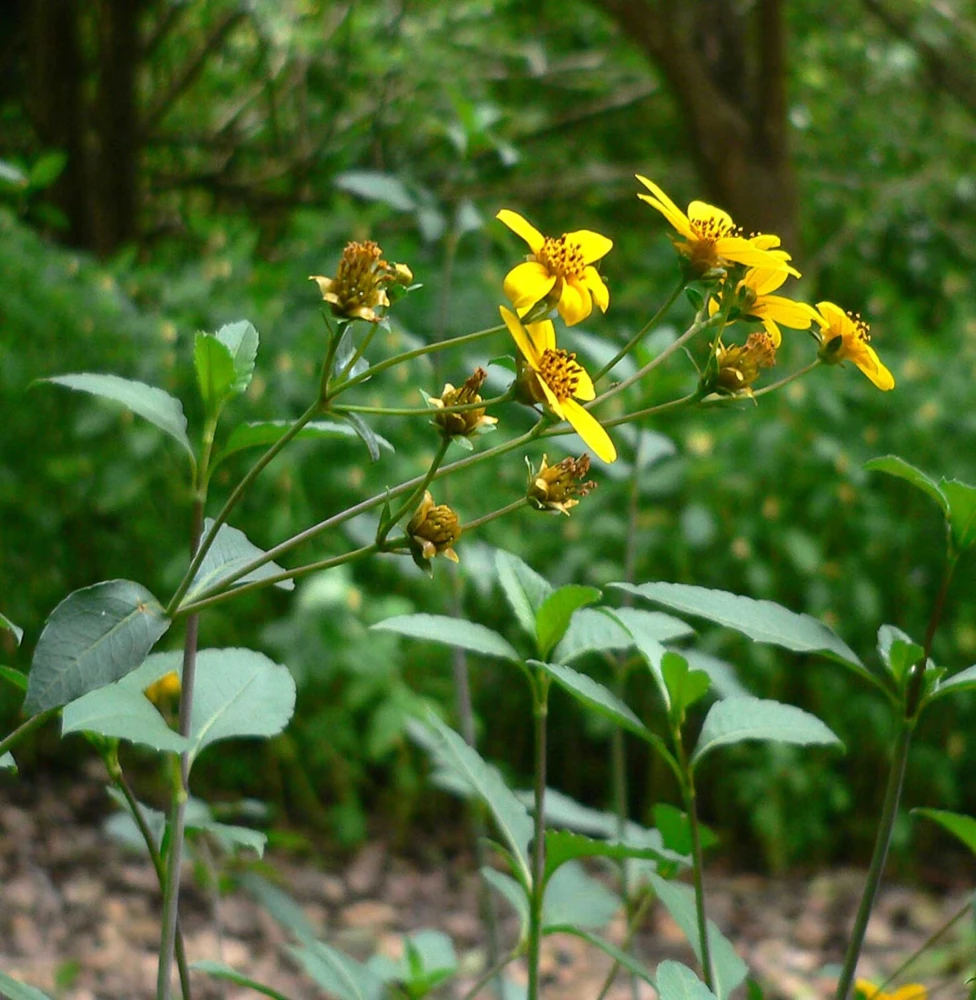
The Coreopsis mutica, grown from these Coreopsis mutica seeds, typically develops into a medium-sized shrub or perennial, offering a significant presence in the garden. While exact mature dimensions can vary based on growing conditions and climate, expect plants to reach heights of approximately 2 to 4 feet with a similar spread. This makes it a versatile plant for borders, mixed beds, or as a standalone specimen. The growth rate is moderate, with plants establishing themselves well within the first growing season and producing abundant yellow Coreopsis blooms from mid-summer through fall, extending the season of vibrant color in your garden. Each packet contains 20 Coreopsis mutica seeds, providing a generous quantity to start your cultivation. These seeds are shipped in a protective packet to ensure viability upon arrival, ready for your planting efforts. With proper care, these seeds will mature into a robust and beautiful plant, showcasing its unique charm and ecological benefits, including its role as a butterfly host plant seeds.
Frequently Asked Questions
- Q: How big does Coreopsis mutica get? A: Coreopsis mutica typically grows to a height of 2 to 4 feet and can spread similarly, forming a bushy, attractive plant. Its size can vary slightly depending on environmental conditions and care.
- Q: Is this an indoor or outdoor plant? A: Coreopsis mutica is primarily an outdoor plant, thriving in garden beds and landscapes. It requires ample sunlight and space to reach its full potential, making it unsuitable for most indoor environments.
- Q: How much sunlight does Coreopsis mutica need? A: For optimal growth and blooming, Coreopsis mutica prefers full sun, meaning at least 6-8 hours of direct sunlight per day. It can tolerate partial shade, especially in very hot climates.
- Q: Is Coreopsis mutica easy to care for? A: Yes, once established, Coreopsis mutica is considered relatively low-maintenance. It is quite resilient and drought-tolerant, making it a good choice for gardeners seeking deer resistant plants that don’t require constant attention.
- Q: What condition will the Coreopsis mutica seeds arrive in? A: The Coreopsis mutica seeds will arrive in a protective packet, ensuring they are viable and ready for planting. We take care to package them securely for their journey to you.
- Q: How long until Coreopsis mutica blooms from seed? A: Coreopsis mutica typically blooms in its second year from seed, though some plants may produce flowers in their first year under ideal conditions. Blooms usually appear from mid-summer through fall.
- Q: Will Coreopsis mutica survive winter in my zone? A: Coreopsis mutica is estimated to be hardy in USDA Zones 9 to 11. In colder zones, it may need winter protection or be grown as an annual. Its ability to serve as a butterfly host plant seeds is best in its preferred hardiness zones.
- Q: What makes these Coreopsis mutica seeds rare? A: These rare Coreopsis seeds are considered rare because the plant is native to specific regions of Central America, and its seeds are not widely available through conventional commercial channels, making them a unique find for gardeners.
- Q: Is Coreopsis mutica beneficial for local wildlife? A: Absolutely. Beyond its stunning yellow Coreopsis blooms, this plant is a significant larval host for specific moths and butterflies and an important nectar source for numerous pollinator species, making it highly beneficial for local ecosystems.
- Q: What type of soil is best for Coreopsis mutica? A: Coreopsis mutica thrives in well-draining soil, ideally a sandy loam enriched with organic matter. Good drainage is crucial to prevent root issues and ensure healthy growth for these deer resistant plants.
Be the first to review “Coreopsis mutica Seeds – 20 Count – Rare Yellow Blossoms – Butterfly Host Plant”
Related products


You May Like

How to Grow Passion Flower (Passiflora) for Tropical Blooms
Few climbing vines in the home garden command attention quite like the exotic Passion Flower (Passiflora). [...]
Nov

Thanksgiving Cactus Care: How to Get Thanksgiving Cactus to Bloom
Is your Thanksgiving cactus growing well but not giving you any flowers? Maybe it looked [...]
Nov

How to Grow Garlic for a Bountiful Home Harvest
Garlic (Allium sativum) is one of the most satisfying, low-maintenance, and flavor-packed crops you can [...]
Oct

Hardneck vs. Softneck Garlic: Which Should You Grow?
Have you ever stood in front of a seed catalog in mid-September, staring at dozens [...]
1 Comment
Oct

When to Plant Music Garlic: Ultimate US Fall Guide
Have you ever spent your fall weekend placing carefully chosen garlic cloves into rich, dark [...]
1 Comment
Oct

5 Best Bulbs for Fall Planting: Brighten Your Garden This Spring
Are you dreaming of a garden full of vibrant colors in the spring? The key [...]
Aug

10 Houseplants That Will Thrive in Your Kitchen
Are you tired of your kitchen feeling dull and lifeless? Want to add a little [...]
1 Comment
Aug
Reviews
There are no reviews yet.