
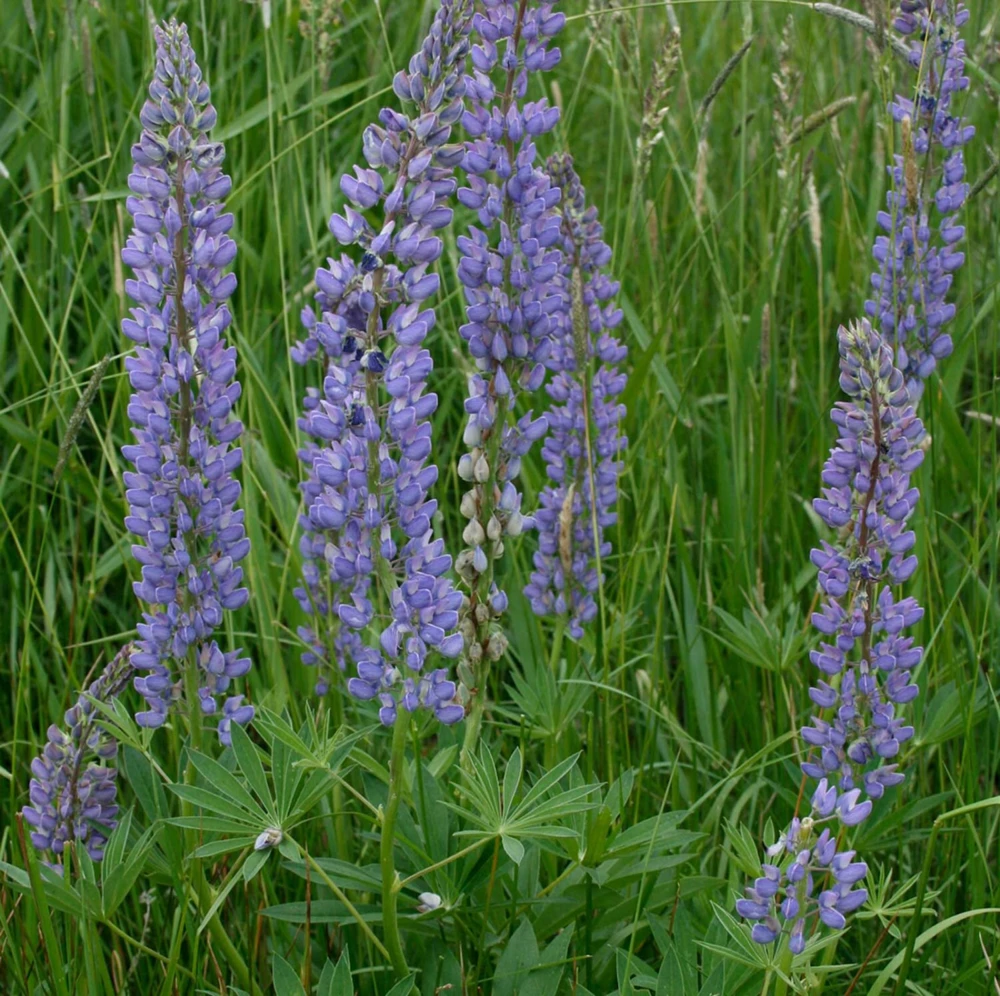
Lupinus polyphyllus Seeds – Big-Leaved Lupin, Blue Bonnet – 10 Seeds
Original price was: 48.91 $.19.91 $Current price is: 19.91 $.
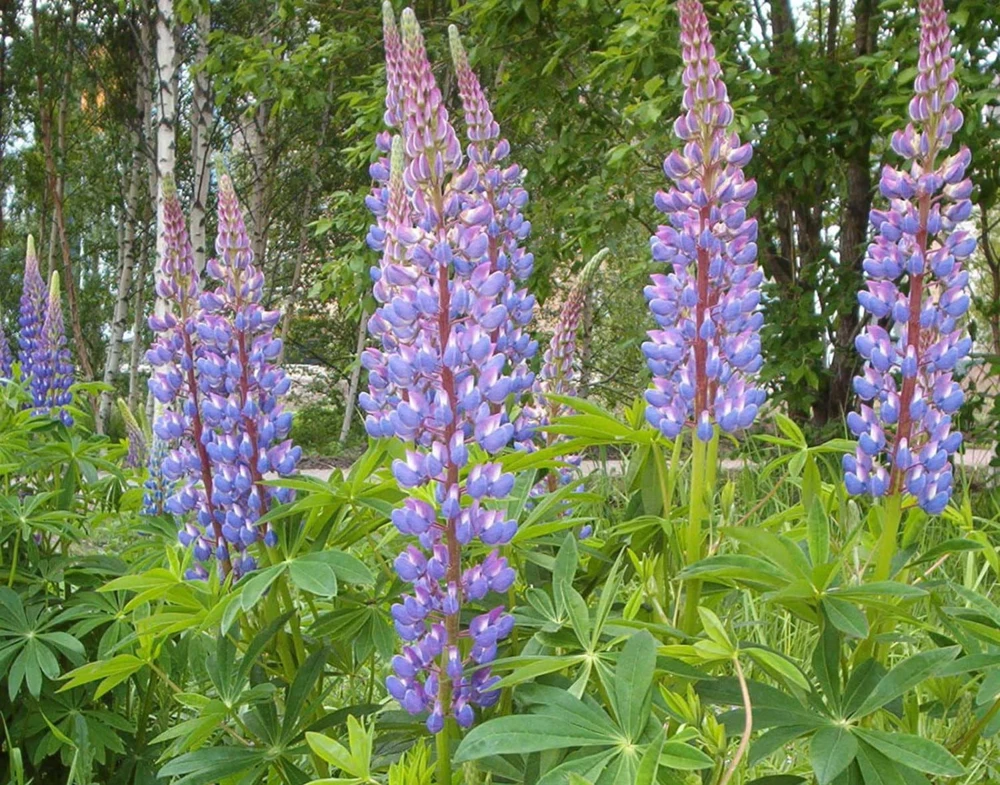
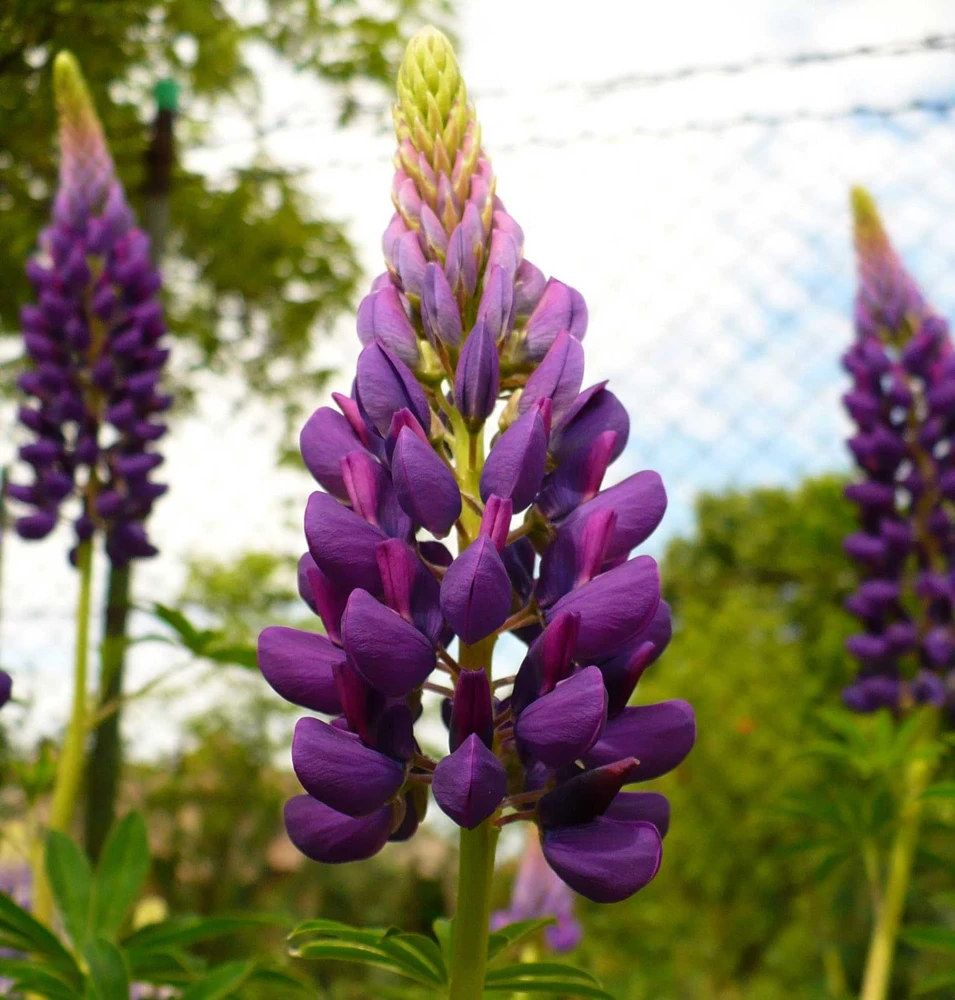
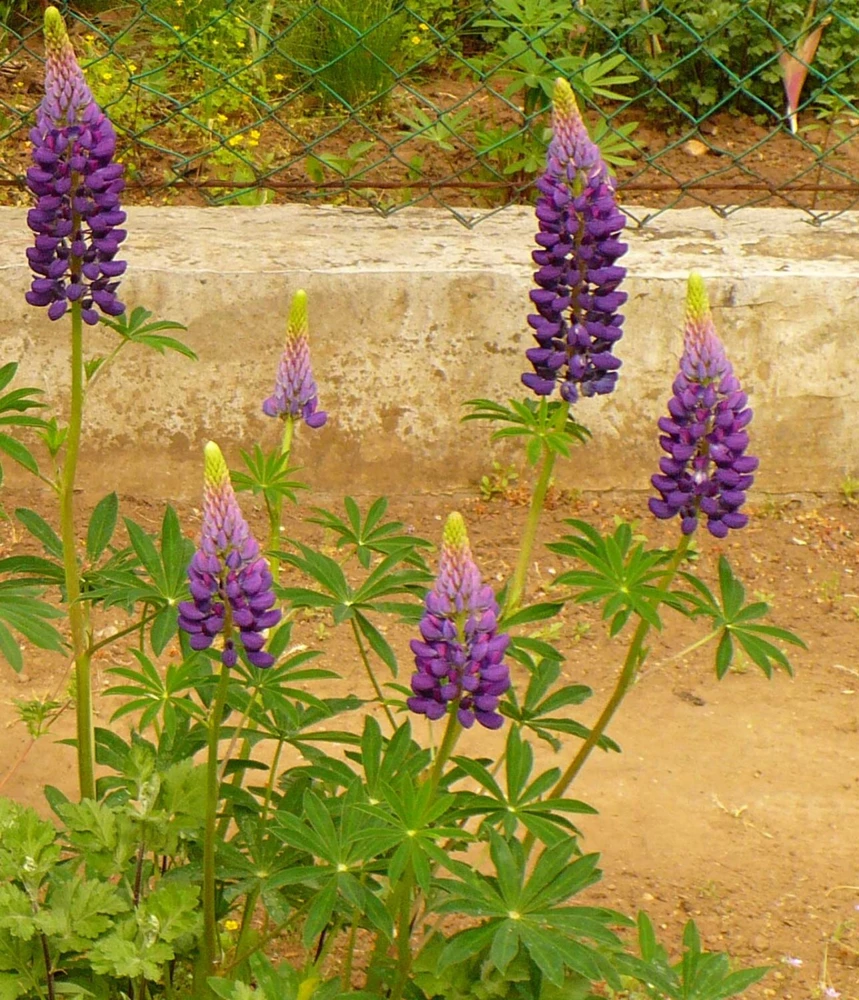
Cultivate stunning blue and purple blooms with these Lupinus polyphyllus seeds. Also known as Big-Leaved Lupin or Blue Bonnet, these perennial flowers are a magnet for various butterfly species, making them perfect for creating a vibrant butterfly garden seeds display. Each packet contains 10 high-quality seeds, ready to bring life and color to your outdoor space.
Estimated arrival
Nov 26
Dec 01 - Dec 03
Dec 03 - Dec 08
See our Shipping Policy.
Get in touch with us via email, and our team will review your concerns.
Our Alive & Thrive Guarantee covers issues with your plants within the first 30 days. Read our Refund & Returns Policy.
-
USDA Hardiness Zone
3 to 7 -
Soil Type
Well-draining, slightly acidic to neutral loam -
Sunlight Exposure
Full sun -
Expected Planting Period
Early spring or late fall
Overview
Transform your garden into a haven for pollinators with our premium Lupinus polyphyllus seeds. Commonly known as Big-Leaved Lupin, Streamside Lupine, Many-Leaved Lupine, Garden Lupin, Common Lupine, Blue-pod Lupine, or Blue Bonnet, this magnificent perennial flower is celebrated for its striking spires of densely packed blossoms. These seeds offer you the opportunity to cultivate robust plants that produce a spectacular display of blue and purple flowers, creating a dramatic visual impact in any landscape. Beyond their undeniable beauty, these lupins are a crucial larval host plant for a remarkable array of butterflies, including the Acmon Blue, Melissa Blue, and Frosted Elfin, along with the Dryotype opina moth. By planting these Big-Leaved Lupin seeds, you’re not just growing a beautiful flower; you’re actively supporting local ecosystems and biodiversity. Each packet contains 10 seeds, ready for you to sow and watch flourish.
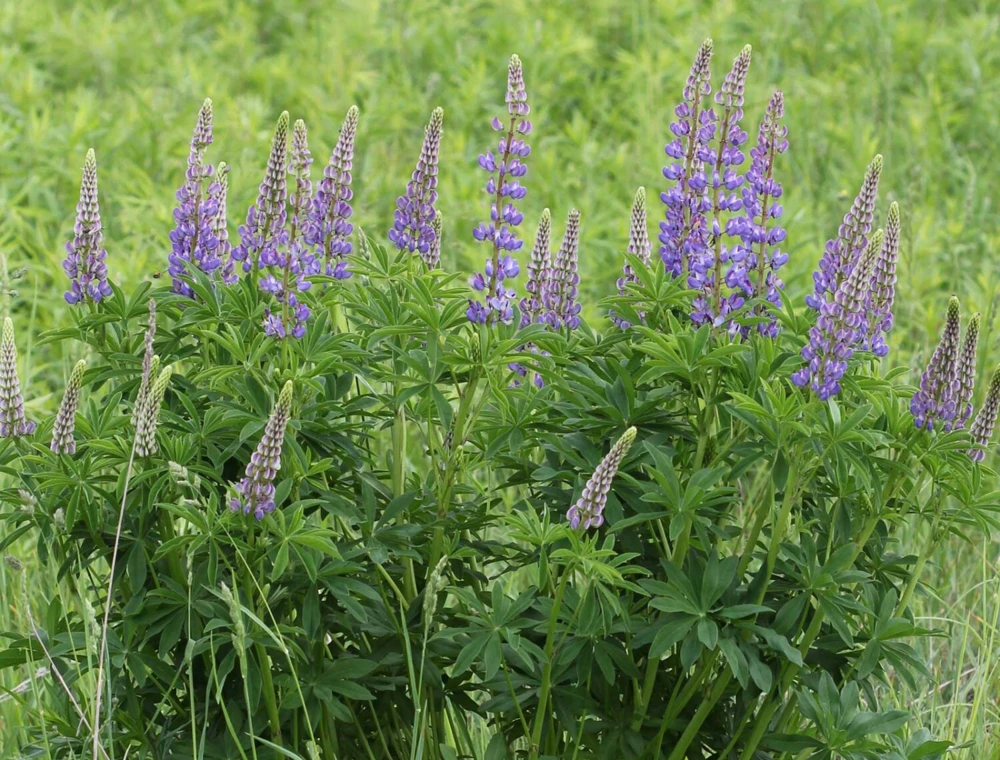
Originating from western North America, Lupinus polyphyllus is a hardy and adaptable plant, thriving in a variety of conditions. Its distinctive palmate leaves add textural interest even when the plant is not in bloom. Perfect for cottage gardens, perennial borders, or naturalized areas, these lupins will return year after year, providing continuous beauty and ecological benefit. Whether you’re an experienced gardener or just starting, growing these rewarding flowers from seed is an exciting and fulfilling endeavor. Prepare to be enchanted by the vertical elegance and vibrant hues these lupins bring to your outdoor living space.
Key Benefits
Embrace the multifaceted advantages of growing Lupinus polyphyllus seeds in your garden. These exceptional plants offer both aesthetic appeal and significant ecological contributions, making them a superb choice for any discerning gardener.
- Attracts Diverse Pollinators: These lupins are a powerhouse for supporting local wildlife. They serve as a vital larval host for numerous butterfly species, including the Shasta Blue, Silvery Blue, and Persius Duskywing, along with specific moths, making your garden a lively hub of activity. Planting these butterfly garden seeds directly contributes to pollinator conservation.
- Stunning Visual Impact: Known for their tall, majestic flower spikes, Big-Leaved Lupins create a dramatic vertical element in garden designs. The vibrant blue and purple hues of their blossoms add rich color and texture, making them excellent focal points or background plants in perennial borders.
- Hardy and Resilient Perennial: Once established, Lupinus polyphyllus is a robust perennial that returns year after year, providing continuous beauty with minimal effort. They are well-suited for a range of climates, thriving in USDA Hardiness Zones 3 to 7, ensuring long-term enjoyment.
- Low Maintenance Gardening: These lupins are relatively easy to care for, requiring moderate water and well-draining soil. Their resilience makes them a great choice for gardeners looking for impactful blooms without constant attention, particularly when grown from these reliable Lupinus polyphyllus seeds.
- Nitrogen Fixers: Like other legumes, lupins have the beneficial ability to fix nitrogen in the soil. This natural process enriches the soil, benefiting surrounding plants and improving overall garden health without the need for excessive synthetic fertilizers.
- Excellent Cut Flowers: The tall, elegant flower spikes of Big-Leaved Lupins make exquisite additions to floral arrangements. Bring the beauty of your garden indoors by cutting fresh blooms to create stunning bouquets that last.
- Naturalizes Beautifully: These plants can spread gently, creating beautiful drifts of color in naturalized areas, meadows, or cottage garden settings, adding a touch of wild charm to your landscape.
Plant Care & Growing Tips
Successfully growing Lupinus polyphyllus seeds into thriving plants requires attention to a few key environmental factors. These plants prefer specific conditions to produce their best blooms and maintain vigor. Understanding their needs will ensure a bountiful display of their characteristic flower spires. Start by sowing your Big-Leaved Lupin seeds in well-draining soil after the last frost in spring, or in late fall for germination the following spring. Stratification can improve germination rates; lightly scarify the seeds by nicking them or soaking them in warm water for 24 hours before planting.
Sunlight:Lupinus polyphyllus thrives in full sun, which means at least 6 hours of direct sunlight per day. While they can tolerate partial shade, especially in hotter climates, full sun encourages more prolific blooming and stronger plant growth. In areas with intense afternoon sun, some afternoon shade can be beneficial to prevent scorching. Watering: Keep the soil consistently moist, especially during germination and the plant’s establishment phase. Once mature, lupins are somewhat drought-tolerant but will perform best with regular watering, particularly during dry spells. Avoid overwatering, as they are susceptible to root rot in waterlogged conditions. Soil: Well-draining soil is paramount for lupins. They prefer slightly acidic to neutral soil (pH 6.0-7.0) that is rich in organic matter. Sandy or loamy soils are ideal. Amend heavy clay soils with compost or grit to improve drainage. Temperature & Hardiness: These hardy perennials are suitable for USDA Hardiness Zones 3 to 7. They are quite tolerant of cold winters but can struggle in very hot, humid summers. Fertilization: As nitrogen-fixing plants, lupins generally do not require heavy fertilization. An annual application of compost or a balanced, slow-release fertilizer in spring can be beneficial, but avoid high-nitrogen fertilizers, which can promote leafy growth at the expense of flowers. Common Problems: Watch out for aphids, slugs, and snails, which can damage young plants. Powdery mildew can occur in humid conditions or if plants are too crowded; ensure good air circulation. Proper spacing and adequate sunlight will help prevent fungal issues. Growing perennial flower seeds like these requires patience, but the reward is a spectacular, pollinator-friendly garden.
Size & Details
Our Lupinus polyphyllus seeds provide the foundation for robust, visually striking perennial plants that will enhance your garden for years to come. Each packet contains 10 seeds, offering a great start to cultivate these magnificent blooms. Once established, Big-Leaved Lupins typically grow to an impressive height of 2 to 4 feet (60-120 cm) tall, with a spread of about 1 to 2 feet (30-60 cm). Their strong, upright flower spikes can reach up to 18 inches in length, creating a dramatic vertical accent in your garden beds. The foliage forms a dense basal clump of attractive palmate leaves, providing textural interest even before flowering.
These plants exhibit a moderate growth rate and generally begin to flower in late spring to early summer, continuing their display for several weeks. When you plant these Blue Bonnet seeds, expect to see germination within 14-30 days under ideal conditions. While they may not produce a full bloom in their first year from seed, they will establish a strong root system, leading to more prolific flowering in subsequent seasons. These seeds are shipped as dry seeds, ready for planting according to your local climate and preferred sowing method. With proper care, you can look forward to a vibrant, pollinator-rich display year after year.
Frequently Asked Questions
- Q: How big does this plant get? A: Lupinus polyphyllus typically grows 2 to 4 feet (60-120 cm) tall with a spread of 1 to 2 feet (30-60 cm). The flower spikes themselves can reach up to 18 inches long, creating a very impressive vertical presence in the garden.
- Q: Is this an indoor or outdoor plant? A: These Big-Leaved Lupin seeds are intended for growing outdoors. While you can start them indoors to get a head start on the growing season, the mature plants thrive in outdoor garden settings where they can receive ample sunlight and space.
- Q: How much sunlight does it need? A: Lupinus polyphyllus prefers full sun, meaning at least 6 hours of direct sunlight per day. It can tolerate partial shade, especially in hotter climates, but full sun encourages the most abundant and vibrant blooms.
- Q: Is this plant easy to care for? A: Yes, once established, lupins are relatively easy to care for. They require well-draining soil and consistent moisture, especially when young. They are quite hardy and return reliably each year when grown in their preferred USDA zones.
- Q: What condition will the seeds arrive in? A: Your Lupinus polyphyllus seeds will arrive as dry, viable seeds in a protective packet, ready for you to start the germination process. We ensure they are carefully packaged for safe transit.
- Q: How long until it blooms? A: When grown from these perennial flower seeds, lupins typically establish their root system in the first year and may produce a few flowers. More significant and abundant blooming usually occurs in their second year and beyond, in late spring to early summer.
- Q: When is the best time to plant these seeds? A: You can plant Lupinus polyphyllus seeds directly outdoors in early spring after the last frost, or in late fall for natural cold stratification and germination the following spring. For earlier blooms, you can also start them indoors 6-8 weeks before the last frost.
- Q: Will it survive winter in my zone? A: Yes, these lupins are very hardy and are well-suited for USDA Hardiness Zones 3 to 7, meaning they can withstand cold winter temperatures and return reliably each spring in these regions.
- Q: Are these suitable as butterfly garden seeds? A: Absolutely! Lupinus polyphyllus is an excellent choice for a butterfly garden. It serves as a crucial larval host plant for a wide variety of butterfly species, making it an essential addition for supporting local pollinator populations.
- Q: Do I need to fertilize them frequently? A: No, lupins are nitrogen-fixing plants and generally do not require heavy fertilization. A light application of compost or a balanced, slow-release fertilizer in spring is usually sufficient. Avoid high-nitrogen fertilizers.
Be the first to review “Lupinus polyphyllus Seeds – Big-Leaved Lupin, Blue Bonnet – 10 Seeds”
Related products


Flower Seeds
You May Like

How to Grow Passion Flower (Passiflora) for Tropical Blooms
Few climbing vines in the home garden command attention quite like the exotic Passion Flower (Passiflora). [...]
Nov

Thanksgiving Cactus Care: How to Get Thanksgiving Cactus to Bloom
Is your Thanksgiving cactus growing well but not giving you any flowers? Maybe it looked [...]
Nov

How to Grow Garlic for a Bountiful Home Harvest
Garlic (Allium sativum) is one of the most satisfying, low-maintenance, and flavor-packed crops you can [...]
Oct

Hardneck vs. Softneck Garlic: Which Should You Grow?
Have you ever stood in front of a seed catalog in mid-September, staring at dozens [...]
1 Comment
Oct

When to Plant Music Garlic: Ultimate US Fall Guide
Have you ever spent your fall weekend placing carefully chosen garlic cloves into rich, dark [...]
1 Comment
Oct

5 Best Bulbs for Fall Planting: Brighten Your Garden This Spring
Are you dreaming of a garden full of vibrant colors in the spring? The key [...]
Aug

10 Houseplants That Will Thrive in Your Kitchen
Are you tired of your kitchen feeling dull and lifeless? Want to add a little [...]
1 Comment
Aug
Reviews
There are no reviews yet.