
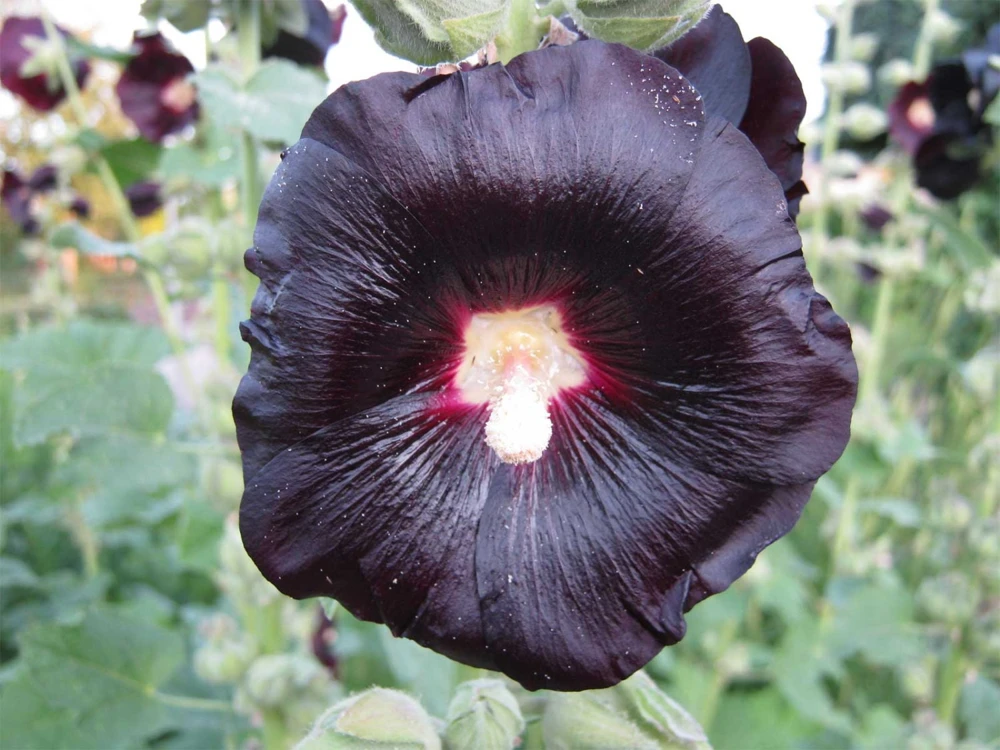
Hollyhock Seeds (Alcea rosea) – 20 Seed Pack for Outdoor Gardens
Original price was: 40.91 $.11.91 $Current price is: 11.91 $.
Cultivate stunning, towering blooms with our premium hollyhock seeds. This pack contains 20 Alcea rosea seeds, perfect for creating a vibrant, pollinator-friendly garden. Enjoy edible flowers, leaves, and stems from these beautiful biennials.
Estimated arrival
Nov 28
Dec 03 - Dec 05
Dec 05 - Dec 10
See our Shipping Policy.
Get in touch with us via email, and our team will review your concerns.
Our Alive & Thrive Guarantee covers issues with your plants within the first 30 days. Read our Refund & Returns Policy.
-
USDA Hardiness Zone
3-9 -
Soil Type
Well-draining, rich soil -
Sunlight Exposure
Full sun (at least 6 hours direct sunlight) -
Expected Planting Period
Spring to early summer or late summer to early fall
Overview
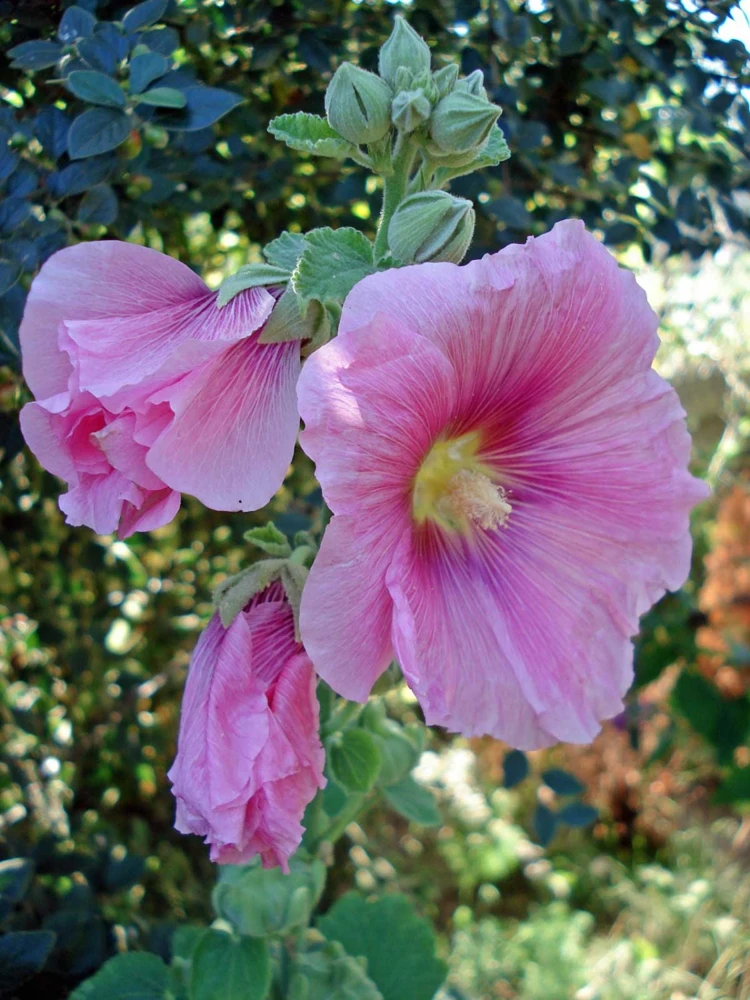
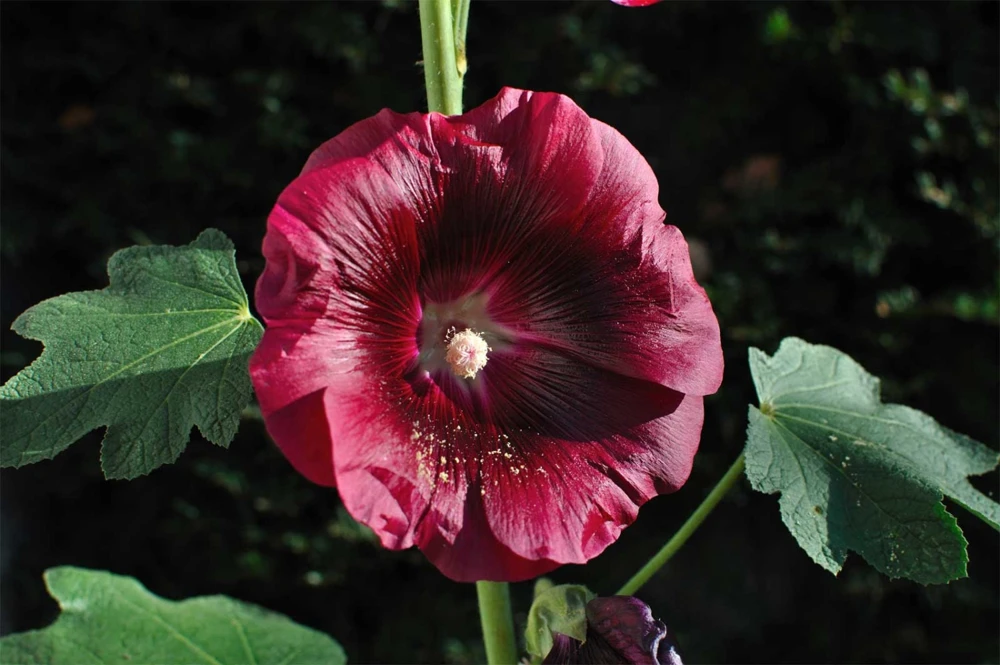
Embark on a delightful gardening journey with our premium hollyhock seeds. This pack provides 20 high-quality Alcea rosea seeds, ready to transform your garden into a majestic display of towering blooms. Commonly known as Hollyhock, Alcea rosea is a classic cottage garden favorite, celebrated for its impressive height and vibrant, cup-shaped flowers. These biennial plants are not only visually stunning but also serve as a vital resource for local wildlife, attracting a host of birds, bees, and butterflies. Imagine your garden buzzing with life as these magnificent plants reach heights of up to 8 feet, creating a dramatic backdrop for your outdoor space. Growing hollyhock seeds is a rewarding experience, leading to robust plants that offer beauty and ecological benefits for two seasons.
Our Alcea rosea seeds are carefully selected to ensure high germination rates and vigorous growth. Whether you’re an experienced gardener or just starting, these seeds provide an excellent opportunity to cultivate a plant with historical charm and modern appeal. The ease of growing these seeds makes them an ideal choice for anyone looking to add vertical interest and a touch of old-world elegance to their landscape. Plus, the entire plant is edible, from its vibrant flowers to its roots, offering a unique culinary dimension to your garden.
Key Benefits
Discover the myriad benefits of incorporating these exquisite hollyhock seeds into your garden design. Beyond their undeniable aesthetic appeal, Hollyhocks offer practical advantages that enhance both your garden and the local ecosystem:
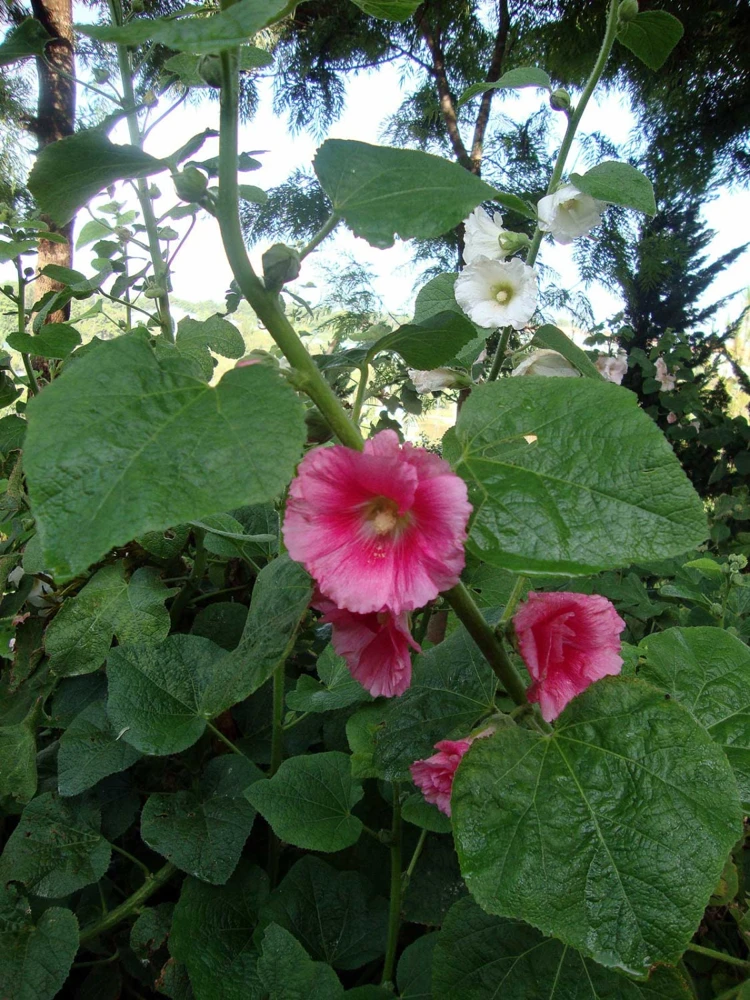
- Stunning Vertical Interest: Achieve dramatic height in your garden with plants that can grow up to 8 feet tall, creating an impressive visual impact and serving as a beautiful backdrop for shorter plants.
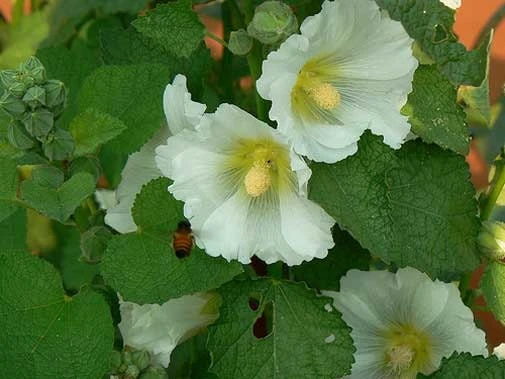
- Pollinator Magnet: Attract a diverse array of beneficial insects and birds, including bees, butterflies, and hummingbirds, fostering a healthy and thriving garden ecosystem. These plants are especially noted as larval host plants for several butterfly species.
- Edible Plant Parts: Enjoy the versatility of Alcea rosea, as its flowers, leaves, roots, and stems are all edible. Use the petals to garnish salads, steep leaves for tea, or explore other culinary uses.
- Low Maintenance Beauty: Once established, Hollyhocks are relatively easy to care for, requiring minimal intervention to produce their spectacular blooms, making them perfect for busy gardeners.
- Cottage Garden Charm: Infuse your garden with classic, rustic charm. Hollyhocks are quintessential cottage garden plants, evoking a sense of nostalgia and timeless beauty. Growing hollyhock seeds helps you achieve this classic look.
- Biodiversity Support: Provide essential habitat and food sources for various butterfly species, acting as a larval host plant for West Coast Lady, Painted Lady, and several skipper butterflies, contributing to local biodiversity.
- Long Blooming Season: Experience continuous blooms from mid-summer until early fall, ensuring your garden remains vibrant and colorful for an extended period.
Plant Care & Growing Tips
Cultivating vibrant Hollyhocks from our hollyhock seeds is a straightforward process that yields spectacular results. To ensure optimal growth, proper care is essential. These plants thrive in conditions that mimic their natural preferences. The most crucial factor for successful growth is ample sunlight; Hollyhocks require at least 6 hours of direct sunlight per day to produce abundant blooms. Choose a location in your garden that receives full sun exposure throughout the day. While they can tolerate some partial shade, flowering may be reduced.
When it comes to soil, Hollyhocks prefer well-draining soil that is rich in organic matter. Avoid heavy clay soils that retain too much moisture, as this can lead to root rot. If your soil is poor, amend it with compost or other organic materials before planting your Alcea rosea seeds. Regular watering is important, especially during dry spells, but ensure the soil is not waterlogged. Water deeply and allow the top inch or two of soil to dry out between waterings. Fertilize sparingly; a balanced, all-purpose fertilizer applied in spring can encourage vigorous growth, but too much nitrogen can lead to lush foliage at the expense of flowers. These biennial plants will establish roots and foliage in their first year, then bloom and set seed in their second year, after which they typically die back. Ensuring proper care in the first year is crucial for a spectacular second-year display.
Hollyhocks are generally hardy and can withstand various conditions, but they can be susceptible to rust, a common fungal disease. Good air circulation and avoiding overhead watering can help prevent this. Remove any affected leaves promptly. Staking may be necessary for taller varieties, especially in windy areas, to prevent the stalks from snapping. For those looking to grow hollyhock from seed, planting in late spring after the last frost or in late summer for blooms the following year is ideal. This allows the plant to establish itself before the peak growing season or overwinter efficiently. These plants are hardy in USDA Zones 3 to 9, making them suitable for a wide range of climates.
Size & Details
This offering includes a pack of 20 premium hollyhock seeds (Alcea rosea), carefully selected for their viability and genetic purity. Once established, these remarkable biennial plants can reach impressive heights of approximately 8 feet tall, creating a dramatic vertical element in any garden landscape. The substantial height means they are best placed at the back of borders or against walls and fences where they can provide a stunning backdrop. The flowers typically bloom from mid-summer through early fall, offering a long season of color and interest. Each plant will produce multiple flower stalks, adorned with large, showy blooms that are highly attractive to pollinators. As biennials, these plants will establish a rosette of leaves in their first year, then send up their towering flower stalks and produce seeds in their second year before completing their life cycle. The seeds are ready to be planted directly into your garden soil, transforming into mature, blooming plants over two growing seasons.
Frequently Asked Questions
- Q: How big do Hollyhock plants get? A: Hollyhock plants, grown from these hollyhock seeds, can typically reach an impressive height of about 8 feet tall. Their substantial stature makes them excellent for back-of-the-border planting or as a dramatic focal point in your garden.
- Q: Is this an indoor or outdoor plant? A: Hollyhocks are primarily outdoor plants. They require significant direct sunlight and space to grow to their full potential, making them unsuitable for most indoor environments. They thrive in garden beds and borders.
- Q: How much sunlight do Hollyhock seeds need to grow? A: To flourish and produce abundant flowers, Hollyhocks need at least 6 hours of direct sunlight per day. Plant your Alcea rosea seeds in a location that receives full sun exposure for the best results.
- Q: Is this plant easy to care for? A: Hollyhocks are considered relatively easy to care for, especially once established. They require well-draining soil, consistent watering, and full sun. They are a good choice for gardeners looking for impactful blooms without excessive fuss.
- Q: What condition will the seeds arrive in? A: Your hollyhock seeds will arrive as a packet of 20 dried, viable seeds, ready for planting. They are carefully packaged to ensure their integrity during transit.
- Q: How long until Hollyhocks bloom from seed? A: As biennials, Hollyhocks typically bloom in their second year after planting. The first year is spent establishing roots and foliage, and the second year brings the spectacular flower stalks and seed production.
- Q: Can the flowers, leaves, and roots of Hollyhock be eaten? A: Yes, all parts of the Hollyhock plant, including the flowers, leaves, roots, and stems, are edible. The flowers can be used as a garnish, and the leaves can be added to salads or cooked. This makes edible hollyhock flowers a unique addition to your garden.
- Q: Will Hollyhocks survive winter in my zone? A: Hollyhocks are hardy biennial garden flowers that can survive the first winter and make it to the second season in USDA Hardiness Zones 3 to 9. This wide range makes them suitable for many climates.
- Q: What types of pollinators do Hollyhocks attract? A: Hollyhocks are fantastic for attracting a wide array of pollinators, including various species of birds, bees, and butterflies. They are also known as larval host plants for several butterfly species like the West Coast Lady and Painted Lady.
- Q: When is the best time to plant hollyhock seeds? A: You can plant hollyhock seeds in early spring after the last frost for blooms the following year, or in late summer/early fall to allow the plants to establish before winter and bloom the next summer.
Be the first to review “Hollyhock Seeds (Alcea rosea) – 20 Seed Pack for Outdoor Gardens”
Related products


You May Like

How to Grow Passion Flower (Passiflora) for Tropical Blooms
Few climbing vines in the home garden command attention quite like the exotic Passion Flower (Passiflora). [...]
Nov

Thanksgiving Cactus Care: How to Get Thanksgiving Cactus to Bloom
Is your Thanksgiving cactus growing well but not giving you any flowers? Maybe it looked [...]
Nov

How to Grow Garlic for a Bountiful Home Harvest
Garlic (Allium sativum) is one of the most satisfying, low-maintenance, and flavor-packed crops you can [...]
Oct

Hardneck vs. Softneck Garlic: Which Should You Grow?
Have you ever stood in front of a seed catalog in mid-September, staring at dozens [...]
1 Comment
Oct

When to Plant Music Garlic: Ultimate US Fall Guide
Have you ever spent your fall weekend placing carefully chosen garlic cloves into rich, dark [...]
1 Comment
Oct

5 Best Bulbs for Fall Planting: Brighten Your Garden This Spring
Are you dreaming of a garden full of vibrant colors in the spring? The key [...]
Aug

10 Houseplants That Will Thrive in Your Kitchen
Are you tired of your kitchen feeling dull and lifeless? Want to add a little [...]
1 Comment
Aug
Reviews
There are no reviews yet.