
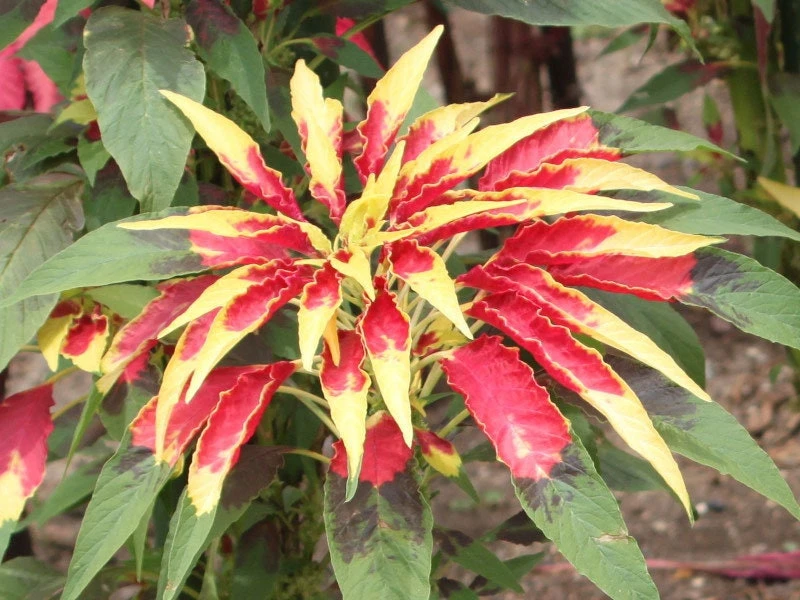
Amaranthus Tricolor Early Splendor Seeds – Joseph’s Coat, Summer Poinsettia – 100 Seeds
Original price was: 48.91 $.19.91 $Current price is: 19.91 $.
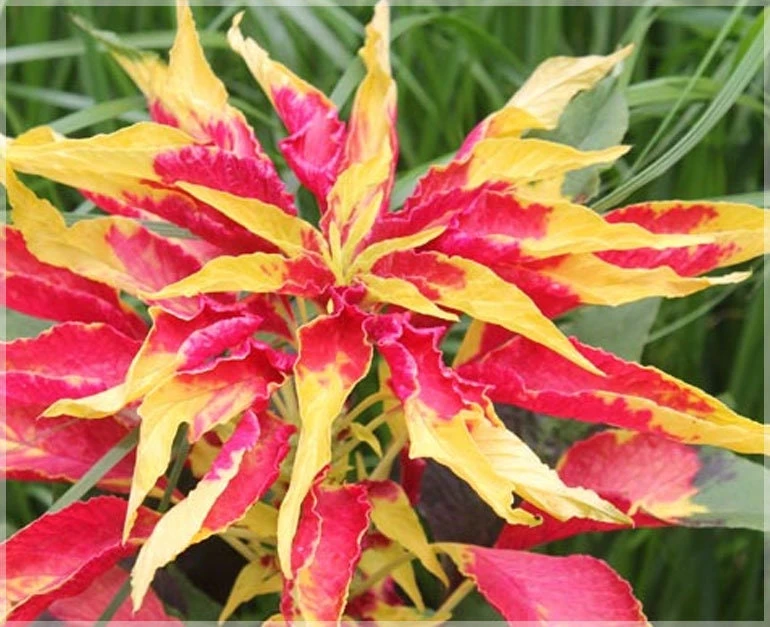
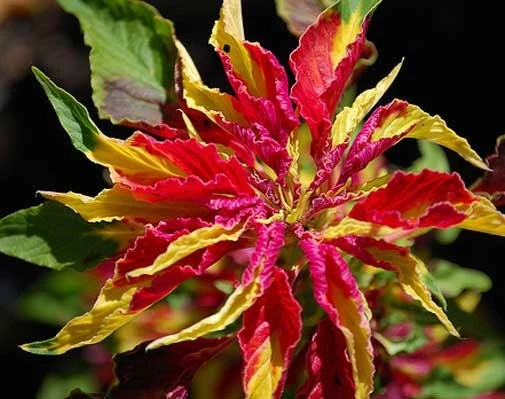
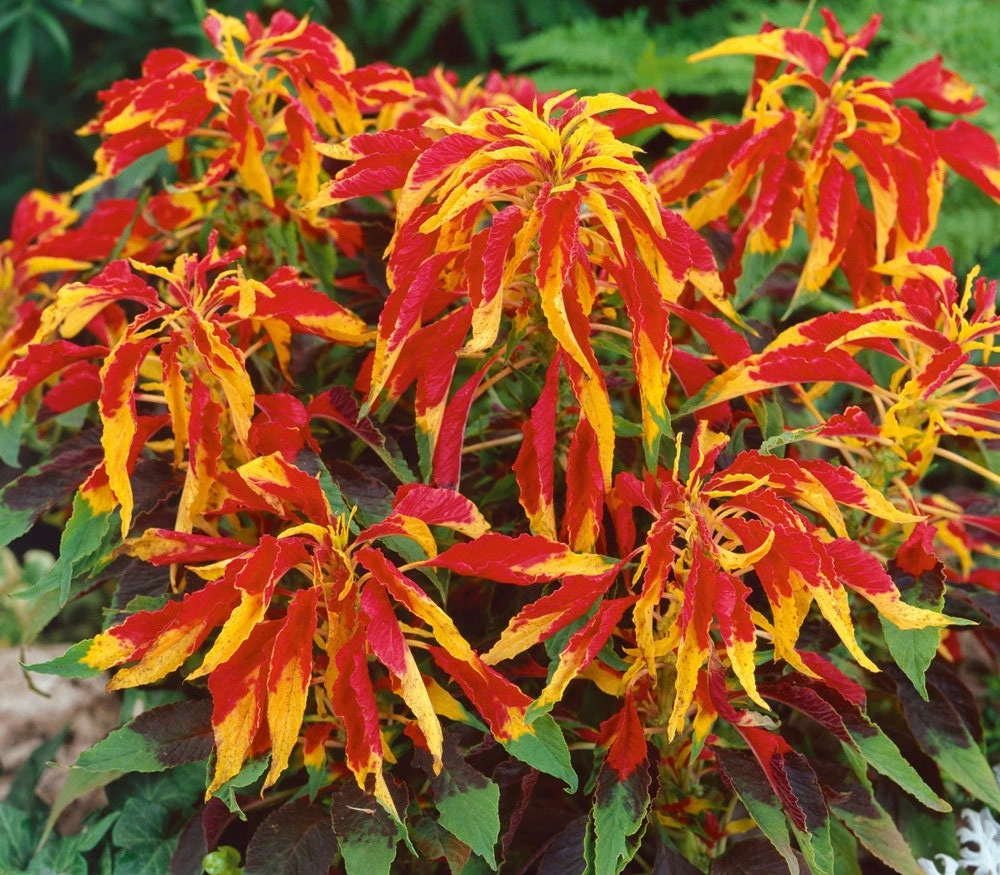
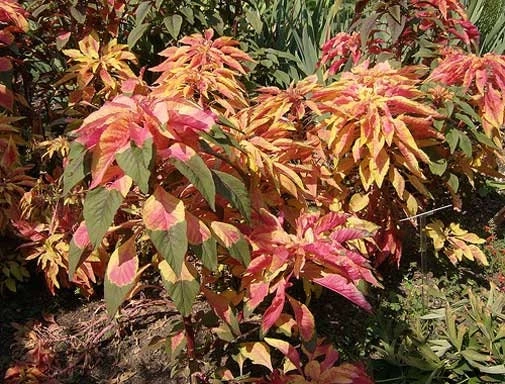
Cultivate stunning garden displays with amaranthus tricolor early splendor seeds. Also known as Joseph’s Coat seeds or Summer Poinsettia, these seeds grow into vibrant plants with striking burgundy foliage, reaching up to 3 feet tall. Perfect for adding a splash of color to your garden, these versatile plants are also edible when grown organically.
Estimated arrival
Nov 26
Dec 01 - Dec 03
Dec 03 - Dec 08
See our Shipping Policy.
Get in touch with us via email, and our team will review your concerns.
Our Alive & Thrive Guarantee covers issues with your plants within the first 30 days. Read our Refund & Returns Policy.
-
USDA Hardiness Zone
USDA zones 2-11 (as an annual) -
Soil Type
Well-draining, moderately fertile soil -
Sunlight Exposure
Full sun -
Expected Planting Period
Spring to early summer (after last frost)
Overview
Bring a burst of vibrant color and unique texture to your garden with amaranthus tricolor early splendor seeds. Also known by its captivating common names, such as Summer Poinsettia, Joseph’s Coat, Tampala, Chinese Spinach, Vegetable Amaranth, and Een Choy, this plant is a true spectacle. Each packet contains 100 seeds, offering ample opportunity to cultivate these magnificent specimens. Growing up to approximately 3 feet tall, the Amaranthus tricolor ‘Early Splendor’ thrives in full sun, showcasing its brilliant burgundy foliage from mid-summer through early autumn. Beyond its ornamental appeal, this plant holds a fascinating culinary secret: its leaves, stems, and seeds are all edible when grown organically, making it a versatile addition to both your garden and your kitchen.
The striking visual appeal of the amaranthus tricolor early splendor seeds makes them a popular choice for gardeners seeking an impactful display. The rich burgundy hues of the leaves are particularly eye-catching, creating a dramatic focal point in borders, containers, or as a vibrant backdrop. These plants are relatively easy to grow from Joseph’s Coat seeds, offering a rewarding experience for gardeners of all skill levels. They not only enhance the aesthetic of your outdoor space but also provide a sustainable food source, embodying both beauty and utility.
Key Benefits
Cultivating amaranthus tricolor early splendor seeds offers a multitude of advantages, transforming your garden into a dynamic and productive space. From their stunning visual impact to their culinary potential, these seeds provide exceptional value.
- Vibrant Ornamental Display: The primary draw of the ‘Early Splendor’ is its spectacular burgundy foliage, reminiscent of a tropical poinsettia. This rich coloration provides continuous visual interest from summer to fall, making it a standout feature in any garden. Planting summer poinsettia seeds guarantees a garden filled with dramatic, long-lasting color.
- Edible Versatility: When grown organically, the entire plant – leaves, stems, and seeds – is edible. The leaves and stems can be enjoyed raw in salads or cooked like spinach, while the seeds, after soaking and rinsing, can be cooked and consumed. This makes edible amaranth seeds a fantastic choice for those looking to grow their own nutritious food.
- Attracts Beneficial Insects: Amaranthus plants are known to be larval host plants for several butterfly species, including the Mazans Scallopwing, Common Sootywing, and Mexican Sootywing butterflies. By planting these amaranthus tricolor early splendor seeds, you contribute to local biodiversity and support pollinator populations.
- Low Maintenance & Drought Tolerant: Once established, Amaranthus tricolor ‘Early Splendor’ is remarkably resilient. It tolerates various soil conditions and is quite drought-tolerant, reducing the need for constant watering and making it a good choice for busy gardeners.
- Fast Growing: These plants exhibit a relatively fast growth rate, quickly developing into mature specimens that provide significant visual impact within a single growing season. This quick development makes growing amaranthus tricolor a satisfying experience.
- Adaptable to Containers: While they can reach considerable heights in the ground, these plants also perform well in large containers, allowing gardeners with limited space to enjoy their beauty and benefits.
Plant Care & Growing Tips
Successfully growing amaranthus tricolor ‘Early Splendor’ from amaranthus tricolor early splendor seeds is straightforward with a few key considerations. These plants thrive in conditions that mimic their natural habitat, ensuring robust growth and vibrant foliage. Start your seeds indoors 4-6 weeks before the last frost date or direct sow outdoors after all danger of frost has passed. Plant seeds about 1/4 inch deep and 6-12 inches apart, thinning to 18-24 inches apart once seedlings are established. Germination typically occurs within 7-14 days.
For optimal growth, provide a location with full sun exposure, meaning at least 6-8 hours of direct sunlight per day. While adaptable, well-draining soil is crucial. Amaranthus prefers moderately fertile soil, but it’s important to avoid nitrogen-based fertilizers if you intend to consume the plant, as this can lead to nitrate accumulation. If you plan to use the plant for culinary purposes, ensure it is grown organically without synthetic nitrogen fertilizers. Water regularly to keep the soil consistently moist, especially during dry spells, but avoid overwatering which can lead to root rot. Once established, the plants are quite drought-tolerant, but consistent moisture will promote lusher foliage.
The ‘Early Splendor’ variety is generally hardy in USDA zones 2-11 when grown as an annual. It prefers warm temperatures and will not tolerate frost. Pests are rarely a major issue, but keep an eye out for aphids or leaf miners, which can be managed with organic insecticidal soaps if necessary. The beautiful burgundy leaf color will be most intense in full sun. Regular harvesting of leaves for culinary use can also encourage bushier growth. Understanding how to grow Joseph’s Coat seeds properly will ensure a bountiful and beautiful harvest.
Size & Details
These amaranthus tricolor early splendor seeds are sourced to produce impressive plants. When mature, the ‘Early Splendor’ variety typically reaches a height of about 3 feet, creating a significant vertical element in your garden. The plant exhibits a vigorous growth habit, quickly establishing itself and developing its striking foliage throughout the summer months. Each seed packet contains 100 seeds, providing a generous quantity for planting a substantial area or for multiple growing seasons. The seeds are small and black, typical of Amaranthus species.
The spectacular burgundy leaf color develops as the plant matures, becoming most pronounced in optimal sunlight conditions. These plants are grown as annuals in most climates, completing their life cycle within one growing season. They will bloom from mid-summer until early fall, producing inconspicuous flowers followed by seeds. The versatility of edible amaranth seeds means you can enjoy the plant’s beauty and then harvest its nutritious seeds for future use or planting. The ease of growing amaranthus tricolor makes it an accessible choice for gardeners looking for both aesthetic appeal and practical benefits.
Frequently Asked Questions
- Q: How big does this plant get? A: Amaranthus tricolor early splendor seeds typically grow into plants that reach about 3 feet (approximately 90 cm) in height. Their bushy nature can also give them a similar spread, creating a substantial presence in the garden.
- Q: Is this an indoor or outdoor plant? A: This plant is primarily grown outdoors as an annual. It thrives in full sun conditions and warm temperatures, making it ideal for garden beds, borders, and large outdoor containers during the warmer months.
- Q: How much sunlight does it need? A: For the best growth and most vibrant burgundy foliage, Amaranthus tricolor ‘Early Splendor’ requires full sun, meaning at least 6-8 hours of direct sunlight per day. Insufficient light can lead to less intense coloring.
- Q: Is this plant easy to care for? A: Yes, growing amaranthus tricolor is considered relatively easy. Once established, it is quite low-maintenance, tolerating various soil conditions and showing good drought resistance. It’s a great choice for both novice and experienced gardeners.
- Q: What condition will the seeds arrive in? A: The amaranthus tricolor early splendor seeds will arrive in a protective packet, ensuring they are dry and viable for planting. You will receive 100 seeds ready for germination.
- Q: Can I eat this plant? A: Yes, the leaves, stems, and seeds of Amaranthus tricolor ‘Early Splendor’ are edible. However, it is crucial that the plant is grown organically without nitrogen-based fertilizers if intended for consumption. This ensures the safety and quality of the edible parts.
- Q: When is the best time to plant these seeds? A: The best time to plant Joseph’s Coat seeds is after the last danger of frost has passed in your region. You can direct sow them outdoors or start them indoors 4-6 weeks before the last expected frost date.
- Q: What is the ideal soil type for Amaranthus tricolor? A: This plant prefers well-draining soil that is moderately fertile. While it can adapt to different soil types, good drainage is key to preventing root issues.
- Q: Will it survive winter in my zone? A: Amaranthus tricolor ‘Early Splendor’ is typically grown as an annual in most climates and will not survive frost or freezing temperatures. It completes its life cycle within one growing season.
- Q: Are these summer poinsettia seeds suitable for container gardening? A: Yes, these plants can be successfully grown in large containers, provided they receive ample sunlight and consistent watering. Ensure the container has good drainage holes.
Be the first to review “Amaranthus Tricolor Early Splendor Seeds – Joseph’s Coat, Summer Poinsettia – 100 Seeds”
Related products


You May Like

How to Grow Passion Flower (Passiflora) for Tropical Blooms
Few climbing vines in the home garden command attention quite like the exotic Passion Flower (Passiflora). [...]
Nov

Thanksgiving Cactus Care: How to Get Thanksgiving Cactus to Bloom
Is your Thanksgiving cactus growing well but not giving you any flowers? Maybe it looked [...]
Nov

How to Grow Garlic for a Bountiful Home Harvest
Garlic (Allium sativum) is one of the most satisfying, low-maintenance, and flavor-packed crops you can [...]
Oct

Hardneck vs. Softneck Garlic: Which Should You Grow?
Have you ever stood in front of a seed catalog in mid-September, staring at dozens [...]
1 Comment
Oct

When to Plant Music Garlic: Ultimate US Fall Guide
Have you ever spent your fall weekend placing carefully chosen garlic cloves into rich, dark [...]
1 Comment
Oct

5 Best Bulbs for Fall Planting: Brighten Your Garden This Spring
Are you dreaming of a garden full of vibrant colors in the spring? The key [...]
Aug

10 Houseplants That Will Thrive in Your Kitchen
Are you tired of your kitchen feeling dull and lifeless? Want to add a little [...]
1 Comment
Aug
Reviews
There are no reviews yet.