
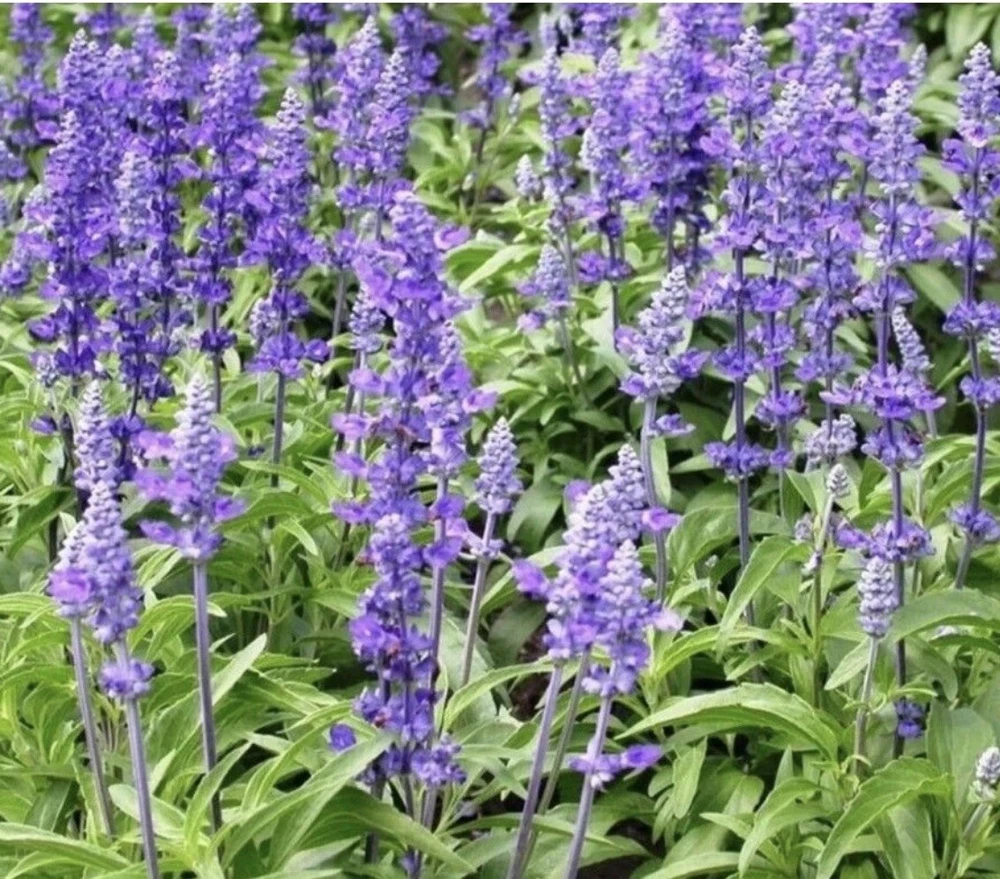
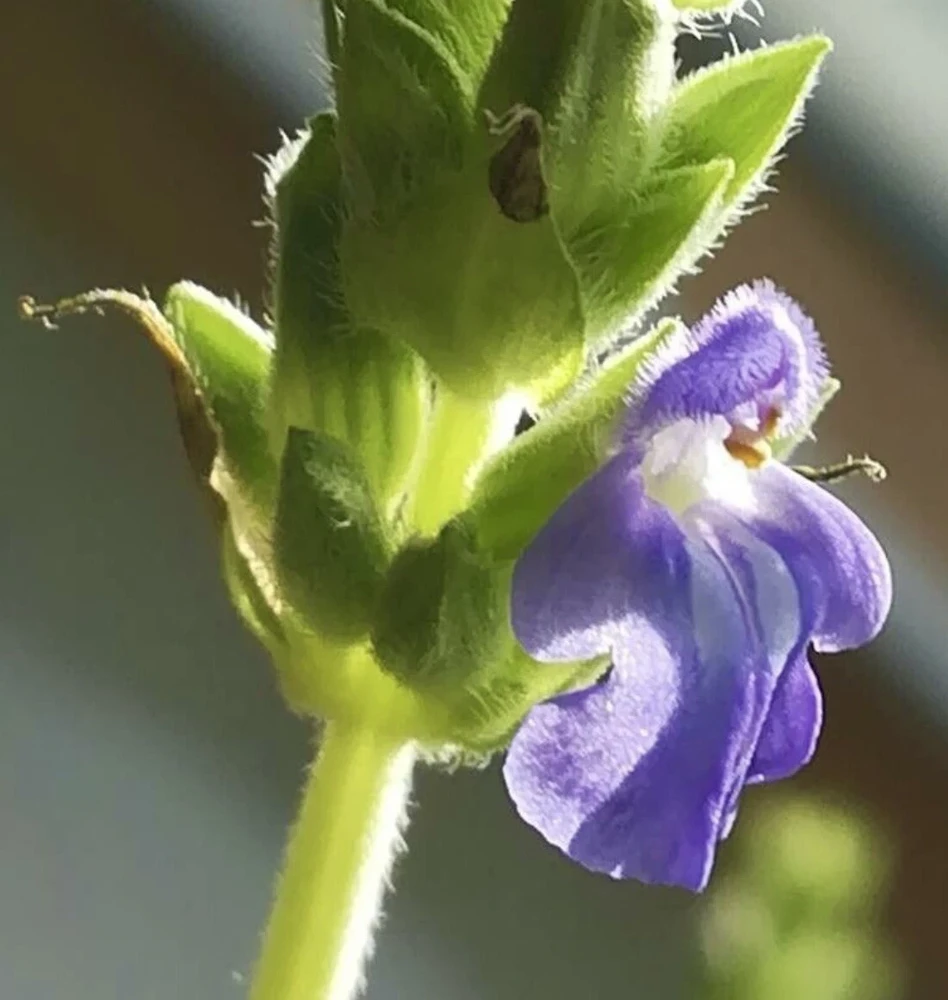
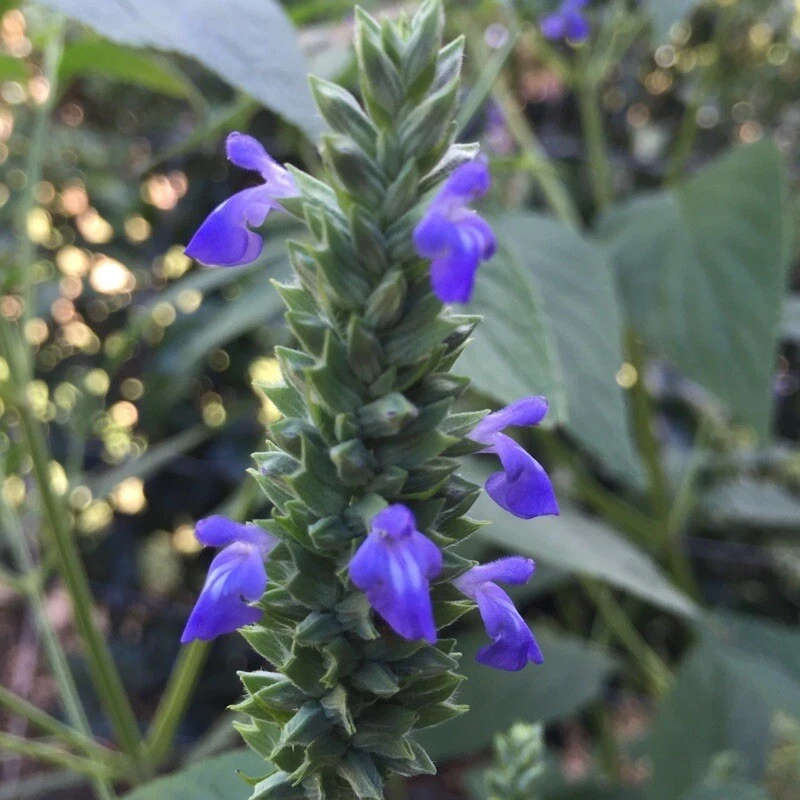
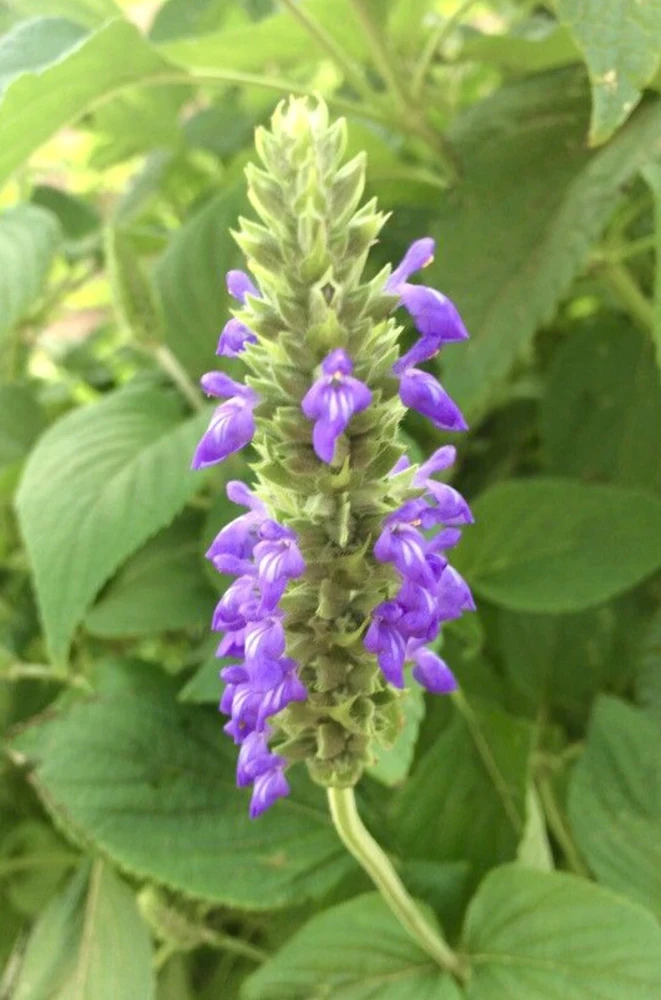
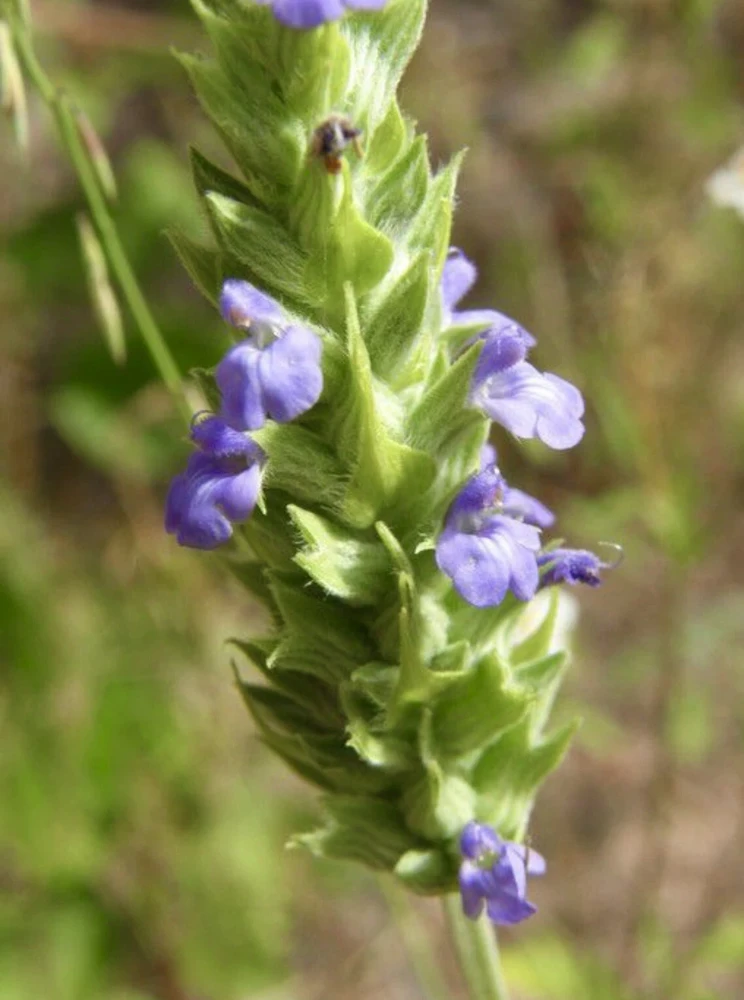
Chia Seeds for Planting – Salvia Hispanica – 1000+ Seeds – Edible
Original price was: 7.98 $.3.99 $Current price is: 3.99 $.
Cultivate your own superfood with these high-quality chia seeds for planting. Grow vibrant Salvia Hispanica seeds easily outdoors to harvest your own nutritious, edible chia plant. Perfect for home gardeners.
Estimated arrival
Nov 26
Dec 01 - Dec 03
Dec 03 - Dec 08
See our Shipping Policy.
Get in touch with us via email, and our team will review your concerns.
Our Alive & Thrive Guarantee covers issues with your plants within the first 30 days. Read our Refund & Returns Policy.
-
USDA Hardiness Zone
USDA zones 9-11 (as an annual) -
Soil Type
Well-draining, sandy or loamy soil -
Sunlight Exposure
Full Sun -
Expected Planting Period
Spring to early summer
Overview
Embark on a rewarding gardening journey with these premium chia seeds for planting. This packet contains over 1000 viable seeds of Salvia Hispanica, the botanical name for the renowned chia plant. Originating from central and southern Mexico, these seeds allow you to cultivate your very own source of one of the world’s most popular superfoods. Whether you’re a seasoned gardener or just starting out, growing your own chia seeds for planting is a straightforward and satisfying experience. These seeds promise to sprout into robust plants, yielding the tiny, nutrient-packed seeds cherished for their health benefits and culinary versatility. Get ready to enjoy fresh, homegrown chia from your garden.
The chia plant is a member of the mint family (Lamiaceae) and is known for its beautiful purple or white flowers and its highly nutritious seeds. These seeds are celebrated for their omega-3 fatty acids, fiber, protein, and antioxidants. By choosing to grow chia seeds at home, you gain complete control over their cultivation, ensuring organic and fresh produce. This offering provides a generous quantity, ensuring you have plenty of seeds for multiple plantings or a substantial harvest. Discover the joy of nurturing these plants from seed to harvest and incorporating them into a healthy lifestyle.
Key Benefits
Growing your own chia plants from these seeds offers a multitude of benefits, from enhancing your garden’s biodiversity to providing a nutritious food source right at your fingertips. These advantages make cultivating Salvia Hispanica seeds a truly worthwhile endeavor for any home gardener.
- Nutrient-Rich Harvest: Cultivate your own supply of omega-3 rich, fiber-packed chia seeds. Harvesting fresh seeds ensures maximum nutritional value compared to store-bought options.
- Easy to Grow: Chia plants are remarkably resilient and require minimal fuss, making them an excellent choice for beginners and experienced gardeners alike. They thrive in various conditions, making it simple to grow chia seeds successfully.
- Attractive Garden Addition: Beyond their edible seeds, chia plants produce lovely purple or white flowers that attract pollinators like bees and butterflies, adding beauty and life to your garden.
- Sustainable Superfood Source: Reduce your carbon footprint by growing your own superfood. You control the growing conditions, ensuring a natural and sustainable harvest of the edible chia plant.
- Versatile Culinary Ingredient: Once harvested, your homegrown chia seeds can be used in countless recipes, from smoothies and puddings to baked goods and salad dressings, providing a healthy boost to your diet.
- Educational Experience: An excellent project for families or classrooms, teaching about plant life cycles, nutrition, and sustainable living as you learn how to grow chia.
- Pest Resistant: Chia plants are generally robust and not prone to many common garden pests, simplifying their care and ensuring a healthier yield.
Plant Care & Growing Tips
Cultivating a healthy edible chia plant from these seeds is a straightforward process that yields rewarding results. Chia thrives in warm climates and prefers a location with ample sunlight. For optimal growth, choose a spot in your garden that receives at least 6-8 hours of direct sunlight daily. While they can tolerate some partial shade, full sun will encourage stronger growth and better seed production. Prepare your soil by ensuring it is well-draining, as chia plants do not like soggy roots. A slightly sandy or loamy soil with a neutral to slightly alkaline pH (6.0-8.0) is ideal. Incorporating some organic matter, like compost, can improve soil structure and fertility.
When planting your Salvia Hispanica seeds, sow them directly outdoors after the last frost date in spring, when soil temperatures have warmed. Plant the seeds about 1/4 inch deep and 6-8 inches apart in rows, or broadcast them for a more naturalized look. Keep the soil consistently moist until germination, which typically occurs within 7-14 days. Once established, chia plants are relatively drought-tolerant but will benefit from regular watering during dry spells, especially during flowering and seed development. Avoid overwatering, as this can lead to root rot. Fertilization is generally not heavily required; however, a balanced, all-purpose fertilizer can be applied once or twice during the growing season if your soil is poor. Learning how to grow chia successfully involves providing these basic conditions, and your plants will flourish.
Size & Details
This offering includes a generous packet containing over 1000+ chia seeds for planting (Salvia Hispanica). These seeds are sourced for their high germination rate, ensuring a successful start to your chia garden. When mature, the edible chia plant typically grows to a height of 2-3 feet (60-90 cm) with a spread of about 1-2 feet (30-60 cm), forming an upright, bushy plant. The plants will produce delicate purple or white flowers in late summer to early fall, followed by the development of the coveted chia seeds.
The seeds are harvested once the flowers have dried and the seed heads begin to turn brown. This usually occurs around 90-120 days after planting, depending on your climate. The seeds are small, oval, and typically mottled gray, brown, black, or white. These seeds are suitable for outdoor cultivation in USDA zones 9-11 as an annual, or they can be grown indoors in containers in cooler climates. Our Salvia Hispanica seeds are fresh for the 2025 growing season, ensuring viability for your planting success.
Frequently Asked Questions
- Q: How big does the chia plant get and what size pot does it come in? A: The edible chia plant typically reaches a height of 2-3 feet and a spread of 1-2 feet. As these are seeds, they do not come in a pot; you will be planting them yourself to grow to their full size.
- Q: Is this an indoor or outdoor plant, and how much sunlight does it need? A: While chia can be grown indoors in a large container with adequate light, it thrives best outdoors in full sun, requiring at least 6-8 hours of direct sunlight daily for optimal growth and seed production.
- Q: Is this plant easy to care for? Is it good for beginners? A: Yes, chia plants are considered very easy to care for and are an excellent choice for beginner gardeners. They are relatively low-maintenance, drought-tolerant once established, and generally pest-resistant. You’ll quickly learn how to grow chia effectively.
- Q: What condition will the seeds arrive in? A: The seeds will arrive in a protective packet, ensuring their freshness and viability. They are dry seeds, ready for planting, not live plants or sprouts.
- Q: Can I use the chia seeds in cooking? Is the plant edible? A: Absolutely! The primary purpose of growing these chia seeds for planting is to harvest the nutritious, edible seeds, which are a popular superfood. The leaves are not typically consumed.
- Q: How long until the chia plant blooms and when is the best time to plant? A: Chia plants typically bloom in late summer to early fall, about 90-120 days after planting. The best time to plant these Salvia Hispanica seeds is in spring, after the last danger of frost has passed and soil temperatures have warmed.
- Q: Will it survive winter in my zone? What’s the minimum temperature it can tolerate? A: Chia is typically grown as an annual in most climates and is not frost-tolerant. It thrives in warm conditions and will not survive freezing temperatures. In USDA zones 9-11, it can sometimes self-seed, but generally, it’s replanted each spring.
- Q: Do these chia seeds need any special soil or fertilizer? A: Chia prefers well-draining soil, ideally sandy or loamy. While not heavy feeders, enriching the soil with compost before planting can be beneficial. A balanced fertilizer can be used sparingly during the growing season if needed.
- Q: How many seeds are in this packet? A: This packet contains over 1000+ chia seeds for planting, providing a generous supply for your gardening needs.
- Q: What is the benefit of growing my own chia over buying them? A: Growing your own edible chia plant ensures freshness, allows you to control the growing conditions (e.g., organic practices), and provides a satisfying gardening experience. Plus, you’ll have a continuous supply!
Be the first to review “Chia Seeds for Planting – Salvia Hispanica – 1000+ Seeds – Edible”
Related products


Herb Seeds
500 English Lavender Vera Seeds – Lavandula Angustifolia – Fragrant Purple Flower Herb – Outdoor


You May Like

How to Grow Passion Flower (Passiflora) for Tropical Blooms
Few climbing vines in the home garden command attention quite like the exotic Passion Flower (Passiflora). [...]
Nov

Thanksgiving Cactus Care: How to Get Thanksgiving Cactus to Bloom
Is your Thanksgiving cactus growing well but not giving you any flowers? Maybe it looked [...]
Nov

How to Grow Garlic for a Bountiful Home Harvest
Garlic (Allium sativum) is one of the most satisfying, low-maintenance, and flavor-packed crops you can [...]
Oct

Hardneck vs. Softneck Garlic: Which Should You Grow?
Have you ever stood in front of a seed catalog in mid-September, staring at dozens [...]
1 Comment
Oct

When to Plant Music Garlic: Ultimate US Fall Guide
Have you ever spent your fall weekend placing carefully chosen garlic cloves into rich, dark [...]
1 Comment
Oct

5 Best Bulbs for Fall Planting: Brighten Your Garden This Spring
Are you dreaming of a garden full of vibrant colors in the spring? The key [...]
Aug

10 Houseplants That Will Thrive in Your Kitchen
Are you tired of your kitchen feeling dull and lifeless? Want to add a little [...]
1 Comment
Aug
Reviews
There are no reviews yet.