
Mexican Palo Verde Seeds – Parkinsonia Tree – 10 Seeds – Outdoor
Original price was: 15.98 $.11.99 $Current price is: 11.99 $.
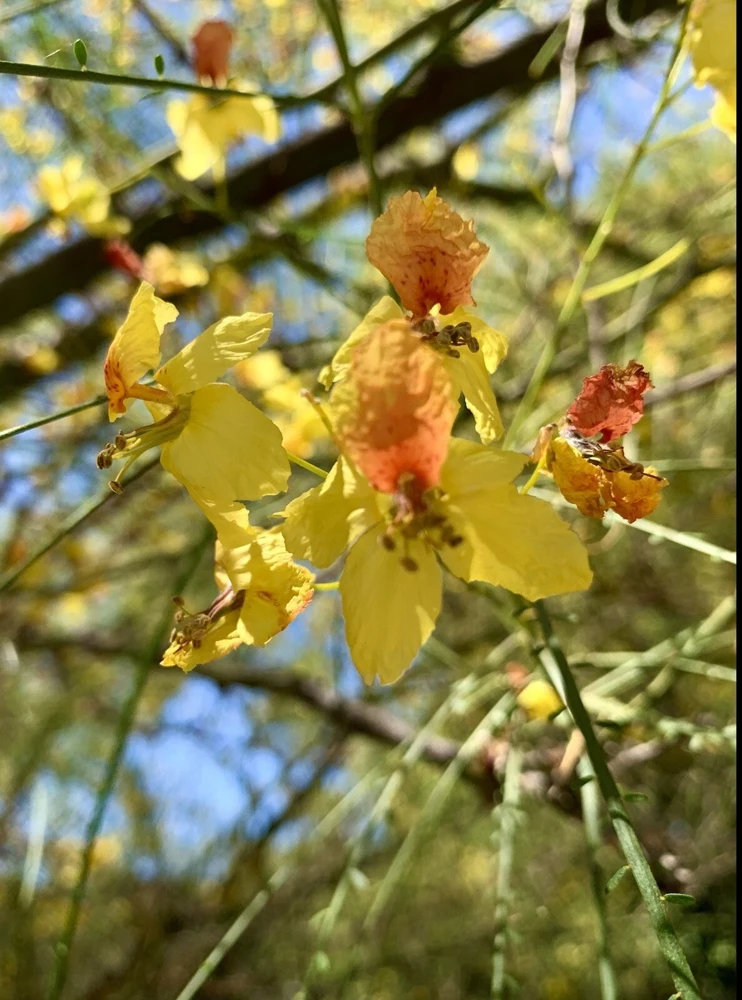
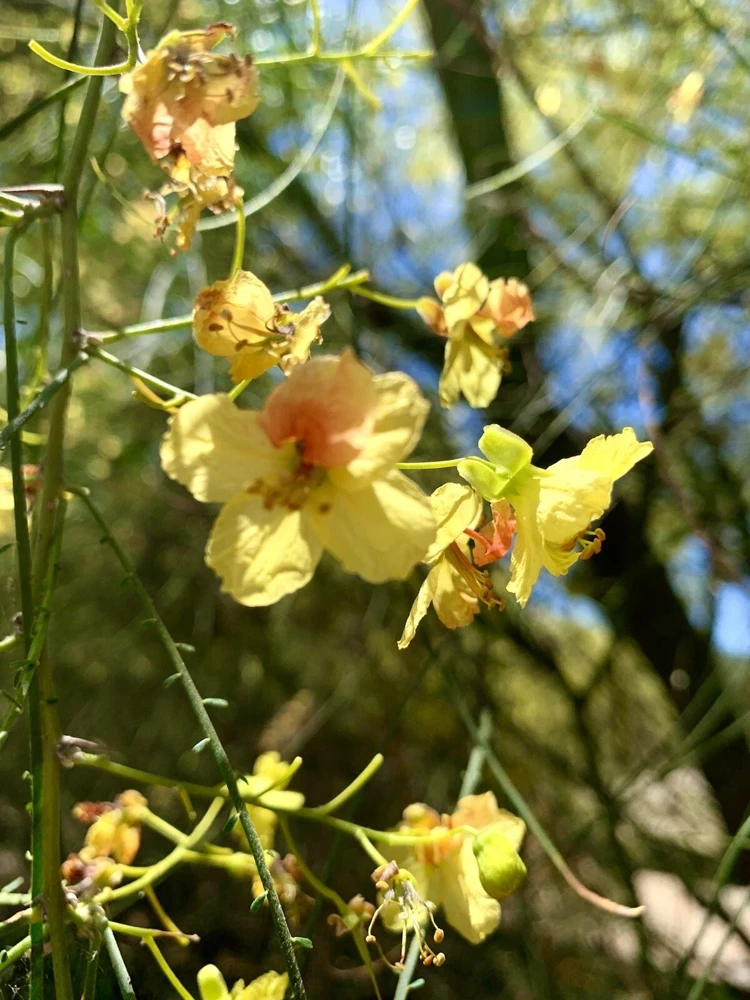
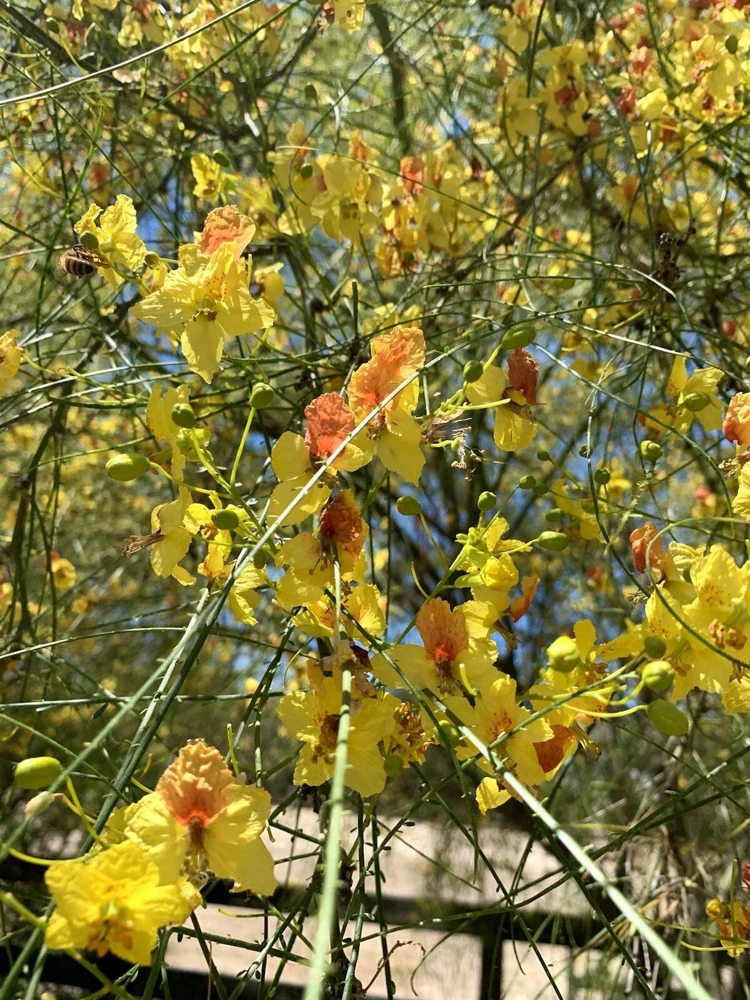
Cultivate a beautiful, drought-tolerant landscape with Mexican Palo Verde seeds. These Parkinsonia tree seeds produce stunning yellow flowers and unique green bark, ideal for arid climates and xeriscaping. Grow your own desert oasis.
Estimated arrival
Nov 27
Dec 02 - Dec 04
Dec 04 - Dec 09
See our Shipping Policy.
Get in touch with us via email, and our team will review your concerns.
Our Alive & Thrive Guarantee covers issues with your plants within the first 30 days. Read our Refund & Returns Policy.
-
USDA Hardiness Zone
USDA zones 8-11 -
Soil Type
Well-draining, sandy, or rocky soil -
Sunlight Exposure
Full sun -
Expected Planting Period
Spring after last frost
Overview
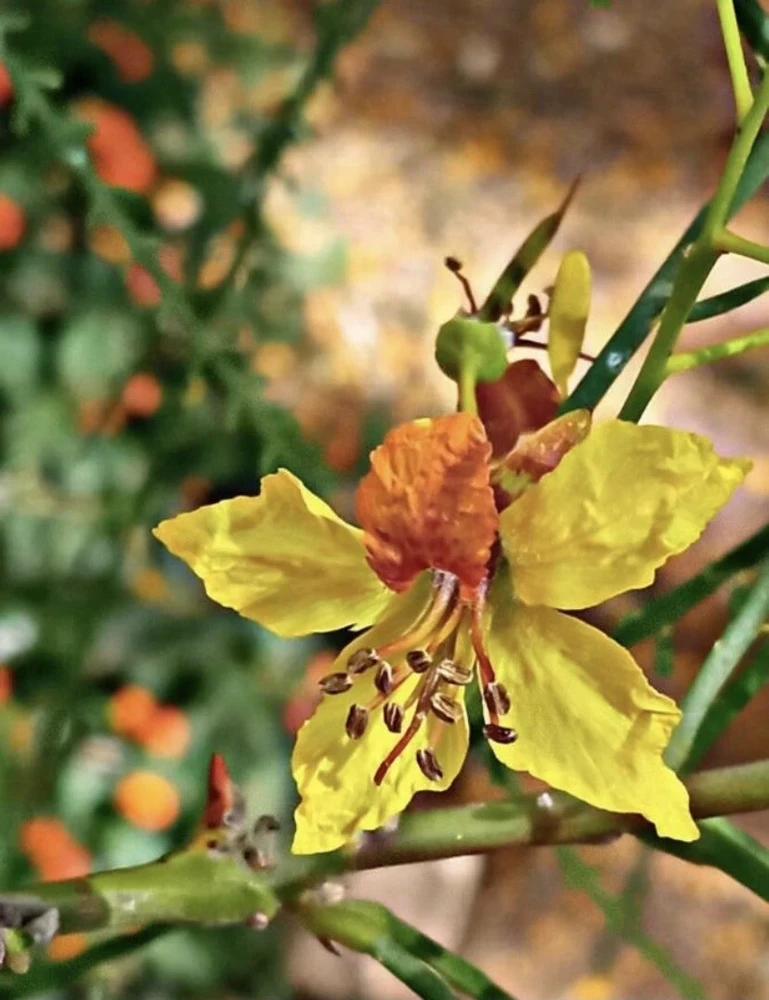
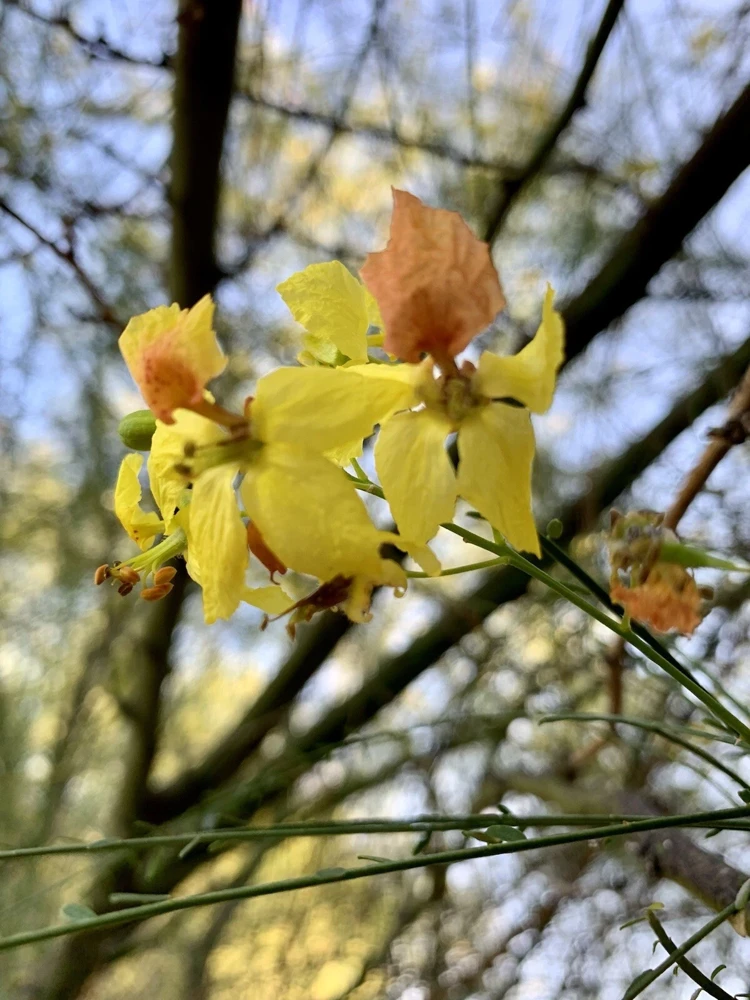
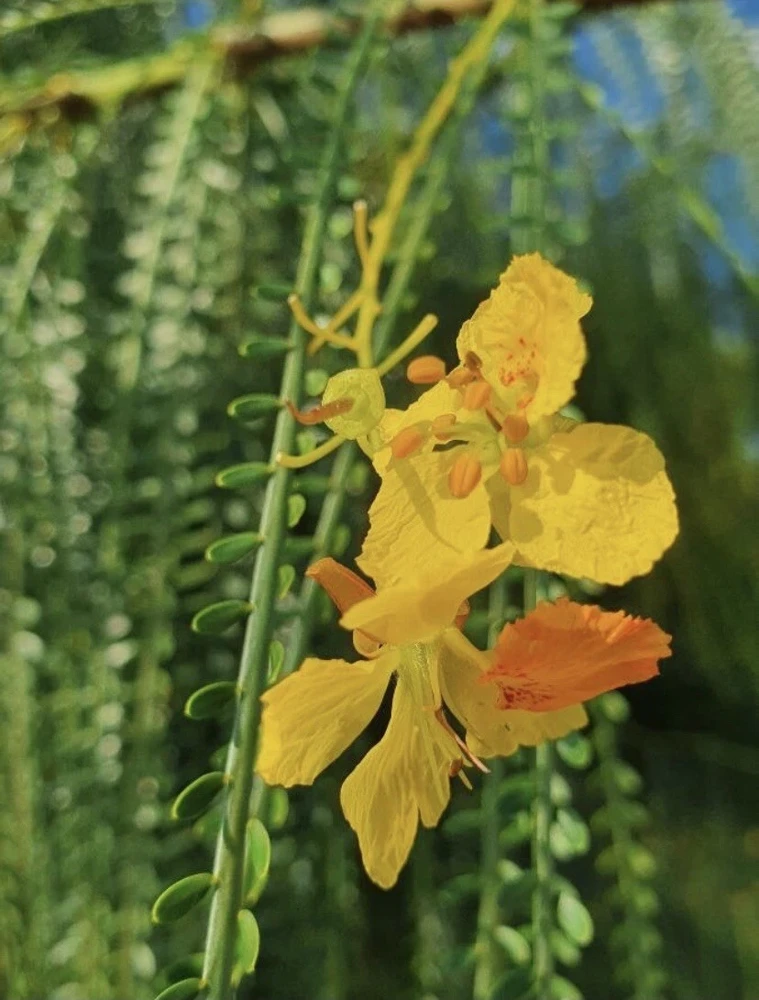
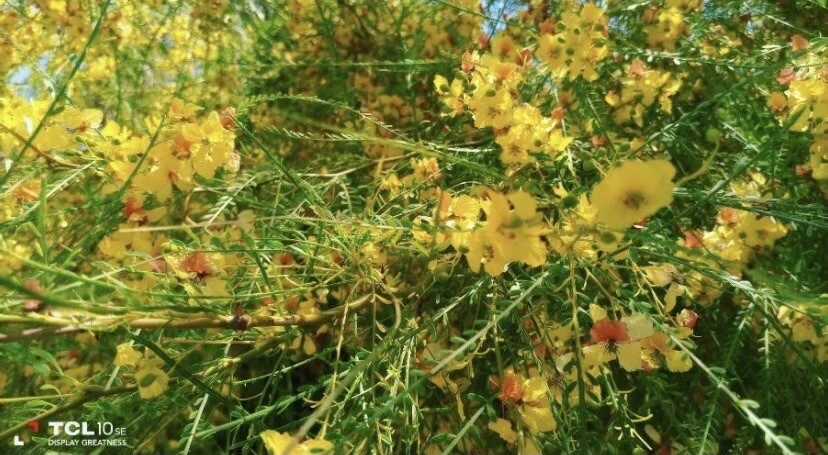
Embark on a rewarding gardening journey by cultivating the striking Mexican Palo Verde seeds. Also known by its botanical name Parkinsonia aculeata or common names such as Jerusalem Thorn and Jelly Bean tree, this remarkable species is a true gem for arid and semi-arid landscapes. Our offering includes 10 seeds, providing an excellent opportunity to grow this beautiful, drought-tolerant tree. The Mexican Palo Verde is celebrated for its distinctive green bark, airy foliage, and profusion of bright yellow, pea-like flowers that bloom in spring and often continue sporadically through summer. This tree is not just visually appealing; it’s also incredibly resilient, making it a fantastic choice for sustainable gardening and xeriscaping projects. Growing from seed allows you to witness the full life cycle of this magnificent plant, fostering a deeper connection with nature and creating a unique focal point in your outdoor space.
Key Benefits
Growing the Mexican Palo Verde seeds offers a multitude of advantages for both the gardener and the environment. This hardy tree provides significant benefits that enhance any landscape:
- Drought Tolerance: Once established, the Parkinsonia tree seeds grow into trees that are exceptionally drought-tolerant, requiring minimal water and making them perfect for xeriscaping and water-wise gardens.
- Stunning Floral Display: Enjoy a spectacular show of vibrant yellow flowers, providing a burst of color from spring into summer, attracting pollinators like bees and butterflies.
- Unique Green Bark: The smooth, photosynthetic green bark of the Mexican Palo Verde adds year-round visual interest, especially in winter when leaves may drop, offering a striking contrast to traditional tree trunks.
- Fast Growing: These trees establish relatively quickly from Jerusalem Thorn seeds, allowing you to see significant growth and enjoy their benefits sooner.
- Shade and Habitat: As they mature, Mexican Palo Verde trees provide welcome shade in hot climates and offer habitat and food sources for local wildlife.
- Low Maintenance: Beyond initial establishment, these trees are generally low-maintenance, thriving with little intervention once adapted to their environment.
- Erosion Control: Their robust root systems can help stabilize soil, making them useful for erosion control in challenging landscapes.
Plant Care & Growing Tips
Successfully growing Mexican Palo Verde seeds into thriving trees requires attention to specific environmental conditions. These desert natives prefer full sun, meaning they need at least 6-8 hours of direct sunlight daily to flourish and produce abundant blooms. They are well-suited for outdoor cultivation in USDA hardiness zones 8-11. When it comes to watering, these trees are remarkably drought-tolerant once established. During the initial germination and seedling stages, keep the soil consistently moist but never waterlogged. Once the plants are larger and have developed a strong root system, reduce watering frequency significantly, allowing the soil to dry out completely between waterings. Overwatering is a common cause of failure for this species.
The ideal soil type for Parkinsonia tree seeds is well-draining, sandy, or rocky soil, typical of desert environments. Avoid heavy clay soils that retain too much moisture, as this can lead to root rot. Good drainage is paramount. Fertilization is generally not necessary for established trees, as they are adapted to nutrient-poor soils. For seedlings, a very light application of a balanced, slow-release fertilizer can encourage initial growth, but be careful not to over-fertilize. Protect young seedlings from extreme cold temperatures. While mature trees can tolerate some frost, prolonged freezing can damage them. The thorns on the branches provide a natural defense, but exercise caution when handling the plant.
Size & Details
Our offering includes 10 seeds of the Mexican Palo Verde, providing a generous quantity to start your garden project. This deciduous tree typically grows to a height of 15-25 feet, with a similar spread, creating an open, airy canopy. The growth rate is moderate to fast, especially in optimal conditions, allowing you to see a significant tree within a few years. The seeds are ready for planting upon arrival, and with proper scarification and stratification (detailed below in FAQs), germination can be expected. Once established, these trees form a strong central leader and an attractive, somewhat weeping habit. The distinctive green bark is a result of chlorophyll in the bark, allowing for photosynthesis even when leaves are absent during dry periods. Expect the first blooms within 2-3 years after planting from seed, with increasing floral displays as the tree matures.
Frequently Asked Questions
- Q: How do I prepare Mexican Palo Verde seeds for planting? A: Mexican Palo Verde seeds have a hard seed coat that needs to be scarified before planting. This can be done by gently nicking the seed coat with a file or sandpaper, or by soaking the seeds in hot (not boiling) water for 24 hours. This process helps water penetrate the seed and encourages germination.
- Q: How much sun does a Parkinsonia tree need? A: A Parkinsonia tree thrives in full sun, requiring at least 6-8 hours of direct sunlight per day. This ensures robust growth and abundant flowering.
- Q: Is this an indoor or outdoor plant? A: The Mexican Palo Verde is an outdoor tree, best suited for warm climates. It is not typically grown as an indoor plant due to its size and light requirements.
- Q: How long does it take for Jerusalem Thorn seeds to germinate? A: With proper scarification and optimal conditions, Jerusalem Thorn seeds can germinate within 1-4 weeks. Patience is key, as germination times can vary.
- Q: What kind of soil is best for these trees? A: Well-draining, sandy, or rocky soil is ideal for Mexican Palo Verde trees. They do not tolerate heavy clay soils or prolonged wet conditions.
- Q: How tall does a desert landscape tree typically grow? A: A mature desert landscape tree like the Mexican Palo Verde usually reaches heights of 15-25 feet, with a similar spread, providing a lovely canopy.
- Q: When is the best time to plant these seeds? A: The best time to plant Mexican Palo Verde seeds is in spring after the last frost, when soil temperatures have warmed up. This gives seedlings ample time to establish before the peak heat of summer.
- Q: Are these trees thorny? A: Yes, the Mexican Palo Verde is known for its sharp thorns along the branches, which serve as a natural defense mechanism. Handle with care during planting and maintenance.
- Q: What USDA hardiness zones are suitable for the Mexican Palo Verde? A: The Mexican Palo Verde is best suited for USDA hardiness zones 8-11, where it can tolerate the climate and occasional light frosts.
- Q: Do these trees attract wildlife? A: Yes, the vibrant yellow flowers attract pollinators like bees and butterflies, and the tree provides habitat and food for various birds and small animals, making it a great choice for a wildlife-friendly garden.
Be the first to review “Mexican Palo Verde Seeds – Parkinsonia Tree – 10 Seeds – Outdoor”
Related products


Tree Seeds
Canino Olive Tree Seeds – 10 Pack Olea Europaea Canino for Edible Olives, Full Sun, Zones 9-11


You May Like

How to Grow Passion Flower (Passiflora) for Tropical Blooms
Few climbing vines in the home garden command attention quite like the exotic Passion Flower (Passiflora). [...]
Nov

Thanksgiving Cactus Care: How to Get Thanksgiving Cactus to Bloom
Is your Thanksgiving cactus growing well but not giving you any flowers? Maybe it looked [...]
Nov

How to Grow Garlic for a Bountiful Home Harvest
Garlic (Allium sativum) is one of the most satisfying, low-maintenance, and flavor-packed crops you can [...]
Oct

Hardneck vs. Softneck Garlic: Which Should You Grow?
Have you ever stood in front of a seed catalog in mid-September, staring at dozens [...]
1 Comment
Oct

When to Plant Music Garlic: Ultimate US Fall Guide
Have you ever spent your fall weekend placing carefully chosen garlic cloves into rich, dark [...]
1 Comment
Oct

5 Best Bulbs for Fall Planting: Brighten Your Garden This Spring
Are you dreaming of a garden full of vibrant colors in the spring? The key [...]
Aug

10 Houseplants That Will Thrive in Your Kitchen
Are you tired of your kitchen feeling dull and lifeless? Want to add a little [...]
1 Comment
Aug
Reviews
There are no reviews yet.