
Himalayan Honeysuckle Seeds – Leycesteria Formosa – 50 Seeds – Outdoor Shrub
Original price was: 48.91 $.19.91 $Current price is: 19.91 $.
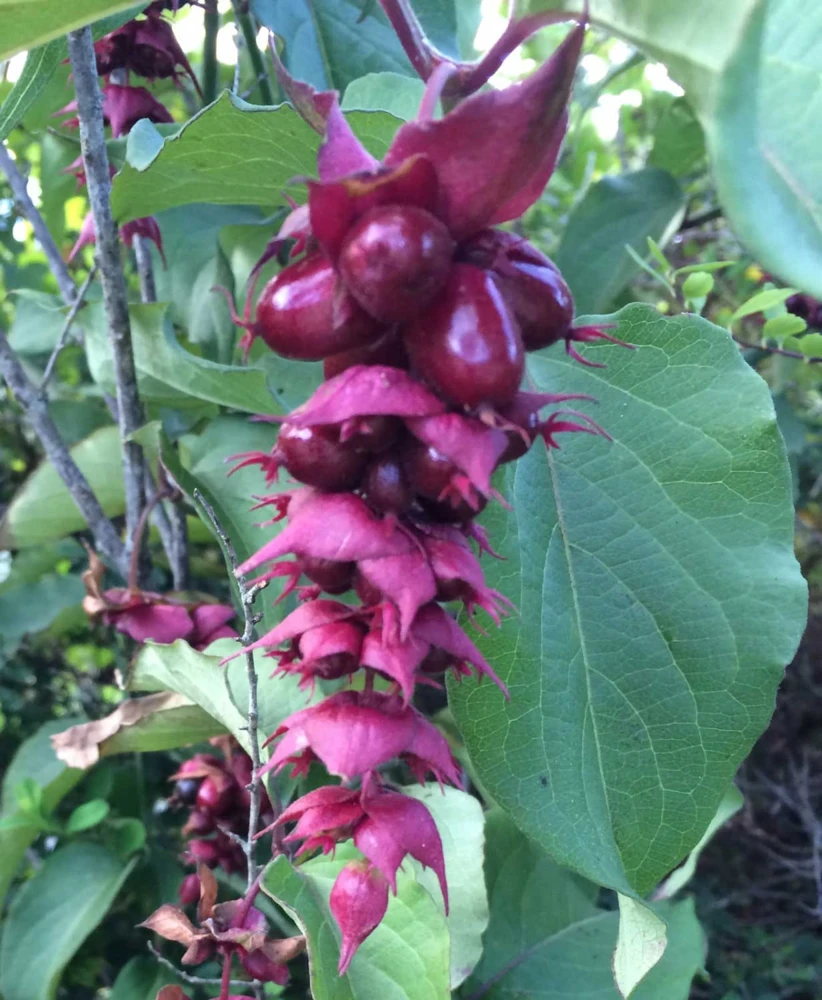
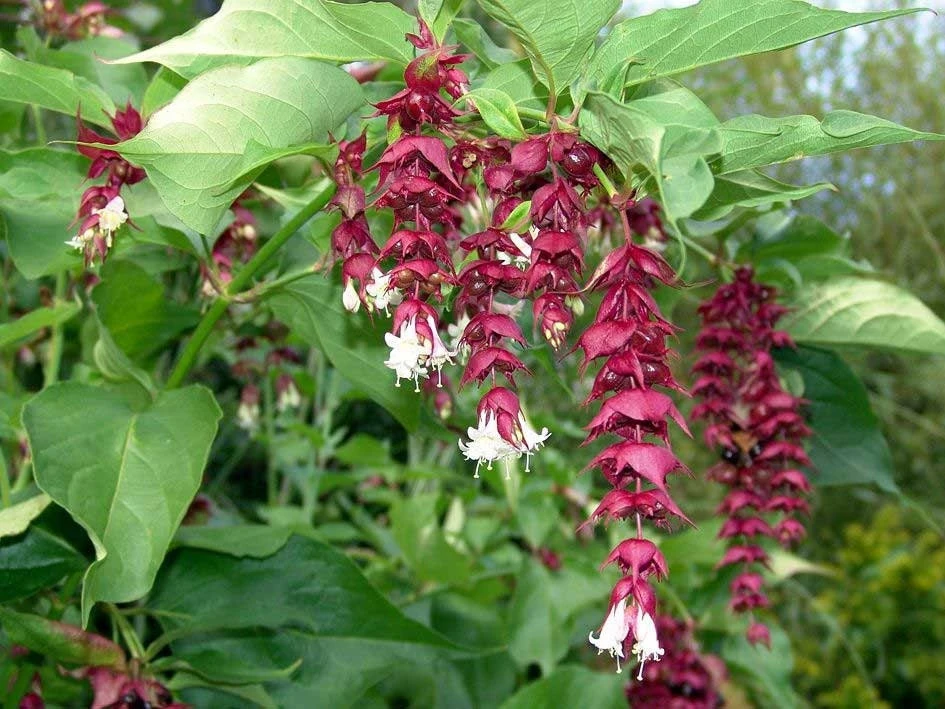
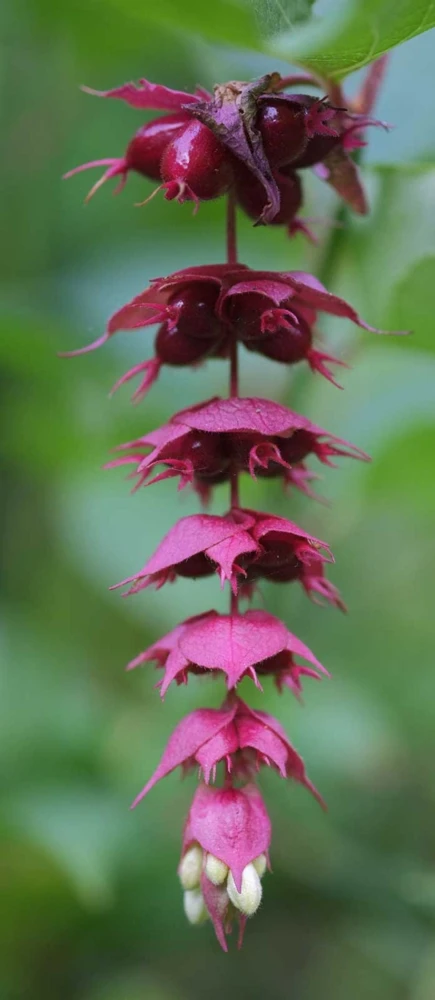
Cultivate the unique Himalayan Honeysuckle seeds (Leycesteria Formosa seeds), also known as Pheasant Berry. These 50 seeds will grow into an 8-foot tall shrub with elegant chandelier-like blossoms, perfect for attracting hummingbirds, bees, and butterflies to your garden. Ideal for USDA Zones 7-9.
Estimated arrival
Nov 27
Dec 02 - Dec 04
Dec 04 - Dec 09
See our Shipping Policy.
Get in touch with us via email, and our team will review your concerns.
Our Alive & Thrive Guarantee covers issues with your plants within the first 30 days. Read our Refund & Returns Policy.
-
USDA Hardiness Zone
USDA Zones 7-9 -
Soil Type
Well-draining loamy soil -
Sunlight Exposure
Full sun to partial shade -
Expected Planting Period
Early spring to late summer
Overview
Embark on a rewarding gardening journey with these premium Himalayan Honeysuckle seeds. Also known by its botanical name, Leycesteria Formosa seeds, this distinctive shrub is a true garden gem, captivating onlookers with its unique beauty and attracting a host of beneficial wildlife. Each pack contains 50 seeds, providing ample opportunity to cultivate this magnificent plant in your landscape. The Himalayan Honeysuckle, often referred to as flowering nutmeg, Himalaya nutmeg, Elisha’s Tears, or pheasant berry, is renowned for its striking, chandelier-like blossoms that cascade gracefully during the mid-summer months. This shrub can reach an impressive height of up to 8 feet, creating a significant visual impact in any garden setting. Its historical popularity dates back to the Victorian era, where it was a staple in elaborate shrubberies, a testament to its enduring appeal and charm. Whether you’re a seasoned gardener or a curious beginner looking to grow Himalayan Honeysuckle, these seeds offer a fantastic starting point for adding an exotic and vibrant touch to your outdoor space.
The allure of the Himalayan Honeysuckle extends beyond its aesthetic appeal; it’s a dynamic addition to any ecosystem, acting as a magnet for local fauna. The vibrant flowers and berries provide a rich food source, making it an excellent choice for those looking to create a wildlife-friendly garden. The ease of cultivation from Leycesteria Formosa seeds makes this an accessible project for gardeners of all skill levels, promising a bountiful display of blossoms and berries with proper care. Discover the joy of growing your own pheasant berry seeds and watch your garden transform into a haven for nature.
Key Benefits
The Himalayan Honeysuckle seeds offer numerous advantages for gardeners seeking to enhance their outdoor environment. This plant is not only beautiful but also contributes positively to local biodiversity and landscape aesthetics.
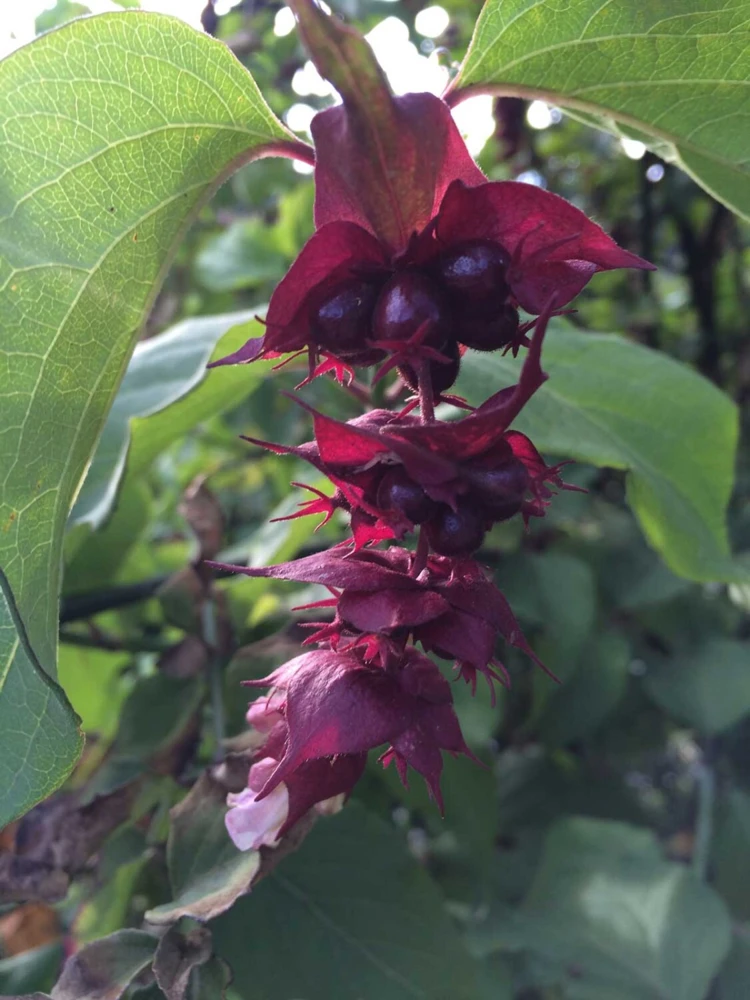
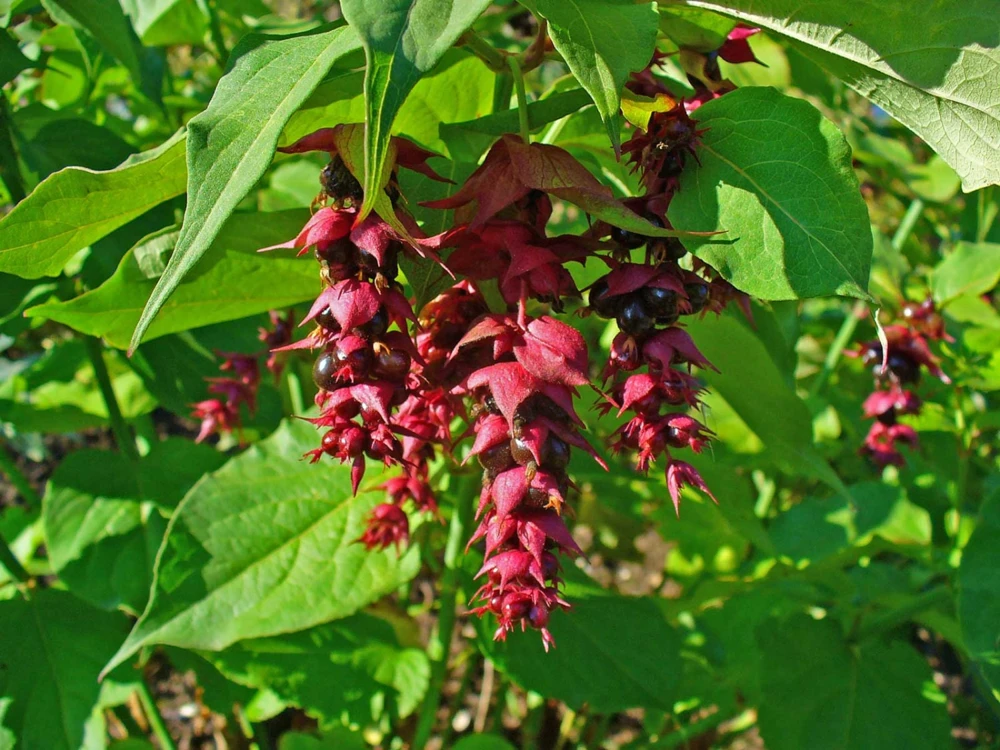
- Exceptional Ornamental Value: The Leycesteria Formosa shrub produces unique, chandelier-like blossoms that hang elegantly, adding a sophisticated and exotic touch to your garden design. These distinctive flowers provide visual interest throughout the summer.
- Attracts Beneficial Wildlife: A true magnet for nature, this plant is highly effective at attracting hummingbirds, bees, and butterflies, fostering a vibrant and active garden ecosystem. Growing Himalayan Honeysuckle seeds helps support local pollinators.
- Easy to Grow from Seed: These Leycesteria Formosa seeds are relatively straightforward to germinate and cultivate, making them suitable for both novice and experienced gardeners. Enjoy the satisfaction of watching your plant grow from scratch.
- Hardy and Resilient: Thriving in USDA Hardiness Zones 7 to 9, the Himalayan Honeysuckle is a robust shrub that can tolerate a range of conditions, ensuring a strong and healthy plant with minimal fuss.
- Historical Charm: Popular in Victorian-era shrubberies, this plant brings a touch of historical elegance and timeless appeal to modern gardens. It’s a classic choice for those who appreciate botanical heritage.
- Versatile Landscaping: Its potential height of 8 feet makes it an excellent choice for creating natural screens, backdrops, or as a focal point in mixed borders. You can easily grow Himalayan Honeysuckle to fit various landscape designs.
Plant Care & Growing Tips
Successfully cultivating Himalayan Honeysuckle seeds into thriving shrubs requires attention to a few key care aspects. This resilient plant is relatively low-maintenance, but understanding its preferences will ensure optimal growth and abundant flowering. When you grow Himalayan Honeysuckle, consider its need for adequate sunlight and well-draining soil. These Leycesteria Formosa seeds will develop into plants that prefer a location with full sun to partial shade, meaning they can tolerate a few hours of direct sunlight daily or dappled light throughout the day. In hotter climates, partial shade during the intense afternoon hours can be beneficial to prevent leaf scorch. Ensure the planting site offers good air circulation to deter fungal issues.
The Himalayan Honeysuckle thrives in well-draining soil. While not overly particular, a loamy soil enriched with organic matter is ideal. Avoid heavy clay soils that retain too much moisture, as this can lead to root rot. Once established, the plant is moderately drought-tolerant, but consistent moisture is crucial during its initial growth phases and during prolonged dry spells. Water deeply when the top inch or two of soil feels dry to the touch. Fertilization is generally not heavily required; a balanced, slow-release fertilizer applied in early spring can support vigorous growth. Pruning can be done in late winter or early spring to maintain shape, remove dead or weak stems, and encourage new growth. The plant is hardy in USDA Zones 7 to 9, meaning it can withstand winter temperatures down to 0°F (-18°C). Protecting young plants in the lower end of this range during their first winter can be beneficial. Watch out for common pests like aphids, which can usually be managed with organic insecticidal soaps. Understanding these care tips will help you successfully grow beautiful flowering nutmeg seeds.
Size & Details
The Himalayan Honeysuckle, grown from these 50 seeds, is a deciduous shrub that can reach a mature height of approximately 8 feet (2.4 meters) with a similar spread, creating a substantial presence in your garden. Its growth rate is moderate, allowing it to establish itself effectively within a few seasons. The plant produces distinctive, drooping flower clusters that resemble chandeliers, appearing from mid-summer and continuing into fall. These flowers are followed by attractive purple-red berries, which are highly appealing to birds. The seeds provided are for outdoor cultivation, suitable for planting in your garden or a large container. Expect the plant to begin flowering within 1-2 years from germination, depending on growing conditions. These pheasant berry seeds are an excellent choice for adding vertical interest and a touch of the exotic to your landscape.
Frequently Asked Questions
- Q: How big does this plant get? A: The Himalayan Honeysuckle shrub typically grows to about 8 feet tall and can have a similar spread, making it a medium to large-sized shrub suitable for various garden applications. Its mature size makes it a striking feature in any landscape.
- Q: Is this an indoor or outdoor plant? A: This plant is primarily an outdoor shrub. It thrives in garden settings where it has enough space to grow and receives appropriate sunlight. While young seedlings can be started indoors, the mature plant should be grown outside.
- Q: How much sunlight does it need? A: The Leycesteria Formosa seeds will grow into plants that prefer full sun to partial shade. This means it needs at least 4-6 hours of direct sunlight per day, or dappled light throughout the day for optimal growth and flowering.
- Q: Is this plant easy to care for? A: Yes, the Himalayan Honeysuckle is considered relatively easy to care for, especially once established. It’s a robust shrub that tolerates a range of conditions, making it suitable for gardeners of varying experience levels looking to grow Himalayan Honeysuckle.
- Q: What condition will the seeds arrive in? A: The product includes 50 seeds of Leycesteria Formosa, ready for planting. They will arrive in a sealed package designed to maintain their viability until you are ready to sow them.
- Q: How long until it blooms? A: Typically, the Himalayan Honeysuckle will begin to produce its distinctive chandelier-like blossoms within 1-2 years after planting the Himalayan Honeysuckle seeds, provided it receives proper care and growing conditions.
- Q: Will it survive winter in my zone? A: This shrub is hardy in USDA Hardiness Zones 7 to 9. If you are within these zones, your plant should survive winter outdoors with minimal protection. For zones at the colder end, mulching around the base can offer extra insulation.
- Q: What is the best time to plant these seeds? A: The ideal time to sow flowering nutmeg seeds is typically in early spring after the last frost, or in late summer to early fall. This allows the seedlings to establish themselves before extreme temperatures.
- Q: Can I use the berries from the pheasant berry seeds? A: While the berries of the Himalayan Honeysuckle are attractive to birds, they are generally not consumed by humans. The primary appeal of growing pheasant berry seeds is for its ornamental value and its ability to attract wildlife.
Be the first to review “Himalayan Honeysuckle Seeds – Leycesteria Formosa – 50 Seeds – Outdoor Shrub”
Related products


Shrub Seeds
Red Flowering Currant Seeds – Ribes Sanguineum Shrub Seeds – 25 Seeds – Attracts Hummingbirds


You May Like

How to Grow Passion Flower (Passiflora) for Tropical Blooms
Few climbing vines in the home garden command attention quite like the exotic Passion Flower (Passiflora). [...]
Nov

Thanksgiving Cactus Care: How to Get Thanksgiving Cactus to Bloom
Is your Thanksgiving cactus growing well but not giving you any flowers? Maybe it looked [...]
Nov

How to Grow Garlic for a Bountiful Home Harvest
Garlic (Allium sativum) is one of the most satisfying, low-maintenance, and flavor-packed crops you can [...]
Oct

Hardneck vs. Softneck Garlic: Which Should You Grow?
Have you ever stood in front of a seed catalog in mid-September, staring at dozens [...]
1 Comment
Oct

When to Plant Music Garlic: Ultimate US Fall Guide
Have you ever spent your fall weekend placing carefully chosen garlic cloves into rich, dark [...]
1 Comment
Oct

5 Best Bulbs for Fall Planting: Brighten Your Garden This Spring
Are you dreaming of a garden full of vibrant colors in the spring? The key [...]
Aug

10 Houseplants That Will Thrive in Your Kitchen
Are you tired of your kitchen feeling dull and lifeless? Want to add a little [...]
1 Comment
Aug
Reviews
There are no reviews yet.