
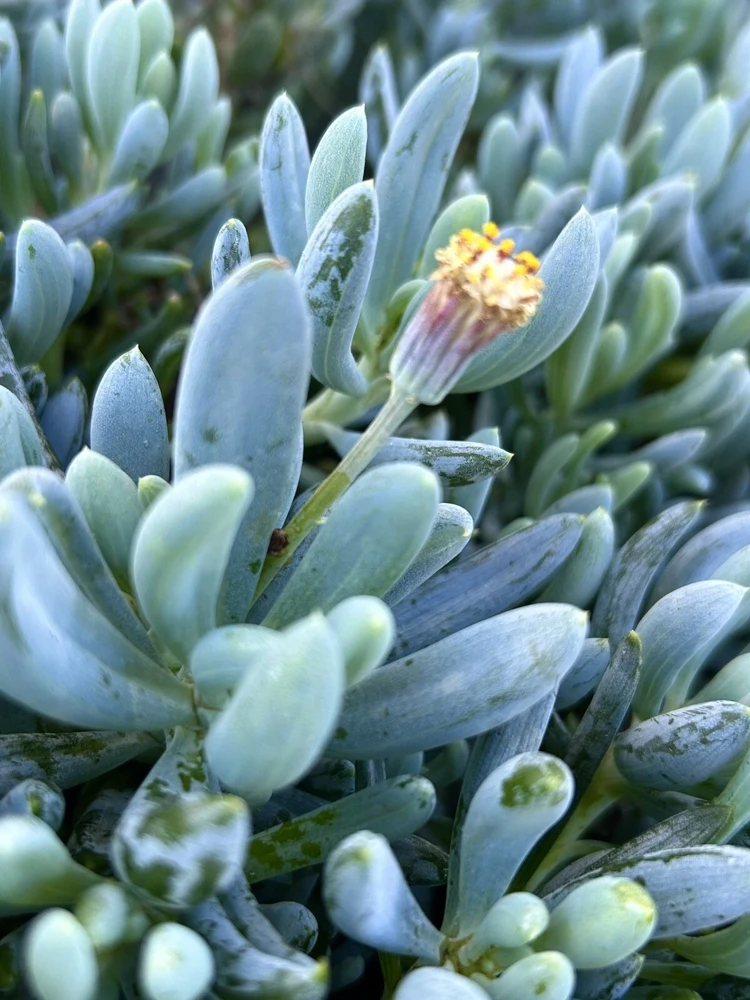
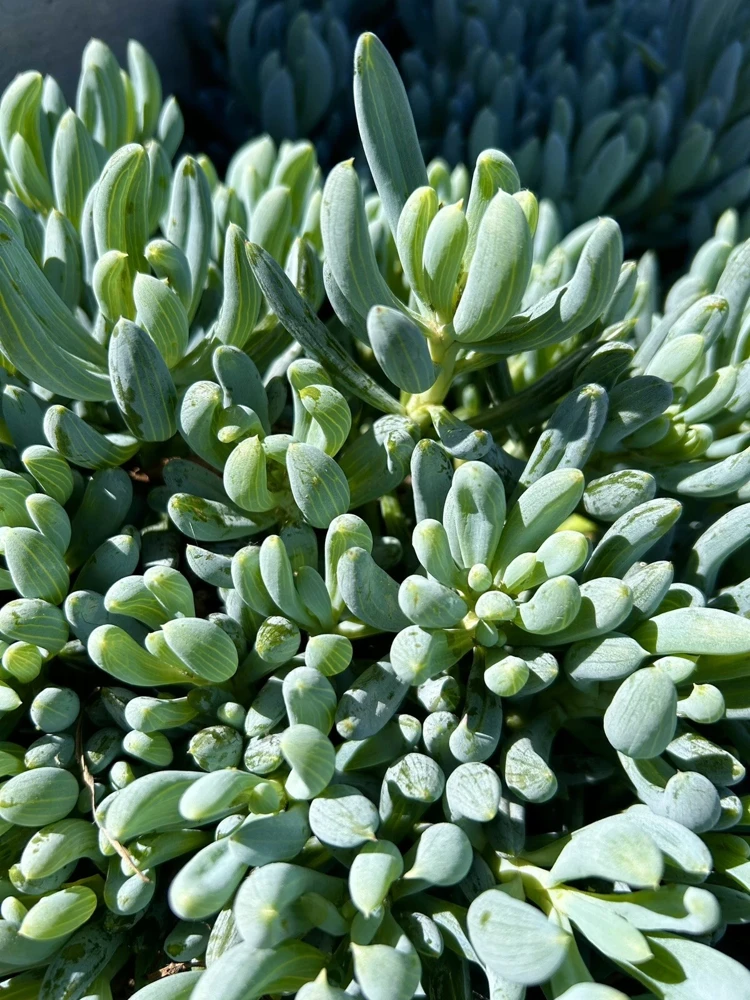
Blue Chalk Sticks Seeds – Senecio Serpens Succulent Seeds – 100 Seeds – Indoor/Outdoor
Original price was: 19.98 $.15.99 $Current price is: 15.99 $.
Cultivate stunning Blue Chalk Sticks from these 100 Senecio Serpens seeds. Ideal for creating unique, water-wise gardens or adding architectural interest to containers, these succulent seeds are perfect for both indoor and outdoor growing.
Estimated arrival
Nov 27
Dec 02 - Dec 04
Dec 04 - Dec 09
See our Shipping Policy.
Get in touch with us via email, and our team will review your concerns.
Our Alive & Thrive Guarantee covers issues with your plants within the first 30 days. Read our Refund & Returns Policy.
-
USDA Hardiness Zone
USDA zones 9-11 (outdoors); adaptable indoors -
Soil Type
Chalky, well-draining succulent or cactus mix -
Sunlight Exposure
Full Sun to Medium Sun -
Expected Planting Period
Spring to Early Summer (or year-round indoors)
Overview
Embark on a rewarding gardening journey with blue chalk sticks seeds, scientifically known as Curio repens (formerly Senecio serpens). These unique succulent seeds promise to transform your garden or indoor space into a captivating display of frosty blue-green foliage. Originating from South Africa, blue chalk sticks are renowned for their striking, finger-like leaves that are covered in a powdery, waxy coating, giving them their characteristic blue-chalk appearance. Easy to grow from seed, this mat-forming succulent is an excellent choice for groundcovers, rock gardens, or as a distinctive container plant. Whether you’re an experienced succulent enthusiast or a budding gardener, these Senecio Serpens seeds offer an exciting opportunity to cultivate a truly remarkable plant.
The blue chalk sticks plant is a versatile and visually appealing succulent, making it a popular choice for various landscaping and decorative purposes. Its ability to thrive in diverse conditions, coupled with its low-maintenance nature, makes it a favorite among gardeners seeking both beauty and resilience. Growing blue chalk sticks seeds allows you to witness the plant’s full life cycle, from tiny seedling to a mature, robust specimen. This particular offering includes 100 seeds, providing ample opportunity to establish a beautiful patch of this distinctive succulent.
Key Benefits
Growing blue chalk sticks seeds offers numerous advantages for both aesthetic appeal and ease of care. These succulents are celebrated for their unique beauty and adaptability.
- Stunning Visual Appeal: The vibrant blue-green, cylindrical leaves create a unique texture and color contrast in any garden or container arrangement. They add a cool, calming aesthetic that complements a variety of planting schemes.
- Drought-Tolerant & Water-Wise: Once established, blue chalk sticks require minimal watering, making them an excellent choice for xeriscaping and sustainable gardening practices. They are perfect for regions with water restrictions.
- Low Maintenance: These succulents are incredibly forgiving and require little fuss. They are ideal for busy gardeners or those new to succulent cultivation, offering maximum impact with minimal effort.
- Versatile Landscaping Plant: Whether used as a groundcover, in rock gardens, along borders, or in decorative pots, blue chalk sticks adapt beautifully to various settings, enhancing curb appeal and garden design.
- Container Gardening Excellence: Their distinctive form makes them superb candidates for container gardens, where their blue foliage can stand out against other plants or pots. They thrive in well-draining pots both indoors and outdoors.
- Year-Round Interest: As an evergreen perennial, blue chalk sticks maintain their attractive foliage throughout all seasons, providing continuous visual interest in your garden, even during winter.
- Easy to Propagate: While starting from Senecio Serpens seeds is rewarding, mature plants are also easy to propagate from cuttings, allowing you to expand your collection effortlessly.
Plant Care & Growing Tips
Cultivating blue chalk sticks from seed is a straightforward process, and with the right care, these succulents will flourish. Start by sowing your blue chalk sticks seeds in a well-draining seed-starting mix. Lightly cover the seeds or press them gently onto the surface, as some succulent seeds require light for germination. Maintain consistent moisture with a fine mist sprayer until germination occurs, which can take several weeks.
Once seedlings emerge, gradually introduce them to more light. Blue chalk sticks thrive in full sun to medium sun exposure, requiring at least 6 hours of direct sunlight per day to maintain their vibrant blue color and compact growth. If growing indoors, place them in a south-facing window or under bright grow lights. The ideal soil type is a chalky, well-draining succulent or cactus mix. Avoid heavy, water-retentive soils, as this can lead to root rot. They are highly adaptable to various climates, preferring warm, dry conditions, but can tolerate some cold, especially if the soil remains dry. They are generally hardy in USDA zones 9-11 outdoors, but can be grown as annuals or overwintered indoors in colder regions.
Watering should be light and infrequent. Allow the soil to dry out completely between waterings to prevent overhydration. During the dormant winter months, reduce watering even further. Fertilize sparingly, if at all, using a diluted succulent fertilizer during the growing season (spring and summer). Common problems include overwatering, which causes rot, and insufficient light, leading to leggy growth. Ensure good air circulation and monitor for pests, though blue chalk sticks are generally pest-resistant. Understanding proper blue chalksticks care is key to a healthy and thriving plant.
Size & Details
These blue chalk sticks seeds will grow into mature plants that typically reach a height of 1-2 feet and spread up to 2-3 feet, creating an attractive mat-forming groundcover. The growth habit is mat-forming, with individual stems growing upward before trailing along the ground. The cylindrical leaves are a striking green-blue color, covered in a powdery bloom. As perennial succulents, they offer year-round interest and are evergreen. The seeds are fresh for the 2025 growing season, ensuring good germination rates. When grown from seed, expect to see initial growth within a few weeks, with the plant reaching a noticeable size within a year. These plants are known for their moderate growth rate, establishing well over time to form dense coverage. They are shipped as 100 high-quality seeds, ready for planting.
Frequently Asked Questions
- Q: How big do blue chalk sticks get? A: Mature blue chalk sticks typically grow to be about 1-2 feet tall and can spread up to 2-3 feet wide, forming an attractive groundcover or spilling over the edges of containers. Their mat-forming habit allows them to cover a significant area.
- Q: Is this an indoor or outdoor plant? A: Blue chalk sticks are versatile and can be grown both indoors and outdoors. They thrive outdoors in warm, dry climates (USDA zones 9-11) and make excellent houseplants in cooler regions, provided they receive ample sunlight.
- Q: How much sunlight do blue chalk sticks need? A: For optimal growth and color, blue chalk sticks require full sun, meaning at least 6 hours of direct sunlight per day. They can tolerate medium sun, but intense light brings out their best blue coloration.
- Q: Are these blue chalk sticks seeds easy to care for? A: Yes, blue chalk sticks seeds are relatively easy to germinate and the resulting plants are very low-maintenance. Their drought tolerance and minimal care requirements make them suitable for beginners and experienced gardeners alike, especially when following basic blue chalksticks care guidelines.
- Q: What condition will the seeds arrive in? A: Your order will contain 100 fresh Senecio Serpens seeds for the 2025 growing season, carefully packaged to ensure their viability upon arrival. They are ready for immediate planting.
- Q: When is the best time to plant blue chalk sticks seeds? A: The best time to sow blue chalk sticks seeds is typically in spring or early summer, when temperatures are consistently warm. If starting indoors, seeds can be sown earlier in the season under controlled conditions.
- Q: What type of soil is best for growing blue chalk sticks? A: Blue chalk sticks prefer a well-draining, gritty soil mix, similar to what’s used for cacti and other succulents. A chalky soil type is ideal, ensuring excellent drainage to prevent root rot.
- Q: Are blue chalk sticks drought tolerant plants? A: Absolutely! Blue chalk sticks are highly drought-tolerant once established, making them perfect for xeriscaping and water-wise gardens. They store water in their fleshy leaves and require infrequent watering.
- Q: Can I grow blue chalk sticks in containers? A: Yes, blue chalk sticks are excellent for container gardening. Their unique form and color make them a striking focal point or a complementary element in mixed succulent arrangements. Just ensure the container has good drainage.
- Q: What are some common names for Senecio Serpens? A: The most common names for Curio repens are Blue Chalk Sticks or Blue Chalkfingers, reflecting their distinct blue, finger-like foliage.
Be the first to review “Blue Chalk Sticks Seeds – Senecio Serpens Succulent Seeds – 100 Seeds – Indoor/Outdoor”
Related products


Succulents
Sedum Voodoo Live Plant – Dark Purple Red Stonecrop Succulents – 6 Pack 2 Inch Pots – Outdoor


You May Like

How to Grow Passion Flower (Passiflora) for Tropical Blooms
Few climbing vines in the home garden command attention quite like the exotic Passion Flower (Passiflora). [...]
Nov

Thanksgiving Cactus Care: How to Get Thanksgiving Cactus to Bloom
Is your Thanksgiving cactus growing well but not giving you any flowers? Maybe it looked [...]
Nov

How to Grow Garlic for a Bountiful Home Harvest
Garlic (Allium sativum) is one of the most satisfying, low-maintenance, and flavor-packed crops you can [...]
Oct

Hardneck vs. Softneck Garlic: Which Should You Grow?
Have you ever stood in front of a seed catalog in mid-September, staring at dozens [...]
1 Comment
Oct

When to Plant Music Garlic: Ultimate US Fall Guide
Have you ever spent your fall weekend placing carefully chosen garlic cloves into rich, dark [...]
1 Comment
Oct

5 Best Bulbs for Fall Planting: Brighten Your Garden This Spring
Are you dreaming of a garden full of vibrant colors in the spring? The key [...]
Aug

10 Houseplants That Will Thrive in Your Kitchen
Are you tired of your kitchen feeling dull and lifeless? Want to add a little [...]
1 Comment
Aug
Reviews
There are no reviews yet.