
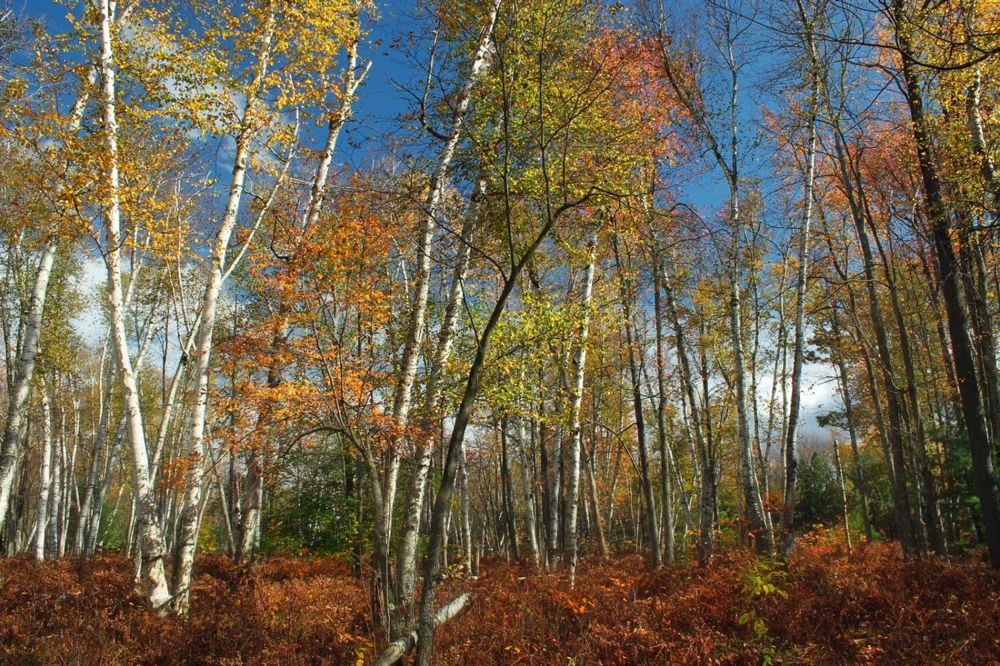
White Paper Birch Tree Seeds – 100 Count, Betula papyrifera, Outdoor
Original price was: 42.91 $.13.91 $Current price is: 13.91 $.
Cultivate the iconic white paper birch seeds with this pack of 100 high-quality Betula papyrifera seeds. Ideal for landscaping, these trees feature striking peeling bark and support diverse wildlife. Perfect for USDA Zones 2-9.
Estimated arrival
Nov 26
Dec 01 - Dec 03
Dec 03 - Dec 08
See our Shipping Policy.
Get in touch with us via email, and our team will review your concerns.
Our Alive & Thrive Guarantee covers issues with your plants within the first 30 days. Read our Refund & Returns Policy.
-
USDA Hardiness Zone
2 to 9 -
Soil Type
Moist, well-draining, slightly acidic to neutral soil -
Sunlight Exposure
Full sun to partial shade -
Expected Planting Period
Early spring after stratification
Overview
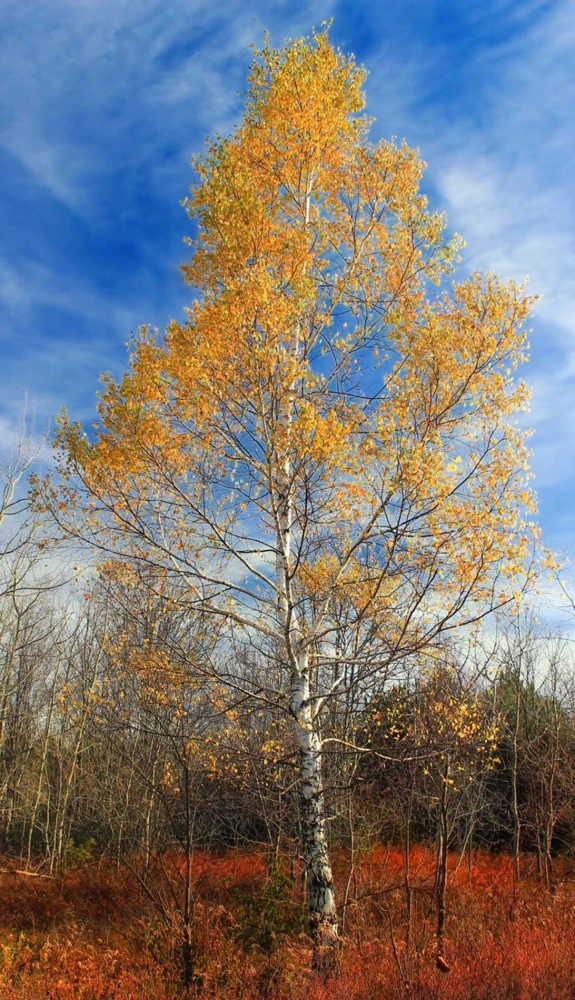
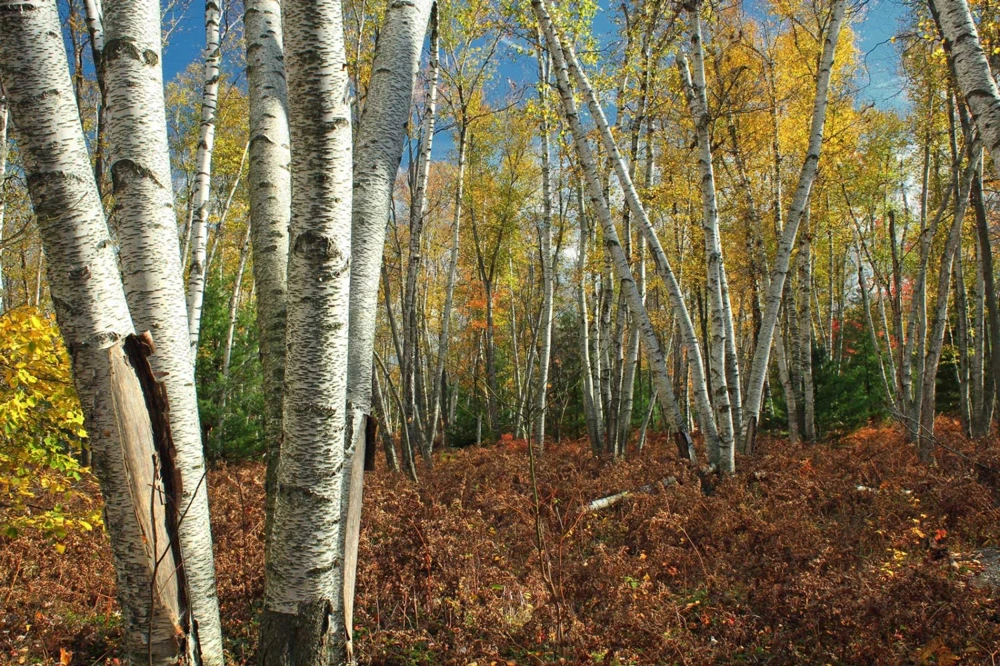
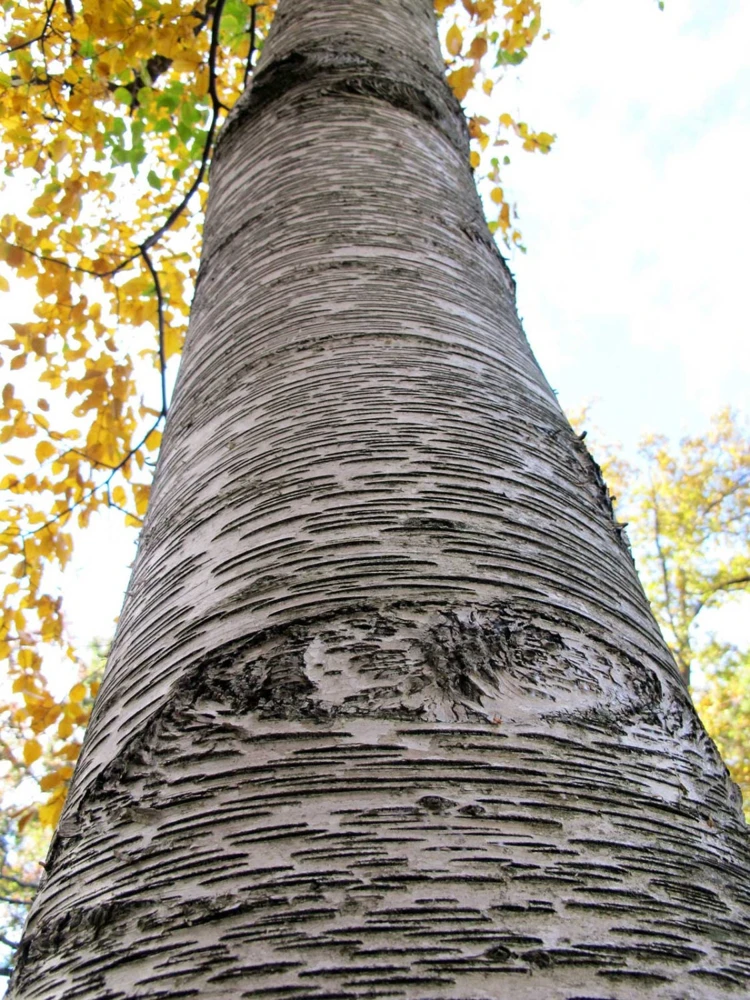
Embark on the rewarding journey of growing your own majestic trees with our premium white paper birch seeds. This offering provides 100 seeds of Betula papyrifera, commonly known as White Birch, Paper Birch, American White Birch, or Canoe Birch. Renowned for its distinctive, exfoliating white bark that peels away in papery strips, this tree adds unparalleled beauty and character to any landscape. The paper birch tree seeds allow you to cultivate a hardy, deciduous tree that thrives in a wide range of climates, making it a versatile choice for gardeners across the United States. Beyond its aesthetic appeal, the White Paper Birch plays a vital ecological role, serving as a significant host plant for numerous native moth and butterfly species, enriching your garden’s biodiversity.
Growing betula papyrifera seeds offers a sustainable and cost-effective way to establish these magnificent trees. Once mature, these trees can reach impressive heights, providing shade, visual interest, and a natural habitat for various creatures. Whether you’re looking to create a woodland garden, add a specimen tree, or contribute to local ecosystem health, these seeds provide the foundation for a thriving, beautiful landscape. Their adaptability to different light conditions, from full sun to partial shade, further enhances their appeal, allowing for flexible placement within your garden design.
Key Benefits
Cultivating white paper birch seeds brings a multitude of advantages to your garden and local environment:
-
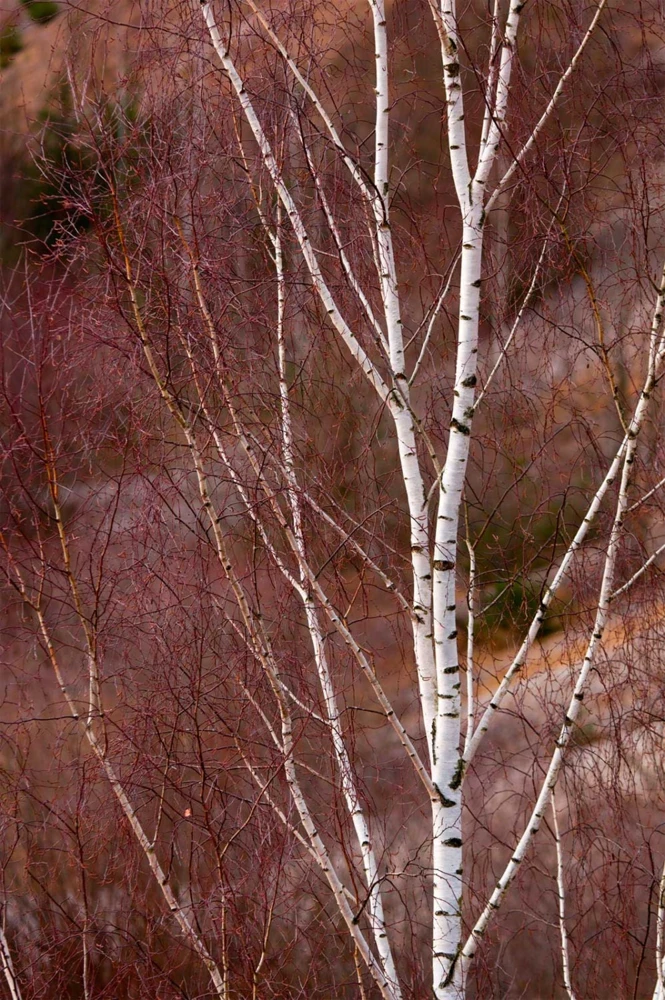
Distinctive Aesthetic Appeal: The most striking feature of the White Paper Birch is its brilliant white, exfoliating bark. This unique characteristic provides year-round visual interest, especially in winter when the bark stands out against a snowy backdrop or evergreen foliage. Its elegant form and delicate branching structure create a captivating focal point.
-
Ecological Support: This tree is a critical larval host plant for a variety of beautiful moths and butterflies, including the Luna moth, Early Juniper Carpet Moth, Columbia Silkmoth, Compton Tortoiseshell, Canadian Tiger Swallowtail, and Mourning Cloak butterflies. Planting canoe birch seeds directly contributes to supporting these important pollinators and insects.
-
Hardy & Adaptable: White Paper Birch is incredibly resilient, thriving in USDA Hardiness Zones 2 to 9. This wide range indicates its ability to withstand cold winters and adapt to various climatic conditions, making it suitable for many regions across the US. It tolerates both full sun and partial shade, offering flexibility in planting location.
-
Fast Growth Rate: Compared to many other tree species, the White Paper Birch has a relatively fast growth rate, allowing you to enjoy its mature beauty sooner. This makes it an excellent choice for new landscapes or for quickly establishing shade and vertical interest.
-
Erosion Control: Its extensive root system can help stabilize soil, making it beneficial for erosion control on slopes or along waterways. This natural function adds another layer of utility to its already impressive list of benefits.
-
Seasonal Interest: Beyond its iconic bark, the White Paper Birch offers lovely yellow fall foliage, adding vibrant color to your autumn landscape. Its catkins in spring also provide subtle interest, contributing to its multi-seasonal appeal.
Plant Care & Growing Tips
Successfully growing white paper birch seeds requires attention to specific conditions, especially during germination and early establishment. Stratification is crucial for these seeds to break dormancy. You will need to cold stratify the seeds for 60-90 days before planting. This can be done by mixing the seeds with moist sand or peat moss, placing them in a sealed plastic bag, and refrigerating them at 35-40°F (1-4°C). After stratification, sow the seeds thinly on the surface of a well-draining seed-starting mix, gently pressing them into the soil without covering them, as they require light to germinate. Keep the soil consistently moist but not waterlogged, and maintain a temperature of around 65-75°F (18-24°C).
Once seedlings emerge, ensure they receive ample light, either from a bright window or under grow lights. As they grow, gradually acclimate them to outdoor conditions before transplanting. For mature trees, the White Paper Birch prefers full sun to partial shade, ideally receiving at least 6 hours of direct sunlight per day. It thrives in moist, well-draining, slightly acidic to neutral soil. While established trees are somewhat drought-tolerant, consistent moisture is vital, especially during dry periods and for young trees. Fertilize annually in spring with a balanced, slow-release fertilizer formulated for trees and shrubs. Proper care will ensure your paper birch tree seeds develop into strong, healthy specimens.
The canoe birch seeds will grow into trees that are generally low-maintenance once established, but watch out for common birch pests like the bronze birch borer, especially in stressed trees. Ensuring adequate water and avoiding planting in overly hot, dry sites can help prevent infestations. Pruning should be done in late summer or early fall to avoid excessive sap bleeding, which can occur if pruned in spring. Remove any dead, damaged, or crossing branches to maintain tree health and structure. These trees are hardy in USDA Zones 2-9, making them a robust choice for various climates.
Size & Details
This product includes 100 White Paper Birch Tree Seeds (Betula papyrifera). These seeds are ready for stratification and planting to grow into mature trees. When fully grown, the White Paper Birch typically reaches a height of 50-70 feet (15-21 meters) with a spread of 30-50 feet (9-15 meters), forming an attractive pyramidal to oval crown. The growth rate is moderate to fast, often adding 12-24 inches per year under ideal conditions. The seeds will arrive in a protective packet, ensuring their viability for planting. Expect germination to begin several weeks after stratification and proper planting, with seedlings ready for transplanting after they have developed a few sets of true leaves.
The mature trees are known for their distinctive white bark that peels off in papery layers, revealing a salmon-colored inner bark. This characteristic bark develops as the tree matures, typically after several years of growth. The leaves are oval-shaped with serrated edges, turning a beautiful yellow in the fall. The tree produces both male and female catkins in spring. Planting these betula papyrifera seeds offers a long-term investment in your landscape, providing beauty and ecological benefits for decades to come.
Frequently Asked Questions
-
Q: How big does a White Paper Birch tree get? A: A mature White Paper Birch typically reaches a height of 50-70 feet (15-21 meters) with a spread of 30-50 feet (9-15 meters). Its size makes it an excellent choice for larger landscapes where it can be appreciated.
-
Q: What is the best way to germinate these white paper birch seeds? A: The seeds require a cold stratification period of 60-90 days. After stratification, sow them on the surface of moist seed-starting mix, as they need light to germinate. Keep the soil consistently moist until sprouts appear.
-
Q: Is this an indoor or outdoor plant? A: The White Paper Birch is an outdoor tree. While seedlings can be started indoors, they should be transplanted outdoors once established and after the danger of frost has passed. It is not suitable as a long-term indoor houseplant.
-
Q: How much sunlight does a White Paper Birch need? A: This tree thrives in full sun to partial shade, meaning it prefers at least 6 hours of direct sunlight daily. It can tolerate some afternoon shade, especially in hotter climates, but growth may be less vigorous.
-
Q: Is this tree easy to care for? A: Once established, the White Paper Birch is relatively low-maintenance. However, proper care during germination and the first few years of growth is crucial. Ensuring adequate water and suitable soil conditions will help your canoe birch seeds grow into healthy trees.
-
Q: What condition will the seeds arrive in? A: The paper birch tree seeds will arrive in a protective packet, carefully packaged to ensure their viability and safe delivery. They are ready for immediate stratification and planting upon arrival.
-
Q: When is the best time to plant White Paper Birch seeds? A: After the required cold stratification, the best time to plant the seeds outdoors or transplant seedlings is in early spring, once the last threat of frost has passed. This allows the young trees to establish themselves during the growing season.
-
Q: What USDA Hardiness Zones are suitable for White Paper Birch? A: The White Paper Birch is very hardy and can thrive in USDA Hardiness Zones 2 to 9, making it adaptable to a wide range of climates across North America.
-
Q: What kind of soil does White Paper Birch prefer? A: This tree prefers moist, well-draining, slightly acidic to neutral soil. It can tolerate a range of soil types but performs best in loamy or sandy loamy soils with good organic content.
-
Q: Will planting these betula papyrifera seeds attract wildlife? A: Yes, absolutely! The White Paper Birch is a fantastic host plant for numerous native moth and butterfly larvae, including several prominent species. It contributes significantly to local biodiversity and supports the food chain.
Be the first to review “White Paper Birch Tree Seeds – 100 Count, Betula papyrifera, Outdoor”
Related products


You May Like

How to Grow Passion Flower (Passiflora) for Tropical Blooms
Few climbing vines in the home garden command attention quite like the exotic Passion Flower (Passiflora). [...]
Nov

Thanksgiving Cactus Care: How to Get Thanksgiving Cactus to Bloom
Is your Thanksgiving cactus growing well but not giving you any flowers? Maybe it looked [...]
Nov

How to Grow Garlic for a Bountiful Home Harvest
Garlic (Allium sativum) is one of the most satisfying, low-maintenance, and flavor-packed crops you can [...]
Oct

Hardneck vs. Softneck Garlic: Which Should You Grow?
Have you ever stood in front of a seed catalog in mid-September, staring at dozens [...]
1 Comment
Oct

When to Plant Music Garlic: Ultimate US Fall Guide
Have you ever spent your fall weekend placing carefully chosen garlic cloves into rich, dark [...]
1 Comment
Oct

5 Best Bulbs for Fall Planting: Brighten Your Garden This Spring
Are you dreaming of a garden full of vibrant colors in the spring? The key [...]
Aug

10 Houseplants That Will Thrive in Your Kitchen
Are you tired of your kitchen feeling dull and lifeless? Want to add a little [...]
1 Comment
Aug
Reviews
There are no reviews yet.