
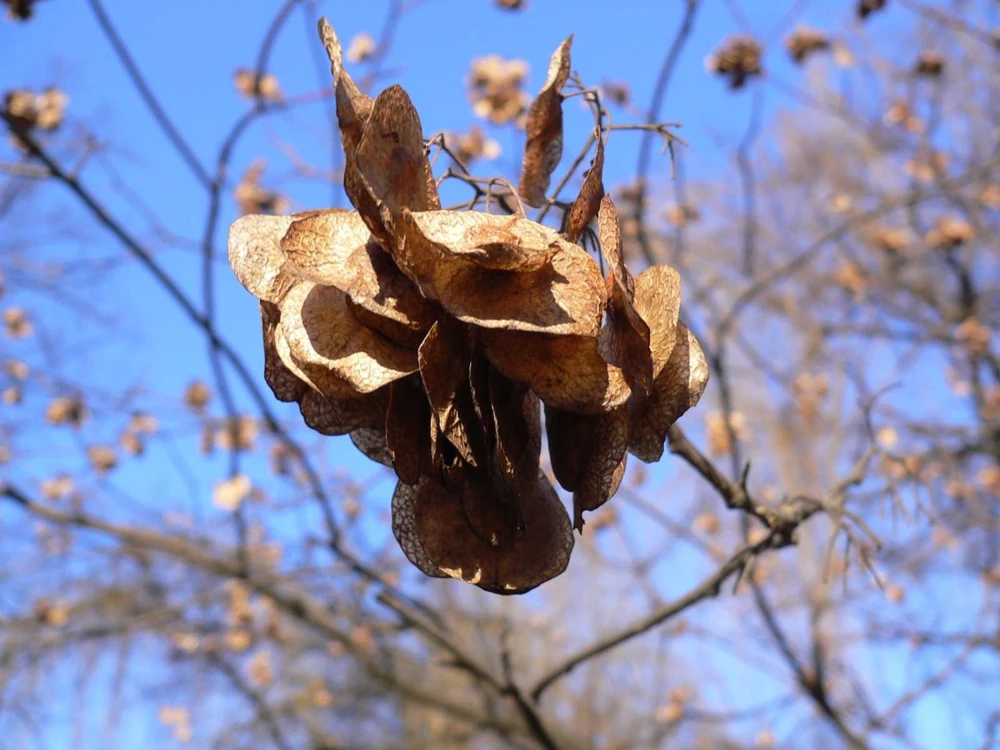
Ptelea trifoliata Hoptree Seeds – Wafer Ash, Stinking Ash – 20 Seed Pack
Original price was: 48.91 $.19.91 $Current price is: 19.91 $.
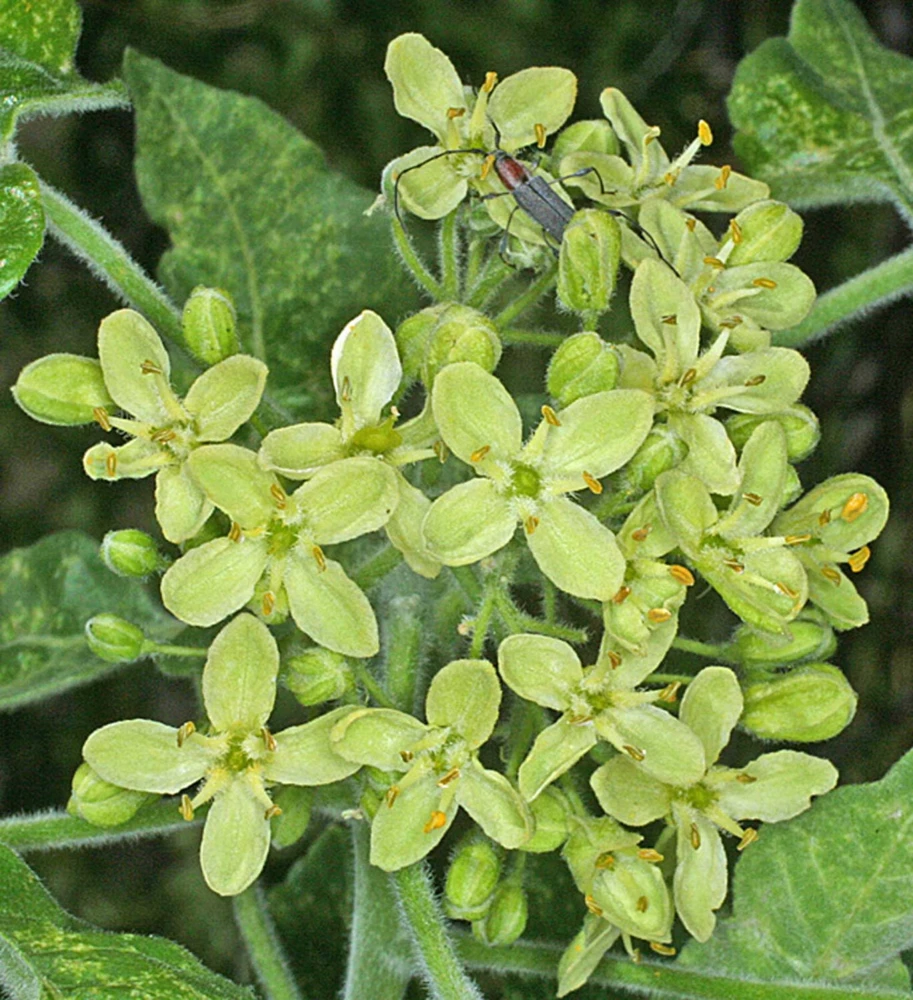
Cultivate the beautiful Ptelea trifoliata seeds, commonly known as Hoptree seeds or Wafer Ash. These versatile seeds grow into a shrub or small tree, ideal for attracting butterflies as a larval host plant in USDA Zones 5-9. Enjoy its green blossoms and support local wildlife.
Estimated arrival
Nov 27
Dec 02 - Dec 04
Dec 04 - Dec 09
See our Shipping Policy.
Get in touch with us via email, and our team will review your concerns.
Our Alive & Thrive Guarantee covers issues with your plants within the first 30 days. Read our Refund & Returns Policy.
-
USDA Hardiness Zone
5-9 -
Soil Type
Well-draining, loamy soil -
Sunlight Exposure
Light shade to full sun -
Expected Planting Period
Fall (direct sow) or late winter (indoors)
Overview
Discover the unique charm of Ptelea trifoliata seeds, an excellent choice for any gardener looking to enhance their outdoor space with native flora. Also known as Hoptree, Stinking Ash, or Wafer Ash, this deciduous plant offers both ecological benefits and aesthetic appeal. These seeds will grow into a versatile plant that can be cultivated as either a shrub or a small tree, making it adaptable to various garden designs. The Ptelea trifoliata seeds are especially prized for their role in supporting local ecosystems, serving as a crucial larval host plant for several magnificent swallowtail butterflies, including the Schaus, Thoas, and Giant Swallowtails. Planting these seeds contributes directly to butterfly conservation efforts, providing a vital food source for their caterpillars. With its pleasant green blossoms in mid-summer, the Hoptree adds subtle beauty to any landscape, thriving in conditions from partial shade to full sun. It’s a robust and rewarding plant for enthusiasts of all skill levels.
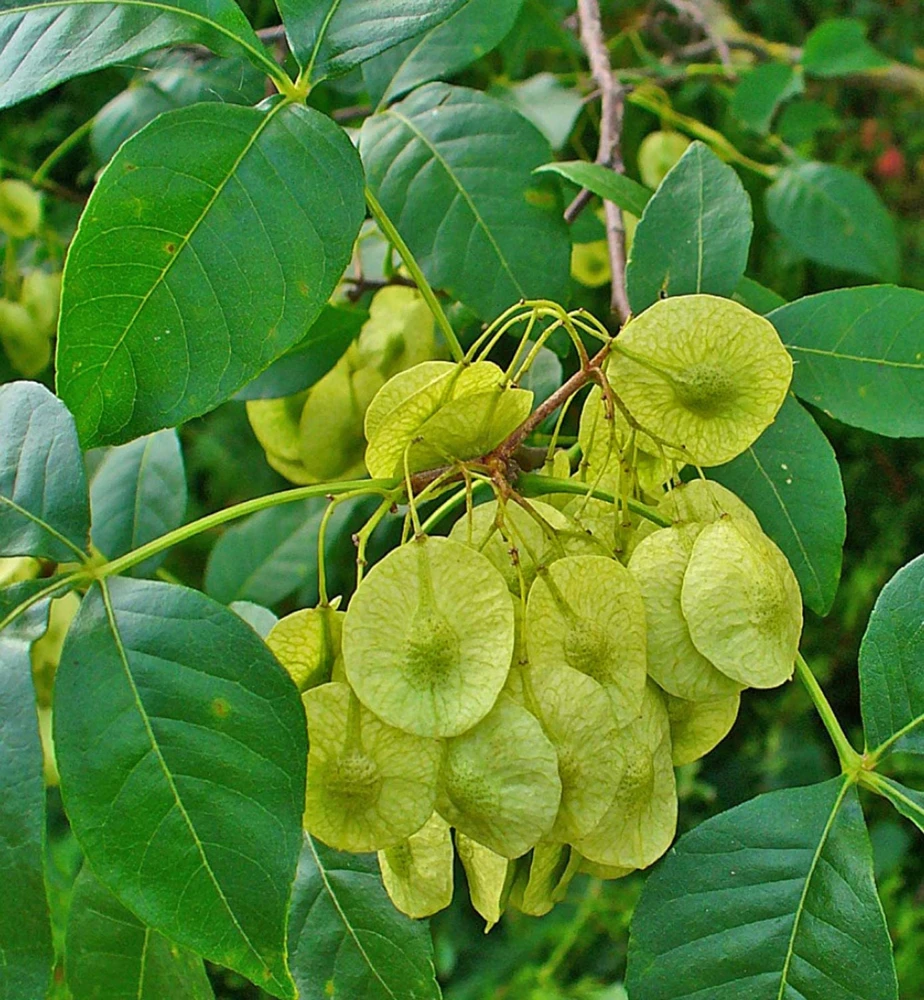
The Hoptree is native to North America and is admired for its distinctive three-parted leaves and unique, hop-like seed capsules, from which it derives one of its common names. These Hoptree seeds are a fantastic way to introduce a piece of natural heritage into your garden. Beyond its ecological value, the plant offers a pleasant aroma, especially when its leaves are bruised, leading to another of its common names, Stinking Ash. Despite this name, the fragrance is generally considered mild and distinctive. Growing Ptelea trifoliata seeds is an engaging project that yields a resilient and beautiful addition to your garden, enriching the environment for both humans and wildlife.
Key Benefits
Integrating Ptelea trifoliata seeds into your garden brings a multitude of advantages, enhancing both its beauty and biodiversity. This plant is a true asset for ecological gardening, offering significant benefits to local wildlife.
- Exceptional Butterfly Host Plant: The Hoptree is a vital larval host plant for several swallowtail butterfly species, including the Schaus, Thoas, and Giant Swallowtails. By planting these Hoptree seeds, you directly support the life cycle of these beautiful pollinators, ensuring a thriving butterfly population in your garden.
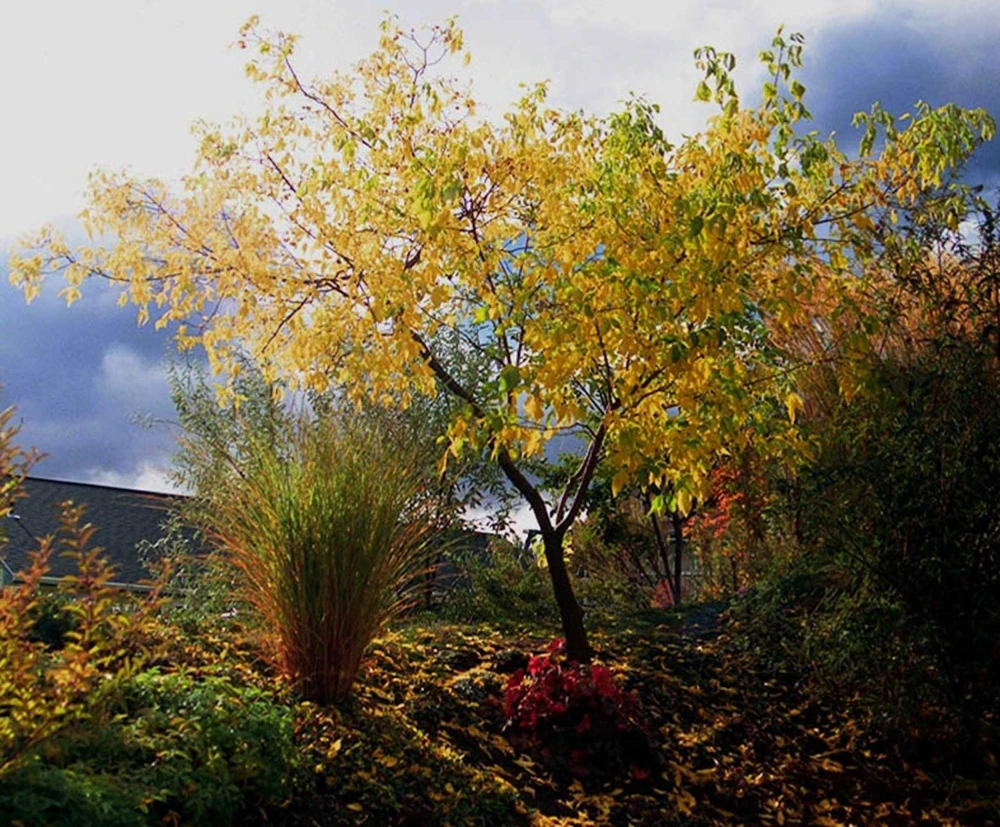
- Versatile Growth Habit: Depending on your gardening goals, the Ptelea trifoliata can be trained as either a multi-stemmed shrub or a small, attractive tree. This flexibility allows it to fit seamlessly into various landscape designs, from understory planting to a standalone specimen.
- Attractive Green Blossoms: In the middle of summer, the Hoptree produces clusters of subtle yet charming greenish-white flowers. These blossoms add a delicate touch to the garden and are often fragrant, attracting beneficial insects.
- Adaptable to Light Conditions: This plant thrives in a range of light conditions, from light shade to full sun, making it suitable for different areas of your garden where other plants might struggle.
- Drought Tolerance: Once established, the Ptelea trifoliata exhibits good drought tolerance, reducing the need for frequent watering and making it a low-maintenance choice for sustainable landscaping.
- Hardy and Resilient: With a USDA Hardiness Zone rating of 5 to 9, the Hoptree is well-suited for a wide range of climates across the United States, tolerating cold winters and warm summers.
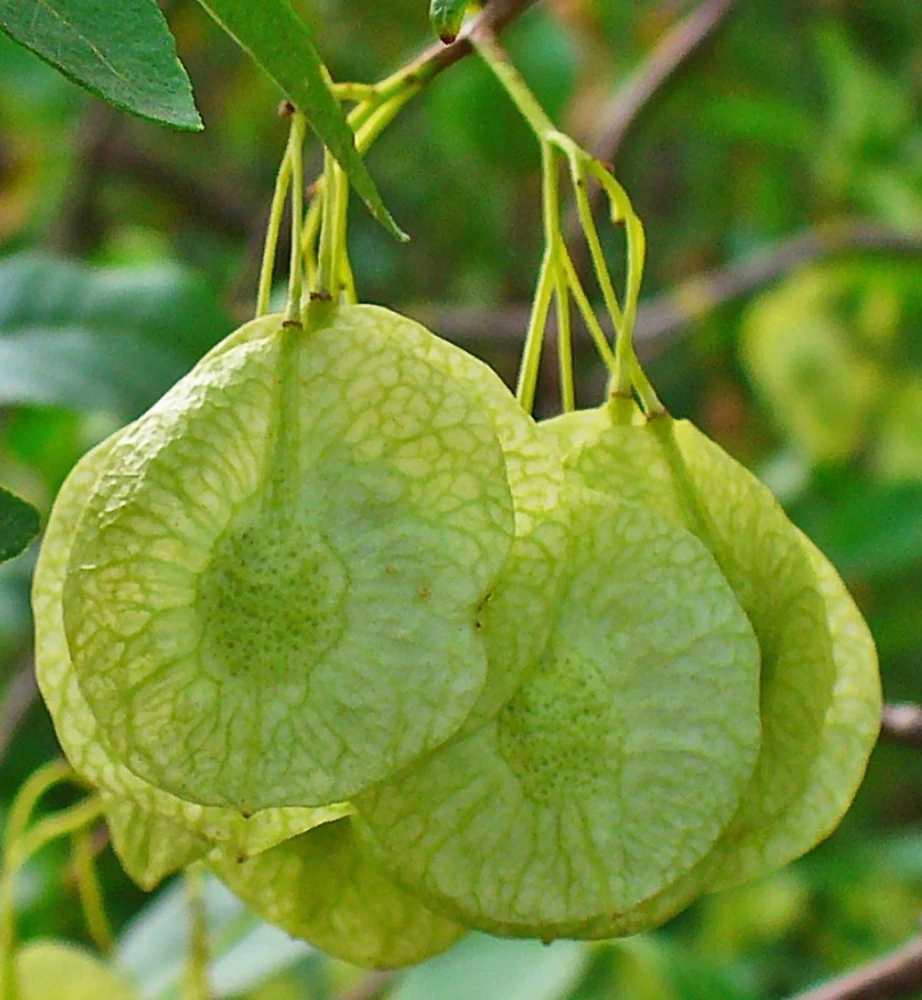
- Unique Seed Pods: After flowering, the plant develops distinctive, wafer-like seed capsules that persist into the fall and winter, providing continued visual interest and earning it the name Wafer Ash seeds.
Plant Care & Growing Tips
Growing Ptelea trifoliata seeds into a healthy, thriving plant is a rewarding experience. These plants are relatively low-maintenance once established, but proper initial care will ensure robust growth. For sunlight, the Hoptree prefers light shade to full sun. In hotter climates, some afternoon shade can be beneficial to prevent leaf scorch, while in cooler regions, full sun encourages denser growth and more abundant flowering. When it comes to watering, young plants require consistent moisture to establish a strong root system. Once mature, the Hoptree is quite drought-tolerant, but it will benefit from occasional deep watering during prolonged dry spells. Avoid overwatering, as this can lead to root rot. The ideal soil type for Ptelea trifoliata seeds is well-draining, loamy soil. It can tolerate a range of soil pH, from slightly acidic to slightly alkaline, but prefers neutral conditions. Amending heavy clay soils with organic matter can improve drainage, while sandy soils can be improved by adding compost to retain moisture.
For temperature, the Hoptree is hardy in USDA Zones 5 to 9, meaning it can withstand winter temperatures down to -20°F (-29°C). This wide range makes it suitable for many regions. Fertilization is generally not heavily required for established Hoptrees. If growth appears slow or the soil is particularly poor, a balanced, slow-release granular fertilizer applied in early spring can be beneficial. Follow package instructions carefully to avoid over-fertilization. Pruning can be done to shape the plant, remove dead or damaged branches, or to encourage a more tree-like form by removing lower limbs. The best time to prune is in late winter or early spring before new growth begins. Common problems are few for this resilient plant, but watch for general garden pests like aphids, which can usually be managed with organic insecticidal soaps. Ensuring good air circulation and proper light conditions will help prevent most fungal issues. By providing these basic care requirements, your Wafer Ash seeds will flourish into a beautiful and ecologically valuable garden feature.
Size & Details
When grown from Ptelea trifoliata seeds, the Hoptree typically matures into a large shrub or small tree, reaching heights of 15 to 20 feet with a spread of 10 to 15 feet. Its growth rate is moderate, allowing it to establish itself within a few years. These 20_Seeds will arrive as a carefully packaged seed packet, ready for planting. The plant forms an upright, rounded canopy, providing excellent shade and habitat. The unique wafer-like seed pods develop in late summer and can persist through winter, adding seasonal interest. Expected time to maturity for significant height and flowering is typically 3-5 years, with initial growth focused on root development. The Hoptree’s adaptability to various conditions and its role as a butterfly garden seeds favorite make it a versatile choice. The seeds are best started indoors in late winter or directly sown outdoors in fall, allowing for natural stratification to break dormancy. This plant is a long-lived specimen, offering decades of enjoyment and ecological benefits to your landscape.
Frequently Asked Questions
- Q: How big does the Ptelea trifoliata get? A: The Ptelea trifoliata seeds will grow into a large shrub or small tree, typically reaching a height of 15 to 20 feet and a spread of 10 to 15 feet at maturity. Its size can be managed with pruning.
- Q: Is this an indoor or outdoor plant? A: The Hoptree is an outdoor plant, hardy in USDA Zones 5-9. It is not suitable for indoor cultivation due to its size and specific environmental needs.
- Q: How much sunlight does it need? A: Ptelea trifoliata thrives in light shade to full sun. In areas with intense summer heat, some afternoon shade is beneficial to protect the foliage.
- Q: Is this plant easy to care for? A: Yes, once established, the Hoptree is considered a low-maintenance plant. It is drought-tolerant and generally resistant to pests and diseases, making it a good choice for both beginner and experienced gardeners.
- Q: What condition will the Hoptree seeds arrive in? A: You will receive 20_Seeds in a protective packet, ready for planting. Detailed instructions for germination and care will be provided to help you get started.
- Q: When is the best time to plant Wafer Ash seeds? A: For best results, sow the seeds directly outdoors in the fall for natural cold stratification, or start them indoors in late winter after a period of artificial stratification.
- Q: Will it survive winter in my zone? A: The Hoptree is hardy in USDA Zones 5 to 9, meaning it can tolerate winter temperatures down to -20°F (-29°C). If you are within these zones, it should survive winter without special protection.
- Q: Why is it called a larval host plant? A: It’s called a larval host plant because its leaves provide the necessary food source for the caterpillars (larvae) of specific butterfly species, such as the Schaus, Thoas, and Giant Swallowtails, to grow and develop.
- Q: Can I use these seeds to create a butterfly garden seeds project? A: Absolutely! Planting these Ptelea trifoliata seeds is an excellent way to create a dedicated butterfly garden, providing essential resources for swallowtail butterflies.
- Q: What kind of soil does Ptelea trifoliata prefer? A: The Hoptree prefers well-draining, loamy soil. It is adaptable to a range of soil types but will perform best in conditions that are not overly wet or compacted.
Be the first to review “Ptelea trifoliata Hoptree Seeds – Wafer Ash, Stinking Ash – 20 Seed Pack”
Related products

Flower Seeds
Pink Joe Pye Weed Seeds – Eupatorium Maculatum – 50 Flower Seeds – Attracts Pollinators


You May Like

How to Grow Passion Flower (Passiflora) for Tropical Blooms
Few climbing vines in the home garden command attention quite like the exotic Passion Flower (Passiflora). [...]
Nov

Thanksgiving Cactus Care: How to Get Thanksgiving Cactus to Bloom
Is your Thanksgiving cactus growing well but not giving you any flowers? Maybe it looked [...]
Nov

How to Grow Garlic for a Bountiful Home Harvest
Garlic (Allium sativum) is one of the most satisfying, low-maintenance, and flavor-packed crops you can [...]
Oct

Hardneck vs. Softneck Garlic: Which Should You Grow?
Have you ever stood in front of a seed catalog in mid-September, staring at dozens [...]
1 Comment
Oct

When to Plant Music Garlic: Ultimate US Fall Guide
Have you ever spent your fall weekend placing carefully chosen garlic cloves into rich, dark [...]
1 Comment
Oct

5 Best Bulbs for Fall Planting: Brighten Your Garden This Spring
Are you dreaming of a garden full of vibrant colors in the spring? The key [...]
Aug

10 Houseplants That Will Thrive in Your Kitchen
Are you tired of your kitchen feeling dull and lifeless? Want to add a little [...]
1 Comment
Aug
Reviews
There are no reviews yet.