
African Iris Seeds – Fortnight Lily Dietes Iridioides – 30 Seeds Perennial
Original price was: 9.98 $.5.99 $Current price is: 5.99 $.
Cultivate elegant African Iris seeds (Fortnight Lily Dietes Iridioides) in your garden. These perennial flower seeds produce beautiful white and purple blooms, perfect for adding grace to outdoor spaces.
- Moderate cultivating difficulty
- Evergreen and flowering features
- Thrives in full sun
Estimated arrival
Nov 27
Dec 02 - Dec 04
Dec 04 - Dec 09
See our Shipping Policy.
Get in touch with us via email, and our team will review your concerns.
Our Alive & Thrive Guarantee covers issues with your plants within the first 30 days. Read our Refund & Returns Policy.
-
USDA Hardiness Zone
USDA zones 8-11 -
Soil Type
Well-draining soil -
Sunlight Exposure
Full Sun -
Expected Planting Period
Spring to early summer
Overview
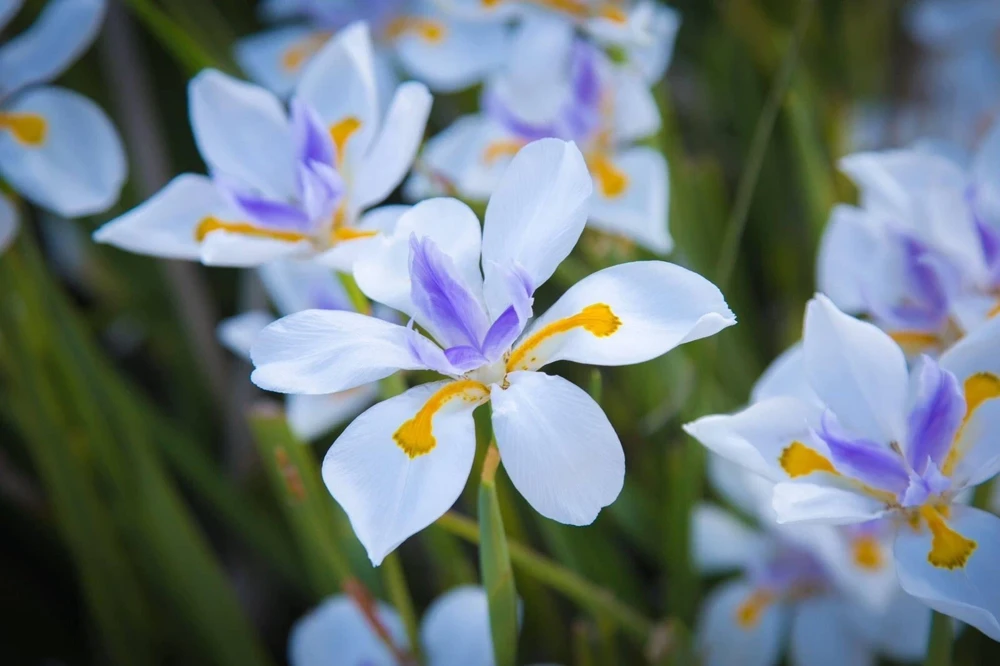
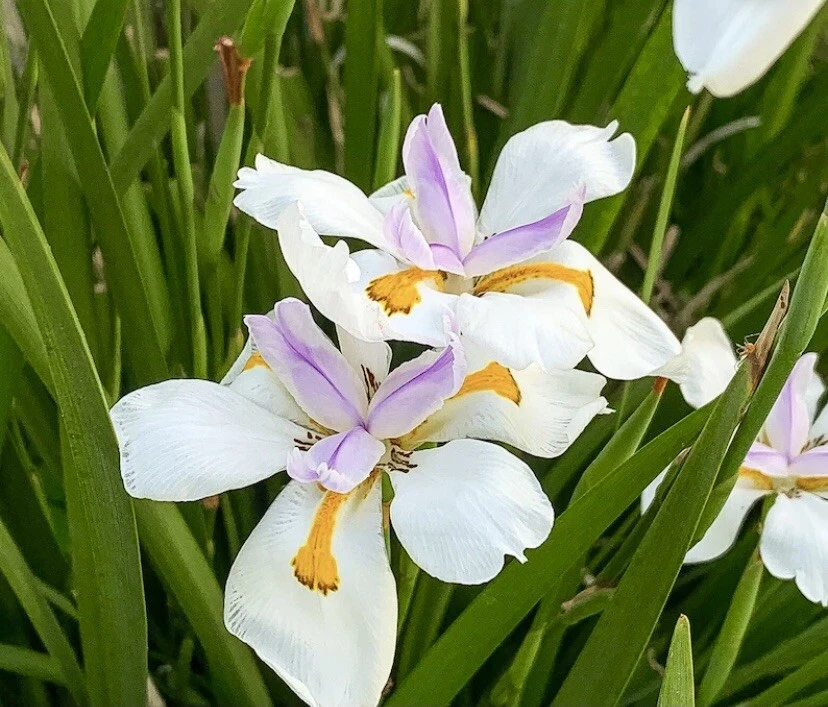
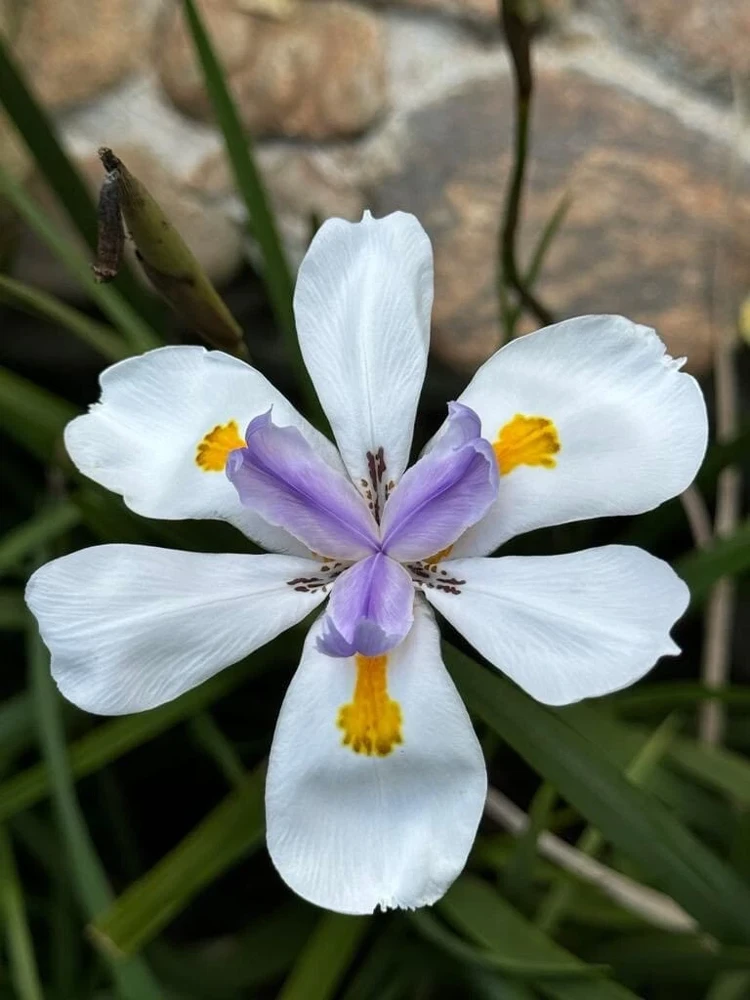
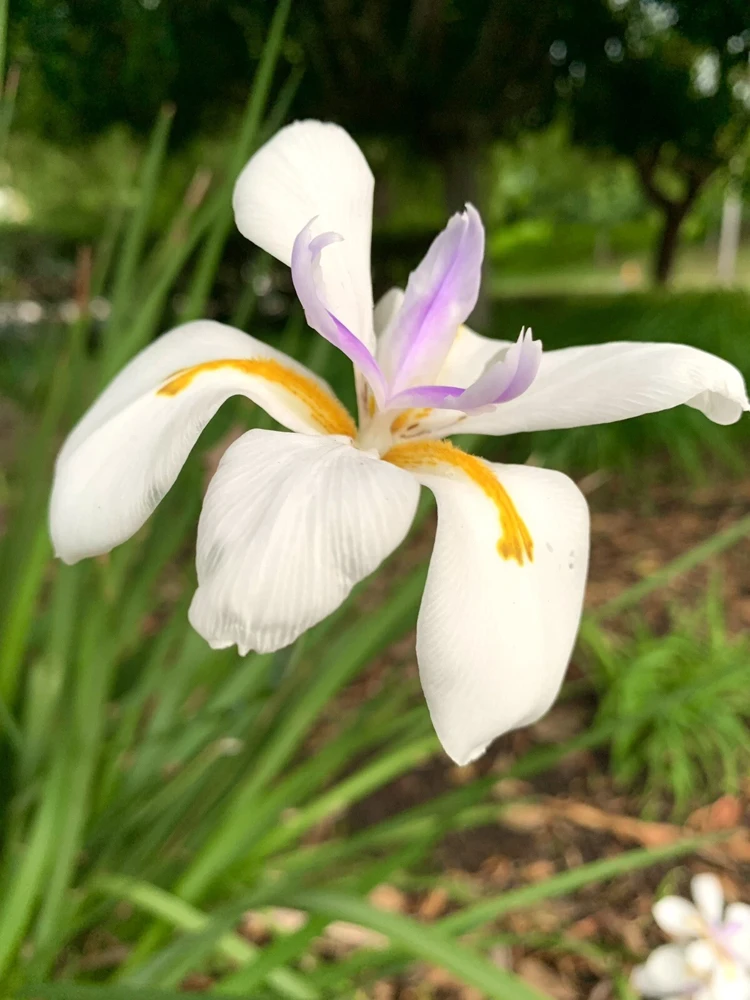
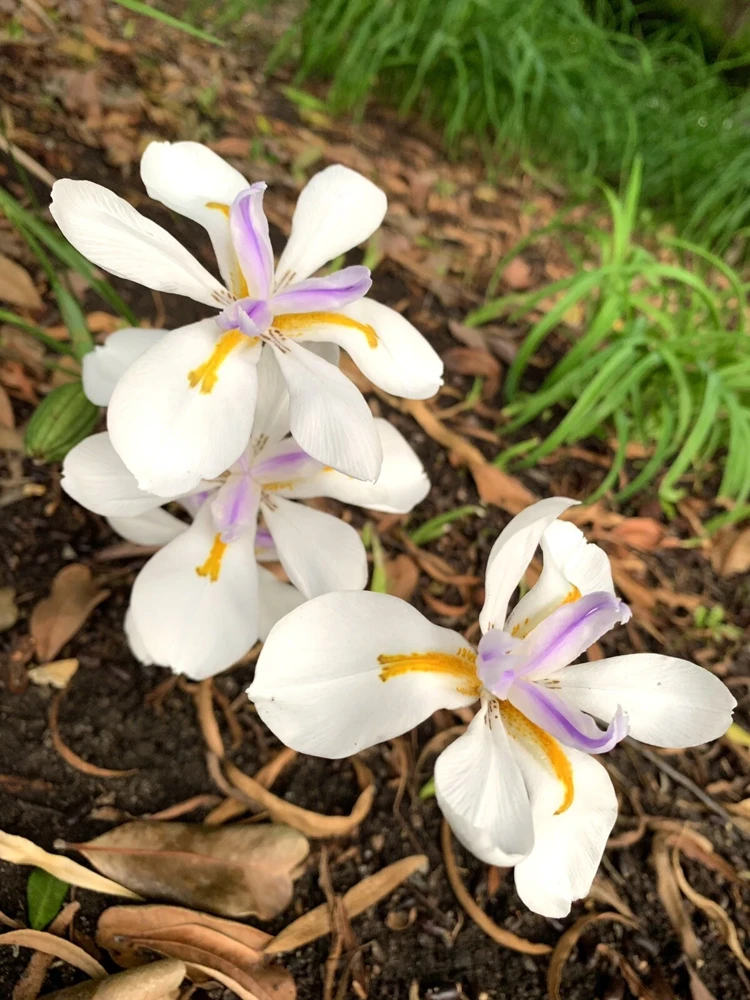
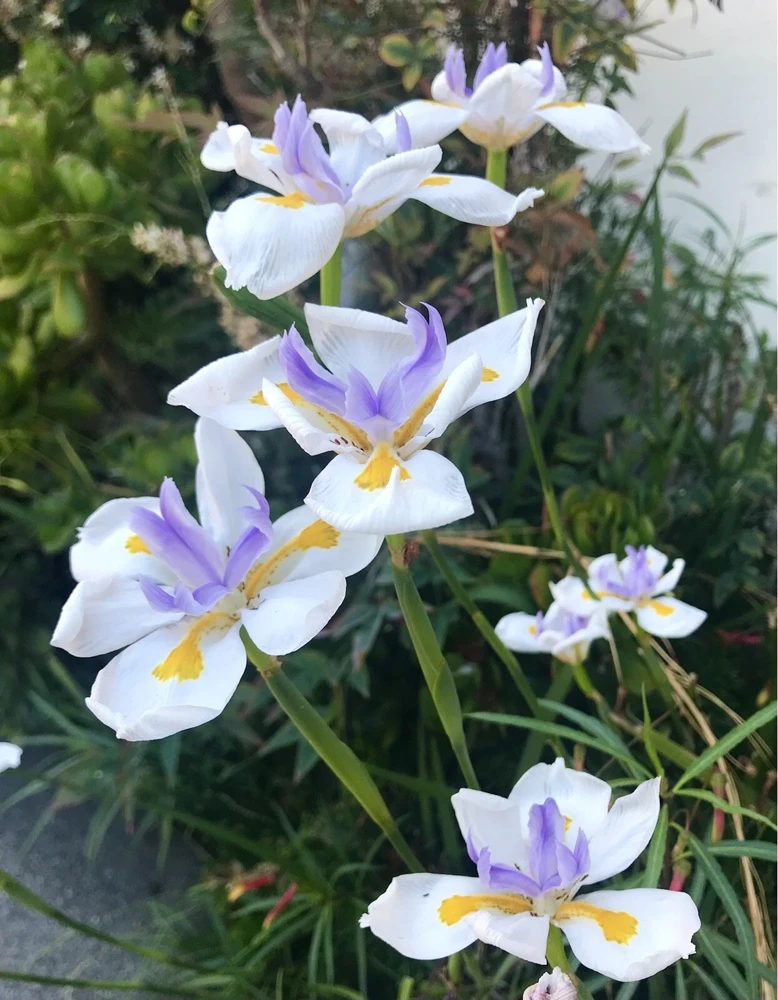
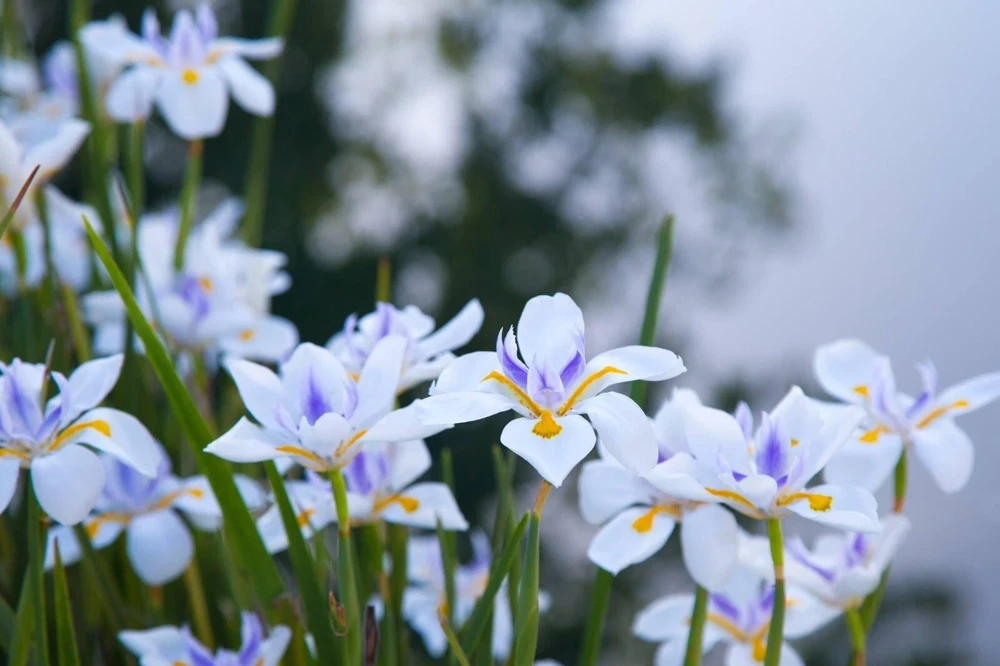
Embark on a rewarding gardening journey with our premium African Iris seeds, also known as Fortnight Lily or Dietes Iridioides. This package contains 30 high-quality seeds, ready to be sown and transformed into a breathtaking display of perennial beauty. The African Iris seeds are perfect for gardeners looking to add a touch of elegance and resilience to their outdoor landscape. These striking plants are celebrated for their distinctive white, yellow, and purple-tinged flowers that bloom intermittently, living up to their ‘Fortnight Lily’ moniker. Originating from South Africa, Dietes Iridioides is a robust and adaptable plant, making it a fantastic choice for various climates and garden styles. Growing Fortnight Lily seeds offers the unique satisfaction of nurturing a plant from its very beginning, ensuring a vibrant and long-lasting addition to your home garden.
The Dietes Iridioides seeds we offer are carefully selected to provide you with the best chance of successful germination and growth. These seeds will mature into evergreen plants that provide year-round interest with their sword-like foliage, culminating in beautiful blooms that appear from spring through summer and into fall. Whether you’re an experienced gardener or just starting, planting African Iris from seed is a fulfilling project that promises spectacular results. Discover the joy of watching these magnificent flowers emerge, bringing a serene and sophisticated aesthetic to your outdoor living areas.
Key Benefits
Growing African Iris seeds brings a multitude of benefits to any garden. These resilient plants are not only beautiful but also remarkably easy to care for once established, making them a wise choice for gardeners seeking both aesthetic appeal and practicality.
- Stunning Ornamental Value: The elegant white and purple flowers, often with a touch of yellow, create a sophisticated visual impact, enhancing borders, pathways, or as a focal point in your garden.
- Long Blooming Season: Enjoy continuous blooms from spring through summer and even into fall, providing extended color and interest when many other plants have faded. This makes African Iris seeds a fantastic investment for prolonged garden vibrancy.
- Drought Tolerance: Once established, Fortnight Lilies are highly drought-tolerant, requiring less water than many other flowering plants, which is ideal for water-wise gardening.
- Low Maintenance: These plants are generally pest and disease-resistant and require minimal care, allowing you more time to enjoy their beauty rather than constantly tending to them.
- Evergreen Foliage: The attractive, sword-like foliage remains green year-round, offering consistent texture and structure to your garden even when not in bloom.
- Versatile Landscaping Use: Suitable for mass plantings, borders, rock gardens, or container gardening, their adaptability allows for creative landscaping designs.
- Attracts Pollinators: The delicate blooms can attract beneficial pollinators like bees and butterflies to your garden, contributing to a healthy ecosystem.
Plant Care & Growing Tips
Cultivating African Iris seeds, or Fortnight Lily, requires attention to a few key factors to ensure robust growth and abundant flowering. Start by sowing your Dietes Iridioides seeds in well-draining soil. A mix of garden soil with some sand or perlite works well to prevent waterlogging. Plant seeds about 1/4 inch deep and keep the soil consistently moist until germination, which can take several weeks. Providing a warm environment will aid in germination.
Once seedlings emerge, they thrive in areas receiving full sun, meaning at least 6 hours of direct sunlight per day. While they can tolerate partial shade, full sun exposure encourages the most prolific blooming. Water regularly during the initial growth phase, but once established, African Iris plants are quite drought-tolerant. Deep watering once a week during dry periods is usually sufficient. Avoid overwatering, as this can lead to root rot. These plants are perennial, meaning they will return year after year, offering reliable beauty with proper care. They are generally hardy in USDA zones 8-11, but can be grown as annuals or overwintered indoors in colder climates.
Fertilize sparingly; a balanced, slow-release fertilizer in early spring is usually adequate. Over-fertilization can promote foliage growth at the expense of flowers. Deadheading spent blooms can encourage further flowering, though it’s not strictly necessary for the plant’s health. Watch out for common pests like aphids, which can be managed with insecticidal soap. Overall, learning how to grow African Iris is a rewarding experience, as these plants are quite forgiving and resilient, making them an excellent choice for gardeners of all skill levels who desire beautiful, long-lasting flowers.
Size & Details
Each packet contains 30 African Iris seeds (Dietes Iridioides), providing ample opportunity to establish a beautiful patch of Fortnight Lilies in your garden. These perennial plants typically grow to a height of 2-3 feet (60-90 cm) with a similar spread, forming attractive clumps of sword-like foliage. The plants are evergreen in warmer climates, providing year-round interest. Blooms appear intermittently from spring through summer and often into fall, with each flower lasting only a day but quickly replaced by new ones. The seeds are intended for direct sowing or starting indoors before transplanting.
The cultivating difficulty for these perennial flower seeds is considered moderate, making them accessible to a wide range of gardeners. With proper care, you can expect to see established plants producing their first blooms within 1-2 years from sowing. These plants are known for their robust growth and ability to naturalize in suitable conditions, creating a lush, flowering landscape. The mature plants exhibit a beautiful blend of green foliage with white and purple flowers, making them a striking addition to any outdoor space.
Frequently Asked Questions
- Q: How big does this plant get? A: The African Iris typically grows to a height of 2-3 feet (60-90 cm) with a similar spread, forming attractive clumps of evergreen foliage. Its mature size makes it suitable for various garden applications, from borders to mass plantings.
- Q: Is this an indoor or outdoor plant? A: The African Iris seeds are intended for growing outdoors. While they can be started indoors, they thrive in outdoor garden settings where they can receive ample sunlight and space to grow.
- Q: How much sunlight does it need? A: Fortnight Lily plants prefer full sun exposure, meaning at least 6 hours of direct sunlight per day, to produce the most abundant blooms. They can tolerate partial shade, but flowering may be reduced.
- Q: Is this plant easy to care for? A: The cultivating difficulty for African Iris is moderate. Once established, they are quite low-maintenance and drought-tolerant, making them a relatively easy plant for most gardeners. Learning how to grow African Iris is a rewarding process.
- Q: What condition will the seeds arrive in? A: Your order will contain 30 African Iris seeds, packaged securely to ensure their viability upon arrival. They are ready for planting according to the instructions provided.
- Q: When is the best time to plant Fortnight Lily seeds? A: The best time to plant Fortnight Lily seeds is in spring after the last frost, or in late summer/early fall in warmer climates. This allows the seedlings to establish before extreme temperatures.
- Q: Will these perennial flower seeds survive winter in my zone? A: African Iris plants are hardy in USDA zones 8-11. In colder zones, they can be grown as annuals or the rhizomes can be dug up and stored indoors over winter.
- Q: What type of soil do African Iris plants prefer? A: They prefer well-draining soil. A mix of garden soil amended with sand or perlite is ideal to ensure proper drainage and prevent waterlogging, which can be detrimental to the roots.
- Q: Do I need to fertilize African Iris plants? A: Fertilize sparingly. A balanced, slow-release fertilizer applied in early spring is usually sufficient to support healthy growth and flowering without promoting excessive foliage at the expense of blooms.
- Q: How long until the seeds bloom? A: It typically takes 1-2 years for African Iris plants grown from Dietes Iridioides seeds to reach maturity and produce their first blooms, though this can vary based on growing conditions.
Be the first to review “African Iris Seeds – Fortnight Lily Dietes Iridioides – 30 Seeds Perennial”
Related products


You May Like

How to Grow Passion Flower (Passiflora) for Tropical Blooms
Few climbing vines in the home garden command attention quite like the exotic Passion Flower (Passiflora). [...]
Nov

Thanksgiving Cactus Care: How to Get Thanksgiving Cactus to Bloom
Is your Thanksgiving cactus growing well but not giving you any flowers? Maybe it looked [...]
Nov

How to Grow Garlic for a Bountiful Home Harvest
Garlic (Allium sativum) is one of the most satisfying, low-maintenance, and flavor-packed crops you can [...]
Oct

Hardneck vs. Softneck Garlic: Which Should You Grow?
Have you ever stood in front of a seed catalog in mid-September, staring at dozens [...]
1 Comment
Oct

When to Plant Music Garlic: Ultimate US Fall Guide
Have you ever spent your fall weekend placing carefully chosen garlic cloves into rich, dark [...]
1 Comment
Oct

5 Best Bulbs for Fall Planting: Brighten Your Garden This Spring
Are you dreaming of a garden full of vibrant colors in the spring? The key [...]
Aug

10 Houseplants That Will Thrive in Your Kitchen
Are you tired of your kitchen feeling dull and lifeless? Want to add a little [...]
1 Comment
Aug
Reviews
There are no reviews yet.