
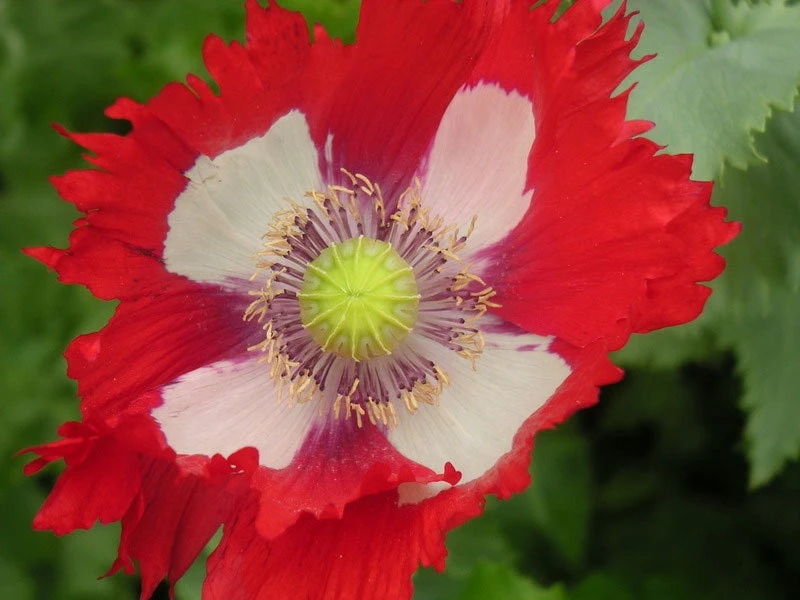
Danish Flag Poppy Seeds – Papaver somniferum – 1000 Seed Pack – Annual Flower
Original price was: 48.91 $.19.91 $Current price is: 19.91 $.
Cultivate stunning Danish Flag Poppy seeds (Papaver somniferum) in your garden. This 1000-seed pack offers a generous supply for vibrant blooms that attract birds, bees, and butterflies. Enjoy these easy-to-grow annuals, also known as breadseed poppy seeds, which thrive in full sun and offer edible seeds and leaves.
Estimated arrival
Nov 26
Dec 01 - Dec 03
Dec 03 - Dec 08
See our Shipping Policy.
Get in touch with us via email, and our team will review your concerns.
Our Alive & Thrive Guarantee covers issues with your plants within the first 30 days. Read our Refund & Returns Policy.
-
USDA Hardiness Zone
All Zones (annual) -
Soil Type
Well-draining soil -
Sunlight Exposure
Full sun -
Expected Planting Period
Early spring to early summer
Overview
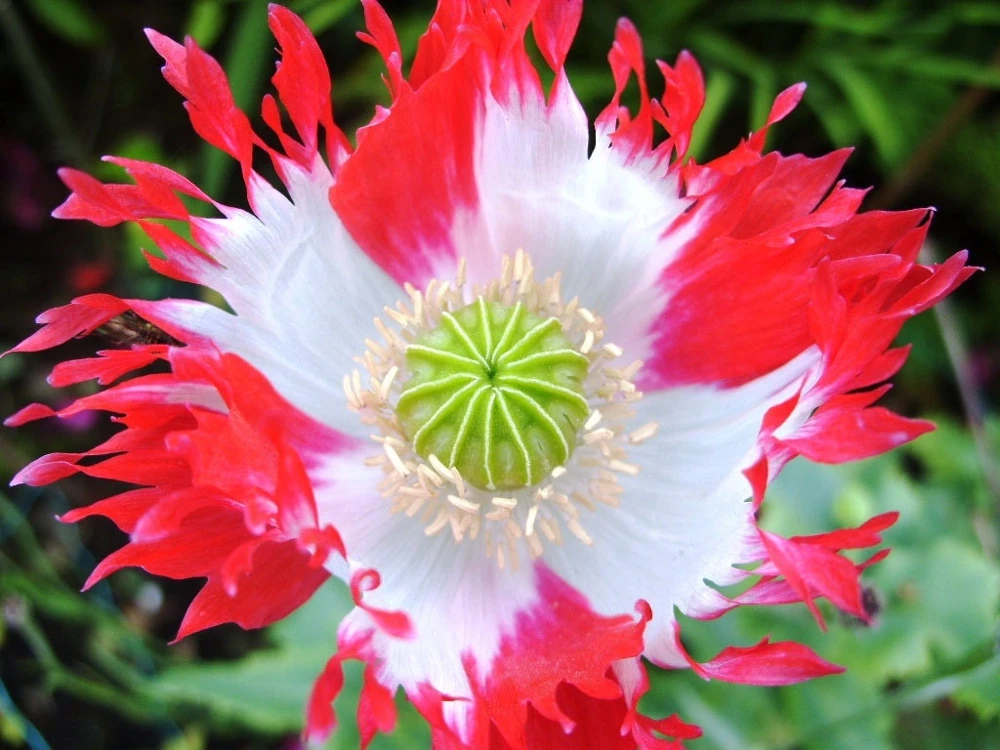
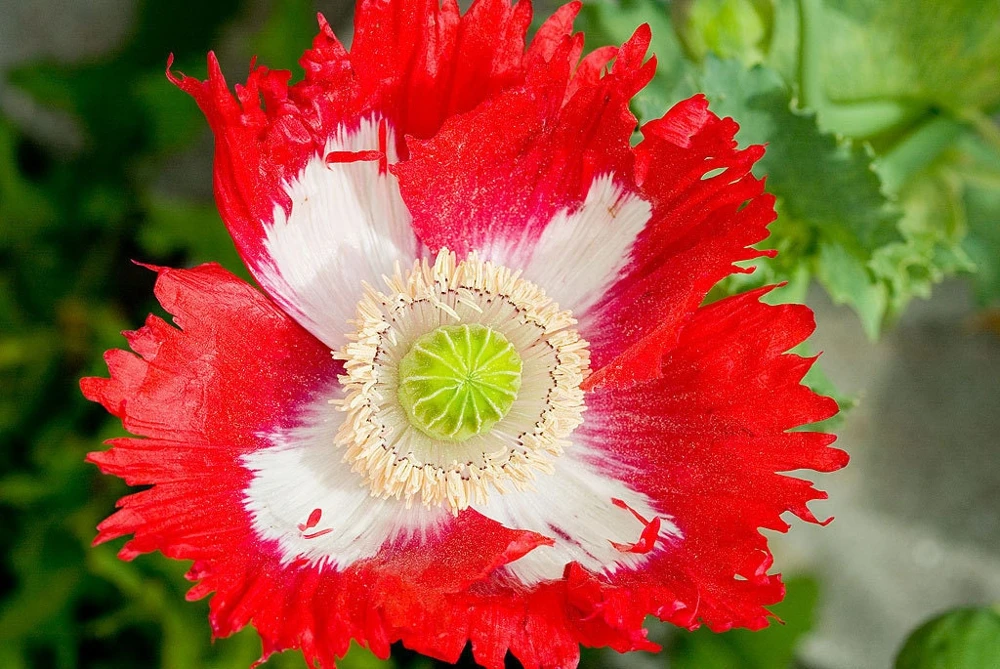
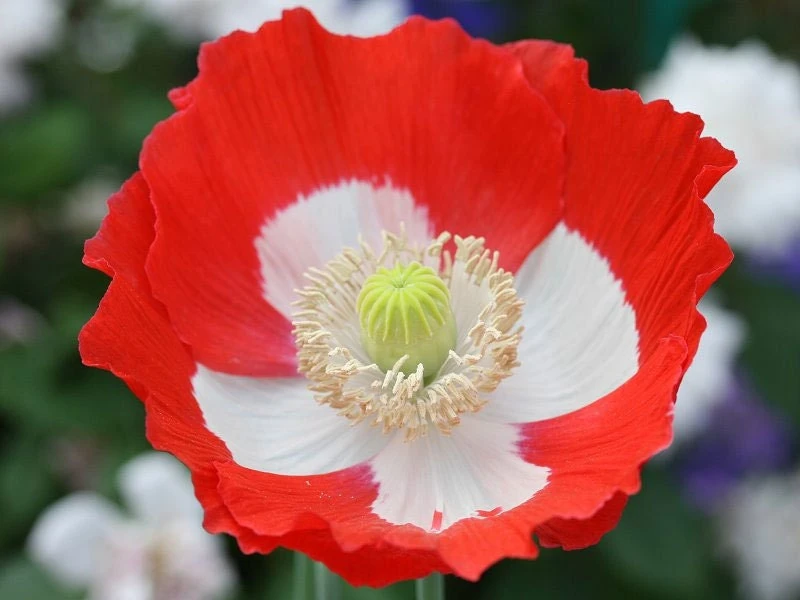
Discover the joy of growing your own spectacular blooms with our premium Danish Flag Poppy seeds. This generous pack contains 1000 high-quality seeds of Papaver somniferum, renowned for its striking, fringed red and white flowers that resemble the Danish flag. Also known as Breadseed Poppy or Lettuce Leaf Poppy, this annual plant is a fantastic addition to any garden, bringing both beauty and ecological benefits. These easy-to-grow seeds will transform your outdoor space into a vibrant haven, attracting a delightful array of birds, bees, and butterflies, making your garden a lively ecosystem. Whether you’re an experienced gardener or just starting, growing Papaver somniferum seeds is a rewarding experience, leading to beautiful, showy flowers and a bountiful harvest of nutritious seeds.
Our Danish Flag Poppy seeds are carefully selected to ensure high germination rates, providing you with the best chance for a successful and abundant crop. These versatile plants are not only ornamental but also highly practical, offering edible leaves and seeds. The distinctive blooms provide a charming cottage garden aesthetic, while their ease of cultivation makes them a favorite among gardeners seeking maximum impact with minimal fuss. Prepare to be enchanted by the delicate beauty and robust nature of these magnificent poppies, a true garden classic.
Key Benefits
Planting Danish Flag Poppy seeds offers a multitude of benefits for both your garden and your lifestyle. From their visual appeal to their ecological contributions and culinary uses, these poppies are a truly versatile choice.
- Stunning Ornamental Value: The unique fringed petals in brilliant red and white create a dramatic visual display, making them a focal point in any flower bed, border, or container. Their striking appearance adds a touch of elegance and whimsy to your garden landscape.
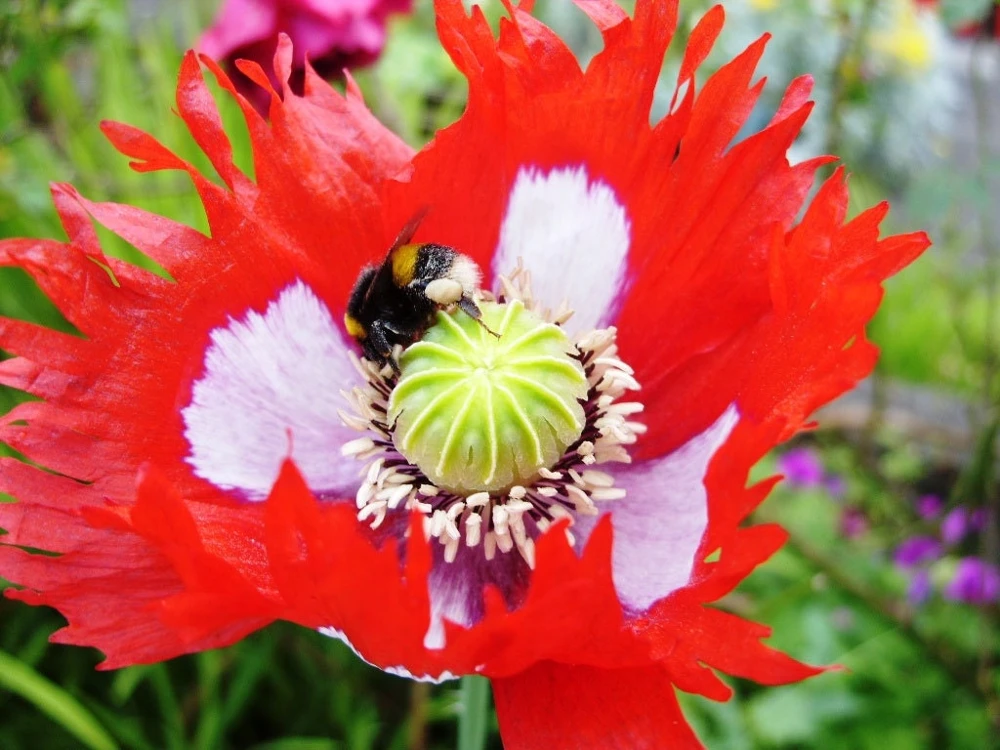
- Attracts Beneficial Pollinators: These poppies are a magnet for local wildlife. Bees, butterflies, and various birds are naturally drawn to the nectar-rich flowers, helping to support local ecosystems and improve pollination for other plants in your garden.
- Edible Leaves and Seeds: The young leaves of the Danish Flag Poppy can be harvested and used in salads or cooked like spinach. The seeds, often called breadseed poppy seeds, are highly nutritious and can be eaten raw, baked into goods, or pressed for a high-quality cooking oil with a delightful nutty flavor.
- Low Maintenance and Easy to Grow: As annuals, these poppies are relatively unfussy once established. They thrive in full sun and well-drained soil, making them an excellent choice for beginners and busy gardeners looking for beautiful, self-sufficient plants.
- Versatile Garden Use: Perfect for cottage gardens, wildflower meadows, cutting gardens, or even large containers. Their upright growth habit and vibrant blooms add structure and color wherever they are planted, creating a picturesque scene.
- Drought Tolerant: Once mature, Danish Flag Poppies are quite resilient and can tolerate periods of dry weather, reducing the need for constant watering and making them suitable for various climates.
Plant Care & Growing Tips
Growing Danish Flag Poppy seeds is a straightforward and rewarding experience, provided you meet their basic needs. These annuals are quite resilient and can thrive with minimal intervention. For optimal growth and a spectacular display of flowers, choose a location that receives at least 6 hours of direct sunlight per day. Full sun is crucial for robust blooming and seed production. Prepare your soil by ensuring it is well-draining; poppies do not like wet feet. A sandy loam or average garden soil enriched with a little compost is ideal. Avoid overly rich soil, as this can lead to lush foliage but fewer flowers. Lightly rake the soil surface before scattering the tiny seeds.
Danish Flag Poppy seeds are best sown directly outdoors in early spring, as soon as the soil can be worked, or in the fall in milder climates for earlier spring blooms. Lightly press the seeds into the soil surface but do not cover them, as they require light to germinate. Keep the soil consistently moist until germination, which typically occurs within 7-15 days. Once seedlings emerge, thin them to about 6-12 inches apart to allow for proper air circulation and growth. Water regularly during dry spells, especially as the plants are establishing and during flowering. While generally low-maintenance, a balanced liquid fertilizer can be applied once or twice during the growing season if your soil is poor. Watch out for common garden pests like aphids, and address them with organic pest control methods if necessary. Deadheading spent blooms can encourage more flowers, but if you wish to harvest edible poppy seeds, allow the flower heads to mature and dry on the plant.
Size & Details
This offering includes 1000 Danish Flag Poppy seeds (Papaver somniferum), providing ample opportunity to create a stunning display in your garden. These annual plants typically grow to a height of 24-36 inches (60-90 cm) with a spread of about 12-18 inches (30-45 cm), forming an upright, bushy habit. The distinctive flowers, with their fringed red and white petals, usually measure 3-4 inches (7-10 cm) across. Plants will begin to bloom from late spring through early fall, depending on planting time and climate, offering a prolonged period of beauty. Each seed packet contains high-quality, viable seeds ready for direct sowing. The growth rate is moderate, with plants reaching maturity and producing flowers within 60-90 days from germination. After flowering, the attractive seed pods will develop, which can be harvested for their nutritious breadseed poppy seeds or left for ornamental interest and to allow for self-seeding.
Frequently Asked Questions
- Q: How big does the Danish Flag Poppy get? A: Danish Flag Poppies typically grow to be about 24-36 inches (60-90 cm) tall and spread about 12-18 inches (30-45 cm) wide. They have an upright growth habit, making them suitable for the middle or back of a flower border.
- Q: How much sunlight do these poppy seeds need? A: These Danish Flag Poppy seeds require full sun to thrive, meaning at least 6 hours of direct sunlight per day. Adequate sunlight is essential for strong growth and abundant flowering.
- Q: Is this plant easy to care for? A: Yes, Danish Flag Poppies are considered easy to care for. They are annuals that require minimal attention once established, making them a great choice for both novice and experienced gardeners. Just ensure they have full sun and well-draining soil.
- Q: What condition will the seeds arrive in? A: Your Danish Flag Poppy seeds will arrive in a protective packet, ensuring they are dry and viable. They are ready for immediate planting or can be stored in a cool, dry place until you are ready to sow them.
- Q: Can I use the seeds in cooking? A: Absolutely! The seeds from this Papaver somniferum variety are indeed edible and are commonly known as breadseed poppy seeds. They have a nutty flavor and can be used in baking, as a topping for salads, or pressed for oil.
- Q: When is the best time to plant Danish Flag Poppy seeds? A: The best time to plant Papaver somniferum seeds is in early spring as soon as the soil can be worked. In areas with mild winters, you can also sow them in the fall for earlier spring blooms.
- Q: What USDA Hardiness Zones are suitable for these poppies? A: Danish Flag Poppies are annuals and will grow in all USDA Hardiness Zones. They complete their life cycle within one growing season, typically from spring through fall, regardless of winter temperatures.
- Q: Do these poppies attract pollinators? A: Yes, Danish Flag Poppies are excellent for attracting pollinators. Their vibrant blooms are a favorite of bees, butterflies, and other beneficial insects, contributing to a healthy garden ecosystem.
- Q: How long does it take for Danish Flag Poppy seeds to germinate? A: Under optimal conditions (light and consistent moisture), Danish Flag Poppy seeds typically germinate within 7-15 days after sowing.
- Q: What kind of soil do these poppies prefer? A: These poppies prefer well-draining soil. They can tolerate a range of soil types, including sandy or loamy soils, but good drainage is crucial to prevent root rot.
Be the first to review “Danish Flag Poppy Seeds – Papaver somniferum – 1000 Seed Pack – Annual Flower”
Related products


Flower Seeds


You May Like

How to Grow Passion Flower (Passiflora) for Tropical Blooms
Few climbing vines in the home garden command attention quite like the exotic Passion Flower (Passiflora). [...]
Nov

Thanksgiving Cactus Care: How to Get Thanksgiving Cactus to Bloom
Is your Thanksgiving cactus growing well but not giving you any flowers? Maybe it looked [...]
Nov

How to Grow Garlic for a Bountiful Home Harvest
Garlic (Allium sativum) is one of the most satisfying, low-maintenance, and flavor-packed crops you can [...]
Oct

Hardneck vs. Softneck Garlic: Which Should You Grow?
Have you ever stood in front of a seed catalog in mid-September, staring at dozens [...]
1 Comment
Oct

When to Plant Music Garlic: Ultimate US Fall Guide
Have you ever spent your fall weekend placing carefully chosen garlic cloves into rich, dark [...]
1 Comment
Oct

5 Best Bulbs for Fall Planting: Brighten Your Garden This Spring
Are you dreaming of a garden full of vibrant colors in the spring? The key [...]
Aug

10 Houseplants That Will Thrive in Your Kitchen
Are you tired of your kitchen feeling dull and lifeless? Want to add a little [...]
1 Comment
Aug
Reviews
There are no reviews yet.