
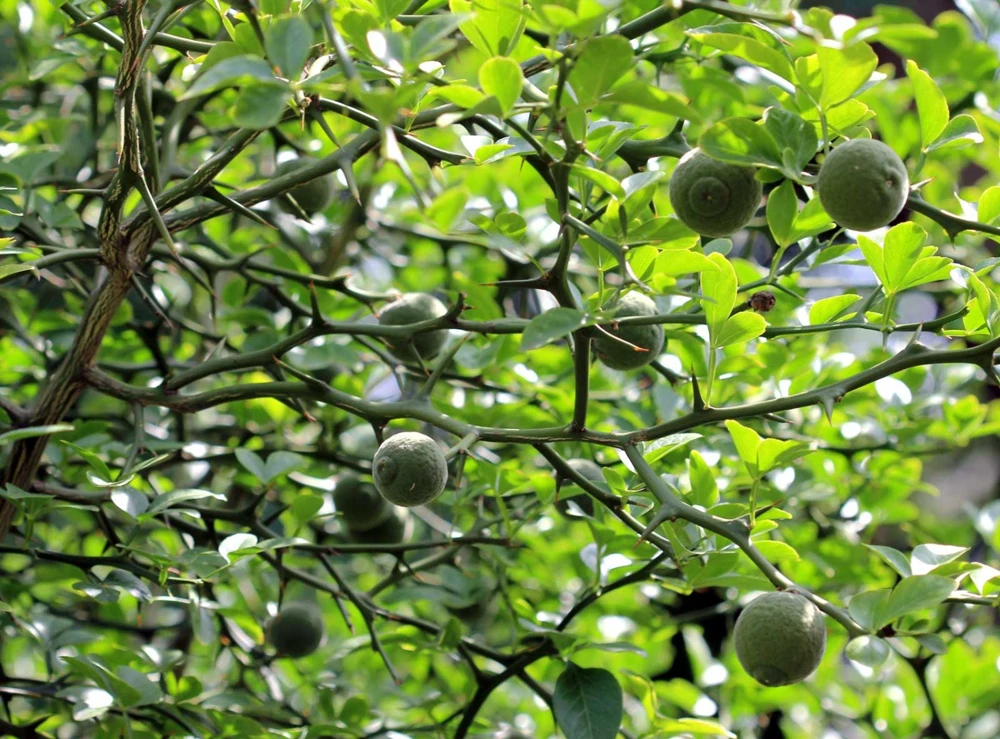
Poncirus trifoliata Seeds – Contorted Flying Dragon Orange – 10 Seeds
Original price was: 48.91 $.19.91 $Current price is: 19.91 $.
Cultivate a unique and hardy ornamental tree with these Poncirus trifoliata seeds. Also known as Contorted Flying Dragon seeds, this plant features striking twisted branches and attractive white blossoms, offering year-round visual interest. Perfect for gardeners seeking an unusual specimen tree or a larval host for Giant Swallowtail butterflies. Each pack contains 10 seeds.
Estimated arrival
Nov 26
Dec 01 - Dec 03
Dec 03 - Dec 08
See our Shipping Policy.
Get in touch with us via email, and our team will review your concerns.
Our Alive & Thrive Guarantee covers issues with your plants within the first 30 days. Read our Refund & Returns Policy.
-
USDA Hardiness Zone
USDA Hardiness Zones 6 to 10 -
Soil Type
Well-draining, slightly acidic to neutral soil -
Sunlight Exposure
Full sun to partial shade -
Expected Planting Period
Early spring (indoors)
Overview
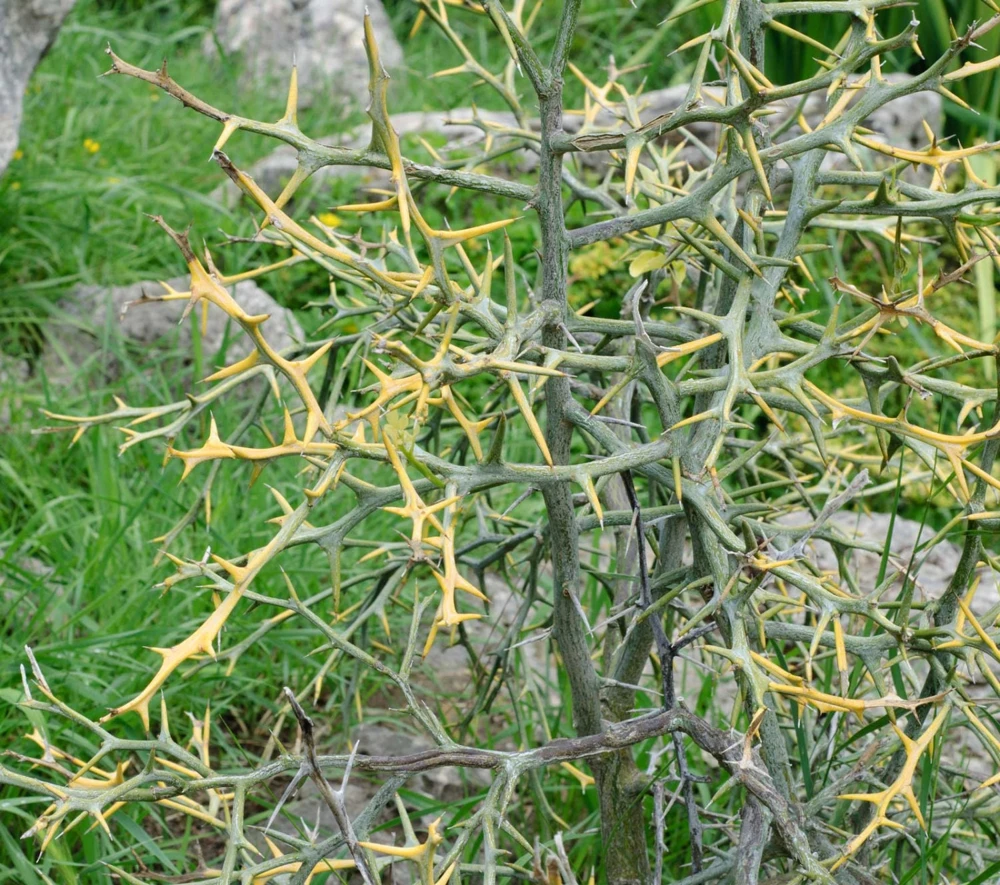
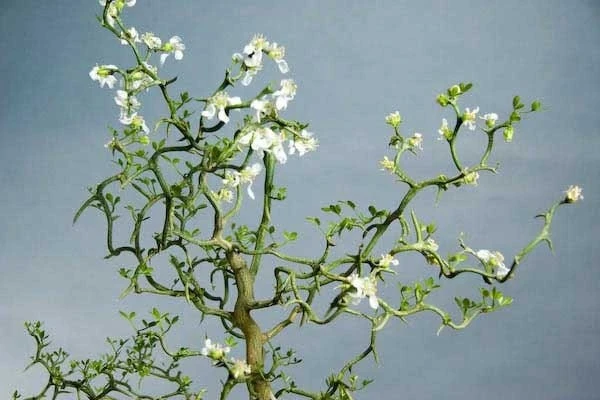
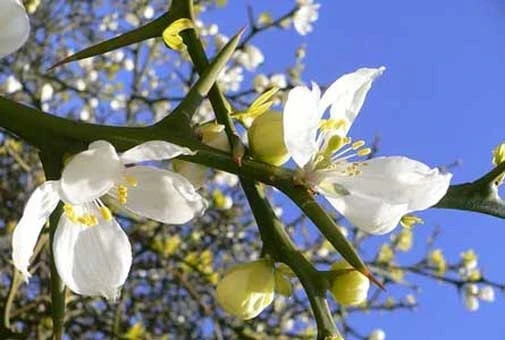
Embark on a fascinating gardening journey with these premium Poncirus trifoliata seeds, offering the chance to grow the truly unique Contorted Flying Dragon Trifoliate Orange. This extraordinary tree, also known by names such as Trifoliate Orange, Citrus trifoliata, Japanese Hardy Orange, and Bitter Orange, is celebrated for its distinctive appearance and resilience. What sets this plant apart are its dramatically contorted, spiky branches, which evoke the image of a mythical flying dragon, especially during its winter dormancy when the architectural structure is fully revealed. Beyond its ornamental appeal, this hardy orange tree produces attractive white blossoms from late spring to early summer, followed by small, tart fruits. Growing your own Poncirus trifoliata seeds allows you to cultivate a specimen that is both a conversation starter and a valuable addition to your garden’s ecosystem, attracting beneficial pollinators and serving as a host plant for the magnificent Giant Swallowtail butterfly.
Whether you’re an experienced horticulturist or a budding enthusiast, these Contorted Flying Dragon seeds provide an exciting opportunity to nurture a plant with exceptional character. While the tree can reach up to 6 feet tall in optimal outdoor conditions, it is also well-suited for container growing, where its size can be managed for patios or smaller spaces. Its adaptability to both full sun and partial shade makes it a versatile choice for various garden settings. The fruit, though tart, is prized for making marmalades, juices, or as a dried seasoning, offering a practical use for this ornamental wonder. Begin your adventure in growing this remarkable tree today and enjoy its year-round beauty.
Key Benefits
Growing Poncirus trifoliata seeds offers a multitude of benefits, transforming your garden into a dynamic and captivating space. This plant is not just an ordinary tree; it’s a living sculpture that provides continuous interest and ecological value. Its unique features contribute to a vibrant garden:
- Unique Ornamental Appeal: The most striking feature is its dramatically twisted and contorted branches, which provide exceptional visual interest throughout the year, especially in winter. This makes it a fantastic focal point in any landscape.
- Attractive Blooms: Enjoy a display of beautiful white blossoms from late spring through early summer, adding a touch of elegance and fragrance to your garden during these months.
- Wildlife Attractor: This tree is a magnet for birds, bees, and butterflies, enriching your garden’s biodiversity. It serves as a crucial larval host plant for the majestic Giant Swallowtail butterfly.
- Hardy & Resilient: Known for its hardiness, the Trifoliate Orange can withstand colder temperatures (USDA Zones 6-10), making it suitable for a wide range of climates where other citrus may not thrive.
- Versatile Growth: Can be grown as a standalone specimen tree, a thorny hedge for security, or in a container, allowing for flexibility in garden design and maintenance.
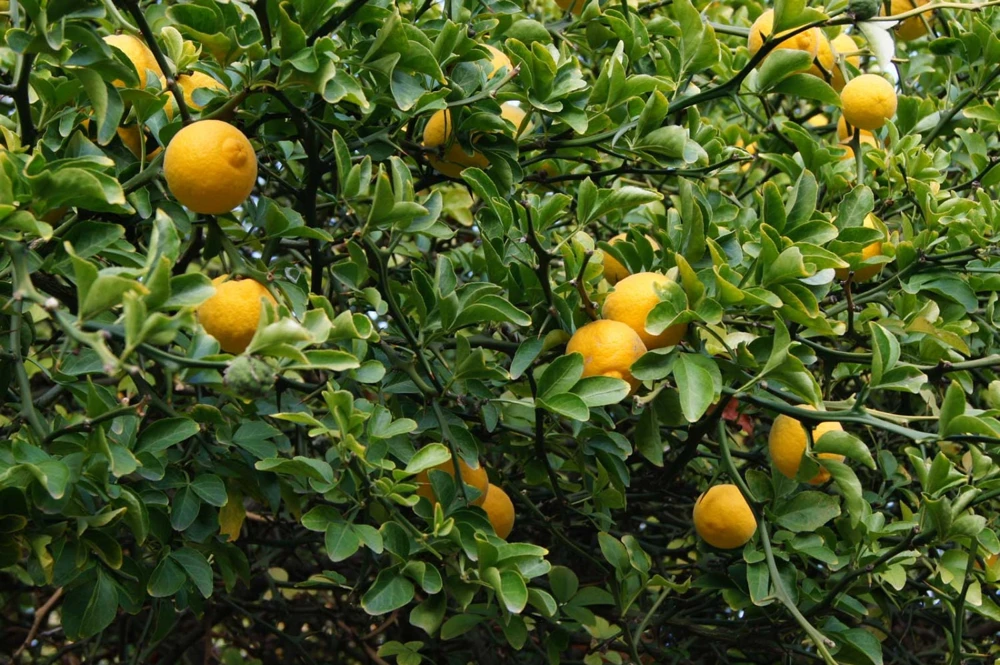
- Edible & Useful Fruit: While tart, the fruit from the Bitter Orange seeds can be used to make delicious marmalades, flavorful juices (diluted and sweetened), or dried as a unique seasoning.
- Low Maintenance: Once established, this tree requires relatively little care, thriving in various conditions and proving to be quite drought-tolerant, making it ideal for busy gardeners.
Plant Care & Growing Tips
Cultivating a healthy Poncirus trifoliata from Japanese Hardy Orange seeds requires attention to a few key environmental factors to ensure robust growth and the development of its signature contorted branches. Start your seeds indoors in early spring for best results. Sow seeds about 1/2 inch deep in a well-draining seed-starting mix. Maintain consistent moisture but avoid waterlogging, which can lead to rot. Germination can be erratic and may take several weeks to months, so patience is key. Once seedlings emerge and are large enough to handle, transplant them into individual pots.
For established plants, sunlight is crucial. The Contorted Flying Dragon thrives in full sun, meaning at least 6 hours of direct sunlight per day, which encourages the most vigorous growth and best fruit production. However, it is quite adaptable and can also perform well in partial shade, though flowering and fruiting may be less prolific. When it comes to soil, a well-draining, slightly acidic to neutral soil is ideal. Amend heavy clay soils with organic matter to improve drainage. Consistent watering is important, especially during dry spells and for young plants, but allow the top few inches of soil to dry out between waterings to prevent root issues. Mature trees are more drought-tolerant. Fertilize sparingly in spring with a balanced, slow-release fertilizer, or an organic citrus-specific formula.
The Poncirus trifoliata seeds will grow into a tree hardy in USDA Zones 6 to 10. In colder zones, consider growing it in a container that can be moved indoors during the harshest winter months. Pruning is generally not required for form but can be done to remove dead or crossing branches, or to maintain a desired size. Be mindful of its thorns when handling. Common problems are few, as this plant is generally pest and disease resistant. Ensure good air circulation to prevent fungal issues, especially in humid climates.
Size & Details
These Poncirus trifoliata seeds offer the potential to grow a medium-sized tree that can reach a mature height of approximately 6 feet when planted directly in the ground, though it can be maintained at a smaller size through pruning or by growing it in a container. The width can vary, often spreading as wide as it is tall, creating a bushy, rounded form. The growth rate is moderate, with visible development each season. Each purchase includes 10 viable seeds, providing a good starting quantity for your gardening project. When growing from Trifoliate Orange seeds, expect the plant to take several years to reach a substantial size and begin producing fruit, typically 3-5 years, depending on growing conditions.
The seeds are shipped in a protective packet to ensure their viability upon arrival. While the ultimate size of your tree will depend on factors like soil quality, sunlight, and pruning, these seeds provide the genetic potential for a robust and visually stunning specimen. This tree’s unique contorted branches develop over time, becoming more pronounced as the plant matures, offering a truly captivating display, especially in winter when its architectural form is most evident.
Frequently Asked Questions
- Q: How big does a Poncirus trifoliata tree get from these seeds? A: When planted in the ground, a Poncirus trifoliata tree can reach up to 6 feet tall. If grown in a container, its size can be managed and it will likely remain smaller, making it suitable for patios or smaller gardens.
- Q: Is this an indoor or outdoor plant? A: Poncirus trifoliata is primarily an outdoor plant, hardy in USDA Zones 6-10. However, in colder climates, it can be grown in a container and brought indoors during the winter months to protect it from harsh freezes.
- Q: How much sunlight does the Contorted Flying Dragon need? A: This tree thrives in full sun, requiring at least 6 hours of direct sunlight daily for optimal growth and flowering. It can tolerate partial shade, but may not flower or fruit as profusely.
- Q: Is this plant easy to care for? Is it good for beginners? A: Once established, Poncirus trifoliata is relatively low-maintenance and quite hardy, making it a good choice for gardeners of various skill levels. Growing from Poncirus trifoliata seeds requires a bit of patience for germination.
- Q: What condition will the seeds arrive in? A: The Bitter Orange seeds will arrive in a protective packet, carefully packaged to ensure their viability and integrity during transit, ready for you to begin your planting process.
- Q: How long until it blooms or produces fruit? A: When grown from Japanese Hardy Orange seeds, it typically takes 3-5 years for the tree to mature enough to begin producing its attractive white blossoms and subsequent fruit.
- Q: Will it survive winter in my zone? What’s the minimum temperature? A: Poncirus trifoliata is hardy in USDA Zones 6 to 10, meaning it can withstand winter temperatures down to around -10°F (-23°C). In colder zones, winter protection or container growing is recommended.
- Q: Can the fruit from these Trifoliate Orange seeds be eaten? A: Yes, the fruit is edible but very tart, often described as a cross between a lemon and a grapefruit. It is most commonly used for making marmalades, juicing (diluted and sweetened), or dried as a seasoning.
- Q: What kind of soil is best for growing Poncirus trifoliata? A: This tree prefers a well-draining, slightly acidic to neutral soil. Amending heavy clay soils with organic matter will improve drainage and create an ideal growing environment for your Contorted Flying Dragon seeds.
- Q: Is Poncirus trifoliata a good plant for attracting wildlife? A: Absolutely! It’s very popular with birds, bees, and butterflies, and is a significant larval host plant for the beautiful Giant Swallowtail butterfly, making it an excellent addition for wildlife gardens.
Be the first to review “Poncirus trifoliata Seeds – Contorted Flying Dragon Orange – 10 Seeds”
Related products



Tree Seeds
Canino Olive Tree Seeds – 10 Pack Olea Europaea Canino for Edible Olives, Full Sun, Zones 9-11


You May Like

How to Grow Passion Flower (Passiflora) for Tropical Blooms
Few climbing vines in the home garden command attention quite like the exotic Passion Flower (Passiflora). [...]
Nov

Thanksgiving Cactus Care: How to Get Thanksgiving Cactus to Bloom
Is your Thanksgiving cactus growing well but not giving you any flowers? Maybe it looked [...]
Nov

How to Grow Garlic for a Bountiful Home Harvest
Garlic (Allium sativum) is one of the most satisfying, low-maintenance, and flavor-packed crops you can [...]
Oct

Hardneck vs. Softneck Garlic: Which Should You Grow?
Have you ever stood in front of a seed catalog in mid-September, staring at dozens [...]
1 Comment
Oct

When to Plant Music Garlic: Ultimate US Fall Guide
Have you ever spent your fall weekend placing carefully chosen garlic cloves into rich, dark [...]
1 Comment
Oct

5 Best Bulbs for Fall Planting: Brighten Your Garden This Spring
Are you dreaming of a garden full of vibrant colors in the spring? The key [...]
Aug

10 Houseplants That Will Thrive in Your Kitchen
Are you tired of your kitchen feeling dull and lifeless? Want to add a little [...]
1 Comment
Aug
Reviews
There are no reviews yet.