
Roselle Hibiscus Sabdariffa Seeds – 50 Seed Pack – Edible, Biennial
Original price was: 9.98 $.5.99 $Current price is: 5.99 $.
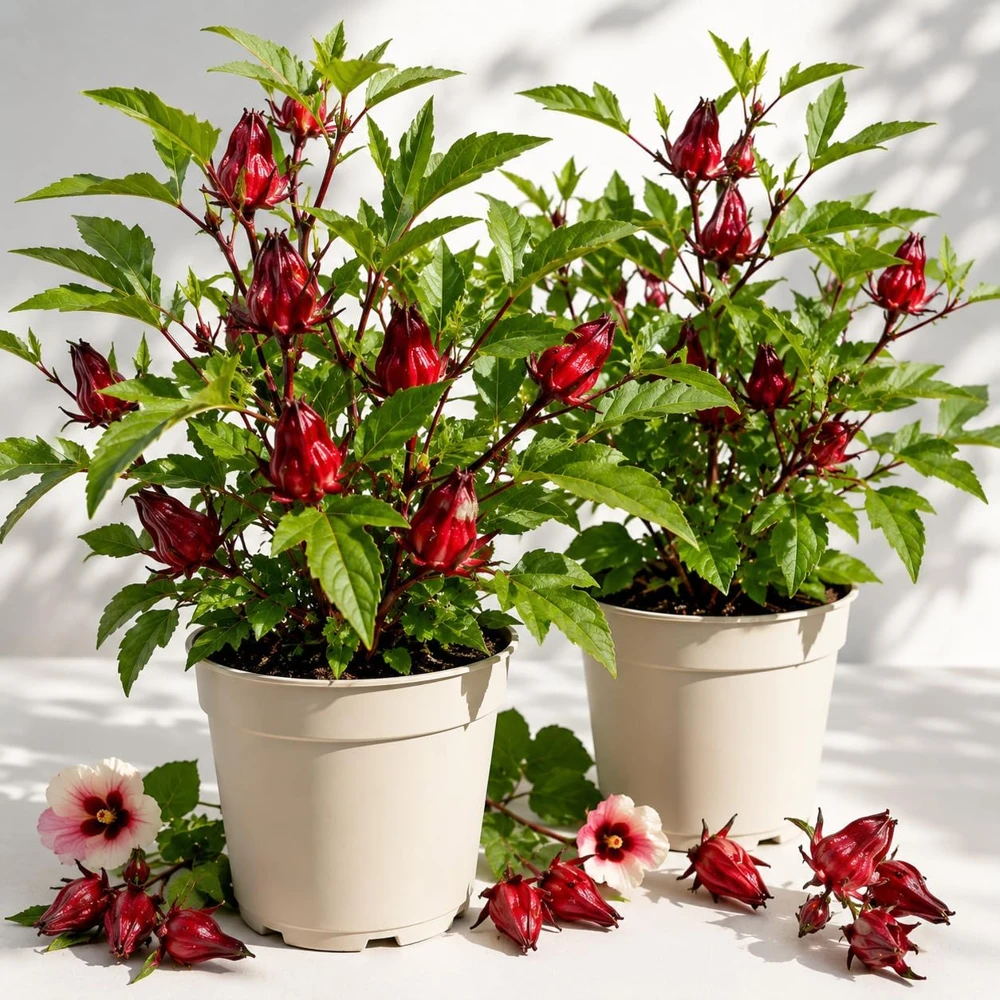
Cultivate your own vibrant and versatile Roselle Hibiscus Sabdariffa seeds. This edible Hibiscus seeds variety is perfect for gardeners looking to grow a biennial plant known for its tart, flavorful calyxes, ideal for making teas, jams, and sauces. Enjoy a bountiful harvest from these easy-to-grow seeds.
Estimated arrival
Nov 27
Dec 02 - Dec 04
Dec 04 - Dec 09
See our Shipping Policy.
Get in touch with us via email, and our team will review your concerns.
Our Alive & Thrive Guarantee covers issues with your plants within the first 30 days. Read our Refund & Returns Policy.
-
USDA Hardiness Zone
USDA zones 9-11 (biennial), grown as annual in cooler zones -
Soil Type
Well-draining, fertile soil -
Sunlight Exposure
Full Sun -
Expected Planting Period
Spring to early summer
Overview
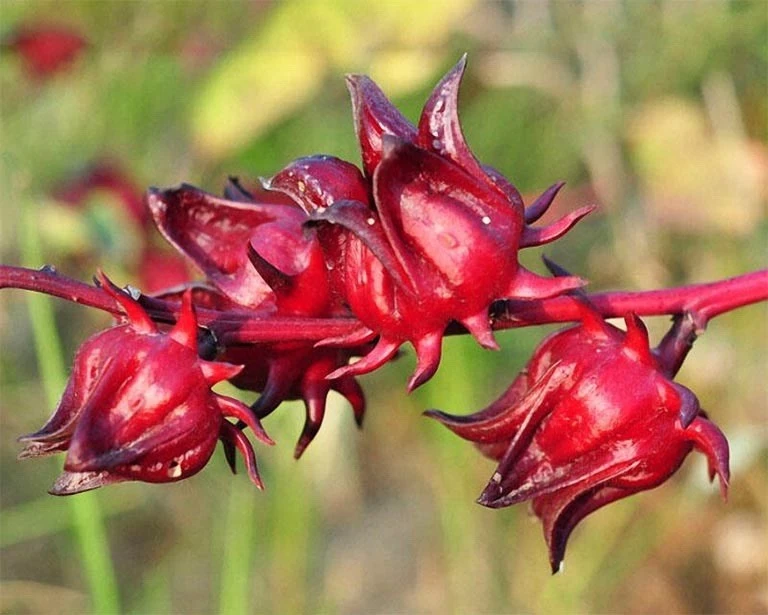
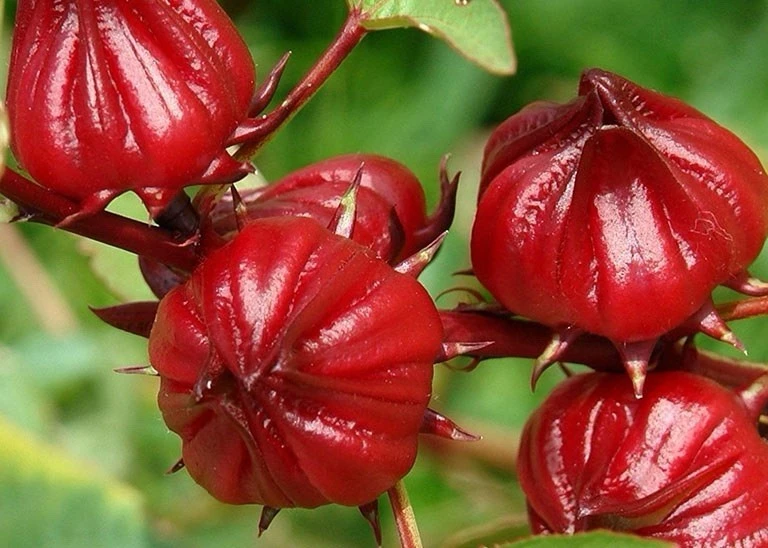
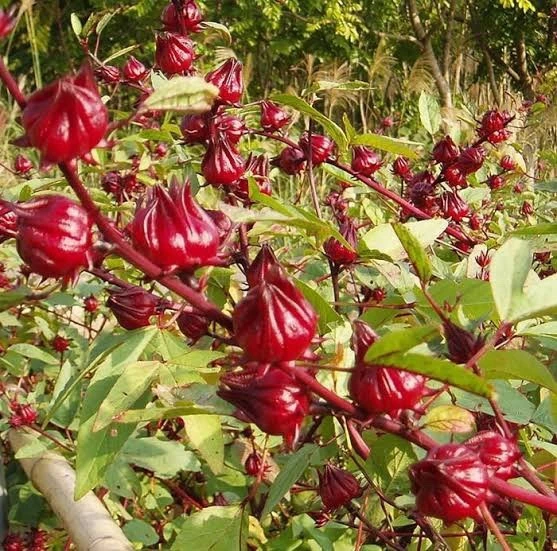
Discover the joy of growing your own Roselle Hibiscus Sabdariffa seeds, a fascinating and highly versatile plant known by many names, including Florida Cranberry and Sorrel. This biennial plant is cherished for its striking red calyxes, which are not only beautiful but also widely used in culinary applications. Unlike ornamental hibiscus varieties, Roselle Hibiscus Sabdariffa is primarily cultivated for these fleshy, tart calyxes, which develop after the flowers bloom. Each packet contains 50 Sabdariffa seeds, offering an excellent opportunity to establish a thriving Roselle patch in your garden. Whether you’re an experienced gardener or just starting, these seeds provide a rewarding growing experience, culminating in a harvest of nutrient-rich, flavorful produce. Learn to grow Roselle from seed and bring a touch of the tropics to your outdoor space.
Originating from West Africa, Roselle thrives in warm climates and is a fantastic addition to any edible garden. The plant itself is quite ornamental, featuring lush green foliage and delicate yellow flowers with a red center before the calyxes form. Growing Roselle from seed allows you to witness its full life cycle and enjoy the freshest possible harvest. This particular variety is known for its robust growth and generous yield, making it a favorite among home gardeners and culinary enthusiasts alike. Prepare to be amazed by the vibrant colors and distinctive flavors this remarkable plant brings to your kitchen and garden.
Key Benefits
Growing Roselle Hibiscus Sabdariffa seeds offers a multitude of benefits, from culinary delights to aesthetic appeal. This plant is a true garden gem, providing both beauty and utility in one package.
- Culinary Versatility: The primary benefit of Roselle is its edible calyxes, which have a tart, cranberry-like flavor. These can be used to make refreshing teas, delicious jams, jellies, sauces, and even wine. They are a fantastic natural coloring agent for food and drinks.
- Rich in Nutrients: Roselle calyxes are packed with antioxidants, vitamin C, and various minerals, contributing to a healthy diet. Incorporating them into your meals can boost your nutrient intake naturally.
- Beautiful Garden Addition: Beyond its edible qualities, the Roselle plant itself is very attractive, with its green leaves and delicate flowers, adding a tropical flair to your garden. The developing red calyxes create a stunning visual contrast.
- Relatively Easy to Grow: These edible Hibiscus seeds are known for their resilience and ease of cultivation, making them suitable for gardeners of all skill levels. With proper care, you can expect a bountiful harvest.
- Biennial Growth: As a biennial, Roselle offers two seasons of growth, with the first year typically focusing on establishing a strong plant and the second year producing an abundant harvest of calyxes and allowing for seed saving.
- Pest and Disease Resistant: Roselle plants are generally robust and show good resistance to many common garden pests and diseases, requiring less intervention and making your gardening experience more enjoyable.
- Sustainable Gardening: By learning to grow Roselle from seed, you contribute to sustainable practices, reducing reliance on store-bought produce and fostering a deeper connection with your food source.
Plant Care & Growing Tips
Successfully cultivating Roselle Hibiscus Sabdariffa seeds requires attention to a few key environmental factors. With the right conditions, your plants will thrive and produce an abundance of flavorful calyxes. Roselle prefers a warm climate and a long growing season, making it ideal for regions with extended summers.
For optimal growth, Roselle requires full sun exposure, meaning at least 6-8 hours of direct sunlight per day. Choose a location in your garden that receives ample sun throughout the day. The plant tolerates a variety of soil types but thrives best in well-draining, fertile soil with a pH between 6.0 and 7.0. Amend heavy clay soils with organic matter like compost to improve drainage and fertility. Sow Roselle Hibiscus Sabdariffa seeds directly into the garden after the last frost, when soil temperatures have warmed up, typically in late spring or early summer. Plant seeds about 1/2 inch deep and 3-4 inches apart, thinning seedlings to 18-24 inches apart once they are a few inches tall. For an earlier start, seeds can be sown indoors 4-6 weeks before the last frost.
Watering is crucial, especially during dry spells and when the plants are young. Keep the soil consistently moist but not waterlogged. Once established, Roselle plants are moderately drought-tolerant, but regular watering will encourage better growth and higher yields. Fertilize your Roselle plants with a balanced organic fertilizer every 4-6 weeks during the growing season. Excessive nitrogen can promote leafy growth at the expense of calyx production, so consider a fertilizer with a slightly higher phosphorus and potassium content as the plant matures. Roselle is generally pest-resistant, but keep an eye out for aphids or spider mites and address them with organic pest control methods if necessary. Harvesting typically begins in late summer to fall, about 3-4 weeks after the flowers bloom, when the calyxes are plump and bright red. This essential Roselle plant care will ensure a rewarding harvest.
Size & Details
These Roselle Hibiscus Sabdariffa seeds will grow into robust, upright plants that typically reach a height of 5-7 feet (1.5-2.1 meters) and a spread of 3-4 feet (0.9-1.2 meters) under ideal conditions. As a biennial, the first year focuses on vegetative growth, establishing a strong root system and leafy structure. The second year sees the plant mature, producing abundant flowers followed by the highly prized edible calyxes. The growth rate is moderate to fast, especially in warm, sunny environments. Each packet contains 50 Sabdariffa seeds, providing a generous quantity for multiple plantings or sharing with fellow gardeners. The seeds are fresh and viable, ensuring a high germination rate when proper planting guidelines are followed. Expect flowers to appear in late summer, with calyxes ready for harvest in the fall, approximately 100-120 days from planting. This makes it an excellent choice for a productive late-season harvest, allowing you to enjoy the unique flavors of Roselle well into autumn. Understanding how to grow Roselle from seed successfully is key to maximizing your yield.
Frequently Asked Questions
- Q: How big does the Roselle plant get? A: Roselle plants typically grow to be quite large, reaching heights of 5-7 feet (1.5-2.1 meters) and spreading 3-4 feet (0.9-1.2 meters) wide. Providing adequate space for growth is important for a healthy plant and good yield.
- Q: Is this an indoor or outdoor plant? A: Roselle is primarily an outdoor plant, thriving in full sun and warm temperatures. While it can be started indoors, it needs to be transplanted outside to flourish and produce its edible calyxes.
- Q: How much sunlight does it need? A: For best results, Roselle requires at least 6-8 hours of direct sunlight per day. Choose a sunny spot in your garden to ensure vigorous growth and abundant flowering.
- Q: Is this plant easy to care for? A: Yes, Roselle is considered relatively easy to care for, making it suitable for gardeners of all experience levels. It’s quite resilient once established, especially when you follow basic Roselle plant care guidelines.
- Q: What condition will the seeds arrive in? A: The seeds will arrive in a protective packet, ensuring their freshness and viability. They are ready for planting upon receipt, or can be stored in a cool, dry place until planting time.
- Q: Can I use Roselle in cooking? A: Absolutely! The vibrant red calyxes of Roselle Hibiscus Sabdariffa are highly valued for their tart, cranberry-like flavor and are used to make teas, jams, jellies, sauces, and even pies.
- Q: Is it pet-safe? A: While the calyxes are edible for humans, it’s always best to research specific plant parts for pet safety, as some plants can cause digestive upset in animals. Consult a veterinarian if you have concerns about your pets consuming any part of the plant.
- Q: How long until it produces calyxes? A: Roselle typically takes about 100-120 days from planting the Sabdariffa seeds to produce mature calyxes ready for harvest. Flowering usually occurs in late summer, with harvest following in the fall.
- Q: When is the best time to plant Roselle seeds? A: The best time to plant Roselle Hibiscus Sabdariffa seeds outdoors is after the last frost in late spring or early summer, once soil temperatures are consistently warm. For an earlier start, you can sow seeds indoors 4-6 weeks before the last frost.
- Q: Will it survive winter in my zone? A: Roselle is a biennial and is typically grown as an annual in cooler climates, as it is not frost-hardy. In warmer USDA zones (typically 9-11), it may survive winter and regrow in the second year.
Be the first to review “Roselle Hibiscus Sabdariffa Seeds – 50 Seed Pack – Edible, Biennial”
Related products

Herbs
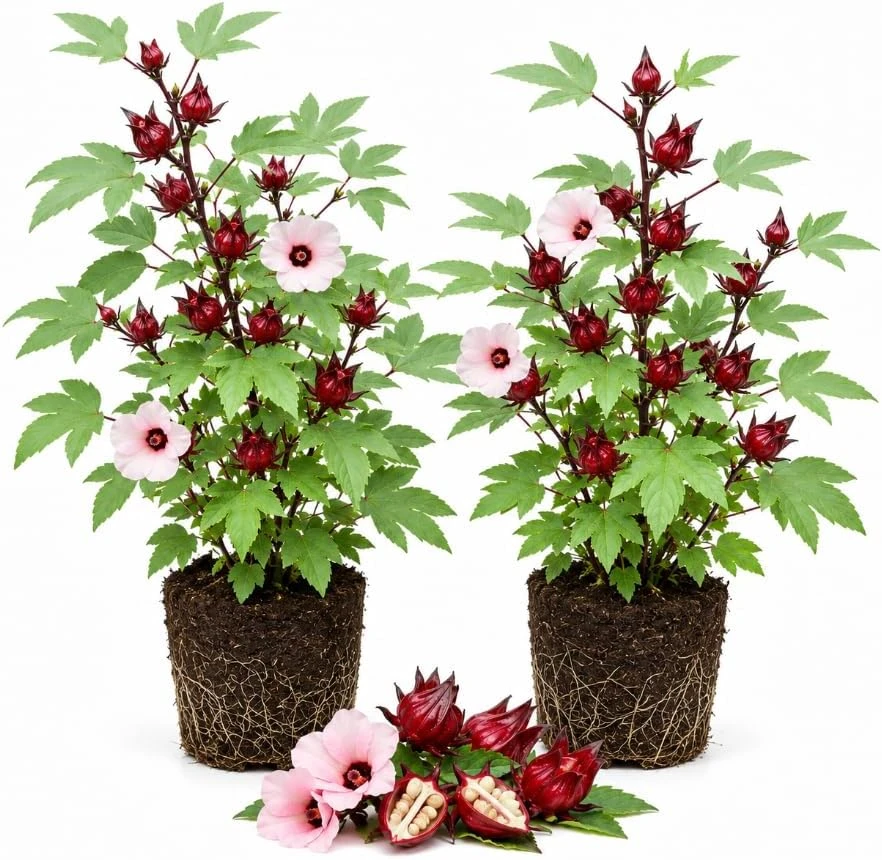
Red Roselle Live Plant Set – 2 Jamaican Hibiscus Plants in 4 Inch Pot, 6-10 Inches Tall, Outdoor


You May Like

How to Grow Passion Flower (Passiflora) for Tropical Blooms
Few climbing vines in the home garden command attention quite like the exotic Passion Flower (Passiflora). [...]
Nov

Thanksgiving Cactus Care: How to Get Thanksgiving Cactus to Bloom
Is your Thanksgiving cactus growing well but not giving you any flowers? Maybe it looked [...]
Nov

How to Grow Garlic for a Bountiful Home Harvest
Garlic (Allium sativum) is one of the most satisfying, low-maintenance, and flavor-packed crops you can [...]
Oct

Hardneck vs. Softneck Garlic: Which Should You Grow?
Have you ever stood in front of a seed catalog in mid-September, staring at dozens [...]
1 Comment
Oct

When to Plant Music Garlic: Ultimate US Fall Guide
Have you ever spent your fall weekend placing carefully chosen garlic cloves into rich, dark [...]
1 Comment
Oct

5 Best Bulbs for Fall Planting: Brighten Your Garden This Spring
Are you dreaming of a garden full of vibrant colors in the spring? The key [...]
Aug

10 Houseplants That Will Thrive in Your Kitchen
Are you tired of your kitchen feeling dull and lifeless? Want to add a little [...]
1 Comment
Aug
Reviews
There are no reviews yet.