
Tamarind Tree Seeds – Tamarindus indica – 10 Seeds – Grow Your Own Exotic Fruit
Original price was: 44.91 $.15.91 $Current price is: 15.91 $.
Cultivate your own exotic Tamarind Tree with this pack of 10 Tamarindus indica seeds. Perfect for ornamental gardens, edible fruit production, or even creating a unique bonsai specimen. Enjoy attracting local wildlife and the culinary versatility of fresh tamarind.
Estimated arrival
Nov 28
Dec 03 - Dec 05
Dec 05 - Dec 10
See our Shipping Policy.
Get in touch with us via email, and our team will review your concerns.
Our Alive & Thrive Guarantee covers issues with your plants within the first 30 days. Read our Refund & Returns Policy.
-
USDA Hardiness Zone
USDA Zones 9b-11 -
Soil Type
Well-draining, sandy loam soil -
Sunlight Exposure
Full sun -
Expected Planting Period
Spring to early summer (or year-round indoors)
Overview
Embark on a rewarding gardening journey by growing your very own tamarind tree seeds. This offering includes 10 Tamarindus indica seeds, allowing you to cultivate this magnificent and versatile tree right in your own garden or as a captivating indoor specimen. Known for its elegant form and delicious fruit, the Tamarindus indica is a popular choice for both ornamental landscaping and culinary purposes. Whether you’re an experienced gardener or just starting, growing a tamarind tree from seed offers a unique connection to nature and a source of fresh, exotic fruit.
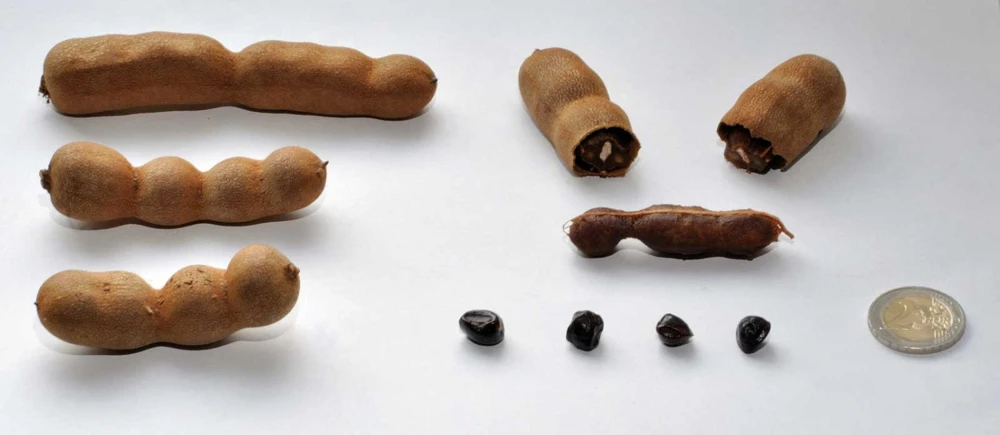
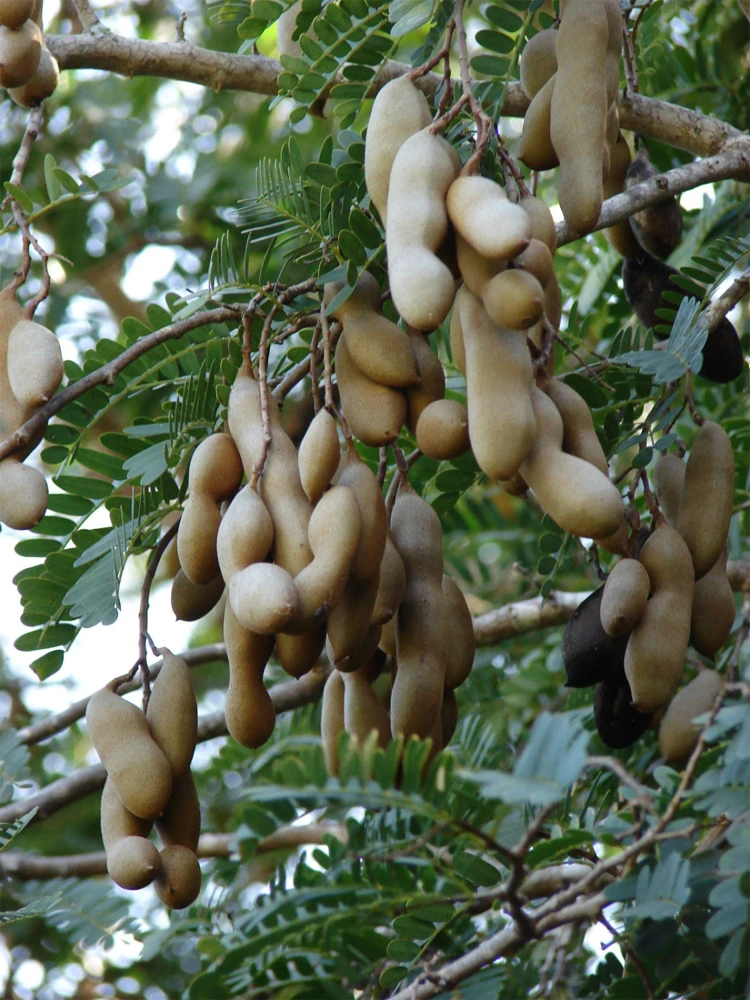
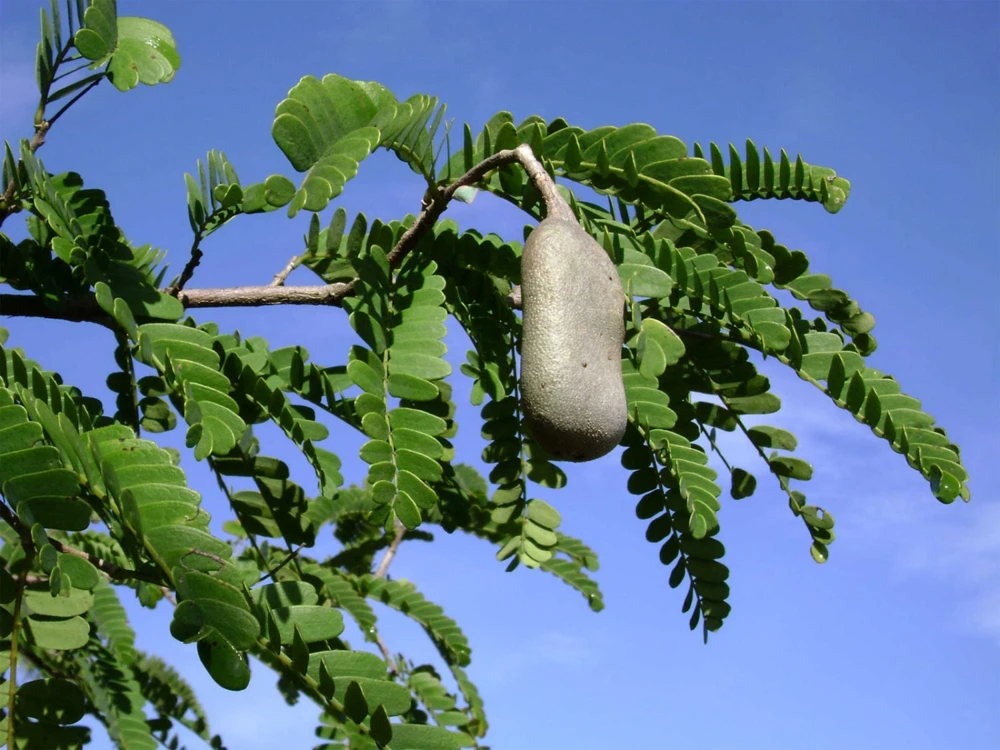
The Tamarindus indica, commonly known as the Tamarind Tree, is a tropical hardwood tree native to Africa, but widely cultivated throughout the world, particularly in Asia and Latin America. Its long, brown, pod-like fruits contain a sour, pulpy flesh that is a staple ingredient in countless cuisines, from chutneys and curries to refreshing beverages and even Worcestershire sauce. Beyond its culinary uses, the tamarind tree is also cherished for its aesthetic appeal, making it a beautiful addition to any landscape.
These tamarind tree seeds provide an exciting opportunity to cultivate a plant that is not only visually stunning but also highly beneficial. Imagine harvesting your own tamarind fruit, attracting pollinators like bees and butterflies, and even shaping a unique bonsai. This pack of 10 Tamarindus indica seeds is your first step towards a vibrant and productive garden.
Key Benefits
Growing a Tamarind Tree from seed offers a multitude of benefits, enriching your garden and your life with its unique characteristics and versatile uses. Here are some of the key advantages:
- Source of Exotic Fruit: Enjoy the satisfaction of harvesting your own fresh tamarind fruit, a key ingredient in many international dishes and beverages. The fruit is rich in vitamins and minerals, offering a healthy addition to your diet.
- Ornamental Beauty: The Tamarindus indica tree boasts a graceful canopy and attractive foliage, making it an excellent ornamental addition to any yard or patio. Its elegant structure can also be trained into a stunning bonsai.
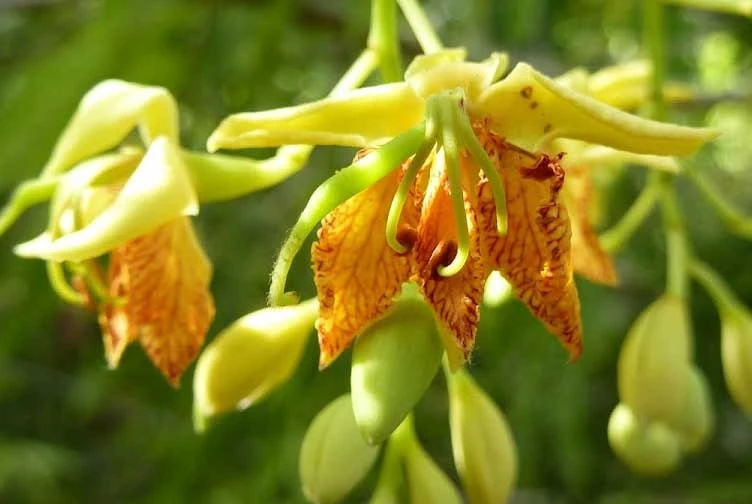
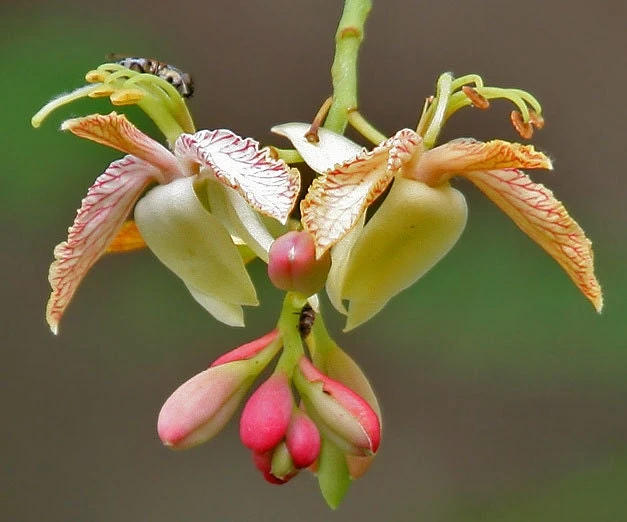
- Attracts Pollinators: The flowers of the tamarind tree are a magnet for local wildlife, including birds, bees, and butterflies, contributing to the biodiversity of your garden and supporting local ecosystems. It’s an excellent nectar source for honeybees.
- Larval Host Plant: This tree serves as a vital larval host plant for several butterfly species, including Charaxes bernardus, Charaxes solon, Charaxes psaphon, Charaxes ethalion, and Polyura athamas, supporting their life cycle.
- Versatile Culinary Uses: The fruit pulp is widely used as a flavoring agent in various cuisines, from savory dishes like curries and sauces to sweet treats and refreshing drinks. Discover the joy of cooking with your own homegrown tamarind.
- Bonsai Potential: For enthusiasts of the art of bonsai, the Tamarindus indica is a fantastic specimen to shape and cultivate, offering a miniature version of its grand form. This can be a rewarding way to grow tamarind tree.
- Educational Experience: Growing trees from seed, especially exotic ones like the tamarind tree, provides an enriching educational experience for gardeners of all ages, teaching patience and the wonders of nature.
Plant Care & Growing Tips
Cultivating a Tamarind Tree from these tamarind tree seeds can be a rewarding experience with the right care. Tamarind trees thrive in warm, tropical, and subtropical climates. They prefer a location where they can receive full sun, meaning at least 6-8 hours of direct sunlight per day. If growing indoors, place your plant near a south-facing window or use supplemental grow lights to ensure it gets adequate light.
When it comes to watering, young tamarind plants require consistent moisture, especially during their initial growth stages. Water thoroughly when the top inch of soil feels dry to the touch, but avoid overwatering, which can lead to root rot. As the tree matures, it becomes more drought-tolerant. The ideal soil for a Tamarindus indica is well-draining, sandy loam with a slightly acidic to neutral pH (6.0-7.0). Good drainage is crucial to prevent waterlogging. For potted plants, use a high-quality potting mix blended with sand or perlite to improve drainage.
The tamarind tree is sensitive to cold temperatures and is best suited for USDA Hardiness Zones 9b to 11. If you live in a cooler climate, it’s best to grow your tamarind in a container that can be brought indoors during the colder months. Fertilize young trees every 2-3 months with a balanced, slow-release fertilizer. As the tree grows, reduce fertilization to 2-3 times a year. Watch out for common pests like aphids, scale insects, and mealybugs, and treat them with organic insecticidal soap if necessary. Pruning can be done to shape the tree and remove any dead or diseased branches, especially if you are aiming to create a beautiful bonsai tree.
Size & Details
This product includes 10 Tamarindus indica seeds, providing a generous quantity to start your tamarind growing adventure. Once established, a tamarind tree can grow quite large in its natural habitat, reaching heights of 40-80 feet with a spread of 20-40 feet. However, when grown in containers or pruned regularly, it can be maintained at a much smaller, manageable size, making it suitable for patios or as an indoor plant. For those looking to grow tamarind tree as a bonsai, consistent pruning and training will keep it compact.
The seeds will typically germinate within 1-3 weeks under optimal conditions. While fruiting can take several years (typically 3-6 years from seed), the ornamental value of the tree begins much sooner. Each seed is carefully selected to ensure viability, giving you the best chance to cultivate a healthy and productive Tamarindus indica. The mature fruit pods are typically 3-6 inches long, containing the edible pulp and seeds.
Frequently Asked Questions
- Q: How big does this plant get if I grow it from these tamarind tree seeds? A: In its natural environment, a Tamarindus indica can grow up to 80 feet tall. However, if grown in a container or regularly pruned, especially for bonsai, it can be kept much smaller, typically 6-15 feet.
- Q: Is this an indoor or outdoor plant? A: The tamarind tree is a tropical plant best suited for outdoor growth in USDA Zones 9b-11. In colder climates, it can be grown indoors in a pot and moved outside during warm seasons.
- Q: How much sunlight does the tamarind tree need? A: Tamarind trees thrive in full sun, requiring at least 6-8 hours of direct sunlight daily. If growing indoors, ensure it receives ample light from a south-facing window or supplemental lighting.
- Q: Is this plant easy to care for, especially for beginners who want to grow tamarind tree? A: While growing from seed requires patience, tamarind trees are relatively low-maintenance once established, especially if provided with adequate sunlight and well-draining soil. They are considered moderately easy for enthusiastic beginners.
- Q: What condition will the tamarind tree seeds arrive in? A: Your 10 Tamarindus indica seeds will arrive carefully packaged to ensure their integrity and viability, ready for planting upon arrival.
- Q: How long until the tamarind tree blooms or produces fruit? A: When grown from seed, a tamarind tree typically begins to flower and produce fruit within 3 to 6 years, depending on growing conditions and care.
- Q: What’s the best time to plant these tamarind tree seeds? A: The best time to plant tamarind tree seeds is in spring or early summer when temperatures are consistently warm, or year-round if starting indoors in a controlled environment.
- Q: Can I use the fruit from this tree in cooking? A: Yes, the fruit from the Tamarindus indica is highly prized for its culinary uses. It is a key ingredient in many dishes, sauces, and beverages around the world.
- Q: What kind of soil is best for tamarind tree seeds? A: Tamarindus indica prefers well-draining, sandy loam soil. For container growing, a good quality potting mix amended with sand or perlite to enhance drainage is ideal.
- Q: Can I use these seeds to make a bonsai tree? A: Absolutely! The Tamarindus indica is a popular choice for bonsai enthusiasts due to its attractive foliage and ability to be shaped and miniaturized through pruning and training. These tamarind tree seeds are a great starting point for a bonsai project.
Be the first to review “Tamarind Tree Seeds – Tamarindus indica – 10 Seeds – Grow Your Own Exotic Fruit”
Related products


You May Like

How to Grow Passion Flower (Passiflora) for Tropical Blooms
Few climbing vines in the home garden command attention quite like the exotic Passion Flower (Passiflora). [...]
Nov

Thanksgiving Cactus Care: How to Get Thanksgiving Cactus to Bloom
Is your Thanksgiving cactus growing well but not giving you any flowers? Maybe it looked [...]
Nov

How to Grow Garlic for a Bountiful Home Harvest
Garlic (Allium sativum) is one of the most satisfying, low-maintenance, and flavor-packed crops you can [...]
Oct

Hardneck vs. Softneck Garlic: Which Should You Grow?
Have you ever stood in front of a seed catalog in mid-September, staring at dozens [...]
1 Comment
Oct

When to Plant Music Garlic: Ultimate US Fall Guide
Have you ever spent your fall weekend placing carefully chosen garlic cloves into rich, dark [...]
1 Comment
Oct

5 Best Bulbs for Fall Planting: Brighten Your Garden This Spring
Are you dreaming of a garden full of vibrant colors in the spring? The key [...]
Aug

10 Houseplants That Will Thrive in Your Kitchen
Are you tired of your kitchen feeling dull and lifeless? Want to add a little [...]
1 Comment
Aug
Reviews
There are no reviews yet.