
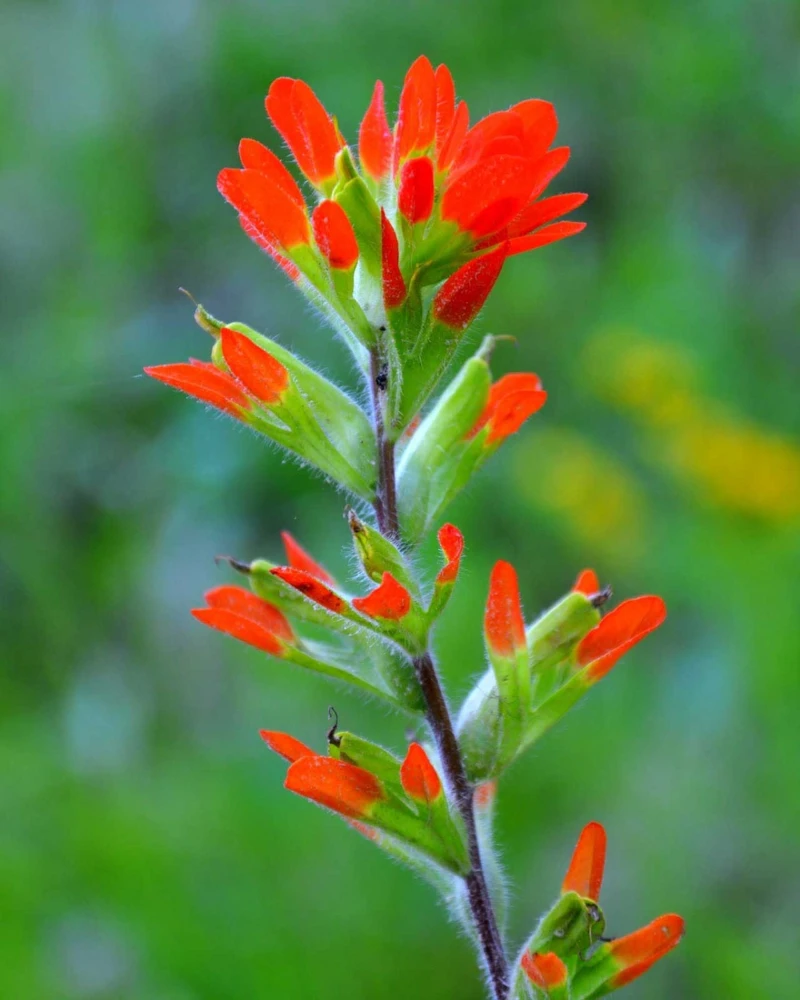
Scarlet Indian Paintbrush Seeds – Prairie Fire – 100 Seeds – Attracts Pollinators
Original price was: 56.59 $.27.59 $Current price is: 27.59 $.
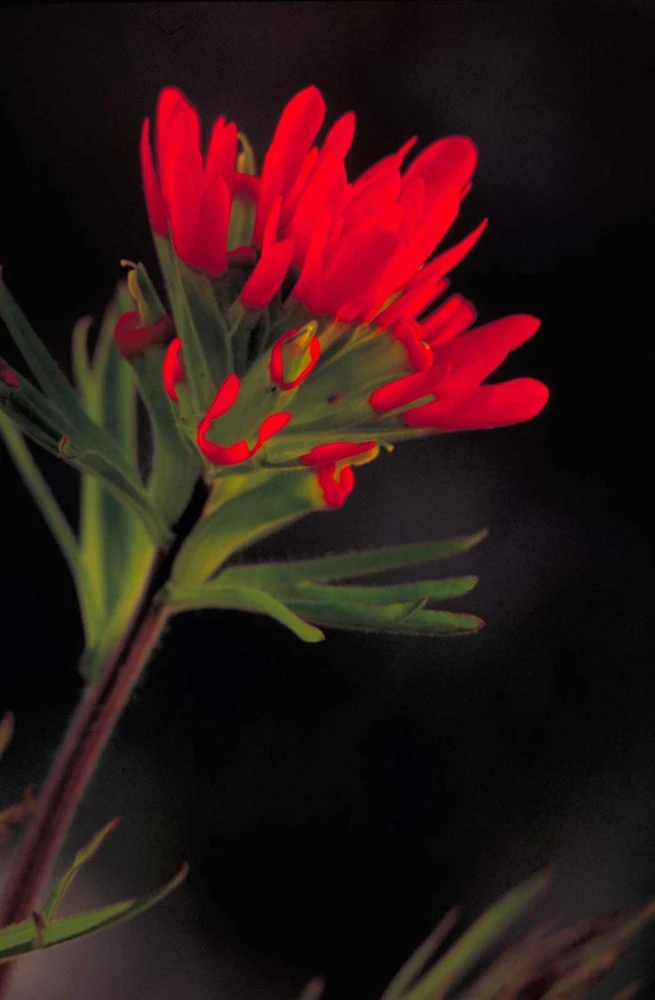
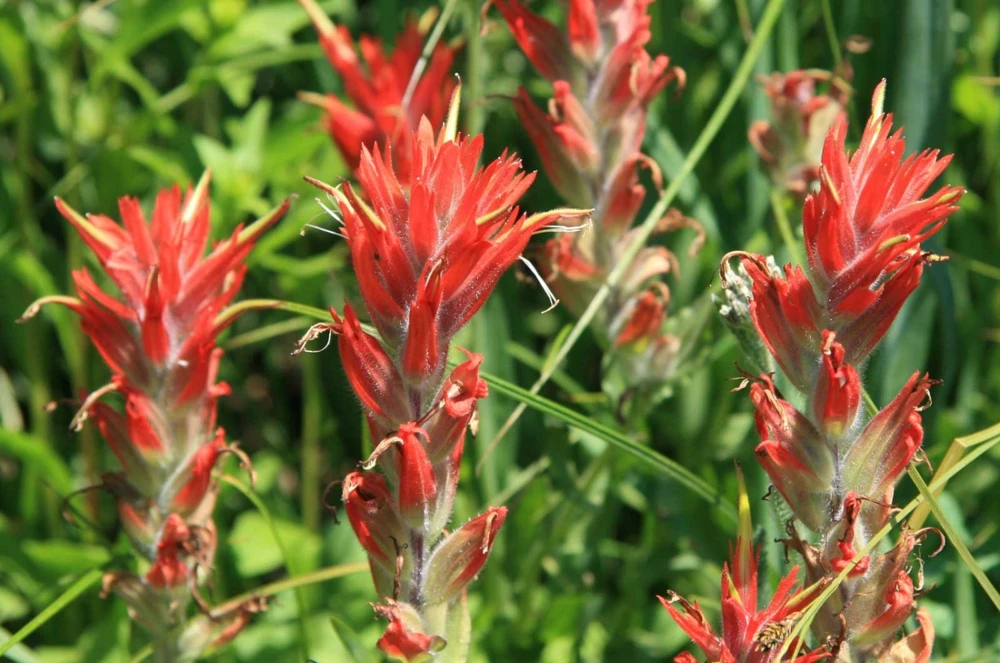
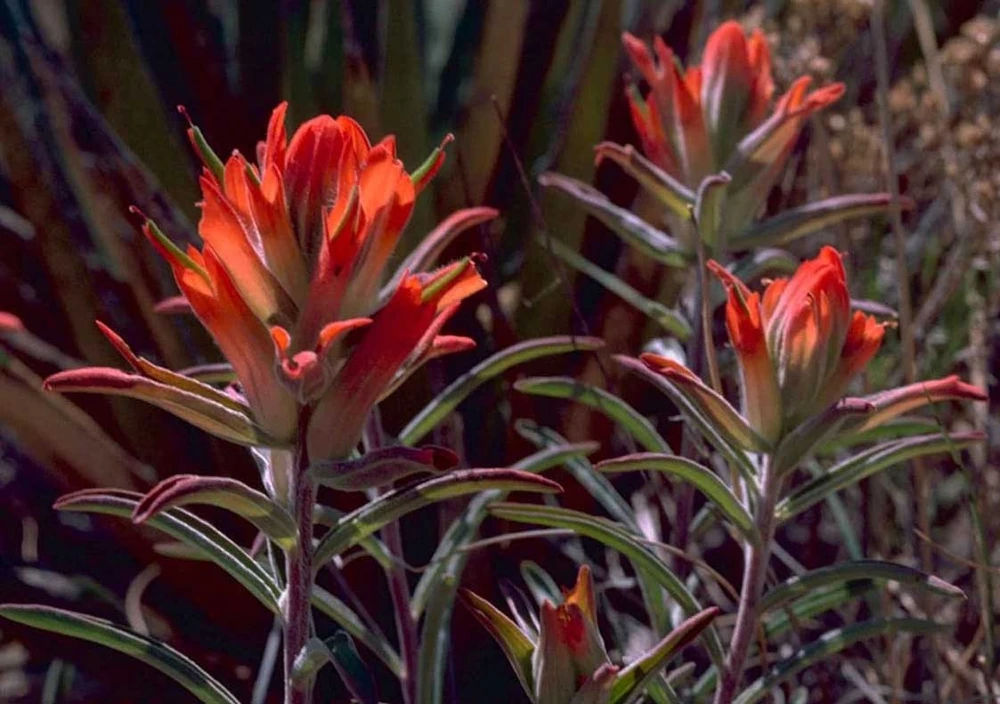
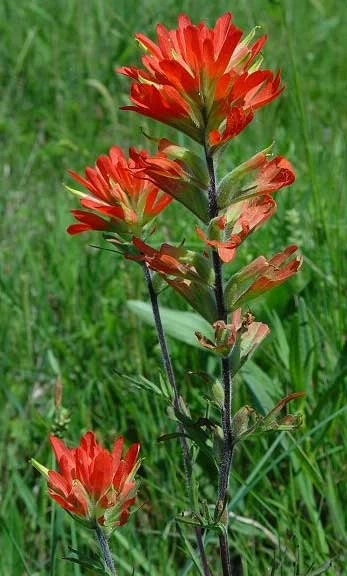
Cultivate stunning scarlet indian paintbrush seeds (Castilleja coccinea) in your garden. Also known as prairie fire seeds, these 100 seeds will grow into beautiful perennials that attract butterflies, bees, and birds.
Estimated arrival
Nov 26
Dec 01 - Dec 03
Dec 03 - Dec 08
See our Shipping Policy.
Get in touch with us via email, and our team will review your concerns.
Our Alive & Thrive Guarantee covers issues with your plants within the first 30 days. Read our Refund & Returns Policy.
-
USDA Hardiness Zone
4b to 8 -
Soil Type
Well-draining, sandy or loamy soil -
Sunlight Exposure
Full sun to partial shade -
Expected Planting Period
Late fall to early spring (after cold stratification)
Overview
Bring the vibrant beauty of native wildflowers to your garden with our premium scarlet indian paintbrush seeds. Each packet contains 100 seeds of Castilleja coccinea, also affectionately known as Prairie Fire. This striking perennial is celebrated for its brilliant, flame-like blossoms that paint the landscape in shades of yellow, red, and orange from mid-spring through early summer. Growing to an average height of 2 feet, these plants are not only a visual delight but also a crucial component of a thriving ecosystem. They are incredibly popular with local pollinators, including various species of butterflies, bees, and birds, making them an excellent choice for anyone looking to create a vibrant wildlife habitat or a dedicated pollinator garden seeds collection. These seeds offer a unique opportunity to grow a truly spectacular and ecologically beneficial plant.
The allure of the Scarlet Indian Paintbrush extends beyond its aesthetic appeal. It serves as a vital larval host plant for several butterfly species, including the Chalcedon Checkerspot, Theona Checkerspot, Black Checkerspot, Ediths Checkerspot, Fulvia Checkerspot, and Leanira Checkerspot. By planting these castilleja coccinea seeds, you are directly contributing to the conservation of these magnificent insects. The flowers, surprisingly, are edible and can add a unique, peppery zest to salads, offering an unexpected culinary bonus to this already remarkable plant. Embrace the joy of growing this iconic American wildflower and transform your outdoor space into a dynamic, living canvas. Our scarlet indian paintbrush seeds are perfect for gardeners seeking both beauty and ecological impact.
Key Benefits
Planting scarlet indian paintbrush seeds offers a myriad of advantages for both your garden and the environment. These seeds germinate into robust plants that provide continuous beauty and ecological service throughout their growing season.
- Attracts Pollinators: The vivid blooms of the Scarlet Indian Paintbrush are a magnet for essential garden visitors, significantly increasing the presence of butterflies, bees, and hummingbirds. This makes them ideal for anyone focusing on creating a dedicated pollinator garden seeds area.
- Supports Butterfly Life Cycles: As a crucial larval host plant for multiple checkerspot butterfly species, these plants play a direct role in supporting and enhancing local butterfly populations, offering a unique contribution to biodiversity.
- Drought Tolerant & Low Maintenance: Once established, these plants are remarkably resilient, requiring minimal care and adapting well to various conditions, making them a great choice for sustainable gardening.
- Edible Flowers: The colorful blossoms can be harvested and used to add a peppery flavor and vibrant hue to salads and other culinary dishes, offering an unexpected edible benefit.
- Native Wildflower Beauty: Enhance your landscape with the natural charm and striking colors of this iconic American wildflower, creating a visually stunning and ecologically rich environment.
- Long Blooming Season: Enjoy a prolonged display of brilliant yellow, red, and orange flowers from mid-spring to early summer, providing continuous color and interest in your garden. Growing prairie fire seeds ensures a spectacular display.
- Hardy Perennial: Suitable for USDA Hardiness Zones 4b to 8, these plants return year after year, providing reliable beauty and reducing the need for annual replanting.
Plant Care & Growing Tips
Growing scarlet indian paintbrush seeds requires a bit of patience and understanding of their specific needs, particularly their hemiparasitic nature, meaning they need a host plant to thrive. Begin by cold stratifying your prairie fire seeds for at least 60 days to break dormancy. After stratification, sow the seeds directly outdoors in late fall or early spring. They prefer a location with full sun to partial shade, receiving at least 6 hours of direct sunlight daily for optimal flowering. The soil should be well-draining, sandy, or loamy, and not overly rich in nutrients. These plants are often found in meadows and prairies, so replicating those conditions is ideal. When planting, it’s crucial to sow the seeds near a suitable host plant, such as native grasses or perennial sages, as the Indian Paintbrush will tap into the roots of these plants for some of its water and nutrient needs. This symbiotic relationship is key to successful cultivation of castilleja coccinea seeds.
Water young plants regularly until established, ensuring the soil remains consistently moist but not waterlogged. Once mature, Scarlet Indian Paintbrush is quite drought-tolerant. Avoid over-fertilizing, as this can hinder their growth, especially if they are already connected to a host plant. The plant thrives in USDA Hardiness Zones 4b to 8, making it suitable for a wide range of climates. Deadheading spent blooms is not strictly necessary but can encourage a tidier appearance. Watch for common garden pests, though these native plants are generally quite resilient. Providing the right host plant and appropriate light and soil conditions will ensure your scarlet indian paintbrush seeds flourish into a spectacular display of color, enriching your garden and supporting local wildlife. These native wildflower seeds are a rewarding addition to any garden.
Size & Details
Each packet contains 100 high-quality scarlet indian paintbrush seeds (Castilleja coccinea), ready for stratification and planting. Once established, these perennial plants typically grow to a height of about 2 feet, creating an upright and striking presence in your garden. Their vibrant blossoms, spanning a spectrum of yellows, reds, and oranges, emerge from mid-spring and continue to dazzle until early summer. The seeds are best sown in late fall or early spring after a period of cold stratification, with germination typically occurring in the spring. As a hemiparasitic plant, the Scarlet Indian Paintbrush requires a host plant, such as native grasses or other perennials, to fully thrive, making strategic placement important for success. The plant’s growth rate is moderate, with established plants returning year after year.
These prairie fire seeds are ideal for naturalized areas, wildflower meadows, and pollinator gardens. The mature plant’s spread is generally compact, making it suitable for various garden sizes. The flowers themselves are relatively small but appear in dense clusters, creating a significant visual impact. Expect to see the first blooms typically in the second year after planting, as the plant focuses on developing a strong root system and establishing its connection with host plants in its initial season. This packet of native wildflower seeds provides ample opportunity to cultivate a beautiful and ecologically beneficial addition to your landscape, supporting a variety of local pollinators and butterfly species with its unique charm and vital role.
Frequently Asked Questions
- Q: How many scarlet indian paintbrush seeds are included in this packet? A: This packet contains 100 premium scarlet indian paintbrush seeds, providing a generous quantity for planting and establishing a beautiful patch of these native wildflowers in your garden.
- Q: What are the ideal growing conditions for Castilleja coccinea? A: Castilleja coccinea, also known as prairie fire seeds, thrives in full sun to partial shade and requires well-draining, sandy or loamy soil. It’s crucial to plant them near a host plant, such as native grasses, for successful growth.
- Q: Is this plant easy to care for? A: While growing castilleja coccinea seeds requires initial understanding of their need for a host plant and cold stratification, once established, they are relatively low-maintenance and drought-tolerant perennials suitable for USDA Zones 4b-8.
- Q: When is the best time to plant these native wildflower seeds? A: After cold stratification, the best time to sow native wildflower seeds like the Scarlet Indian Paintbrush is in late fall or very early spring, allowing them to experience natural temperature fluctuations.
- Q: How tall does the Scarlet Indian Paintbrush typically grow? A: The Scarlet Indian Paintbrush generally grows to an average height of about 2 feet, creating a distinctive vertical element in your garden with its vibrant blooms.
- Q: Can the flowers of the Scarlet Indian Paintbrush be eaten? A: Yes, the flowers of Castilleja coccinea are edible and can be used to add a unique, slightly peppery flavor and beautiful color to salads.
- Q: What kind of pollinators do these plants attract? A: These pollinator garden seeds grow into plants that are highly attractive to a wide range of pollinators, including various species of butterflies, bees, and hummingbirds, making them excellent for biodiversity.
- Q: Do these seeds require cold stratification? A: Yes, scarlet indian paintbrush seeds require a period of cold stratification, typically 60 days, to break dormancy and ensure successful germination.
- Q: Will these plants come back every year? A: Yes, Scarlet Indian Paintbrush is a perennial plant, meaning that once established within its suitable USDA Hardiness Zones (4b to 8), it will return and bloom year after year.
- Q: What is the significance of the Scarlet Indian Paintbrush for butterflies? A: The Scarlet Indian Paintbrush is a vital larval host plant for several checkerspot butterfly species, including the Chalcedon, Theona, Black, Ediths, Fulvia, and Leanira Checkerspots, supporting their life cycle.
Be the first to review “Scarlet Indian Paintbrush Seeds – Prairie Fire – 100 Seeds – Attracts Pollinators”
Related products


Flower Seeds
Blue Stock Matthiola Incana Seeds – 50 Fragrant Gillyflower Seeds – Ten-Week Blue Stock


You May Like

How to Grow Passion Flower (Passiflora) for Tropical Blooms
Few climbing vines in the home garden command attention quite like the exotic Passion Flower (Passiflora). [...]
Nov

Thanksgiving Cactus Care: How to Get Thanksgiving Cactus to Bloom
Is your Thanksgiving cactus growing well but not giving you any flowers? Maybe it looked [...]
Nov

How to Grow Garlic for a Bountiful Home Harvest
Garlic (Allium sativum) is one of the most satisfying, low-maintenance, and flavor-packed crops you can [...]
Oct

Hardneck vs. Softneck Garlic: Which Should You Grow?
Have you ever stood in front of a seed catalog in mid-September, staring at dozens [...]
1 Comment
Oct

When to Plant Music Garlic: Ultimate US Fall Guide
Have you ever spent your fall weekend placing carefully chosen garlic cloves into rich, dark [...]
1 Comment
Oct

5 Best Bulbs for Fall Planting: Brighten Your Garden This Spring
Are you dreaming of a garden full of vibrant colors in the spring? The key [...]
Aug

10 Houseplants That Will Thrive in Your Kitchen
Are you tired of your kitchen feeling dull and lifeless? Want to add a little [...]
1 Comment
Aug
Reviews
There are no reviews yet.