
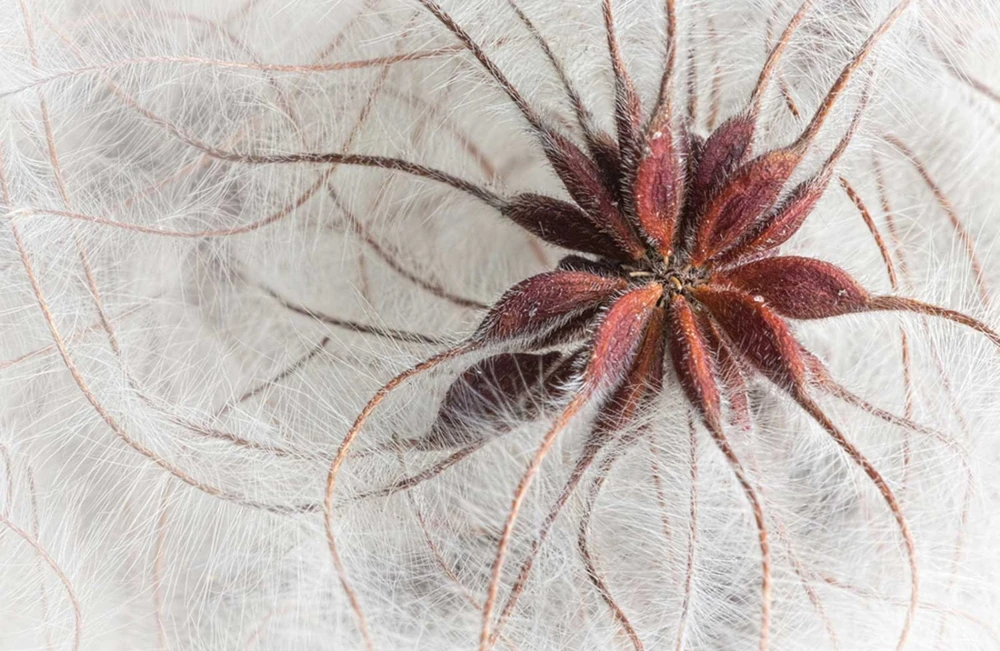
Clematis vitalba Seeds | Traveller’s Joy | Old Man’s Beard | 100 Seeds | Climber
Original price was: 44.91 $.15.91 $Current price is: 15.91 $.
Cultivate the vigorous Clematis vitalba seeds, also known as Traveller’s Joy seeds or Old Man’s Beard seeds. This hardy climbing shrub is a magnet for pollinators like bees and butterflies, offering beautiful foliage and unique seed heads. Perfect for adding vertical interest to your garden.
Estimated arrival
Nov 26
Dec 01 - Dec 03
Dec 03 - Dec 08
See our Shipping Policy.
Get in touch with us via email, and our team will review your concerns.
Our Alive & Thrive Guarantee covers issues with your plants within the first 30 days. Read our Refund & Returns Policy.
-
USDA Hardiness Zone
4 to 9 -
Soil Type
Well-draining, fertile loam -
Sunlight Exposure
Full sun to light shade -
Expected Planting Period
Spring to early summer
Overview
Embark on a rewarding gardening journey with Clematis vitalba seeds. Also widely recognized as Traveller’s Joy, Devil’s Darning Needles, Devil’s Hair, Love Vine, Virgin’s Bower, Virginia Virgins Bower, Wild Hops, Woodbine, and Old Man’s Beard, this fascinating climbing shrub is a true marvel of nature. Originating from Europe, this plant is celebrated for its vigorous growth and its ecological importance. It’s a favorite nectar source for various bee species, as well as several butterfly types including the Gatekeeper, Meadow Brown, and Silver-washed Fritillary. Furthermore, it serves as a crucial larval host plant for moths such as the Mottled Beauty, Lime-speck Pug, Small Emerald, Small Waved Umber, and Haworth’s Pug. Growing Clematis vitalba seeds allows you to introduce a piece of living history into your landscape, a plant once used for rope-making in Stone Age Switzerland and for basketry in Slovenia. Its adaptability and charm make it an excellent choice for gardeners seeking a plant that offers both beauty and ecological benefits.
Key Benefits
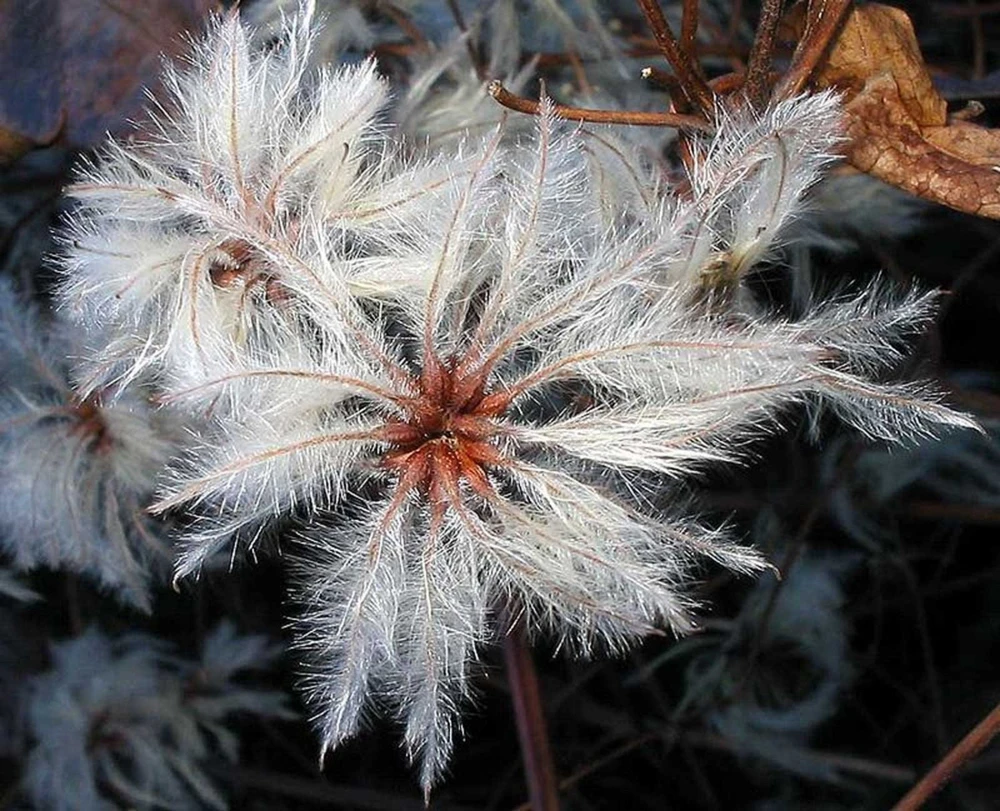
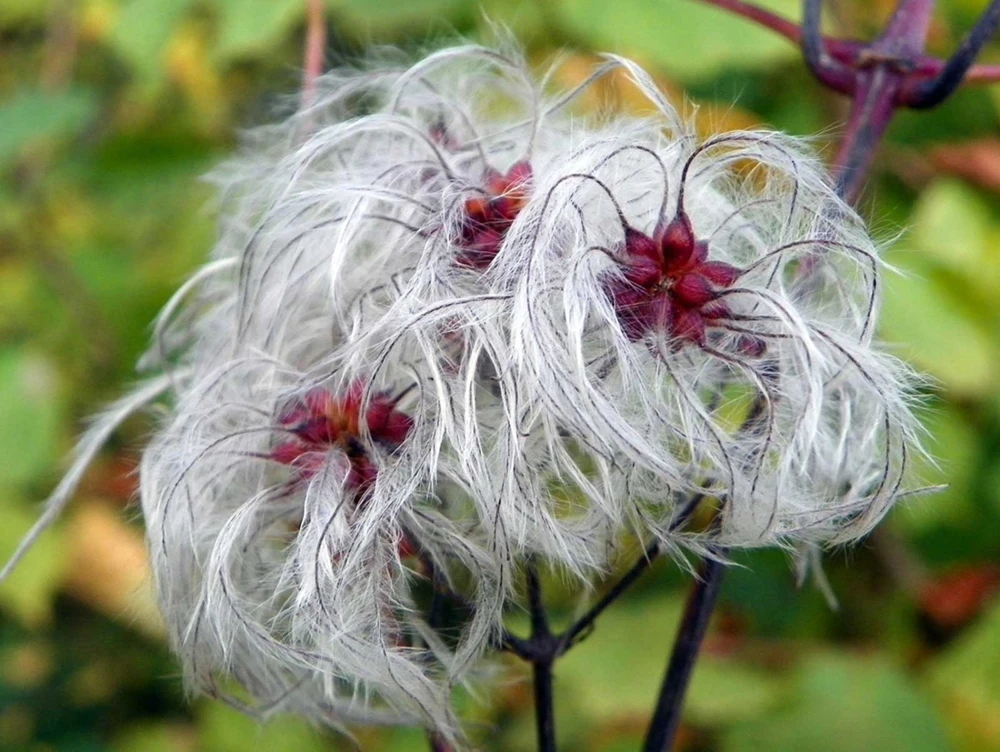
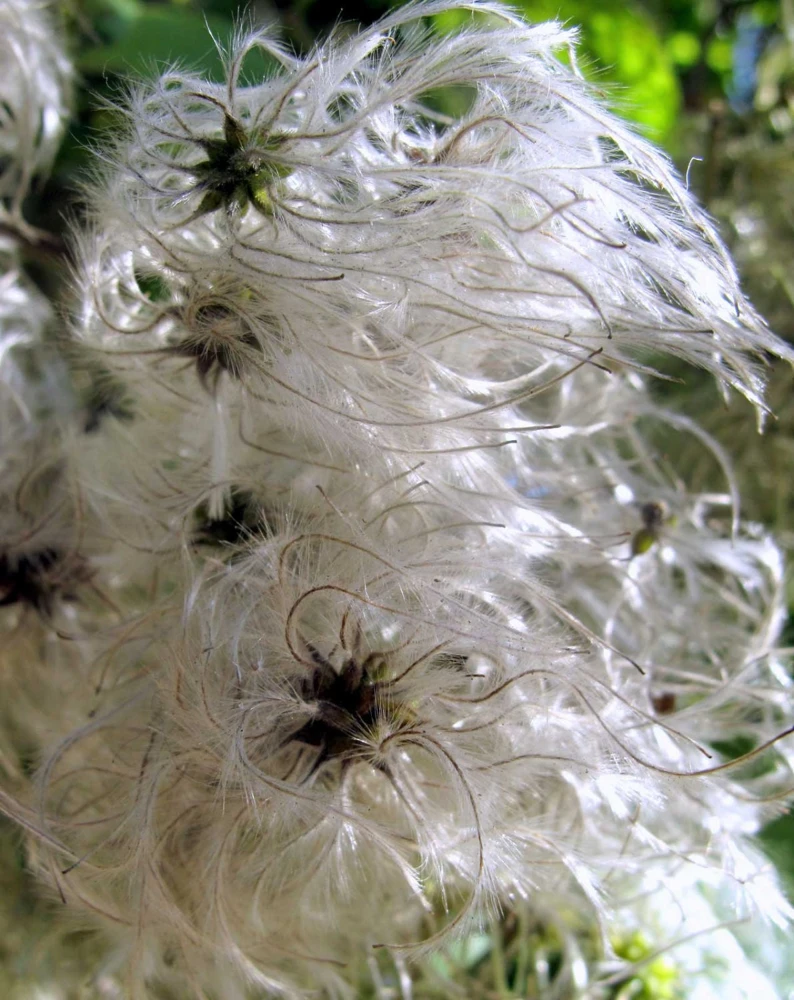
Choosing to plant Clematis vitalba seeds brings a multitude of advantages to your garden and local ecosystem. This robust climber offers continuous visual interest and supports local wildlife. The unique seed heads, resembling an ‘Old Man’s Beard’, provide aesthetic appeal long after the flowering season, ensuring your garden remains vibrant.
- Pollinator Magnet: Attracts a wide array of beneficial insects, including various bee species and butterflies like the Gatekeeper and Meadow Brown, making it an essential plant for a thriving pollinator garden.
- Moth Larval Host: Provides vital support for the life cycles of several moth species, such as the Mottled Beauty and Lime-speck Pug, contributing to biodiversity.
- Historical Significance: Connect with ancient traditions; this plant was historically used for crafting ropes and baskets, adding a unique story to your garden.
- Vigorous Climber: Its strong climbing habit makes it ideal for covering fences, arbors, or walls, offering lush green foliage and a natural screen.
- Adaptable & Hardy: Thrives in a range of conditions, from full sun to light shade, and is hardy across USDA Zones 4 to 9, making it suitable for many climates.
- Unique Seed Heads: After flowering, the plant produces distinctive, fluffy seed heads that resemble an ‘Old Man’s Beard’, providing winter interest and a unique texture to the landscape.
- Low Maintenance: Once established, Traveller’s Joy seeds grow into a relatively low-maintenance plant, requiring minimal intervention to flourish.
Plant Care & Growing Tips
Successfully growing Clematis vitalba seeds requires attention to its preferred conditions, ensuring a healthy and vigorous climber. This plant thrives in full sun but can tolerate some light shade, especially in hotter climates where afternoon shade can prevent scorching. Aim for at least 6 hours of direct sunlight daily for optimal growth and flowering. When it comes to watering, Clematis vitalba prefers consistently moist, but not waterlogged, soil. Water deeply, especially during dry spells and in its first year of establishment, allowing the top inch or two of soil to dry out slightly between waterings.
The ideal soil type for Clematis vitalba seeds is well-draining, fertile loam. It’s adaptable but performs best in soil enriched with organic matter. Ensure good drainage to prevent root rot. This hardy plant is suitable for USDA Hardiness Zones 4 to 9, indicating its tolerance to a broad range of temperatures. In colder zones, a layer of mulch around the base can provide extra winter protection. Fertilize in early spring with a balanced slow-release fertilizer designed for flowering shrubs to support its vigorous growth and abundant blooms. Regular pruning after flowering can help manage its size and encourage new growth. Watch out for common pests like aphids, which can be managed with insecticidal soap, and fungal diseases like clematis wilt, which can be mitigated by ensuring good air circulation and appropriate watering practices. Understanding how to grow Clematis vitalba successfully will ensure years of enjoyment.
Size & Details
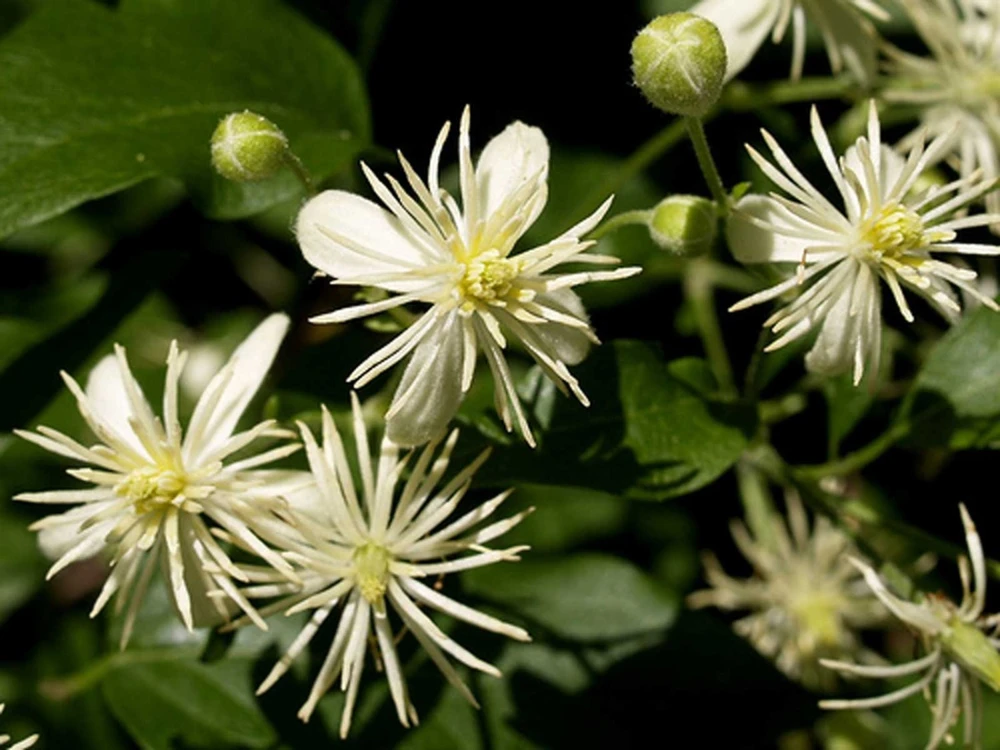
These Clematis vitalba seeds will grow into a robust and sprawling climbing shrub. Mature plants typically reach heights of 15 to 30 feet, with a spread that can be equally impressive, making it an excellent choice for large trellises, pergolas, or as a ground cover in extensive areas. The vigorous growth rate means it can quickly establish itself and provide coverage. Each packet contains 100 seeds, offering a generous quantity to start your garden project. The plant will develop creamy-white flowers in late summer, followed by its characteristic fluffy seed heads that persist into winter. While the initial growth from seed may take a season or two to establish a strong root system, once mature, this climber is known for its resilience and longevity. Expect to see significant vertical growth within the first few years, transforming your landscape with its natural beauty and ecological benefits.
Frequently Asked Questions
- Q: How big does this plant get? A: Clematis vitalba is a vigorous climber that can reach impressive heights of 15 to 30 feet, with a similar spread. It’s best suited for areas where it has plenty of room to grow and climb, such as large fences or arbors.
- Q: Is this an indoor or outdoor plant? A: Clematis vitalba is an outdoor climbing shrub. It thrives in garden settings where it can receive adequate sunlight and has structures to climb upon. It is not suitable for indoor cultivation.
- Q: How much sunlight does it need? A: This plant prefers full sun, ideally receiving at least 6 hours of direct sunlight per day. It can tolerate some light shade, especially in regions with intense summer heat, but full sun promotes the best growth and flowering.
- Q: Is this plant easy to care for? A: Once established, Clematis vitalba is considered a relatively low-maintenance plant. It’s hardy and adaptable, making it a good choice for gardeners looking for a robust climber. Regular watering during dry periods and occasional pruning are beneficial.
- Q: What condition will the seeds arrive in? A: The product consists of 100 Clematis vitalba seeds, carefully packaged to ensure their viability upon arrival. You will receive the seeds ready for planting, not a live plant.
- Q: How long until it blooms? A: From seed, it typically takes a few seasons for Clematis vitalba to establish a strong root system and begin flowering. Expect blooms in late summer once the plant is mature.
- Q: Will it survive winter in my zone? A: Yes, Old Man’s Beard seeds will grow into plants hardy across USDA Hardiness Zones 4 to 9. This wide range indicates its ability to withstand various winter conditions in many parts of the US.
- Q: What is the best way to propagate Clematis vitalba? A: While it can be propagated from cuttings, starting with Clematis vitalba seeds is a common and effective method. Stratification may be required to break dormancy and encourage germination.
- Q: What are the main benefits of planting Traveller’s Joy seeds? A: The primary benefits include attracting a wide range of pollinators like bees and butterflies, serving as a larval host plant for various moths, and providing a vigorous, hardy climbing plant with unique aesthetic appeal through its fluffy seed heads. It’s also an excellent way to learn how to grow Clematis vitalba from scratch.
- Q: Can these climber plant seeds be used for erosion control? A: Due to its vigorous and sprawling growth habit, Clematis vitalba can be an effective plant for erosion control on slopes or embankments, helping to stabilize soil with its extensive root system.
Be the first to review “Clematis vitalba Seeds | Traveller’s Joy | Old Man’s Beard | 100 Seeds | Climber”
Related products


You May Like

How to Grow Passion Flower (Passiflora) for Tropical Blooms
Few climbing vines in the home garden command attention quite like the exotic Passion Flower (Passiflora). [...]
Nov

Thanksgiving Cactus Care: How to Get Thanksgiving Cactus to Bloom
Is your Thanksgiving cactus growing well but not giving you any flowers? Maybe it looked [...]
Nov

How to Grow Garlic for a Bountiful Home Harvest
Garlic (Allium sativum) is one of the most satisfying, low-maintenance, and flavor-packed crops you can [...]
Oct

Hardneck vs. Softneck Garlic: Which Should You Grow?
Have you ever stood in front of a seed catalog in mid-September, staring at dozens [...]
1 Comment
Oct

When to Plant Music Garlic: Ultimate US Fall Guide
Have you ever spent your fall weekend placing carefully chosen garlic cloves into rich, dark [...]
1 Comment
Oct

5 Best Bulbs for Fall Planting: Brighten Your Garden This Spring
Are you dreaming of a garden full of vibrant colors in the spring? The key [...]
Aug

10 Houseplants That Will Thrive in Your Kitchen
Are you tired of your kitchen feeling dull and lifeless? Want to add a little [...]
1 Comment
Aug
Reviews
There are no reviews yet.