
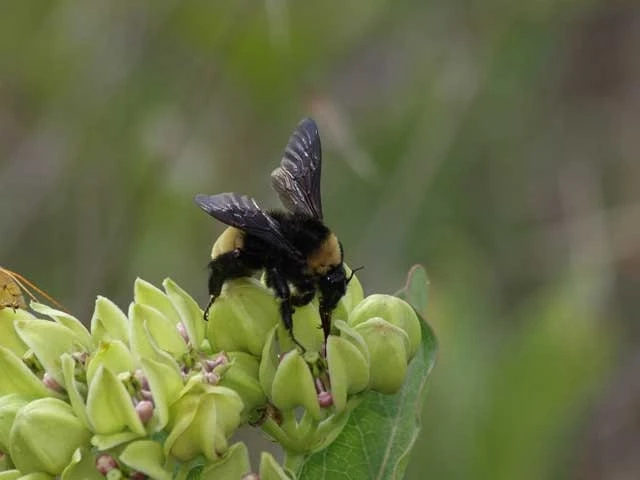
Green Antelopehorn Spider Milkweed Seeds – Asclepias viridis – 50 Count – Attracts Monarchs
Original price was: 48.91 $.19.91 $Current price is: 19.91 $.
Cultivate green antelopehorn spider milkweed seeds (Asclepias viridis) to create a vital habitat for Monarch butterflies. These asclepias viridis seeds yield low-maintenance plants that thrive in full sun, attracting a variety of pollinators to your garden. Each pack contains 50 seeds, perfect for supporting local ecosystems.
Estimated arrival
Nov 27
Dec 02 - Dec 04
Dec 04 - Dec 09
See our Shipping Policy.
Get in touch with us via email, and our team will review your concerns.
Our Alive & Thrive Guarantee covers issues with your plants within the first 30 days. Read our Refund & Returns Policy.
-
USDA Hardiness Zone
USDA Zones 4 to 9 -
Soil Type
Almost any soil, well-draining -
Sunlight Exposure
Full sun -
Expected Planting Period
Late fall or early spring
Overview
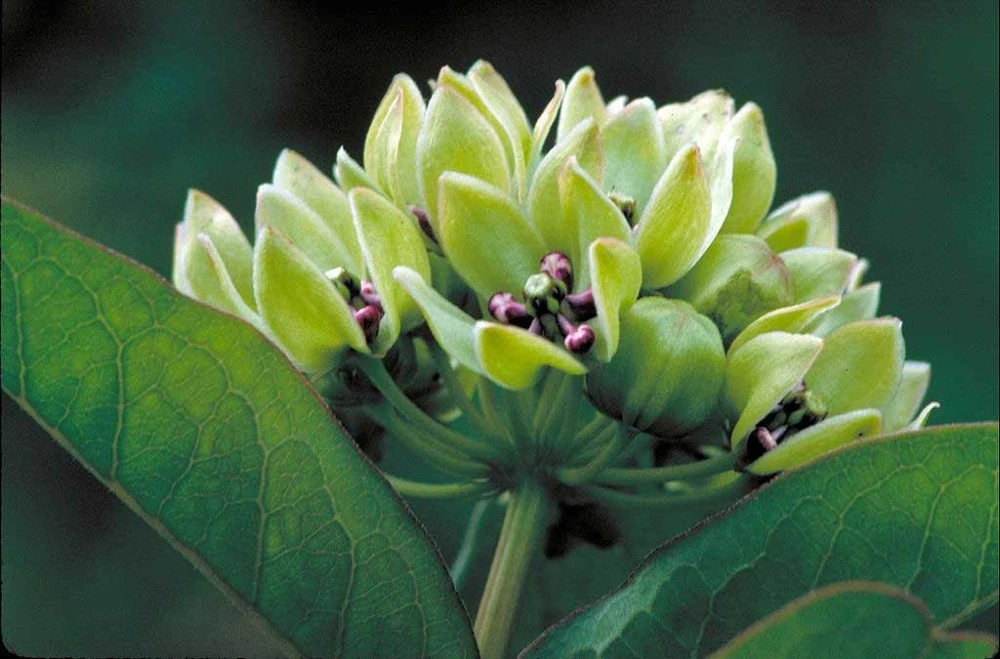
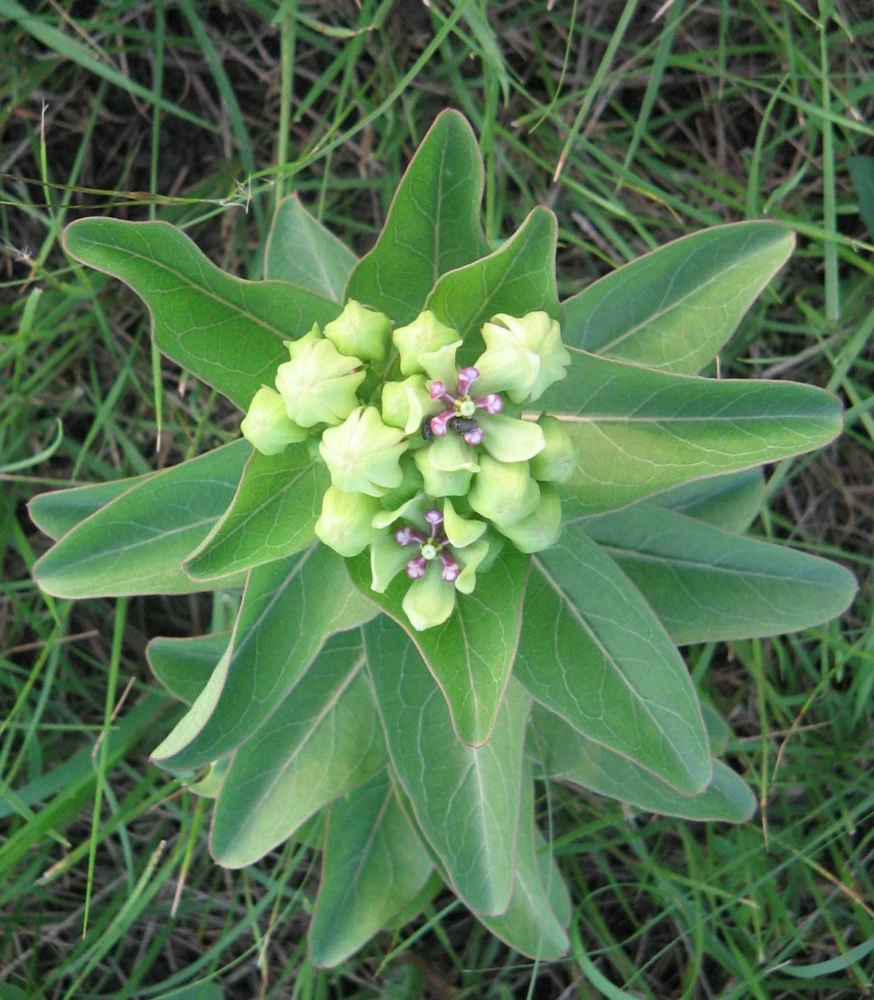
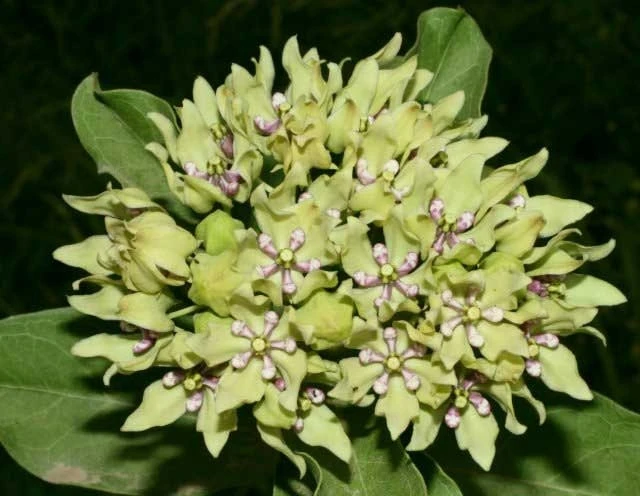
Embark on a rewarding gardening journey by planting green antelopehorn spider milkweed seeds (Asclepias viridis). This native perennial, also known as green milkweed or spider milkweed, is an essential addition to any pollinator-friendly garden. Each packet contains 50 seeds, offering you the opportunity to establish a thriving patch of this remarkable plant. Known for its unique green flowers and distinctive seed pods, Asclepias viridis is not only visually interesting but also plays a crucial role in supporting local wildlife. Growing to about 2 feet tall, these plants are remarkably low-maintenance and adapt well to various soil conditions, making them an excellent choice for both experienced gardeners and beginners looking to make an impact. The blooming period extends from late spring into mid-summer, providing a continuous nectar source for beneficial insects.
Specifically, green antelopehorn spider milkweed seeds are celebrated for being a vital larval host plant for the iconic Monarch butterfly. By growing these seeds, you directly contribute to the conservation efforts of this endangered species, providing a necessary food source for their caterpillars. Beyond Monarchs, these plants also attract a wide array of other pollinators, including bees and various butterfly species, enhancing the biodiversity of your garden space. Their robust nature and ability to flourish in full sun make them an ideal candidate for naturalized areas, meadows, or dedicated pollinator gardens. Prepare to witness a vibrant display of life as your garden becomes a haven for these beautiful creatures, all thanks to these resilient asclepias viridis seeds.
Key Benefits
Choosing to plant green antelopehorn spider milkweed seeds offers a multitude of benefits for both your garden and the environment. These seeds grow into robust plants that provide significant ecological advantages while being easy to care for.
- Monarch Butterfly Host Plant: Perhaps the most significant benefit, Asclepias viridis is a crucial larval host plant for Monarch butterflies. Planting these seeds directly supports Monarch populations by providing food for their caterpillars, which can only feed on milkweed plants. This makes them indispensable for anyone passionate about Monarch conservation.
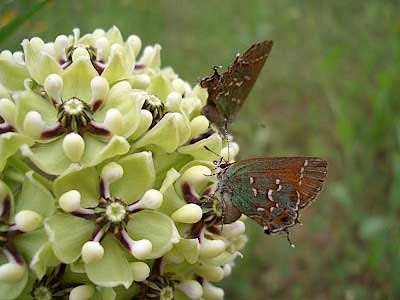
- Pollinator Magnet: Beyond Monarchs, the unique green flowers of green antelopehorn spider milkweed seeds are a magnet for various pollinators, including bees, other butterflies, and beneficial insects. This enhances the overall health and productivity of your garden and local ecosystem.
- Low Maintenance & Drought Tolerant: Once established, this milkweed variety requires minimal care. It is highly adaptable to various soil types and is quite drought-tolerant, making it an excellent choice for xeriscaping or areas where water conservation is a priority.
- Unique Aesthetic Appeal: While not as brightly colored as some other milkweeds, the subtle green blooms and distinct seed pods of this plant offer a unique and natural aesthetic to your garden. It blends beautifully into native plant landscapes and provides textural interest.
- Adaptable to Various Soils: These plants are not fussy about soil type and can thrive in almost any soil, from sandy to clay, as long as it’s reasonably well-draining. This versatility makes them suitable for a wide range of garden settings.
- Supports Biodiversity: By introducing monarch host plant seeds into your garden, you are actively contributing to increased biodiversity, providing food and habitat for a wider range of wildlife species.
- Educational Value: Growing spider milkweed for pollinators offers a fantastic educational opportunity for children and adults alike to observe the life cycle of Monarch butterflies and learn about native plant ecosystems.
Plant Care & Growing Tips
Cultivating green antelopehorn spider milkweed seeds is a straightforward process, making it an excellent choice for gardeners of all skill levels. To ensure successful germination and robust plant growth, consider the following care guidelines. This particular species, Asclepias viridis, thrives in conditions that mimic its natural prairie and open woodland habitats. Proper care will lead to a flourishing patch of green milkweed seeds that will attract pollinators for years to come.
Sunlight Requirements:Asclepias viridis prefers full sun, meaning it needs at least 6-8 hours of direct sunlight per day to perform its best. While it can tolerate some partial shade, too little sun may result in leggy growth and reduced flowering. Position your plants in the sunniest part of your garden. Watering Schedule & Soil Moisture: Once established, green antelopehorn spider milkweed seeds are quite drought-tolerant. During the first growing season, water regularly to help the root system develop. After establishment, water only during prolonged dry spells. The soil should be allowed to dry out completely between waterings. Avoid overwatering, as this can lead to root rot. Soil Type & Drainage: This adaptable plant is not particular about soil type and can grow in almost any soil, including sandy, rocky, or clay soils, as long as it is well-draining. Good drainage is crucial to prevent waterlogging. If you have heavy clay soil, consider amending it with compost or grit to improve drainage. Temperature Range & USDA Hardiness Zone:Asclepias viridis is hardy in USDA Zones 4 to 9. This means it can withstand winter temperatures in these regions and return year after year. It prefers warm to hot summers for optimal growth and flowering. Fertilization: Generally, this native plant does not require heavy fertilization. If your soil is very poor, a light application of a balanced, slow-release fertilizer in early spring can be beneficial. Avoid excessive nitrogen, which can promote leafy growth at the expense of flowers. Common Problems & Solutions: While relatively pest-free, milkweeds can sometimes attract aphids. A strong spray of water or an insecticidal soap can manage these. Monitor for signs of disease, though Asclepias viridis is generally quite resilient. Ensuring good air circulation and proper watering practices can help prevent most issues.
Size & Details
These green antelopehorn spider milkweed seeds will mature into herbaceous perennial plants typically reaching a height of about 1.5 to 2.5 feet (45-75 cm) tall, with a similar spread. The growth rate is moderate, establishing well within the first year and producing flowers from late spring to mid-summer in subsequent years. Each packet contains 50 seeds, providing ample opportunity to create a substantial planting. The seeds are intended for direct sowing or can be started indoors with proper stratification. The mature plants feature unique greenish-white flowers arranged in clusters, followed by distinctive, horn-shaped seed pods that split open to release silky, parachute-like seeds in the fall. This plant does not require a specific pot size as it is best grown directly in garden beds or naturalized areas, especially when cultivating monarch host plant seeds.
The overall form of Asclepias viridis is upright and somewhat bushy, making it a good choice for the middle or back of a perennial border, or as part of a native plant landscape. It is a robust plant that will self-seed, allowing it to naturalize over time and expand its presence, further contributing to the local ecosystem as a valuable food source for various pollinators. When considering spider milkweed for pollinators, remember that while the plant itself is relatively compact, its ecological impact is immense.
Frequently Asked Questions
- Q: How big does this plant get? A: The green antelopehorn spider milkweed typically grows to about 1.5 to 2.5 feet tall with a similar spread, forming an upright, bushy perennial. Its moderate size makes it suitable for various garden settings without becoming overwhelming.
- Q: Is this an indoor or outdoor plant? A: This is primarily an outdoor plant, thriving in garden beds, meadows, and naturalized areas. While seeds can be started indoors, the mature plants require outdoor conditions to flourish and attract pollinators.
- Q: How much sunlight does it need? A: Asclepias viridis requires full sun, meaning it needs at least 6-8 hours of direct sunlight daily. Ample sunlight is crucial for healthy growth and abundant flowering, which is vital for providing nectar and host leaves.
- Q: Is this plant easy to care for? A: Yes, green antelopehorn spider milkweed is considered a low-maintenance plant once established. It tolerates various soil conditions and is drought-resistant, making it an excellent choice for beginners and busy gardeners.
- Q: What condition will the seeds arrive in? A: You will receive 50 seeds of Asclepias viridis, carefully packaged to ensure their viability. They are ready for stratification and planting according to your preferred method.
- Q: How long until it blooms? A: If planted from green antelopehorn spider milkweed seeds, the plants typically establish in the first year and begin blooming in their second year, from late spring into mid-summer. Blooms will continue annually thereafter.
- Q: When is the best time to plant these seeds? A: For best results, plant asclepias viridis seeds in late fall or early spring after cold stratification. This mimics their natural germination cycle and helps ensure successful sprouting.
- Q: Will it survive winter in my zone? A: Yes, Asclepias viridis is hardy in USDA Zones 4 to 9. This means it is well-adapted to surviving cold winters in these regions and will return year after year.
- Q: Is this plant good for beginners? A: Absolutely! Due to its low-maintenance nature, drought tolerance, and adaptability, green antelopehorn spider milkweed seeds are an excellent choice for novice gardeners looking to support local wildlife.
- Q: Why is it important to plant monarch host plant seeds? A: Planting monarch host plant seeds like Asclepias viridis is crucial because Monarch caterpillars can only eat milkweed leaves. By providing this specific food source, you directly support the survival and reproduction of Monarch butterflies, which are facing significant population declines.
Be the first to review “Green Antelopehorn Spider Milkweed Seeds – Asclepias viridis – 50 Count – Attracts Monarchs”
Related products


You May Like

How to Grow Passion Flower (Passiflora) for Tropical Blooms
Few climbing vines in the home garden command attention quite like the exotic Passion Flower (Passiflora). [...]
Nov

Thanksgiving Cactus Care: How to Get Thanksgiving Cactus to Bloom
Is your Thanksgiving cactus growing well but not giving you any flowers? Maybe it looked [...]
Nov

How to Grow Garlic for a Bountiful Home Harvest
Garlic (Allium sativum) is one of the most satisfying, low-maintenance, and flavor-packed crops you can [...]
Oct

Hardneck vs. Softneck Garlic: Which Should You Grow?
Have you ever stood in front of a seed catalog in mid-September, staring at dozens [...]
1 Comment
Oct

When to Plant Music Garlic: Ultimate US Fall Guide
Have you ever spent your fall weekend placing carefully chosen garlic cloves into rich, dark [...]
1 Comment
Oct

5 Best Bulbs for Fall Planting: Brighten Your Garden This Spring
Are you dreaming of a garden full of vibrant colors in the spring? The key [...]
Aug

10 Houseplants That Will Thrive in Your Kitchen
Are you tired of your kitchen feeling dull and lifeless? Want to add a little [...]
1 Comment
Aug
Reviews
There are no reviews yet.