
Yellow Passionfruit Seeds – Passiflora edulis Flavicarpa – 20 Seeds
Original price was: 46.91 $.17.91 $Current price is: 17.91 $.
Cultivate your own exotic harvest with yellow passionfruit seeds. These Passiflora edulis Flavicarpa seeds will grow into vigorous vines producing large, flavorful fruits. Perfect for gardeners in USDA Zones 8-10 seeking a unique and rewarding plant.
Estimated arrival
Nov 27
Dec 02 - Dec 04
Dec 04 - Dec 09
See our Shipping Policy.
Get in touch with us via email, and our team will review your concerns.
Our Alive & Thrive Guarantee covers issues with your plants within the first 30 days. Read our Refund & Returns Policy.
-
USDA Hardiness Zone
8 to 10 -
Soil Type
Well-draining loam -
Sunlight Exposure
Full sun -
Expected Planting Period
Spring to early summer
Overview
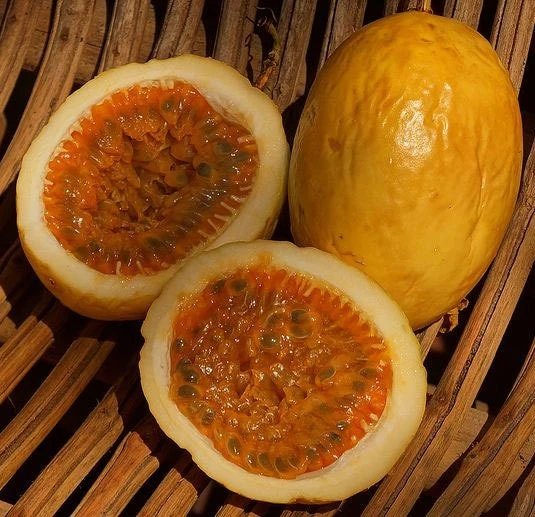
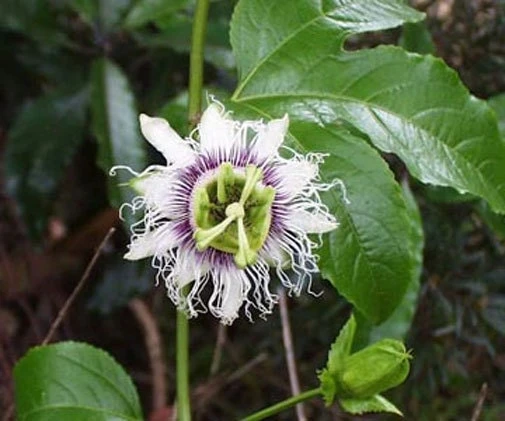
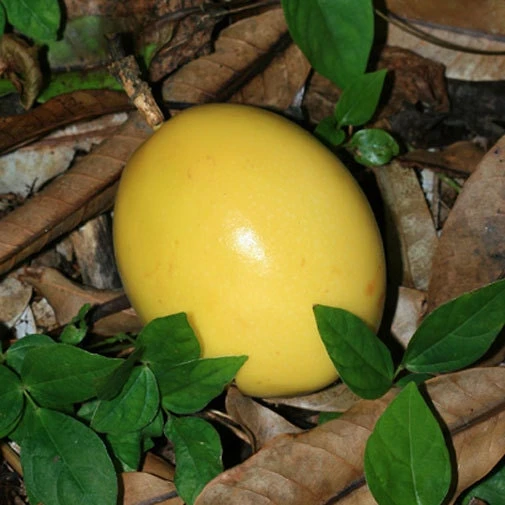
Embark on a tropical gardening adventure with these premium yellow passionfruit seeds. Sourced from the robust Passiflora edulis Flavicarpa, also known as Yellow Passion Fruit Maracuja, these seeds promise to grow into vibrant, fruit-bearing vines. The yellow passionfruit is renowned for its larger size compared to its purple counterpart, often reaching the dimensions of a grapefruit. This delightful fruit is not only edible and enjoyed globally but also adds an exotic flair to any garden. Growing your own Passiflora edulis Flavicarpa allows you to experience the satisfaction of harvesting fresh, tangy, and aromatic passionfruit directly from your backyard. These seeds are your first step towards cultivating a lush, productive vine that will be the envy of your neighborhood.
The yellow passionfruit seeds offer an exciting opportunity for both seasoned gardeners and enthusiastic beginners. Imagine slicing open a ripe, golden passionfruit, scooping out its aromatic pulp, and adding it to desserts, drinks, or enjoying it fresh. This particular variety, Passiflora edulis Flavicarpa, is celebrated for its vigorous growth and abundant yields, making it a highly desirable choice for home cultivation. Beyond its delicious fruit, the vine itself is a beautiful addition to trellises, fences, or pergolas, providing lush green foliage and stunning flowers. Prepare to transform your garden into a tropical oasis with these exceptional seeds.
Key Benefits
Growing yellow passionfruit seeds offers a multitude of benefits, from the joy of fresh produce to supporting local ecosystems. This versatile plant is a fantastic choice for any gardener looking to add a touch of the exotic to their outdoor space.
- Delicious, Large Fruit: Harvest juicy, tangy yellow passionfruit that is significantly larger than the purple varieties. Enjoy fresh or use in culinary creations like juices, desserts, and sauces. This fruit is a true delight for the palate.
- Vigorous Growth & High Yield: The Passiflora edulis Flavicarpa vine is known for its robust growth habit and prolific fruiting, providing an abundant harvest for many seasons. It quickly covers trellises, offering both beauty and bounty.
- Butterfly Host Plant: Attract a dazzling array of butterflies to your garden, including the Zebra Long Wing, Julia Heliconian, and Gulf Fritillary. This plant serves as a crucial larval host, supporting local biodiversity and creating a lively garden ecosystem.
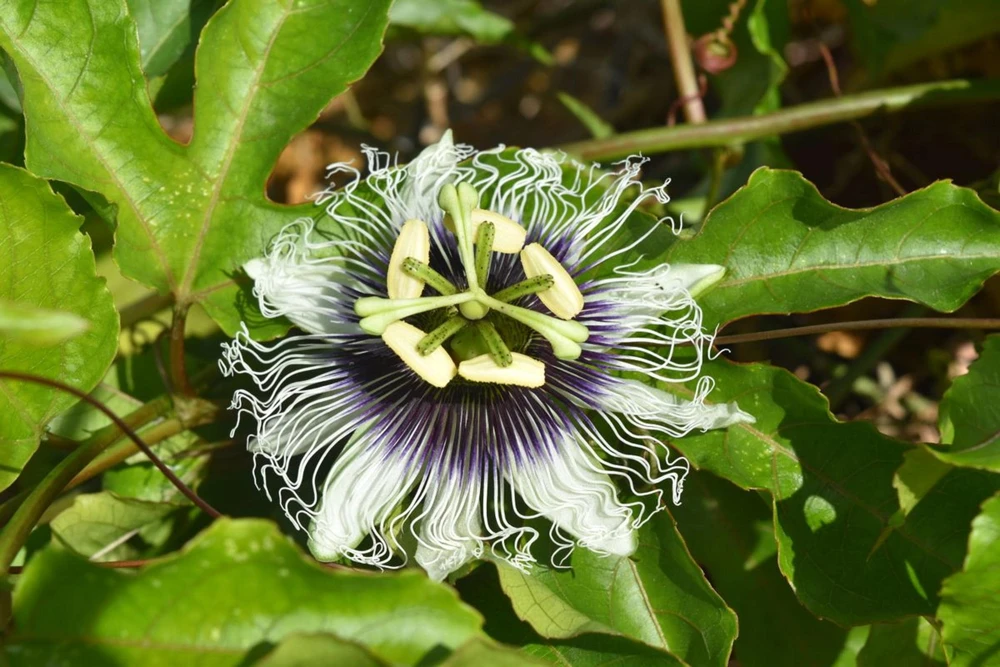
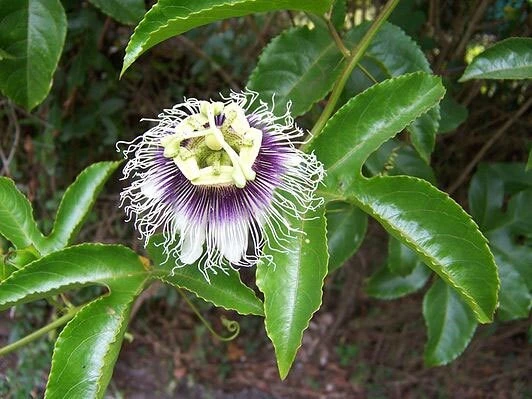
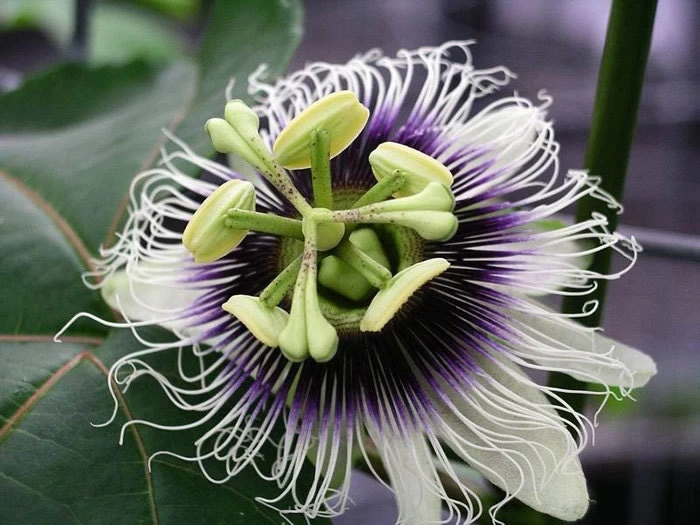
- Exotic Garden Appeal: Add a tropical touch to your landscape with the beautiful, intricate flowers and lush foliage of the passionfruit vine. It’s a visually stunning plant that also yields delicious fruit.
- Adaptable to Warm Climates: Thrives in USDA Hardiness Zones 8 to 10, making it suitable for many warmer regions of the US. With proper care, you can successfully grow passionfruit in your backyard.
- Easy to Grow from Seed: With basic gardening knowledge, these maracuja seeds are relatively straightforward to germinate and cultivate, offering a rewarding experience for gardeners of all levels.
- Nutrient-Rich Harvest: Passionfruit is packed with vitamins, antioxidants, and fiber, contributing to a healthy diet. Enjoy the health benefits of freshly grown fruit.
Plant Care & Growing Tips
To successfully grow passionfruit from your yellow passionfruit seeds, attention to specific care requirements will ensure a thriving vine and abundant fruit. Once germinated, your young plants will need consistent care to establish themselves. The Passiflora edulis Flavicarpa prefers a location that receives full sun, meaning at least 6-8 hours of direct sunlight daily. In extremely hot climates, some afternoon shade can be beneficial to prevent scorching. Ensure your planting site or container has excellent drainage, as passionfruit vines are susceptible to root rot in waterlogged conditions.
Watering should be consistent, especially during dry periods and when the plant is actively fruiting. Aim to keep the soil consistently moist but not soggy. A good rule of thumb is to water deeply when the top inch or two of soil feels dry to the touch. For soil, a rich, well-draining loam is ideal. Amend heavy clay soils with organic matter to improve drainage, and sandy soils with compost to enhance water retention. Fertilize your maracuja seeds plants with a balanced fertilizer during the growing season (spring through fall) to support vigorous growth and fruit production. Reduce fertilization in winter. Pruning is essential for managing growth and encouraging fruit. Prune in late winter or early spring to remove dead or weak wood and to shape the vine, allowing for better air circulation and sunlight penetration. Be sure to provide a strong trellis or support structure for the vine to climb.
This tropical vine thrives in warm temperatures and is hardy in USDA Zones 8 to 10. In cooler parts of Zone 8, providing winter protection or growing in containers that can be moved indoors may be necessary. Watch out for common pests like aphids and whiteflies, and treat with organic insecticides if necessary. Proper air circulation helps prevent fungal diseases. With diligent care, your passion fruit plant care routine will lead to a bountiful harvest and a beautiful, vibrant garden feature. Remember that patience is key when growing from seed, but the reward of fresh, homegrown passionfruit is well worth the effort.
Size & Details
These yellow passionfruit seeds will develop into a robust vine, typically growing 15 to 20 feet in length, though they can be pruned to maintain a more manageable size. The fruit of the Passiflora edulis Flavicarpa is notably large, often reaching 3 to 4 inches in diameter, sometimes even the size of a grapefruit. Each pack contains 20 seeds, providing a generous quantity for starting your passionfruit garden. The vines are vigorous growers, quickly establishing themselves when provided with adequate sun and support. Expect blooms from mid-spring until mid-fall, with fruit following shortly after. Growing from seed allows you to cultivate a strong root system from the start. With proper passion fruit plant care, you can anticipate a productive vine within 1-2 years.
Frequently Asked Questions
- Q: How big does this yellow passionfruit plant get? A: The yellow passionfruit seeds will grow into a vine that can reach lengths of 15 to 20 feet. It’s a vigorous grower and will require a sturdy trellis or support structure to climb, providing a lush green canopy.
- Q: Is this an indoor or outdoor plant? A: While primarily an outdoor plant thriving in full sun, Passiflora edulis Flavicarpa can be grown in large containers and brought indoors in colder climates (outside USDA Zones 8-10) during winter. It performs best outdoors.
- Q: How much sunlight does it need? A: The yellow passionfruit vine prefers full sun, meaning it requires at least 6-8 hours of direct sunlight per day to ensure optimal growth and fruit production. Adequate sun is crucial for a good harvest.
- Q: Is this plant easy to care for? A: Growing from maracuja seeds is moderately easy. Once established, the vine requires consistent watering, good drainage, and regular fertilization. Providing proper support and occasional pruning will ensure a healthy and productive plant.
- Q: What condition will the seeds arrive in? A: Your yellow passionfruit seeds will arrive as dry, viable seeds, ready for planting. They are carefully packaged to ensure their quality and readiness for germination upon arrival.
- Q: How long until it blooms and produces fruit? A: Typically, a passionfruit vine grown from yellow passionfruit seeds will begin to bloom and produce fruit within 1 to 2 years after planting, depending on growing conditions and care. Blooms generally appear from mid-spring to mid-fall.
- Q: What’s the minimum temperature this plant can tolerate? A: This variety of passionfruit is hardy in USDA Zones 8 to 10. It can tolerate temperatures down to about 20-25°F (-6 to -3°C) for short periods, but prolonged freezes can cause damage.
- Q: Can I use this plant to attract butterflies? A: Yes, the Passiflora edulis Flavicarpa is an excellent host plant for several butterfly species, including the Zebra Long Wing, Julia Heliconian, and Gulf Fritillary. Planting these yellow passionfruit seeds will help support local butterfly populations.
- Q: How often should I water my passion fruit plant? A: Water your passion fruit plant regularly, especially during dry spells and when it’s fruiting. Keep the soil consistently moist but never waterlogged. Allow the top inch or two of soil to dry out slightly between waterings.
- Q: What kind of soil is best for growing passionfruit? A: Passionfruit thrives in rich, well-draining soil. A loamy soil amended with organic matter is ideal. Ensure good drainage to prevent root rot, which is critical for healthy passion fruit plant care.
Be the first to review “Yellow Passionfruit Seeds – Passiflora edulis Flavicarpa – 20 Seeds”
Related products




You May Like

How to Grow Passion Flower (Passiflora) for Tropical Blooms
Few climbing vines in the home garden command attention quite like the exotic Passion Flower (Passiflora). [...]
Nov

Thanksgiving Cactus Care: How to Get Thanksgiving Cactus to Bloom
Is your Thanksgiving cactus growing well but not giving you any flowers? Maybe it looked [...]
Nov

How to Grow Garlic for a Bountiful Home Harvest
Garlic (Allium sativum) is one of the most satisfying, low-maintenance, and flavor-packed crops you can [...]
Oct

Hardneck vs. Softneck Garlic: Which Should You Grow?
Have you ever stood in front of a seed catalog in mid-September, staring at dozens [...]
1 Comment
Oct

When to Plant Music Garlic: Ultimate US Fall Guide
Have you ever spent your fall weekend placing carefully chosen garlic cloves into rich, dark [...]
1 Comment
Oct

5 Best Bulbs for Fall Planting: Brighten Your Garden This Spring
Are you dreaming of a garden full of vibrant colors in the spring? The key [...]
Aug

10 Houseplants That Will Thrive in Your Kitchen
Are you tired of your kitchen feeling dull and lifeless? Want to add a little [...]
1 Comment
Aug
Reviews
There are no reviews yet.