
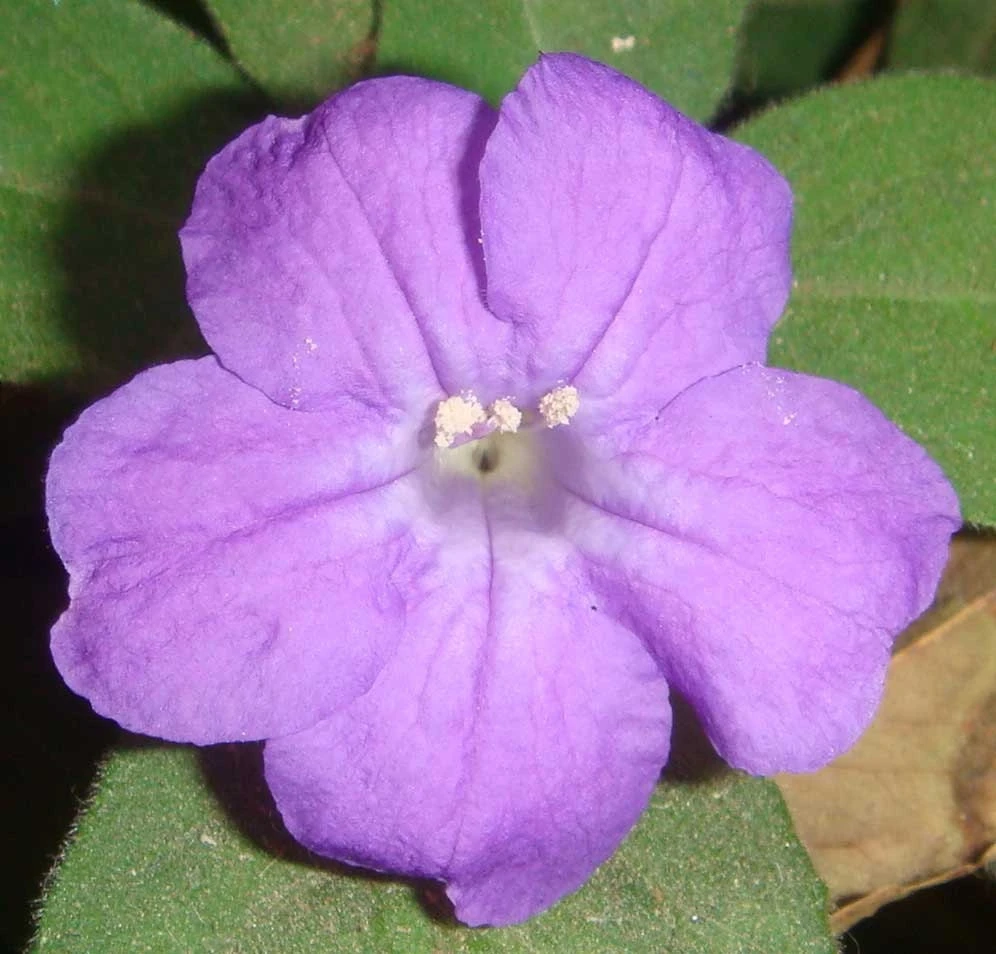
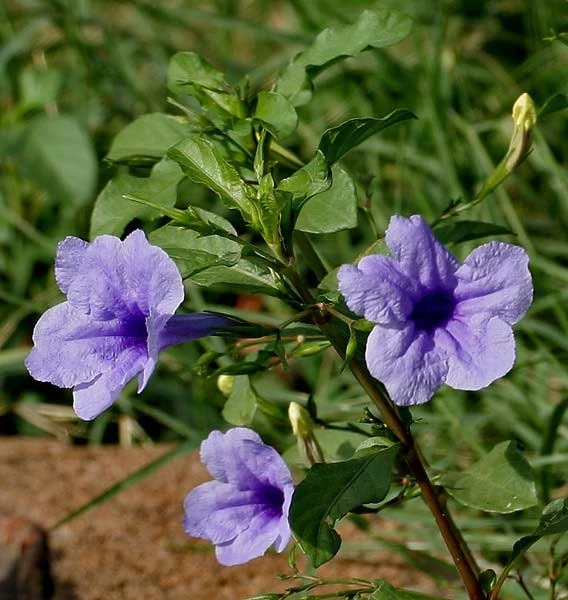
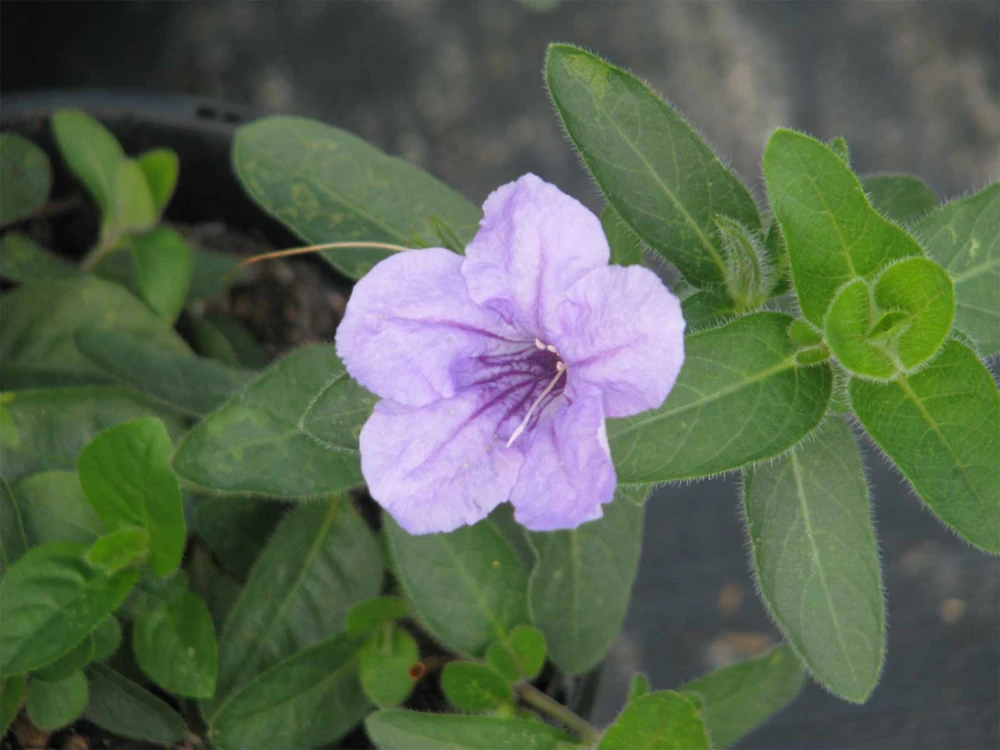

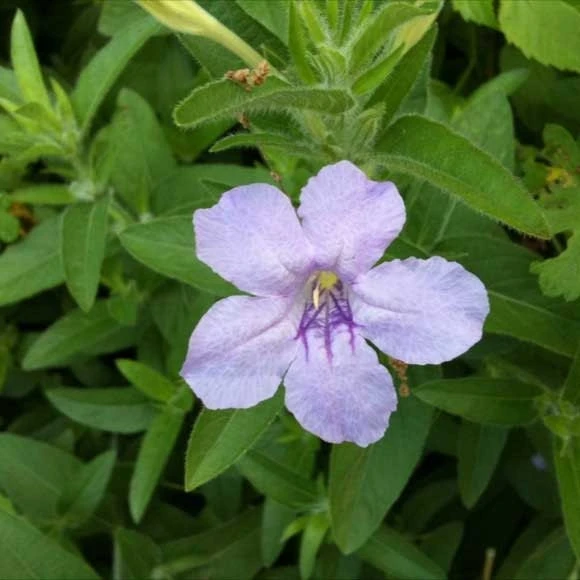
Ruellia humilis Seeds – Wild Petunia Flower Seeds for Butterflies – 50 Seeds
Original price was: 48.91 $.19.91 $Current price is: 19.91 $.
Cultivate beautiful Ruellia humilis seeds, also known as wild petunia seeds. These easy-to-grow seeds produce charming flowers and serve as a vital host plant for various butterflies, enhancing your garden’s biodiversity and appeal.
Estimated arrival
Nov 26
Dec 01 - Dec 03
Dec 03 - Dec 08
See our Shipping Policy.
Get in touch with us via email, and our team will review your concerns.
Our Alive & Thrive Guarantee covers issues with your plants within the first 30 days. Read our Refund & Returns Policy.
-
USDA Hardiness Zone
3-9 -
Soil Type
Well-draining soil -
Sunlight Exposure
Full sun to partial shade -
Expected Planting Period
Spring to early summer
Overview
Embark on a rewarding gardening journey with our premium Ruellia humilis seeds. Also known by its delightful common names such as Wild Petunia, Fringeleaf Wild Petunia, Hairy Petunia, and Low Wild Petunia, this enchanting plant is a true gem for any garden enthusiast. These seeds offer the opportunity to grow a resilient and attractive perennial that brings both beauty and ecological value to your outdoor space. The plants typically reach about a foot in height, forming a lovely ground cover or border plant, and are celebrated for their vibrant blooms that grace the garden from mid-summer through early fall. Beyond their aesthetic appeal, fringeleaf wild petunia plants are crucial as larval host plants, supporting a diverse range of butterflies, including the White Peacock, Texan Crescent, Rusty-tipped Page, Common Buckeye, and Malachite butterflies. Planting these seeds contributes to local ecosystems by providing essential resources for these pollinators.
Our wild petunia seeds are carefully selected to ensure high germination rates, making it easy for both novice and experienced gardeners to cultivate these wonderful plants. Originating from North America, Ruellia humilis is well-adapted to various climates, thriving in USDA Hardiness Zones 3 to 9. This makes them a versatile choice for many regions across the United States. Whether you’re looking to create a butterfly garden, add a touch of wild beauty to your landscape, or simply enjoy the charm of native wildflowers, these seeds are an excellent starting point. Grow your own source of natural beauty and ecological support with these exceptional seeds.
Key Benefits
Growing Ruellia humilis seeds offers a multitude of benefits for your garden and the local ecosystem. These seeds provide an opportunity to cultivate a plant that is both beautiful and environmentally significant. By choosing to plant hairy petunia seeds, you are investing in a garden that thrives with life and color.
- Attracts Butterflies: These plants are a significant larval host for several butterfly species, including the White Peacock, Texan Crescent, Rusty-tipped Page, Common Buckeye, and Malachite. Planting them directly supports local butterfly populations and enriches your garden’s biodiversity.
- Easy to Grow:Wild petunia seeds are known for their robust nature and ease of cultivation, making them suitable for gardeners of all experience levels. They establish quickly and require minimal fuss once settled.
- Extended Bloom Period: Enjoy a long season of delicate, petunia-like blooms from mid-summer until early fall, providing continuous color when many other plants are fading.
- Versatile Landscaping: With a mature height of about a foot, these plants are perfect for ground covers, borders, rock gardens, or naturalized areas, adding a charming, wild aesthetic to any landscape.
- Drought Tolerant: Once established, Ruellia humilis exhibits good drought tolerance, making it a sustainable choice for water-wise gardening.
- Adaptable to Various Light Conditions: Thrives in both full sun and partial shade, offering flexibility in planting locations within your garden.
- Hardy Perennial: A reliable perennial in USDA Zones 3 to 9, meaning it will return year after year, providing lasting beauty and ecological benefits without annual replanting.
Plant Care & Growing Tips
Cultivating Ruellia humilis seeds into thriving plants is a straightforward process, given the right conditions. These resilient plants are quite adaptable, but optimal care will ensure vigorous growth and abundant blooms. Start your fringeleaf wild petunia journey by sowing seeds directly outdoors in spring after the last frost, or indoors 6-8 weeks before the last frost date for an earlier start. Lightly cover the seeds with soil, as they need some light to germinate, and keep the soil consistently moist until seedlings emerge, which typically takes 10-20 days.
Once established, Ruellia humilis prefers full sun to partial shade. In hotter climates, some afternoon shade can prevent scorching and prolong blooming. They are not overly particular about soil type but thrive in well-draining soil. A loamy or sandy soil with moderate fertility is ideal. Water regularly during dry spells, especially during the first growing season, to help plants establish deep root systems. However, once mature, they are quite drought-tolerant. Fertilization is generally not required in average garden soils; if your soil is very poor, a light application of a balanced, slow-release fertilizer in spring can be beneficial. Deadheading spent flowers can encourage more blooms and prevent excessive self-seeding, though allowing some seeds to drop will ensure new plants for future seasons. These plants are relatively pest and disease-free, making them a low-maintenance addition to your garden. Ensure good air circulation to prevent fungal issues, especially in humid environments.
Size & Details
This package contains 50 Ruellia humilis seeds, providing ample opportunity to establish a beautiful patch of Wild Petunia in your garden. The plants typically grow to a mature height of approximately 1 foot (30 cm), creating a compact and bushy appearance. They have a moderate growth rate, establishing well within their first season and expanding their presence in subsequent years. From these hairy petunia seeds, you can expect plants that bloom from mid-summer until early fall, offering a prolonged display of charming, petunia-like flowers. The seeds are packaged to ensure viability and are ready for planting upon arrival. These hardy perennials are suitable for USDA Hardiness Zones 3 to 9, making them a versatile choice for many climates. They are excellent for naturalizing, ground cover, or adding a touch of native beauty to mixed borders.
Frequently Asked Questions
- Q: How big does this plant get? A: Ruellia humilis plants typically grow to about 1 foot (30 cm) tall and can spread to form a lovely clump. Their relatively compact size makes them suitable for various garden settings without becoming overwhelming.
- Q: Is this an indoor or outdoor plant? A: This is primarily an outdoor plant, well-suited for garden beds, borders, and naturalized areas. While it can be grown in containers, it thrives best when planted directly in the ground.
- Q: How much sunlight does it need? A: Wild petunia seeds grow best in full sun to partial shade. In areas with intense summer heat, partial afternoon shade can help protect the foliage and prolong blooming.
- Q: Is this plant easy to care for? A: Yes, Ruellia humilis is considered a low-maintenance plant. Once established, it is quite hardy and drought-tolerant, making it an excellent choice for both beginner and experienced gardeners.
- Q: What condition will it arrive in? A: Your order will arrive as a packet of 50 Ruellia humilis seeds, carefully packaged to ensure their viability and safe transit. They will be ready for immediate planting upon delivery.
- Q: How long until it blooms? A: From seed, you can typically expect your fringeleaf wild petunia plants to begin blooming in their first or second growing season, usually from mid-summer until early fall.
- Q: Will it survive winter in my zone? A: Ruellia humilis is a hardy perennial in USDA Zones 3 to 9. In these zones, it will die back to the ground in winter but will reliably return from its rootstock in spring.
- Q: What is the best time to plant these seeds? A: The best time to plant Ruellia humilis seeds is in the spring after the danger of the last frost has passed. For an earlier bloom, you can start the seeds indoors 6-8 weeks before the last frost date.
- Q: Is this plant good for beginners? A: Absolutely! Due to its adaptability, drought tolerance, and minimal care requirements, growing hairy petunia seeds is an excellent project for beginner gardeners looking for a rewarding experience.
- Q: Can I use this plant for ground cover? A: Yes, its spreading habit and moderate height make Ruellia humilis an excellent choice for ground cover, especially in sunny to partly shaded areas where you want a naturalized look and to attract pollinators.
Be the first to review “Ruellia humilis Seeds – Wild Petunia Flower Seeds for Butterflies – 50 Seeds”
Related products


Flower Seeds
Blue Stock Matthiola Incana Seeds – 50 Fragrant Gillyflower Seeds – Ten-Week Blue Stock
You May Like

How to Grow Passion Flower (Passiflora) for Tropical Blooms
Few climbing vines in the home garden command attention quite like the exotic Passion Flower (Passiflora). [...]
Nov

Thanksgiving Cactus Care: How to Get Thanksgiving Cactus to Bloom
Is your Thanksgiving cactus growing well but not giving you any flowers? Maybe it looked [...]
Nov

How to Grow Garlic for a Bountiful Home Harvest
Garlic (Allium sativum) is one of the most satisfying, low-maintenance, and flavor-packed crops you can [...]
Oct

Hardneck vs. Softneck Garlic: Which Should You Grow?
Have you ever stood in front of a seed catalog in mid-September, staring at dozens [...]
1 Comment
Oct

When to Plant Music Garlic: Ultimate US Fall Guide
Have you ever spent your fall weekend placing carefully chosen garlic cloves into rich, dark [...]
1 Comment
Oct

5 Best Bulbs for Fall Planting: Brighten Your Garden This Spring
Are you dreaming of a garden full of vibrant colors in the spring? The key [...]
Aug

10 Houseplants That Will Thrive in Your Kitchen
Are you tired of your kitchen feeling dull and lifeless? Want to add a little [...]
1 Comment
Aug
Reviews
There are no reviews yet.