
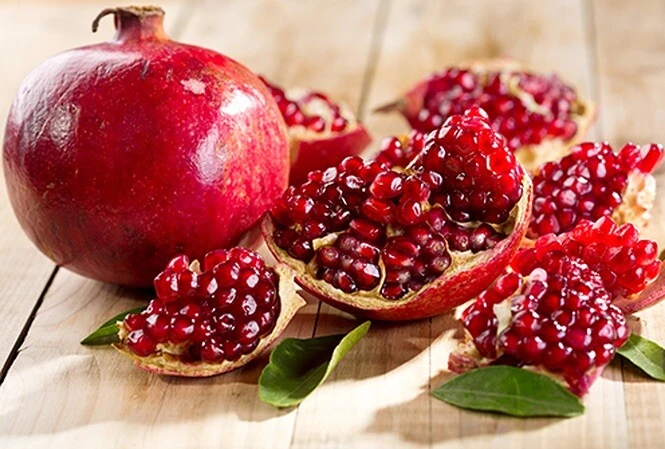
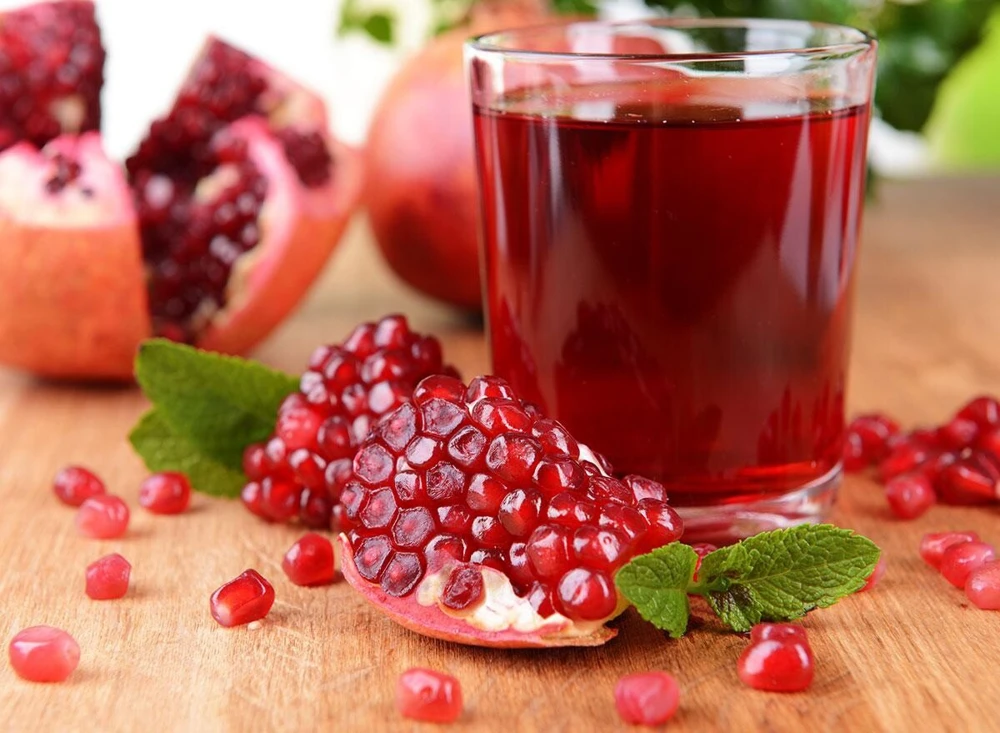
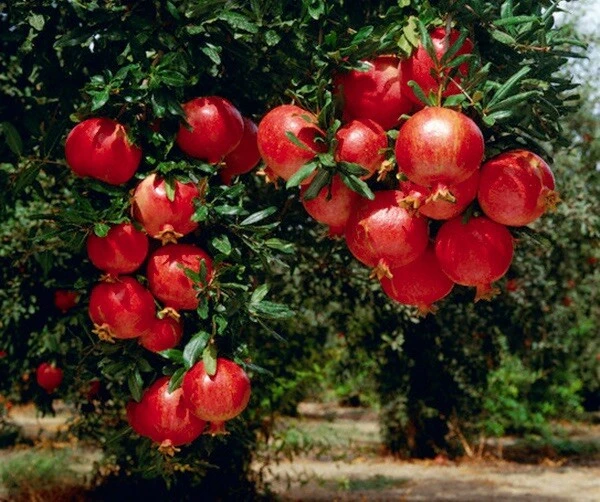
Pomegranate Seeds – Punica Granatum Fruit Seeds – 40 Seeds – Outdoor Edible
Original price was: 9.98 $.5.99 $Current price is: 5.99 $.
Cultivate your own delicious fruit with these pomegranate seeds. Each packet contains 40 Punica Granatum seeds, perfect for growing your own edible pomegranates outdoors. Enjoy a rewarding gardening experience and fresh fruit from your own garden.
Estimated arrival
Nov 26
Dec 01 - Dec 03
Dec 03 - Dec 08
See our Shipping Policy.
Get in touch with us via email, and our team will review your concerns.
Our Alive & Thrive Guarantee covers issues with your plants within the first 30 days. Read our Refund & Returns Policy.
-
USDA Hardiness Zone
USDA Zones 7-10 -
Soil Type
Well-draining sandy loam -
Sunlight Exposure
Full Sun -
Expected Planting Period
Spring
Overview
Embark on a rewarding gardening journey with our premium pomegranate seeds. These high-quality Punica Granatum seeds offer the opportunity to grow your own vibrant and flavorful pomegranates right in your backyard. Known for their striking beauty and delicious, nutrient-rich arils, pomegranates are a wonderful addition to any garden. Our seeds are carefully selected to ensure viability, providing you with the best chance to cultivate healthy, fruit-bearing trees. Growing pomegranates from seed is an exciting project for both novice and experienced gardeners, allowing you to witness the plant’s full life cycle from a tiny seed to a magnificent fruit producer. These edible fruit seeds are an excellent choice for anyone looking to add a unique and productive element to their outdoor space.
Key Benefits
Growing pomegranates from seed offers a multitude of benefits, from the aesthetic appeal of the plant to the culinary delights of its fruit. These pomegranate seeds provide a chance to nurture a plant that is both beautiful and highly functional.
- Delicious Edible Fruit: Enjoy a homegrown supply of fresh pomegranates, rich in antioxidants and vitamins. The sweet-tart arils are perfect for snacking, juicing, or adding to salads and desserts. Growing your own ensures you get the freshest possible fruit.
- Stunning Ornamental Value: Pomegranate trees are not only productive but also highly ornamental, featuring beautiful green foliage, vibrant red-orange flowers in spring and summer, and attractive fruit in fall. They make a striking focal point in any garden or landscape.
- Drought Tolerance: Once established, pomegranate plants are remarkably drought-tolerant, making them a sustainable choice for many climates. This resilience means less watering and easier maintenance, especially in regions with hot, dry summers.
- Long-Lived Perennial: As a perennial plant, your pomegranate tree will return year after year, providing continuous harvests and beauty for many seasons to come. This makes them a valuable long-term investment for your garden.
- Versatile Planting Options: While primarily an outdoor fruit seeds option, pomegranates can also be grown in large containers in cooler climates, allowing them to be moved indoors during winter. This versatility provides options for various gardening situations.
- Rewarding Growing Experience: The process of growing a fruit tree from a small seed is incredibly satisfying. Watching your Punica Granatum seeds sprout and mature into a fruit-bearing plant is a rewarding experience that connects you with nature.
- Supports Pollinators: The attractive flowers of the pomegranate tree are a great source of nectar for bees and other pollinators, contributing to a healthier and more biodiverse garden ecosystem.
Plant Care & Growing Tips
Successfully cultivating pomegranates from pomegranate seeds requires attention to specific environmental conditions and consistent care. Pomegranates, or Punica Granatum, thrive in warm climates and prefer a location with plenty of sunlight. For optimal growth and fruit production, select a site that receives at least 6-8 hours of direct sunlight daily. These plants are quite adaptable but will perform best in well-draining soil. A sandy loam is ideal, but they can tolerate a range of soil types as long as drainage is good. Avoid heavy, waterlogged soils, as this can lead to root rot. When you grow pomegranate from seed, ensure the soil pH is between 5.5 and 7.0.
Watering is crucial, especially during the establishment phase and when the plant is fruiting. While established trees are drought-tolerant, consistent moisture will lead to better fruit quality and yield. Water deeply and regularly, allowing the top few inches of soil to dry out between waterings. Reduce watering frequency in cooler months. Fertilize your pomegranate tree in early spring before new growth begins, using a balanced slow-release fertilizer or a specific fruit tree formula. Pruning is also important for maintaining the plant’s shape, promoting air circulation, and encouraging fruit production. Remove any dead, damaged, or crossing branches, and thin out suckers from the base. Pomegranates are generally hardy in USDA Zones 7-10, but some varieties can tolerate colder temperatures with protection. Protect young plants from frost in colder regions. Common pests are usually not a major issue, but keep an eye out for aphids or scale insects and treat them with organic insecticidal soap if necessary.
Size & Details
This offering includes 40 high-quality pomegranate seeds, ready for planting. Pomegranate trees typically grow as large shrubs or small trees, reaching heights of 10 to 20 feet (3 to 6 meters) with a similar spread when mature, though they can be kept smaller with pruning or container growing. The growth rate is moderate, and you can expect your tree to begin producing fruit within 3-5 years from planting the Punica Granatum seeds. These edible fruit seeds are perfect for cultivating a robust outdoor plant. The seeds are ideal for starting your own plants at home, providing a cost-effective and rewarding way to expand your edible garden. The fruit itself is typically ready for harvest in the fall, offering a vibrant burst of color and flavor to your autumn landscape.
Frequently Asked Questions
- Q: How big does a pomegranate tree get from these seeds? A: A pomegranate tree typically grows into a large shrub or small tree, reaching heights of 10 to 20 feet (3 to 6 meters) and a similar spread. Its size can be managed with pruning, especially if you grow pomegranate from seed in a smaller space or container.
- Q: Is this an indoor or outdoor plant? A: Pomegranate trees are best suited for outdoor planting in regions with warm climates. They thrive in full sun conditions. While they are primarily an outdoor fruit seeds option, they can be grown in large containers and moved indoors during winter in colder zones.
- Q: How much sunlight do these pomegranate seeds need to grow? A: For optimal growth and fruit production, pomegranate plants require at least 6-8 hours of direct sunlight per day. Choose a sunny location in your garden where they will receive ample light throughout the day.
- Q: Is this plant easy to care for? A: Once established, pomegranate trees are relatively low-maintenance and quite drought-tolerant. They are considered a good choice for gardeners of various skill levels, especially if you follow basic care guidelines for your Punica Granatum seeds.
- Q: What condition will the seeds arrive in? A: The pomegranate seeds will arrive in a sealed packet, ensuring their freshness and viability. They are ready for immediate planting upon arrival, providing you with a great start to grow pomegranate from seed.
- Q: When is the best time to plant these edible fruit seeds? A: The best time to plant pomegranate seeds is in the spring after the last frost, when soil temperatures have begun to warm up. This provides the ideal conditions for germination and initial growth.
- Q: Will a pomegranate tree grown from seed survive winter in my zone? A: Pomegranate trees are generally hardy in USDA Zones 7-10. If you are in a colder zone, you may need to provide winter protection or consider growing your tree in a container so it can be moved indoors during cold periods.
- Q: What type of soil is best for growing Punica Granatum seeds? A: Pomegranates prefer well-draining soil, ideally a sandy loam. They can tolerate various soil types as long as there is good drainage to prevent waterlogging, which can harm the roots.
- Q: How long until the tree starts producing fruit? A: Typically, a pomegranate tree grown from pomegranate seeds will begin to produce fruit within 3 to 5 years after planting. The exact time can vary depending on growing conditions and care.
- Q: Are these outdoor fruit seeds suitable for container growing? A: Yes, pomegranate trees can be successfully grown in large containers, especially in areas with colder winters where they may need to be moved indoors. Ensure the container has excellent drainage and is sufficiently large to accommodate the root system.
Be the first to review “Pomegranate Seeds – Punica Granatum Fruit Seeds – 40 Seeds – Outdoor Edible”
Related products


You May Like

How to Grow Passion Flower (Passiflora) for Tropical Blooms
Few climbing vines in the home garden command attention quite like the exotic Passion Flower (Passiflora). [...]
Nov

Thanksgiving Cactus Care: How to Get Thanksgiving Cactus to Bloom
Is your Thanksgiving cactus growing well but not giving you any flowers? Maybe it looked [...]
Nov

How to Grow Garlic for a Bountiful Home Harvest
Garlic (Allium sativum) is one of the most satisfying, low-maintenance, and flavor-packed crops you can [...]
Oct

Hardneck vs. Softneck Garlic: Which Should You Grow?
Have you ever stood in front of a seed catalog in mid-September, staring at dozens [...]
1 Comment
Oct

When to Plant Music Garlic: Ultimate US Fall Guide
Have you ever spent your fall weekend placing carefully chosen garlic cloves into rich, dark [...]
1 Comment
Oct

5 Best Bulbs for Fall Planting: Brighten Your Garden This Spring
Are you dreaming of a garden full of vibrant colors in the spring? The key [...]
Aug

10 Houseplants That Will Thrive in Your Kitchen
Are you tired of your kitchen feeling dull and lifeless? Want to add a little [...]
1 Comment
Aug
Reviews
There are no reviews yet.