
Baptisia australis Seeds – Blue Wild Indigo – 5 Seed Pack – Perennial Outdoor
Original price was: 44.91 $.15.91 $Current price is: 15.91 $.
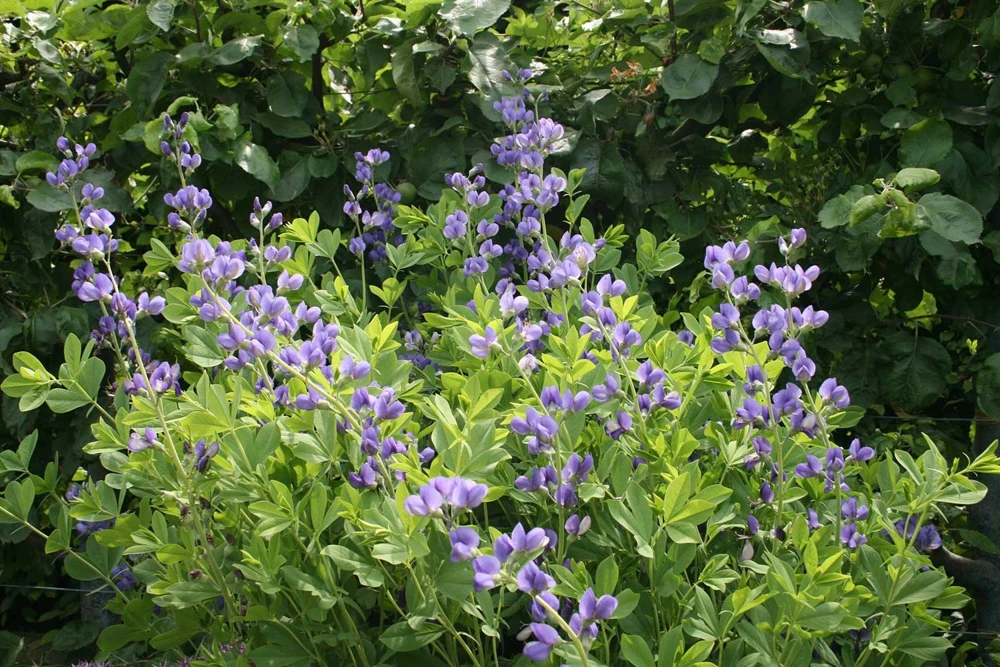
Cultivate stunning Baptisia australis seeds, also known as Blue Wild Indigo seeds, in your garden. This hardy perennial offers beautiful blue blooms and serves as a vital host plant for several butterfly species, making it perfect for pollinator gardens.
Estimated arrival
Nov 26
Dec 01 - Dec 03
Dec 03 - Dec 08
See our Shipping Policy.
Get in touch with us via email, and our team will review your concerns.
Our Alive & Thrive Guarantee covers issues with your plants within the first 30 days. Read our Refund & Returns Policy.
-
USDA Hardiness Zone
3-10 -
Soil Type
Well-draining, sandy or loamy soil -
Sunlight Exposure
Full sun -
Expected Planting Period
Late fall (direct sow) or early spring (after stratification)
Overview
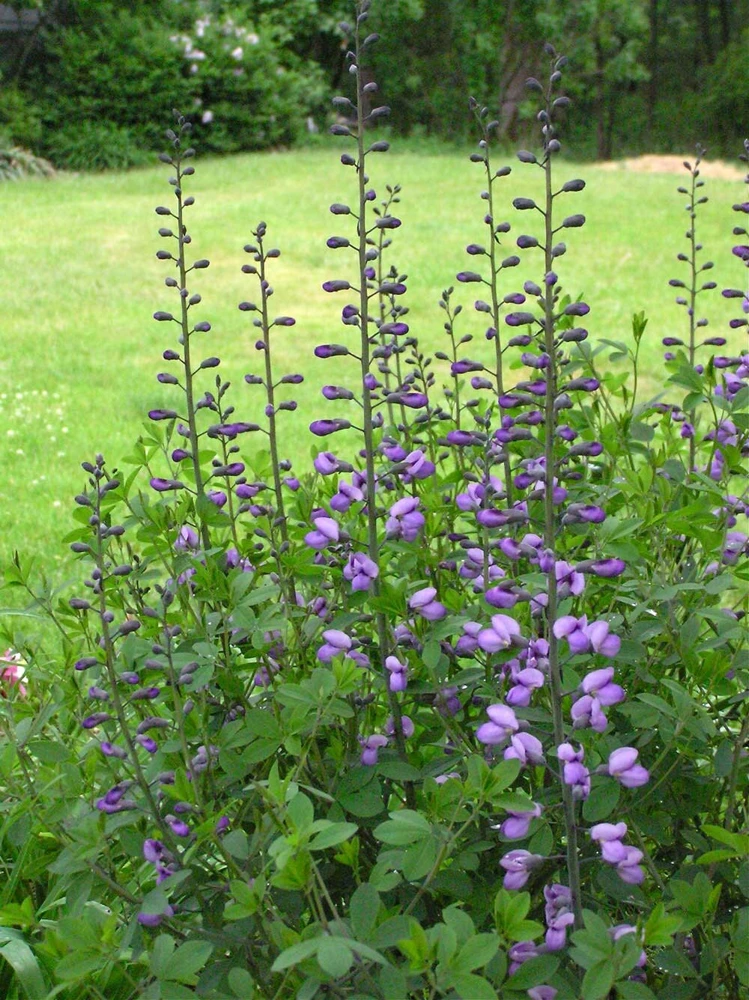
Embark on a rewarding gardening journey with our premium Baptisia australis seeds. Also widely known as False Indigo or Blue Wild Indigo, these perennial seeds promise to transform your outdoor space into a vibrant haven for pollinators. Baptisia australis is a robust and visually striking plant, celebrated for its tall spires of indigo-blue flowers that emerge from late spring through mid-summer. Growing up to 4 feet tall, this plant adds significant vertical interest and a touch of wild elegance to any landscape. Beyond its aesthetic appeal, it plays a crucial ecological role as a larval host plant for several butterfly species, including the Orange Sulphur, Clouded Sulphur, and Eastern Tailed Blue butterflies. By planting these seeds, you’re not just growing a beautiful flower; you’re creating a vital part of your local ecosystem, supporting native wildlife and encouraging biodiversity right in your backyard.
Our blue wild indigo seeds offer an excellent opportunity for gardeners to cultivate a resilient and low-maintenance plant that thrives in various conditions. This species is native to North America and is well-adapted to a wide range of climates, making it a reliable choice for many regions. Its deep root system contributes to its drought tolerance once established, requiring minimal care while providing maximum impact. Whether you are an experienced gardener or just starting, growing Baptisia australis from seed is a fulfilling experience that yields spectacular results. Prepare to enjoy a garden filled with enchanting blue blooms and the gentle flutter of butterflies attracted to this exceptional plant.
Key Benefits
Growing Baptisia australis seeds offers a multitude of benefits for both your garden and the environment. This remarkable plant is more than just a pretty face; it’s a powerhouse of ecological value and aesthetic charm, providing long-lasting beauty with minimal effort.
- Attracts Pollinators: Baptisia australis is a magnet for beneficial insects. It serves as a critical larval host plant for the Orange Sulphur, Clouded Sulphur, and Eastern Tailed Blue butterflies, whose caterpillars feed on its leaves and buds. It’s also a rich nectar source for countless other butterflies, bees, and various insects, significantly boosting your garden’s biodiversity.
- Supports Rare Butterflies: This plant is essential for attracting rare species like the Frosted Elfin butterfly, whose caterpillars feed on its flowers and young seedpods, and the Hoary Edge Skipper, which lays its eggs in the flower buds. The Wild Indigo Duskywing is also strongly attracted to this plant, making false indigo seeds invaluable for butterfly conservation.
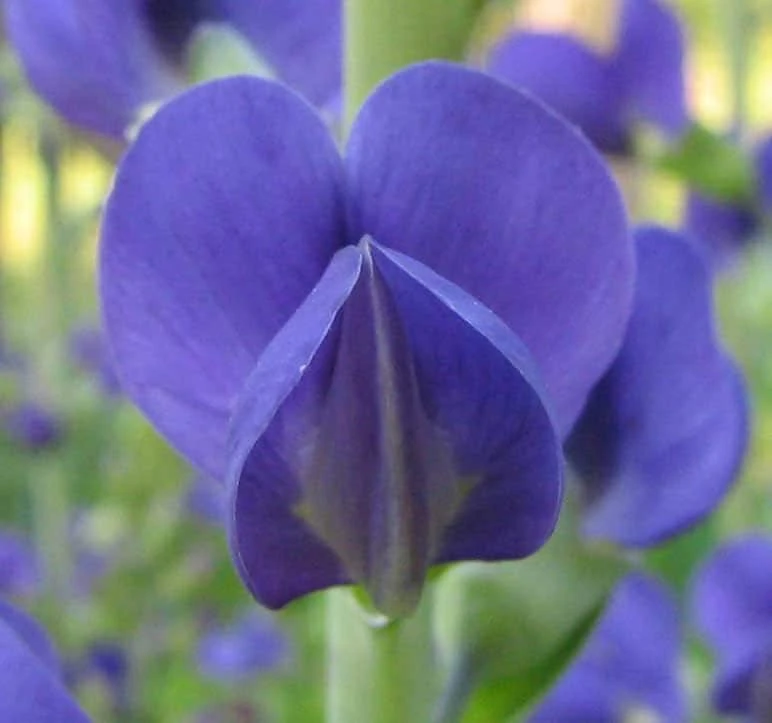
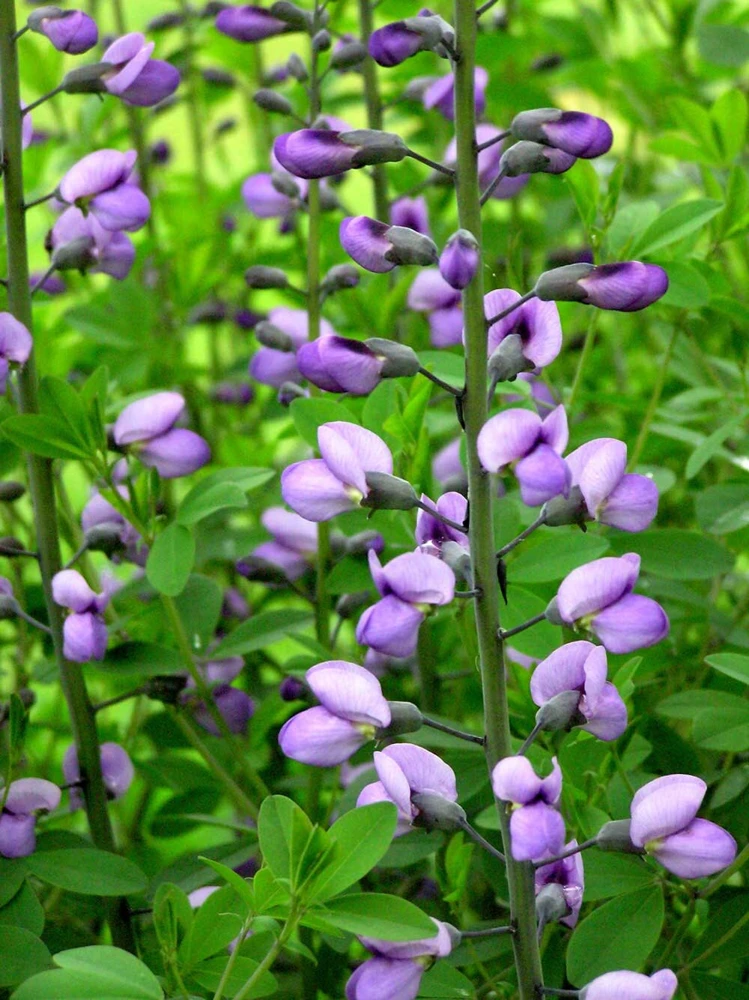
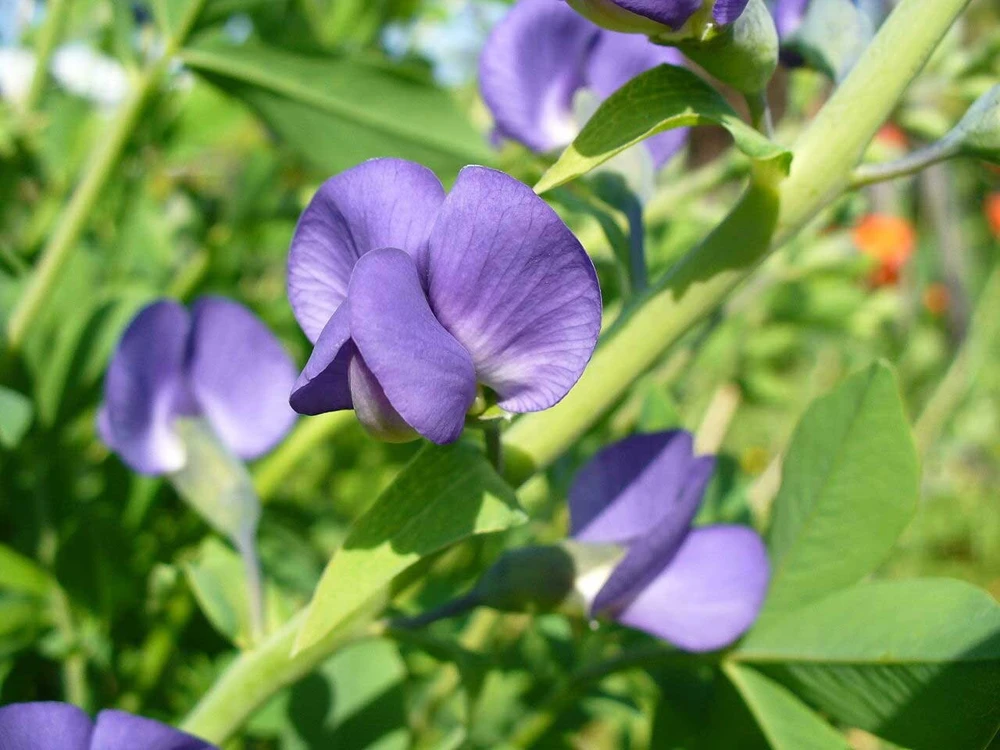
- Stunning Ornamental Value: With its striking spires of deep blue, pea-like flowers, Baptisia australis creates a dramatic visual impact in any garden setting. Its upright growth habit and attractive foliage provide year-round interest, even when not in bloom.
- Low Maintenance & Drought Tolerant: Once established, this hardy perennial requires very little care. Its deep root system makes it exceptionally drought-tolerant, meaning less watering is needed, especially in warmer climates. This makes Baptisia australis seeds an excellent choice for sustainable gardening.
- Long Blooming Season: Enjoy its beautiful blooms from late spring well into the middle of summer, providing a continuous display of color when many other plants have faded. This extended bloom time ensures a sustained food source for pollinators.
- Hardy & Resilient: Thriving in USDA Hardiness Zones 3 to 10, Baptisia australis is incredibly adaptable to a wide range of climates and soil types. It’s resistant to most pests and diseases, making it a robust and reliable addition to your landscape.
- Erosion Control: The extensive root system of Baptisia australis helps stabilize soil, making it an excellent choice for sloped areas or erosion-prone parts of your garden.
Plant Care & Growing Tips
Cultivating Baptisia australis seeds is a straightforward process, but understanding its specific needs will ensure a robust and beautiful plant. This perennial thrives with proper care, rewarding you with its stunning blue flowers and ecological benefits. For optimal growth, choose a location that receives ample sunlight. Baptisia australis prefers full sun, meaning at least 6-8 hours of direct sunlight per day. While it can tolerate some partial shade, too little sun can result in leggy growth and fewer blooms. Good air circulation is also beneficial to prevent fungal issues.
When it comes to soil, blue wild indigo seeds are not particularly fussy, but they perform best in well-draining soil. A sandy or loamy soil mix is ideal, but it can adapt to heavier clay soils as long as drainage is adequate. Amend heavy soils with organic matter like compost to improve structure and drainage. Once established, Baptisia australis is highly drought-tolerant due to its deep taproot, so avoid overwatering. Water regularly during its first growing season to help establish this root system. After that, only water during extended dry periods. Fertilization is generally not necessary; these plants are nitrogen fixers and thrive on minimal nutrients. If your soil is very poor, a light application of balanced, slow-release fertilizer in early spring can be beneficial, but avoid excessive nitrogen, which can promote foliage at the expense of flowers.
Baptisia australis is hardy in USDA zones 3 to 10, making it suitable for a vast range of climates. It can withstand cold winters and hot summers. Minimal pruning is required; you can deadhead spent flower stalks to maintain a tidy appearance, though leaving the seed pods can provide winter interest and food for wildlife. The plant is generally pest and disease-free. Occasionally, powdery mildew might appear in humid conditions; ensure good air circulation to mitigate this. Growing false indigo seeds is a long-term investment, as these plants are long-lived and become more impressive with age, requiring very little intervention once mature.
Size & Details
Our offering includes a pack of 5 Baptisia australis seeds, providing a great start to establishing this magnificent perennial in your garden. Once mature, Baptisia australis typically reaches an impressive height of 3 to 4 feet, with a similar spread, forming a substantial and attractive clump. Its upright, vase-shaped habit makes it an excellent choice for the back of borders, as a specimen plant, or in naturalized areas. The plant exhibits a moderate growth rate, establishing itself well within the first two seasons and reaching its full size within three to five years. The seeds are best started indoors 6-8 weeks before the last frost or directly sown outdoors in late fall or early spring after a period of cold stratification. Expect blooms from late spring to mid-summer, with beautiful seed pods following thereafter.
Each seed has the potential to grow into a robust plant, contributing to a vibrant and ecologically rich garden space. The deep root system of Baptisia australis means it dislikes being moved once established, so choose its permanent home carefully. These perennial flower seeds will yield plants that return year after year, growing larger and more floriferous with time. The seed pods, which rattle when dry, also provide winter interest and can be used in dried arrangements. This plant is delivered as a pack of seeds, ready for you to sow and cultivate into a thriving garden focal point.
Frequently Asked Questions
- Q: How big does this plant get from these Baptisia australis seeds? A: Once mature, Baptisia australis typically grows to an impressive height of 3 to 4 feet tall and can spread to a similar width, forming a substantial and attractive clump in your garden. Its upright habit makes it a striking presence.
- Q: Is this an indoor or outdoor plant? A: Baptisia australis is primarily an outdoor perennial plant. It thrives in garden settings, preferring full sun exposure. It is not generally grown as an indoor plant due to its size and light requirements.
- Q: How much sunlight does it need? A: For optimal growth and abundant blooms, blue wild indigo seeds should be planted in a location that receives full sun, meaning at least 6-8 hours of direct sunlight per day. It can tolerate some partial shade, but flowering may be reduced.
- Q: Is this plant easy to care for? A: Yes, Baptisia australis is considered a very easy-to-care-for plant, especially once established. It is drought-tolerant, disease-resistant, and requires minimal fertilization, making it an excellent choice for both beginner and experienced gardeners.
- Q: What condition will the seeds arrive in? A: Your order will arrive as a pack of 5 Baptisia australis seeds, carefully packaged to ensure their viability and readiness for planting. They will be dry and ready for stratification or immediate sowing depending on the season.
- Q: How long until it blooms from these false indigo seeds? A: While the plant will establish foliage in its first year, Baptisia australis typically begins to produce significant blooms in its second or third year after planting from seed. Its deep root system takes time to develop before flowering.
- Q: Will it survive winter in my zone? A: Yes, Baptisia australis is exceptionally hardy and will survive winter in USDA Hardiness Zones 3 to 10. It is a robust perennial that returns year after year, even in colder climates.
- Q: Can these perennial flower seeds help attract butterflies? A: Absolutely! Baptisia australis is a renowned butterfly magnet. It serves as a larval host plant for several butterfly species and provides a rich nectar source for countless others, making it perfect for a pollinator-friendly garden.
- Q: When is the best time to plant Baptisia australis seeds? A: The best time to sow Baptisia australis seeds is in late fall directly outdoors, allowing for natural cold stratification over winter, or indoors 6-8 weeks before the last expected frost in spring after artificial stratification.
- Q: What type of soil does Baptisia australis prefer? A: Baptisia australis prefers well-draining soil, such as sandy or loamy types. It can tolerate a range of soil conditions, including heavier clay, as long as it has good drainage to prevent root rot.
Be the first to review “Baptisia australis Seeds – Blue Wild Indigo – 5 Seed Pack – Perennial Outdoor”
Related products


Flower Seeds
Blue Stock Matthiola Incana Seeds – 50 Fragrant Gillyflower Seeds – Ten-Week Blue Stock


You May Like

How to Grow Passion Flower (Passiflora) for Tropical Blooms
Few climbing vines in the home garden command attention quite like the exotic Passion Flower (Passiflora). [...]
Nov

Thanksgiving Cactus Care: How to Get Thanksgiving Cactus to Bloom
Is your Thanksgiving cactus growing well but not giving you any flowers? Maybe it looked [...]
Nov

How to Grow Garlic for a Bountiful Home Harvest
Garlic (Allium sativum) is one of the most satisfying, low-maintenance, and flavor-packed crops you can [...]
Oct

Hardneck vs. Softneck Garlic: Which Should You Grow?
Have you ever stood in front of a seed catalog in mid-September, staring at dozens [...]
1 Comment
Oct

When to Plant Music Garlic: Ultimate US Fall Guide
Have you ever spent your fall weekend placing carefully chosen garlic cloves into rich, dark [...]
1 Comment
Oct

5 Best Bulbs for Fall Planting: Brighten Your Garden This Spring
Are you dreaming of a garden full of vibrant colors in the spring? The key [...]
Aug

10 Houseplants That Will Thrive in Your Kitchen
Are you tired of your kitchen feeling dull and lifeless? Want to add a little [...]
1 Comment
Aug
Reviews
There are no reviews yet.