
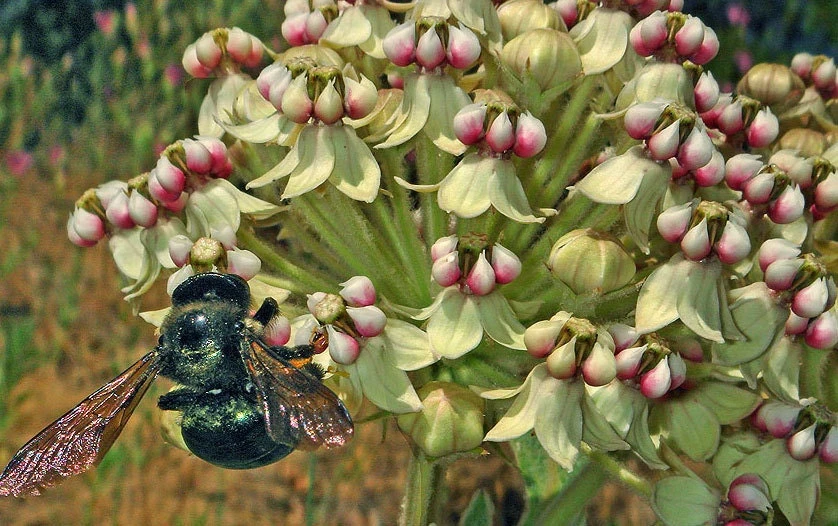
Asclepias eriocarpa Seeds – Indian Kotolo Milkweed – 10 Seeds – Attracts Pollinators
Original price was: 48.91 $.19.91 $Current price is: 19.91 $.
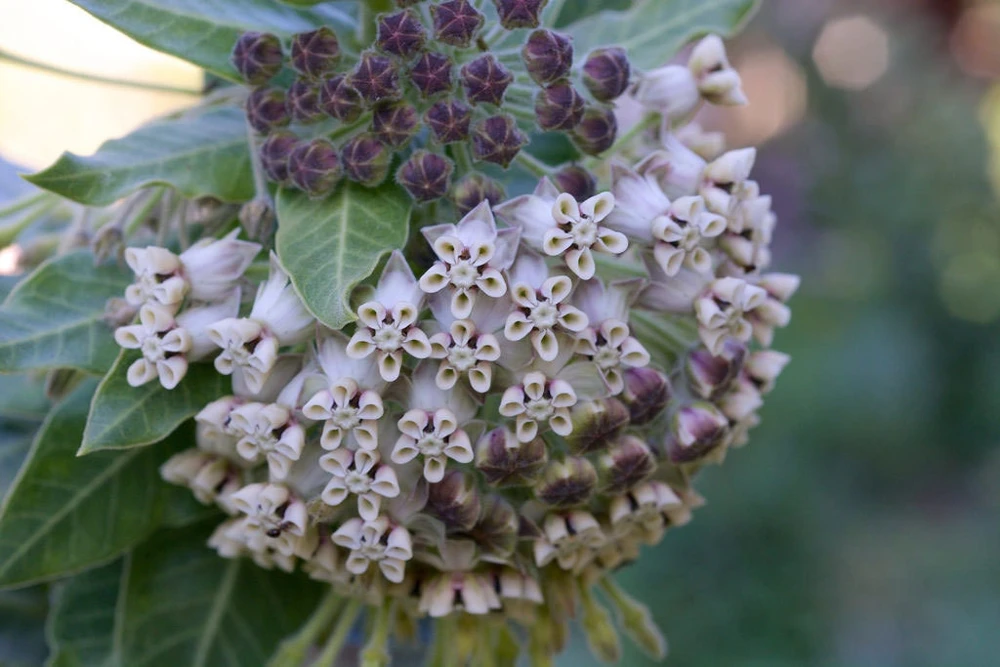
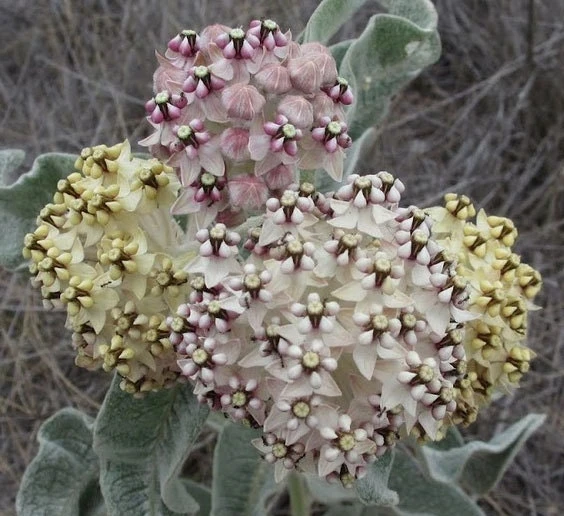
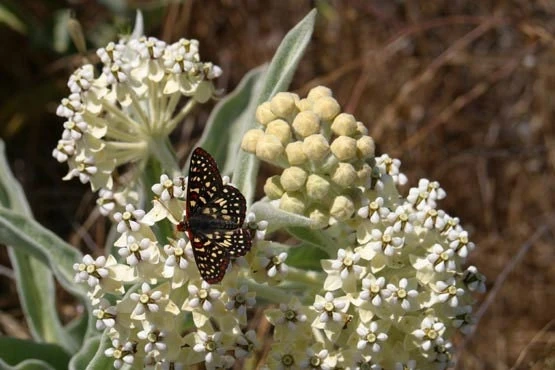
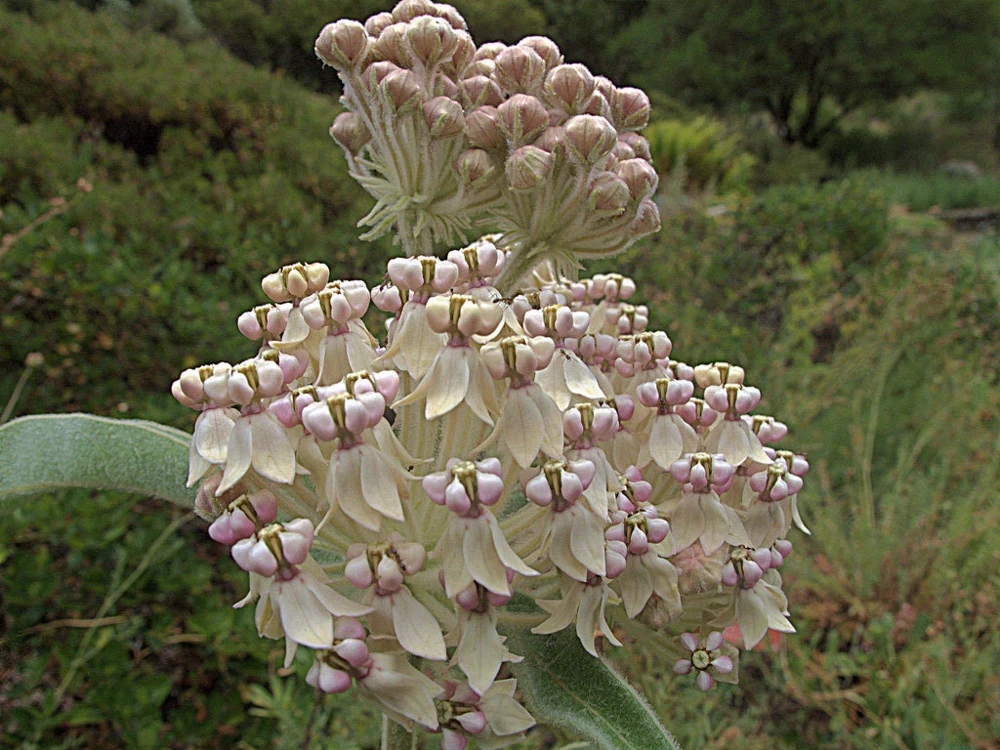
Cultivate Asclepias eriocarpa seeds, also known as Indian Kotolo Milkweed, with this pack of 10 seeds. These native plants are vital for supporting Monarch butterflies and a wide array of other pollinators, making them a perfect addition to any wildlife-friendly garden.
Estimated arrival
Nov 26
Dec 01 - Dec 03
Dec 03 - Dec 08
See our Shipping Policy.
Get in touch with us via email, and our team will review your concerns.
Our Alive & Thrive Guarantee covers issues with your plants within the first 30 days. Read our Refund & Returns Policy.
-
USDA Hardiness Zone
7 to 10 -
Soil Type
well-draining soil -
Sunlight Exposure
full sun -
Expected Planting Period
spring after last frost
Overview
Embark on a rewarding gardening journey with Asclepias eriocarpa seeds, offering you the chance to grow the beautiful and ecologically significant Indian Kotolo Milkweed. Also known as woollypod milkweed, this native plant is a cornerstone for creating a vibrant pollinator garden. Each pack contains 10 seeds, providing a fantastic opportunity to cultivate this unique species. Asclepias eriocarpa is renowned for its critical role in supporting diverse ecosystems, particularly as a host plant for Monarch butterfly larvae and a nectar source for many adult butterflies and moths. Beyond its ecological value, the plant itself possesses fascinating characteristics, including stems that contain latex historically used for chewing gum and fibers for rope and clothing. Growing this plant from seeds allows you to witness its full life cycle and contribute directly to local biodiversity.
This remarkable milkweed variety thrives in specific conditions, making it a valuable addition to appropriate landscapes. Its striking appearance and the wildlife it attracts make it a focal point in any garden. By choosing to plant Asclepias eriocarpa seeds, you are investing in a plant that offers both aesthetic appeal and significant environmental benefits, fostering a healthier habitat for essential pollinators.
Key Benefits
Planting Asclepias eriocarpa seeds brings a multitude of benefits to your garden and the local environment. This native plant is an invaluable resource for wildlife and offers unique horticultural appeal. The presence of this milkweed variety contributes significantly to a thriving ecosystem:
- Monarch Butterfly Habitat:Indian Kotolo Milkweed is a primary host plant for Monarch butterfly caterpillars, providing essential food for their development. Planting these seeds directly supports the conservation of these iconic pollinators.
- Pollinator Magnet: The flowers of Asclepias eriocarpa are rich nectar sources, attracting a wide array of beneficial insects, including various bees, other butterfly species like the Orange-edged Roadside-Skipper and Eastern Tiger Swallowtail, and moths such as the Clarks sphinx and Milkweed Tussock moths.
- Drought Tolerance: Once established, this plant is known for its resilience and ability to withstand periods of drought, making it a low-maintenance choice for many climates.
- Unique Plant Characteristics: The plant’s stems contain latex that can be processed into chewing gum, and its fibers have been historically used for making rope and clothing, showcasing its versatility beyond ecological benefits.
- Native Plant Appeal: Incorporating native species like woollypod milkweed helps restore natural habitats and creates a garden that is better adapted to local conditions, requiring less intervention.
- Educational Value: Growing this plant offers an excellent opportunity to observe the intricate relationship between plants and pollinators, providing educational insights for gardeners of all ages.
- Sustainable Gardening: By supporting native flora, you contribute to sustainable gardening practices and enhance the overall health and resilience of your local environment.
Plant Care & Growing Tips
Successful cultivation of Asclepias eriocarpa seeds requires attention to specific environmental conditions to ensure healthy growth and robust flowering. This resilient native plant, often referred to as Indian Kotolo Milkweed, thrives when its basic needs are met, making it a rewarding addition to your garden. Understanding how to provide optimal care will help your plants flourish and become a haven for pollinators.
For germination, cold stratification is often beneficial for woollypod milkweed seeds. This can be achieved by placing the seeds in a moist medium (like sand or peat) in a sealed bag in the refrigerator for 30-60 days before planting. Once ready, sow the seeds directly into well-draining soil in a sunny location after the last frost. These plants demand full sun exposure, requiring at least 6-8 hours of direct sunlight daily to produce abundant flowers and support vigorous growth. They are well-adapted to drier conditions, so avoid overwatering. Allow the soil to dry out completely between waterings, especially once established. Good drainage is crucial; sandy or rocky soils are often preferred, as overly rich or constantly wet soils can lead to root rot. The ideal pH range is slightly acidic to neutral.
Asclepias eriocarpa is hardy in USDA Hardiness Zones 7 to 10. In colder regions, it will die back to the ground in winter and re-emerge in spring. Fertilization is generally not necessary in average garden soils, as native plants are adapted to less fertile conditions. Over-fertilizing can lead to lush foliage at the expense of flowers. Pests are usually kept in check by natural predators, but keep an eye out for aphids, which can be rinsed off with water. Providing proper light and well-draining soil are the most critical factors for growing a thriving pollinator garden seeds specimen of this milkweed.
Size & Details
This product includes 10 seeds of Asclepias eriocarpa, commonly known as Indian Kotolo Milkweed or woollypod milkweed. These seeds will grow into herbaceous perennial plants that typically reach a height of 2 to 4 feet, with a similar spread, once mature. The growth rate is moderate, and plants usually establish well within the first year, beginning to flower in their second year from seed. The seeds are intended for outdoor planting and are suitable for creating a dedicated pollinator garden seeds area. When growing from seeds, maturity can take some time, but the long-term benefits for local wildlife are significant. The plants will develop characteristic woolly seed pods after flowering, adding further interest to the garden.
Frequently Asked Questions
- Q: How many seeds are included in this pack? A: This pack contains 10 Asclepias eriocarpa seeds, providing a good starting quantity for your garden.
- Q: What is the best time to plant these seeds? A: After cold stratification, sow the Indian Kotolo Milkweed seeds outdoors in spring after the last frost, when soil temperatures have warmed.
- Q: What kind of sunlight does this plant need? A: Asclepias eriocarpa thrives in full sun, requiring at least 6-8 hours of direct sunlight per day to ensure vigorous growth and abundant blooms.
- Q: Is this plant suitable for a beginner gardener? A: Yes, with proper attention to its sunlight and soil requirements, growing woollypod milkweed from seed can be a rewarding experience for beginners. Understanding milkweed plant care basics is key.
- Q: What condition will the seeds arrive in? A: The seeds will arrive in a protective packet, ready for you to begin the germination process, potentially including cold stratification.
- Q: How long does it take for the seeds to germinate? A: Germination times can vary, but with proper cold stratification, seeds typically sprout within 2-4 weeks after planting.
- Q: What USDA Hardiness Zones is this milkweed suitable for? A: Asclepias eriocarpa is hardy in USDA Hardiness Zones 7 to 10, meaning it can tolerate winter temperatures within this range.
- Q: Does this plant require special soil? A: This milkweed prefers well-draining soil, including sandy or rocky types. Avoid heavy, waterlogged soils.
- Q: Why is planting Asclepias eriocarpa important? A: Planting Indian Kotolo Milkweed is crucial for supporting Monarch butterfly populations as it is a vital host plant for their larvae, contributing to a healthy pollinator garden seeds ecosystem.
- Q: Will these plants attract other pollinators besides Monarchs? A: Absolutely! The nectar-rich flowers of this milkweed attract a wide variety of bees, butterflies, and moths, making your garden a biodiversity hotspot.
Be the first to review “Asclepias eriocarpa Seeds – Indian Kotolo Milkweed – 10 Seeds – Attracts Pollinators”
Related products


Flower Plants

You May Like

How to Grow Passion Flower (Passiflora) for Tropical Blooms
Few climbing vines in the home garden command attention quite like the exotic Passion Flower (Passiflora). [...]
Nov

Thanksgiving Cactus Care: How to Get Thanksgiving Cactus to Bloom
Is your Thanksgiving cactus growing well but not giving you any flowers? Maybe it looked [...]
Nov

How to Grow Garlic for a Bountiful Home Harvest
Garlic (Allium sativum) is one of the most satisfying, low-maintenance, and flavor-packed crops you can [...]
Oct

Hardneck vs. Softneck Garlic: Which Should You Grow?
Have you ever stood in front of a seed catalog in mid-September, staring at dozens [...]
1 Comment
Oct

When to Plant Music Garlic: Ultimate US Fall Guide
Have you ever spent your fall weekend placing carefully chosen garlic cloves into rich, dark [...]
1 Comment
Oct

5 Best Bulbs for Fall Planting: Brighten Your Garden This Spring
Are you dreaming of a garden full of vibrant colors in the spring? The key [...]
Aug

10 Houseplants That Will Thrive in Your Kitchen
Are you tired of your kitchen feeling dull and lifeless? Want to add a little [...]
1 Comment
Aug
Reviews
There are no reviews yet.