
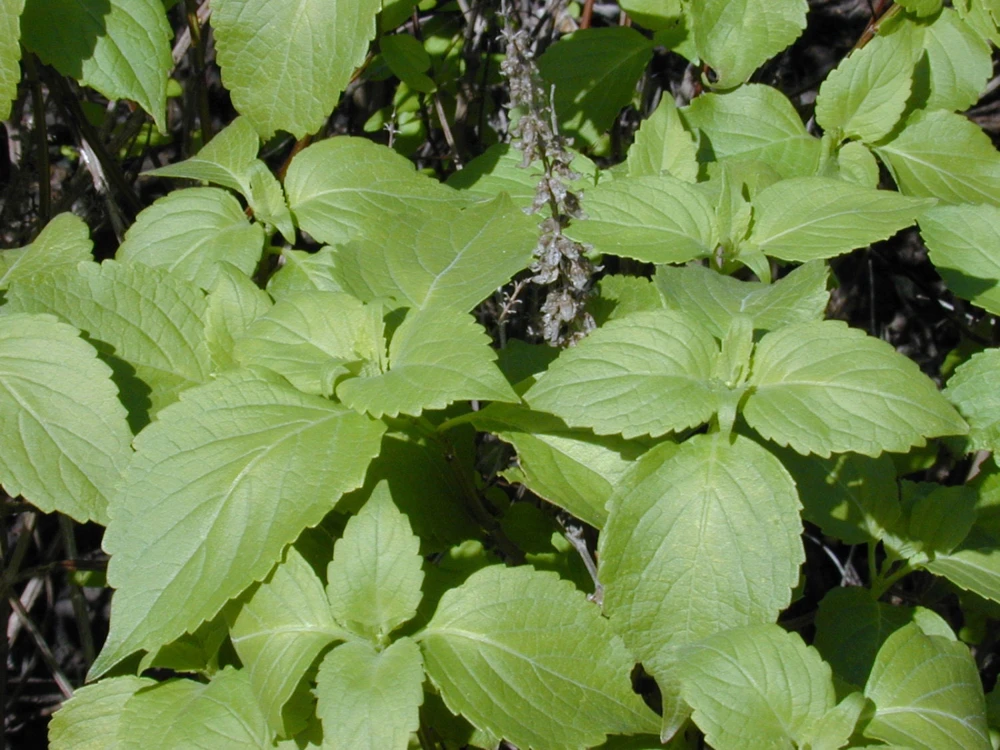
West African Wild Clove Basil Seeds – Ocimum gratissimum – 100 Seeds for Herb Gardens
Original price was: 48.91 $.19.91 $Current price is: 19.91 $.
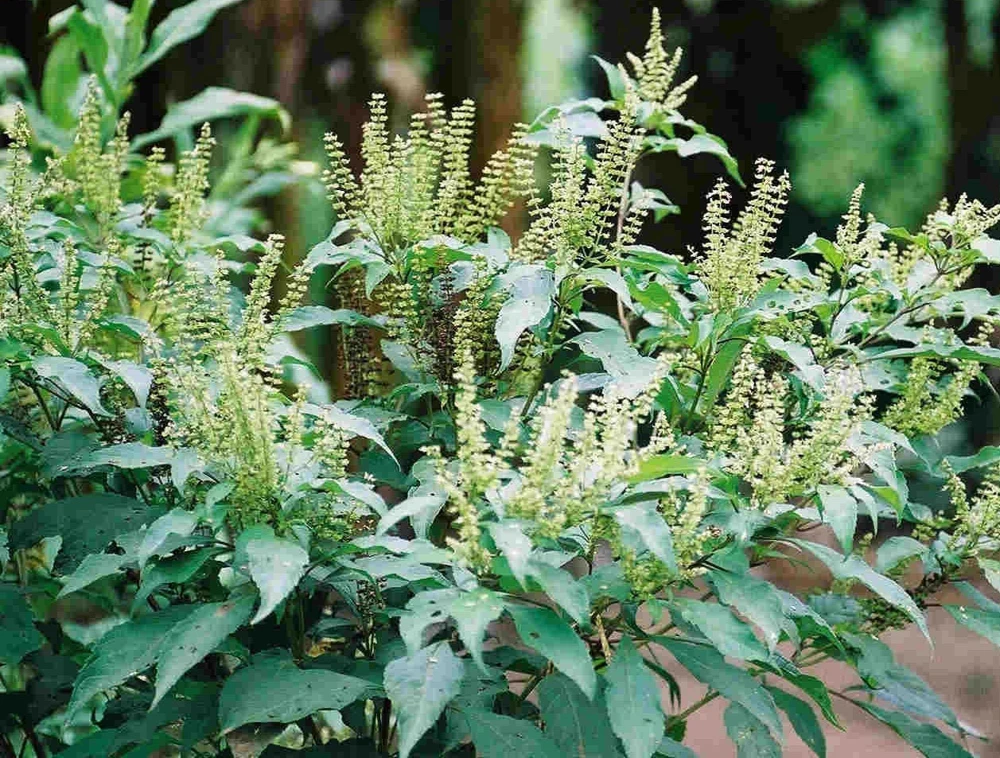
Cultivate the distinctive flavor and aroma of West African Wild Clove Basil seeds in your garden. This unique herb, also known as clove basil plant, offers a fragrant basil-clove scent and can reach up to 8 feet tall. Perfect for culinary use and adding an exotic touch to your herb collection.
Estimated arrival
Nov 26
Dec 01 - Dec 03
Dec 03 - Dec 08
See our Shipping Policy.
Get in touch with us via email, and our team will review your concerns.
Our Alive & Thrive Guarantee covers issues with your plants within the first 30 days. Read our Refund & Returns Policy.
-
USDA Hardiness Zone
USDA Hardiness Zones 10-11 (as tender perennial), otherwise annual -
Soil Type
Well-draining, rich in organic matter -
Sunlight Exposure
Full sun (6-8 hours daily) -
Expected Planting Period
Spring to early summer
Overview
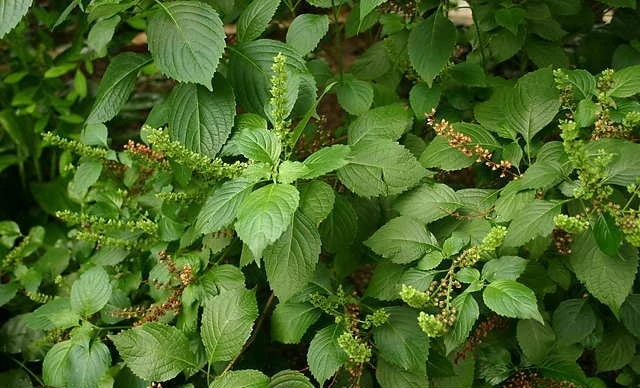
Discover the exotic allure of West African Wild Clove Basil seeds, scientifically known as Ocimum gratissimum. These remarkable seeds allow you to cultivate a plant celebrated for its robust growth and intensely aromatic foliage. Also commonly referred to as clove basil, African basil, and wild basil, this herb is a staple in West African and Caribbean cuisines, cherished for its unique scent leaves. Growing up to 8 feet tall, the clove basil plant is not just a culinary delight but also a striking addition to any garden or large container. Its fragrant leaves release a captivating basil-clove aroma, making it a sensory experience as well as a practical herb.
Our 100-seed pack provides ample opportunity to establish a thriving patch of this versatile herb. Whether you’re an experienced gardener or just starting, growing Ocimum gratissimum seeds is a rewarding endeavor. This plant’s adaptability means it can be grown as an annual in most climates or as a tender perennial in warmer regions (USDA Hardiness Zones 10-11). Bring a taste of the tropics and a unique fragrance to your home garden with these exceptional seeds.
Key Benefits
Growing West African Wild Clove Basil seeds offers numerous advantages, from enhancing your culinary creations to enriching your garden’s biodiversity. Its distinctive qualities make it a must-have for herb enthusiasts.
- Unique Aromatic Profile: The leaves of this plant emit a strong, pleasant basil-clove fragrance, making it a standout among other herbs. This scent is perfect for adding depth to dishes or simply enjoying in the garden.
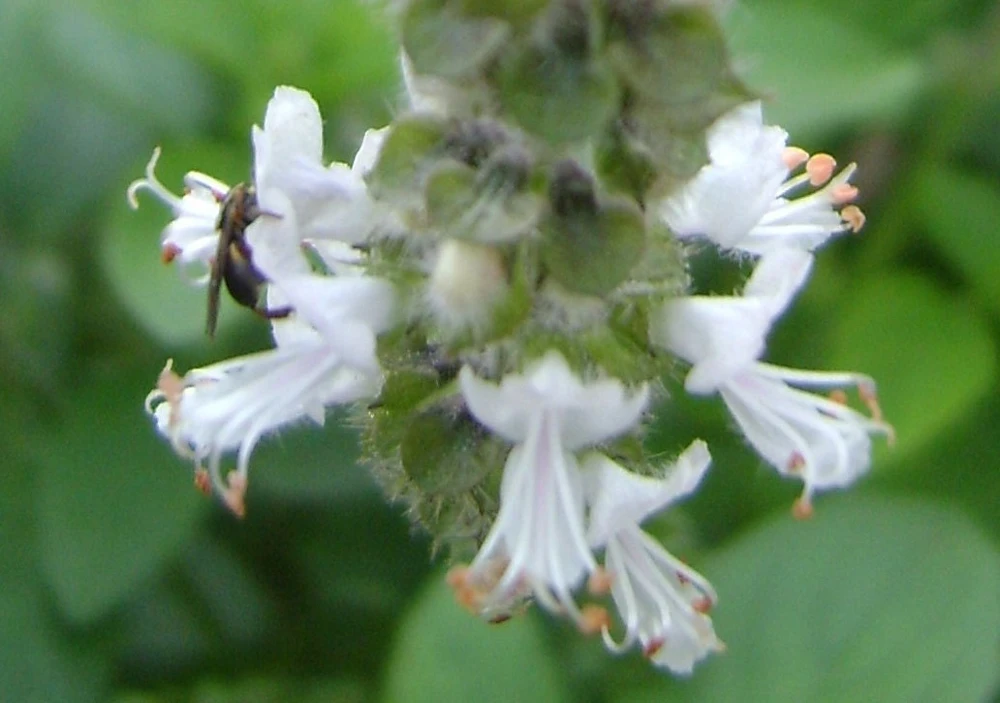
- Culinary Versatility: Known as ‘scent leaves’, these leaves are widely used in West African and Caribbean cooking. They can elevate soups, stews, and sauces with their rich, complex flavor. The delicate white flowers are also edible and can be a beautiful addition to salads.
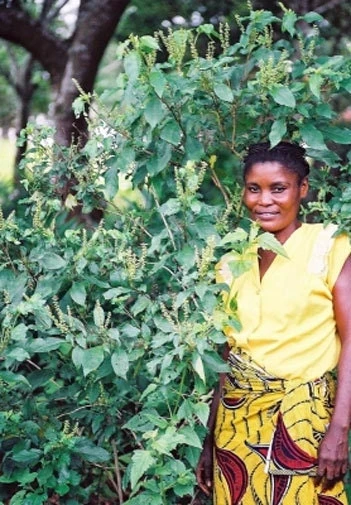
- Impressive Growth Habit: The clove basil plant can reach heights of up to 8 feet, providing a lush, green backdrop in your garden. Its vigorous growth makes it an impactful plant in any setting.
- Adaptable Growing Conditions: While primarily grown as an annual, it thrives as a tender perennial in warmer climates, offering flexibility for various growing environments. It can even be brought indoors to a garden window during winter months.
- Attracts Pollinators: Like many basil varieties, Ocimum gratissimum seeds will produce plants that attract beneficial pollinators to your garden, contributing to a healthier ecosystem.
- Easy to Grow from Seed: These West African Wild Clove Basil seeds are relatively straightforward to germinate and grow, making them suitable for gardeners of all skill levels.
Plant Care & Growing Tips
Cultivating West African Wild Clove Basil seeds into a healthy, productive plant requires attention to a few key environmental factors. This herb thrives with adequate sunlight and consistent moisture, establishing itself as a robust and fragrant addition to your garden.
For optimal growth, clove basil plant prefers a location with full sun, meaning at least 6-8 hours of direct sunlight per day. If growing indoors, place it in a bright, south-facing window. The soil should be well-draining, rich in organic matter, and have a pH between 6.0 and 7.0. While the plant can tolerate a range of soil types, ensuring good drainage is crucial to prevent root rot. Water regularly, keeping the soil consistently moist but not waterlogged. Allow the top inch of soil to dry out slightly between waterings, especially in cooler weather or when growing indoors. In hot, dry periods, daily watering may be necessary.
This plant is grown as an annual in most regions, but is a tender perennial in USDA Hardiness Zones 10 to 11. It prefers warm temperatures and is sensitive to frost. If you live in a colder zone, consider starting seeds indoors 6-8 weeks before the last frost date. Fertilize moderately with a balanced liquid fertilizer every 2-4 weeks during the growing season. Pinching back the growing tips will encourage bushier growth and prevent the plant from becoming leggy. Watch out for common pests like aphids or spider mites, especially if grown indoors; treat with organic insecticidal soap if necessary. Growing Ocimum gratissimum seeds successfully will reward you with an abundance of fragrant leaves.
Size & Details
Each packet contains 100 seeds of West African Wild Clove Basil (Ocimum gratissimum). When mature, this impressive herb can reach heights of up to 8 feet, creating a significant presence in your garden. It develops a spreading habit, offering abundant foliage for culinary and aromatic uses. The plant is typically grown as an annual in most climates, completing its life cycle within one growing season, but can persist as a tender perennial in USDA Hardiness Zones 10 to 11. Seeds should be sown in spring after the danger of frost has passed, or started indoors earlier. Expect germination within 7-14 days under ideal conditions, with plants reaching maturity and producing leaves ready for harvest within 60-90 days. The plants will produce delicate white flowers, which are also edible.
Frequently Asked Questions
- Q: How big does this West African Wild Clove Basil plant get? A: The clove basil plant is known for its vigorous growth and can reach an impressive height of up to 8 feet under ideal growing conditions. It will also spread to form a bushy plant.
- Q: Is this an indoor or outdoor plant? A: While primarily grown outdoors as an annual, you can successfully grow wild basil indoors in a sunny window during colder months, especially if you live outside of USDA Zones 10-11.
- Q: How much sunlight does Ocimum gratissimum need? A: This plant thrives in full sun, requiring at least 6-8 hours of direct sunlight daily for optimal growth and fragrance. Less sunlight may result in leggy growth and reduced aroma.
- Q: Is this plant easy to care for? A: Yes, West African Wild Clove Basil seeds are relatively easy to grow. With consistent watering, good drainage, and plenty of sunlight, it will flourish, making it suitable for gardeners of all experience levels.
- Q: Can I use clove basil in cooking? A: Absolutely! The leaves, often called ‘scent leaves’, are a common culinary herb in West African and Caribbean cuisines. They add a unique basil-clove flavor to soups, stews, and other dishes.
- Q: When is the best time to plant these seeds? A: For most regions, the best time to plant Ocimum gratissimum seeds is in spring after all danger of frost has passed. If you’re in a cooler climate, you can start them indoors 6-8 weeks before the last frost.
- Q: What condition will the seeds arrive in? A: Your West African Wild Clove Basil seeds will arrive in a protective packet, ensuring their viability and readiness for planting upon arrival.
- Q: What kind of soil is best for this plant? A: This basil variety prefers well-draining soil that is rich in organic matter. A good quality potting mix or garden soil amended with compost will provide the best environment.
- Q: Will it survive winter in my zone? A: The clove basil plant is a tender perennial, meaning it will only survive winter outdoors in USDA Hardiness Zones 10 and 11. In other zones, it is typically grown as an annual.
- Q: How long until the plants are ready for harvest? A: From sowing West African Wild Clove Basil seeds, you can typically start harvesting leaves within 60-90 days, once the plant has established itself and produced ample foliage.
Be the first to review “West African Wild Clove Basil Seeds – Ocimum gratissimum – 100 Seeds for Herb Gardens”
Related products


You May Like

How to Grow Passion Flower (Passiflora) for Tropical Blooms
Few climbing vines in the home garden command attention quite like the exotic Passion Flower (Passiflora). [...]
Nov

Thanksgiving Cactus Care: How to Get Thanksgiving Cactus to Bloom
Is your Thanksgiving cactus growing well but not giving you any flowers? Maybe it looked [...]
Nov

How to Grow Garlic for a Bountiful Home Harvest
Garlic (Allium sativum) is one of the most satisfying, low-maintenance, and flavor-packed crops you can [...]
Oct

Hardneck vs. Softneck Garlic: Which Should You Grow?
Have you ever stood in front of a seed catalog in mid-September, staring at dozens [...]
1 Comment
Oct

When to Plant Music Garlic: Ultimate US Fall Guide
Have you ever spent your fall weekend placing carefully chosen garlic cloves into rich, dark [...]
1 Comment
Oct

5 Best Bulbs for Fall Planting: Brighten Your Garden This Spring
Are you dreaming of a garden full of vibrant colors in the spring? The key [...]
Aug

10 Houseplants That Will Thrive in Your Kitchen
Are you tired of your kitchen feeling dull and lifeless? Want to add a little [...]
1 Comment
Aug
Reviews
There are no reviews yet.