
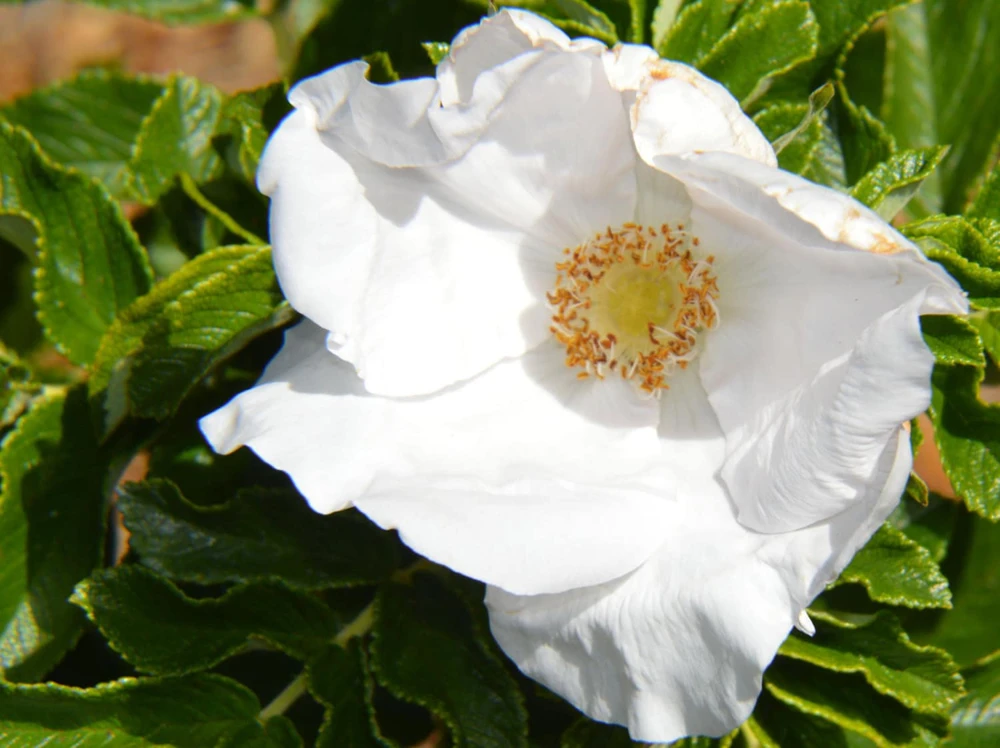
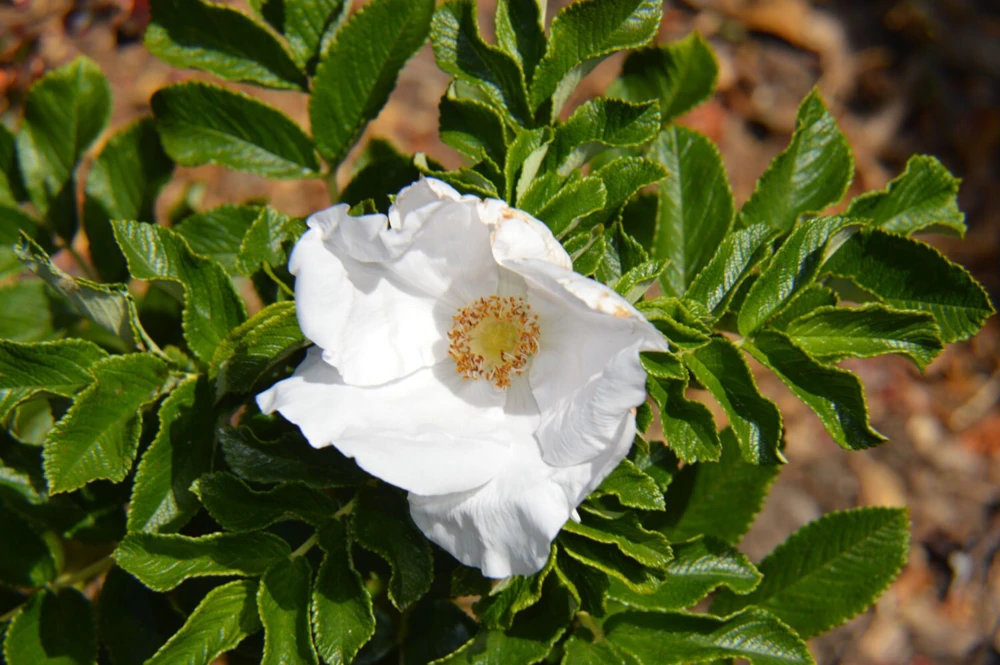
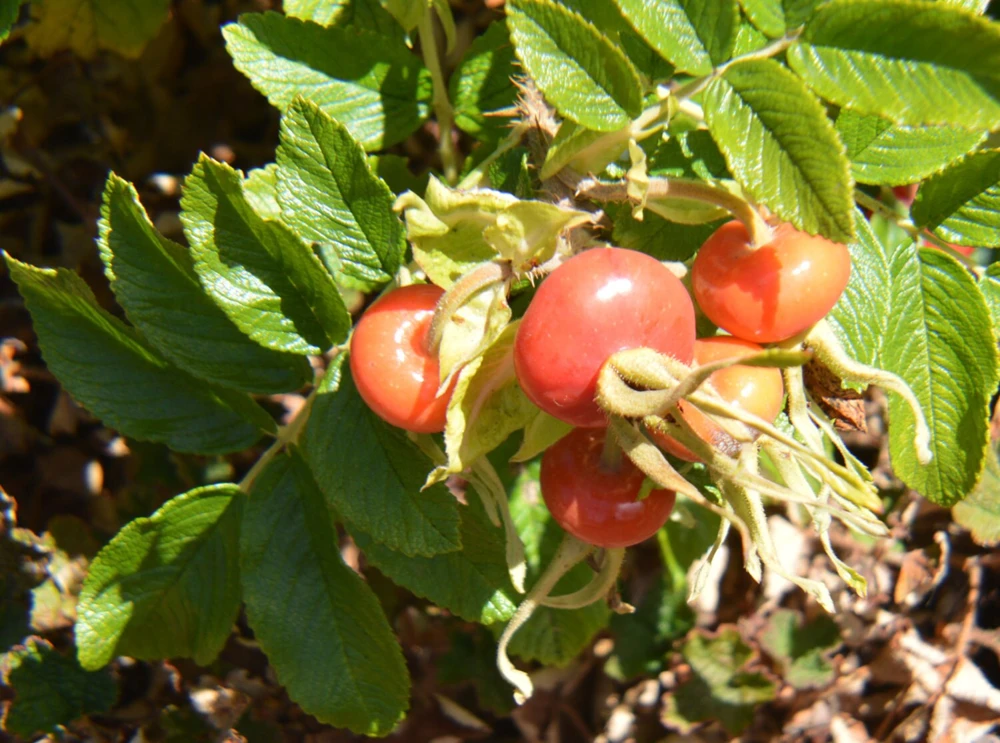
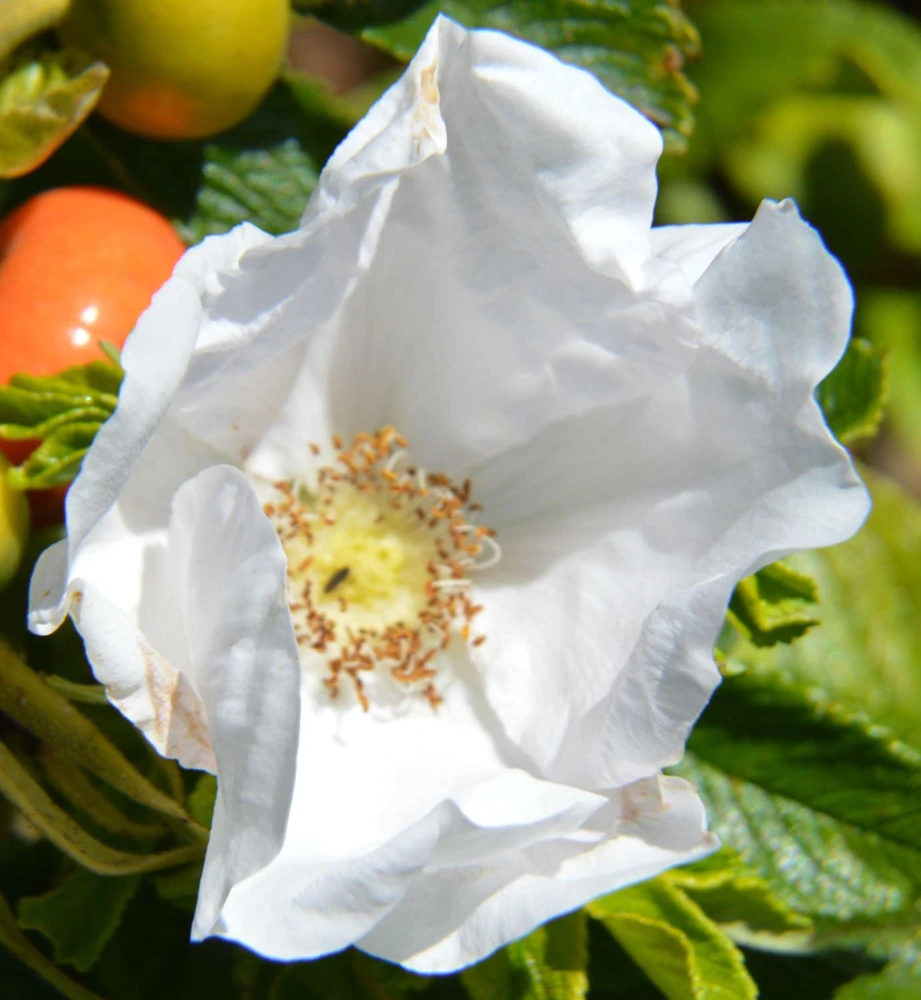
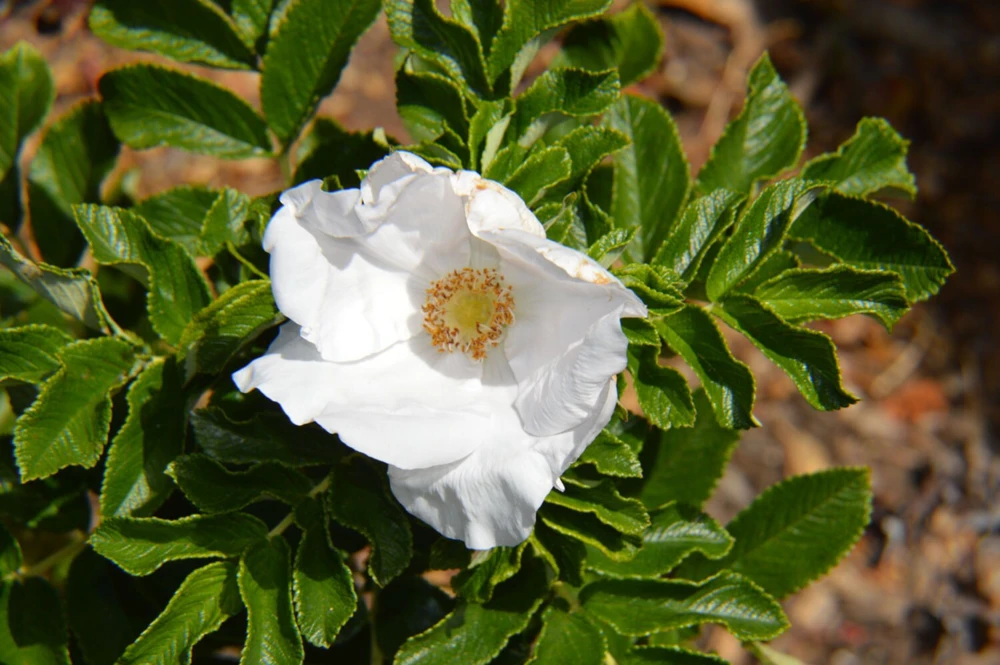
Rosa Rugosa Alba Seeds – White Japanese Rose Seeds – 10 Seeds – Edible & Ornamental
Original price was: 44.91 $.15.91 $Current price is: 15.91 $.
Cultivate the versatile Rosa rugosa Alba seeds, also known as White Japanese Rose seeds. This hardy shrub is an edible ornamental seeds option, providing fragrant white blooms and edible fruit. Ideal for windbreaks, hedges, and attracting pollinators.
Estimated arrival
Nov 27
Dec 02 - Dec 04
Dec 04 - Dec 09
See our Shipping Policy.
Get in touch with us via email, and our team will review your concerns.
Our Alive & Thrive Guarantee covers issues with your plants within the first 30 days. Read our Refund & Returns Policy.
-
USDA Hardiness Zone
2 to 9 -
Soil Type
Well-draining soil -
Sunlight Exposure
Full sun to partial shade -
Expected Planting Period
Spring or Fall
Overview
Discover the charm and versatility of Rosa rugosa Alba seeds, allowing you to grow the beautiful White Japanese Rose. This exceptional shrub, also known as Japanese Rose, is a prized addition to any garden, offering both aesthetic appeal and practical benefits. Its striking white flowers bloom repeatedly from late spring until early fall, filling the air with a delightful fragrance. Beyond its beauty, the Rosa rugosa Alba is considered an edible ornamental seeds variety, producing edible fruits (hips), seeds, and flowers. Whether you’re looking to create a natural windbreak, establish a robust hedge, or simply enjoy its abundant blossoms, these seeds provide an excellent starting point for cultivating a resilient and rewarding plant. The resulting shrub can reach up to 6 feet tall, making a significant impact in your landscape. It’s also a vital larval host plant for the Columbia silkmoth, supporting local ecosystems.
Growing Rosa rugosa Alba seeds offers a unique opportunity to connect with nature and enjoy a plant that provides year-round interest. From its fragrant blooms to its vibrant fall foliage and persistent rose hips, this plant is a true garden workhorse. It thrives in a range of conditions and is known for its hardiness, making it suitable for many climates across the US. Begin your journey with these high-quality seeds and watch your garden transform with the elegance of the White Japanese Rose.
Key Benefits
Planting Rosa rugosa Alba seeds offers a multitude of benefits for both the gardener and the environment. This robust shrub is more than just a pretty face; it’s a functional and ecologically valuable addition to any landscape.
- Edible & Ornamental Value: Enjoy the dual benefits of this plant. Its fragrant white flowers are beautiful, while its hips, seeds, and flowers are all edible, offering a unique foraging opportunity right from your garden.
- Excellent for Hedges & Windbreaks: The dense growth habit of the Japanese rose plant makes it perfect for creating natural barriers, providing privacy, and protecting your garden from strong winds.
- Fragrant Blooms: Experience the delightful, classic rose scent from late spring through early fall. The abundant white flowers add elegance and a pleasant aroma to your outdoor spaces.
- Wildlife Support: As a larval host plant for the Columbia silkmoth, Rosa rugosa Alba supports local insect populations, contributing to a healthier and more diverse garden ecosystem.
- Hardy & Resilient: This shrub is incredibly tough, tolerating a wide range of conditions and thriving in USDA Hardiness Zones 2 to 9. It’s a low-maintenance option for busy gardeners.
- Repeated Blooming: Unlike many roses, the White Japanese Rose blooms repeatedly throughout the growing season, ensuring a continuous display of its beautiful white flowers.
- Adaptable to Sun Conditions: It performs well in full sun to partial shade, giving you flexibility in where you can plant it in your garden. This adaptability makes it a versatile choice for various landscape designs.
Plant Care & Growing Tips
Cultivating a healthy Japanese rose plant from your Rosa rugosa Alba seeds is a rewarding experience, especially given its hardy nature. When starting from seed, scarification and stratification are often recommended to break dormancy. Once germinated, provide consistent moisture and protection for young seedlings. For established plants, Rosa rugosa Alba is remarkably low-maintenance, making it an excellent choice for both novice and experienced gardeners. It’s known for its disease resistance and general vigor, requiring minimal intervention once established.
This shrub prefers a location with full sun to partial shade, ideally receiving at least 6 hours of direct sunlight daily for optimal flowering and fruit production. While tolerant of various soil types, it thrives in well-draining soil. Avoid overly wet conditions, as this can lead to root issues. Once established, the Japanese rose plant is quite drought-tolerant, though regular watering during prolonged dry spells will encourage better growth and blooming. Fertilization is generally not heavily required; a balanced, slow-release fertilizer in early spring can boost growth, but often the plant performs well without it. Pruning is best done in late winter or early spring to remove dead or weak branches, and to shape the plant. Deadheading spent flowers is not necessary as the hips are ornamental and edible, but it can encourage more blooms. For successful rugosa rose care, ensure good air circulation around the plant to prevent fungal issues, although this species is naturally resistant to many common rose diseases.
Size & Details
These Rosa rugosa Alba seeds will grow into a robust and beautiful shrub, typically reaching a height of about 6 feet (approximately 1.8 meters) with a similar spread. The growth rate is moderate, allowing the plant to establish itself well within a few seasons. It blooms repeatedly from late Spring until early Fall, providing a long season of interest. The seeds are provided in a packet of 10, giving you a good start on cultivating several plants for a hedge or individual specimens. Expect the first blooms within 1-2 years from germination, with the plant reaching its mature size over 3-5 years. The shrub is hardy in USDA Hardiness Zones 2 to 9, showcasing its incredible adaptability to various climates. The resulting plants are known for their strong, suckering growth habit, which allows them to form dense thickets if left unmanaged, perfect for creating naturalized areas or erosion control. This species is also notable for its resistance to salt spray, making it an excellent choice for coastal gardens.
Frequently Asked Questions
- Q: How big does this plant get? A: The Japanese rose plant, Rosa rugosa Alba, typically grows to about 6 feet tall and can have a similar spread, forming a dense, bushy shrub.
- Q: How much sunlight does it need? A: This plant prefers full sun to partial shade. For the best flowering and fruit production, aim for at least 6 hours of direct sunlight per day.
- Q: Is this plant easy to care for? A: Yes, Rosa rugosa Alba is known for its hardiness and low maintenance requirements, making it an excellent choice for beginners and busy gardeners. Its rugosa rose care needs are minimal once established.
- Q: What condition will the seeds arrive in? A: You will receive 10 high-quality Rosa rugosa Alba seeds, carefully packaged to ensure viability upon arrival.
- Q: Can I use the fruit of the White Japanese Rose? A: Yes, the rose hips, seeds, and flowers of the White Japanese Rose are edible and can be used in various culinary applications, such as teas, jams, and jellies.
- Q: When is the best time to plant these seeds? A: After scarification and stratification, seeds can be sown in spring or fall, depending on your climate and desired germination time.
- Q: Will it survive winter in my zone? A: This plant is incredibly hardy, thriving in USDA Hardiness Zones 2 to 9, meaning it can withstand cold winter temperatures in most regions of the United States.
- Q: What type of soil does it prefer? A: While adaptable, the White Japanese Rose thrives in well-draining soil. It can tolerate sandy or clay soils, but good drainage is key for optimal growth.
- Q: Is this plant good for attracting wildlife? A: Absolutely! The fragrant flowers attract pollinators, and the plant serves as a larval host for the Columbia silkmoth, contributing to local biodiversity.
- Q: What are the benefits of planting White Japanese Rose seeds? A: Beyond its beauty, this plant offers edible parts, creates effective hedges, provides a lovely fragrance, and is very hardy and easy to maintain, making it a truly versatile garden addition.
Be the first to review “Rosa Rugosa Alba Seeds – White Japanese Rose Seeds – 10 Seeds – Edible & Ornamental”
Related products


Shrub Seeds
Red Flowering Currant Seeds – Ribes Sanguineum Shrub Seeds – 25 Seeds – Attracts Hummingbirds


Shrub Seeds
Golden Currant Shrub Seeds – 20 Count – Edible Black Fruit, Yellow Flowers, Ribes Aureum


You May Like

How to Grow Passion Flower (Passiflora) for Tropical Blooms
Few climbing vines in the home garden command attention quite like the exotic Passion Flower (Passiflora). [...]
Nov

Thanksgiving Cactus Care: How to Get Thanksgiving Cactus to Bloom
Is your Thanksgiving cactus growing well but not giving you any flowers? Maybe it looked [...]
Nov

How to Grow Garlic for a Bountiful Home Harvest
Garlic (Allium sativum) is one of the most satisfying, low-maintenance, and flavor-packed crops you can [...]
Oct

Hardneck vs. Softneck Garlic: Which Should You Grow?
Have you ever stood in front of a seed catalog in mid-September, staring at dozens [...]
1 Comment
Oct

When to Plant Music Garlic: Ultimate US Fall Guide
Have you ever spent your fall weekend placing carefully chosen garlic cloves into rich, dark [...]
1 Comment
Oct

5 Best Bulbs for Fall Planting: Brighten Your Garden This Spring
Are you dreaming of a garden full of vibrant colors in the spring? The key [...]
Aug

10 Houseplants That Will Thrive in Your Kitchen
Are you tired of your kitchen feeling dull and lifeless? Want to add a little [...]
1 Comment
Aug
Reviews
There are no reviews yet.