
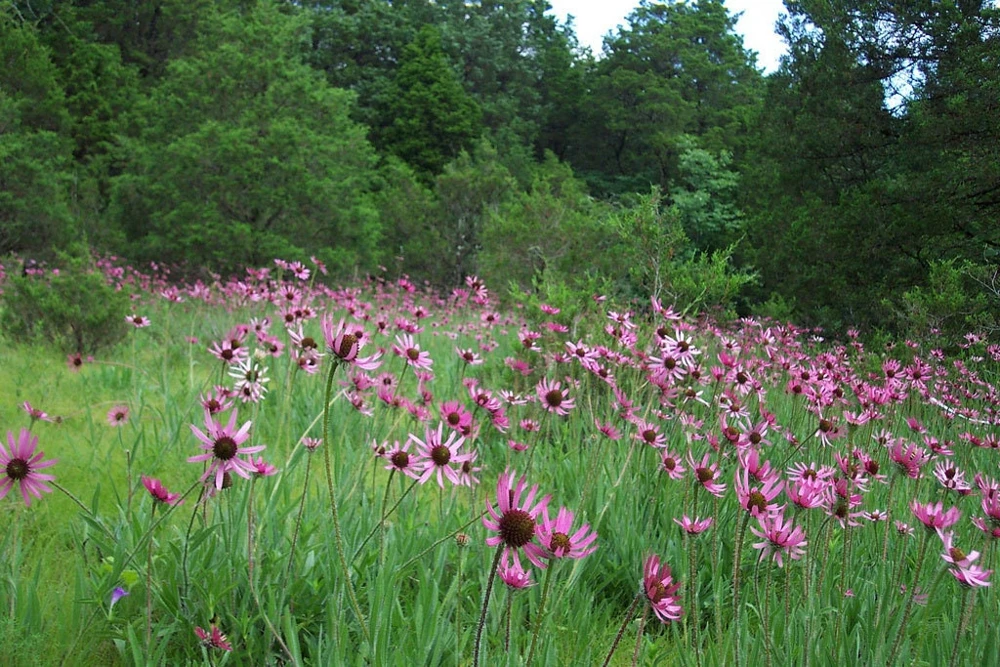
Echinacea tennesseensis Seeds – Tennessee Coneflower – 20 Seeds – Partial Shade
Original price was: 44.91 $.15.91 $Current price is: 15.91 $.
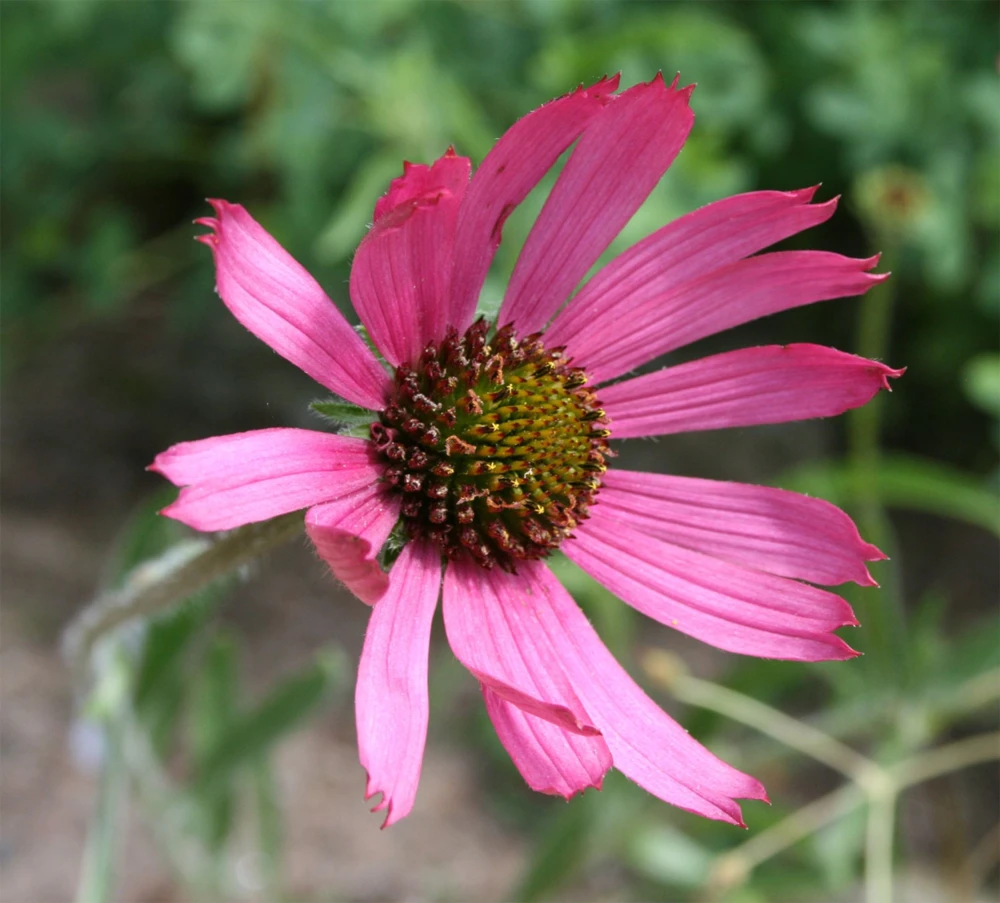
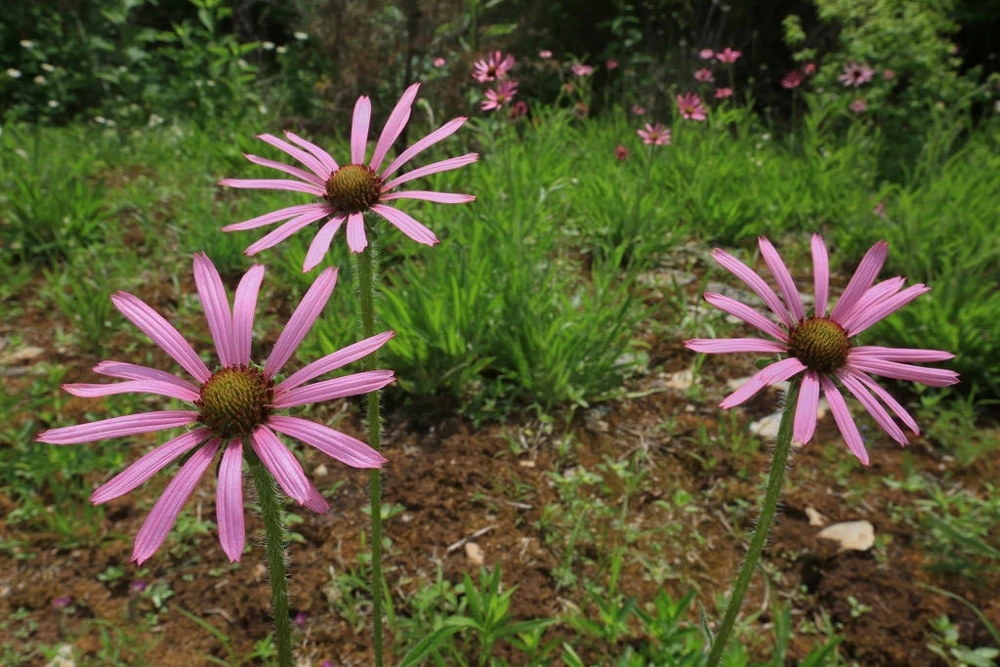
Cultivate the rare beauty of the Tennessee Coneflower seeds (Echinacea tennesseensis) with this pack of 20 seeds. Known for its unique upright pink petals, this perennial thrives in partial shade and is a magnet for pollinators, making it an excellent choice for a butterfly garden seeds collection.
Estimated arrival
Nov 27
Dec 02 - Dec 04
Dec 04 - Dec 09
See our Shipping Policy.
Get in touch with us via email, and our team will review your concerns.
Our Alive & Thrive Guarantee covers issues with your plants within the first 30 days. Read our Refund & Returns Policy.
-
USDA Hardiness Zone
3 to 9 -
Soil Type
Well-draining loam or sandy soil -
Sunlight Exposure
Partial shade -
Expected Planting Period
Early spring to early summer (after cold stratification)
Overview
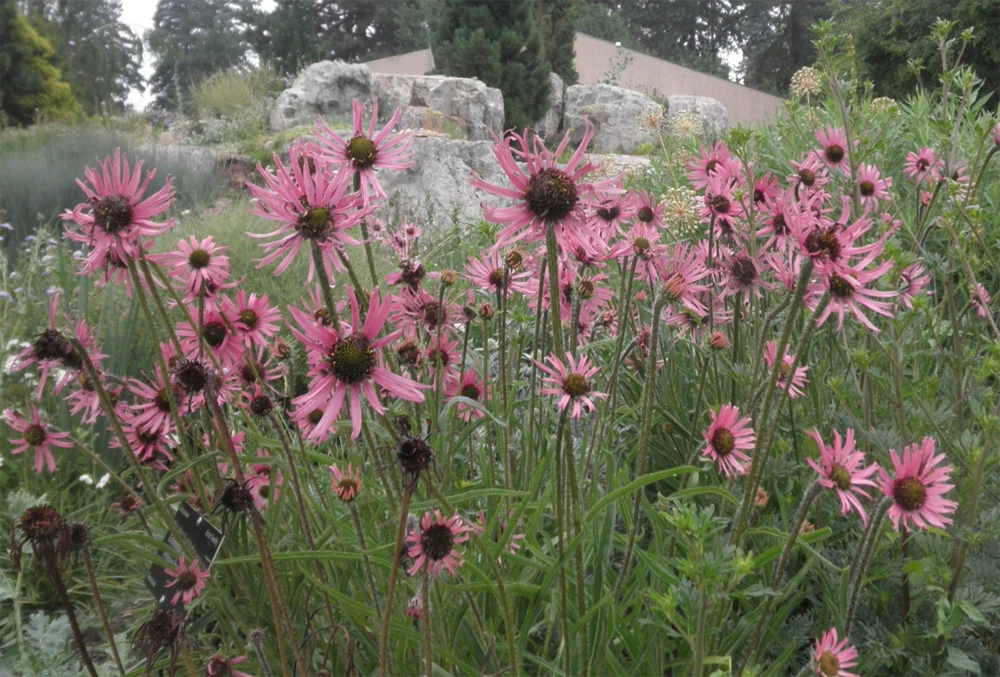
Discover the charm and ecological value of the Tennessee Coneflower seeds (Echinacea tennesseensis). This distinctive perennial is native to the rocky glades of Tennessee and is celebrated for its unique, upward-curving pink petals that bloom from mid-spring to early fall. Unlike other coneflowers, the Tennessee Coneflower’s petals are narrow and do not droop, giving it a spiky, architectural appearance. Growing from these high-quality 20 seeds, you can establish a thriving population of these magnificent plants in your own garden. They are not only visually striking but also play a crucial role in supporting local ecosystems, attracting a wide array of beneficial insects and birds. Perfect for naturalized areas, pollinator gardens, or mixed perennial beds, this plant offers both beauty and biodiversity.
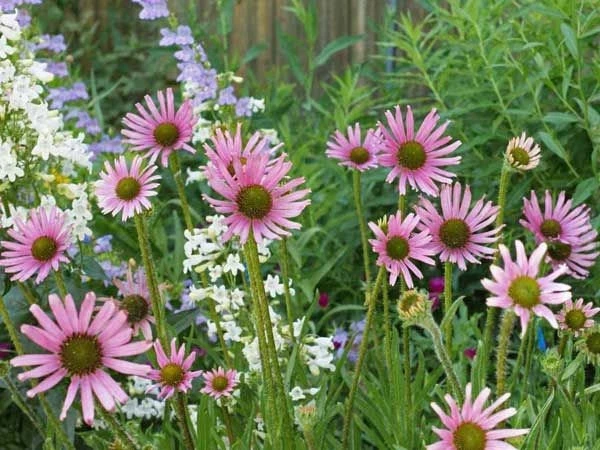
The Echinacea tennesseensis is a hardy and resilient species, making it an excellent addition for gardeners looking to enhance their outdoor spaces with a low-maintenance yet impactful plant. Its vibrant pink hues provide a splash of color throughout the warmer months, ensuring your garden remains lively and engaging. By choosing to grow the Tennessee Coneflower seeds, you are contributing to the preservation of a unique native species while creating a haven for wildlife. This plant is known for its strong appeal to various butterfly species, making it an essential component of any butterfly garden seeds planting scheme.
Key Benefits
Planting Echinacea tennesseensis from seed offers numerous advantages for both your garden and the local environment. These benefits extend beyond just aesthetic appeal, contributing to a healthier and more vibrant ecosystem.
- Pollinator Magnet: The Tennessee Coneflower seeds grow into plants that are incredibly attractive to a wide variety of pollinators, including bees, hummingbirds, and numerous butterfly species. This helps support local biodiversity and ensures healthy garden ecosystems.
- Unique Aesthetic Appeal: With its distinct upright, pink petals, the Tennessee Coneflower provides a unique visual texture and color that stands out from typical garden flowers. It adds an architectural element to perennial borders and naturalistic plantings.
- Drought Tolerant: Once established, these plants are remarkably drought-tolerant, requiring minimal supplemental watering, making them ideal for xeriscaping or gardens in drier climates.
- Low Maintenance: This perennial is generally easy to care for, requiring little more than occasional deadheading to encourage more blooms. It’s a great choice for gardeners seeking high impact with low effort.
- Native Species Support: By planting native Echinacea tennesseensis, you help support regional ecosystems and provide essential food sources for native wildlife, contributing to conservation efforts.
- Attracts Beneficial Insects: Beyond butterflies, the flowers attract various beneficial insects that can help control garden pests naturally. This creates a balanced and healthy garden environment.
- Extended Bloom Period: Enjoy a long season of color from mid-spring through early fall, providing continuous visual interest and a steady food source for pollinators. This makes growing Tennessee Coneflower a rewarding experience for months.
Plant Care & Growing Tips
Growing Tennessee Coneflower from seeds requires a bit of patience but is ultimately very rewarding. These plants are relatively low-maintenance once established, making them a great choice for various garden settings. For best results, consider cold stratification for your Echinacea tennesseensis seeds. Place the seeds in a moist paper towel inside a plastic bag and refrigerate for 30-60 days before planting. This mimics winter conditions and encourages germination.
Sunlight requirements:Echinacea tennesseensis thrives in partial shade, where it receives 4-6 hours of direct sunlight per day, preferably morning sun with afternoon shade in hotter climates. While it can tolerate full sun, it performs best and maintains its vibrant color with some protection from intense afternoon heat. Ensure good air circulation to prevent fungal issues. When considering Tennessee Coneflower care, adequate sunlight is key to robust growth and abundant blooms.
Watering schedule and soil moisture preferences: Once established, Tennessee Coneflower is quite drought-tolerant. Water regularly during dry spells, especially during its first growing season, to help it establish a strong root system. The soil should be allowed to dry out slightly between waterings. Avoid overwatering, as this can lead to root rot. Well-draining soil is crucial for the health of these plants.
Soil type and drainage requirements: This plant prefers well-draining soil, ideally sandy or rocky loam. It can tolerate a range of soil types, including clay, as long as drainage is excellent. Amending heavy clay soils with organic matter can improve drainage. A neutral to slightly alkaline pH (6.5-7.5) is generally preferred. Proper soil preparation is a vital part of effective Tennessee Coneflower care.
Temperature range and USDA hardiness zone: The Tennessee Coneflower is hardy in USDA Zones 3 to 9. It is tolerant of both cold winters and hot summers within this range. Mature plants can withstand frost, but young seedlings may need protection if planted late in the season. These plants are well-adapted to a variety of temperate climates.
Fertilization schedule and type: Generally, Tennessee Coneflower does not require heavy fertilization. If your soil is poor, a light application of a balanced, slow-release granular fertilizer in early spring can be beneficial. Avoid excessive nitrogen, which can promote leafy growth at the expense of flowers. Composting can also enrich the soil naturally without over-fertilizing.
Common problems and solutions: These plants are generally pest and disease resistant. Occasionally, they may be affected by powdery mildew in humid conditions or if air circulation is poor. Ensure proper spacing between plants and consider a fungicide if severe. Slugs and snails may sometimes nibble on young foliage; use organic baits or hand-pick them. Providing optimal conditions, such as proper sunlight and well-draining soil, will significantly reduce the likelihood of these issues. For any gardener interested in growing Tennessee Coneflower, understanding these care tips will lead to success.
Size & Details
Our Tennessee Coneflower seeds (Echinacea tennesseensis) come in a pack of 20 seeds, providing a generous quantity for starting your garden. Once mature, these magnificent plants typically grow up to 18 inches tall, forming upright clumps. They have a moderate growth rate and will establish well within their first season, with flowering usually beginning in the second year from seed. The distinctive pink flowers, with their unique upward-swept petals, create a focal point in any garden space. These plants will develop a robust root system, ensuring their longevity and resilience in your landscape. They are shipped as dormant seeds, ready for stratification and planting according to your local climate and growing season. Expect a vibrant display of blooms that will attract a variety of pollinators, making your garden a lively haven.
Frequently Asked Questions
- Q: How big does the Tennessee Coneflower get? A: The Tennessee Coneflower typically grows to a height of up to 18 inches (45 cm) tall. It forms an upright clump, adding vertical interest to your garden beds.
- Q: What size pot does it come in? A: This product consists of 20 seeds, not a potted plant. You will receive a packet of seeds ready for planting.
- Q: Is this an indoor or outdoor plant? A: The Tennessee Coneflower is primarily an outdoor perennial plant, best suited for garden beds, borders, and naturalized areas. It thrives in outdoor conditions within its hardiness zones.
- Q: How much sunlight does it need? A: This plant prefers partial shade, which means it should receive about 4-6 hours of direct sunlight daily, ideally morning sun with some afternoon shade to protect it from intense heat.
- Q: Is this plant easy to care for? A: Yes, once established, the Tennessee Coneflower is considered a low-maintenance plant. It is drought-tolerant and generally resistant to pests and diseases, making Tennessee Coneflower care relatively simple.
- Q: What condition will it arrive in? A: Your order will arrive as a packet of 20 seeds, carefully packaged to ensure their viability. They will be dormant and ready for cold stratification and planting.
- Q: When is the best time to plant these seeds? A: After cold stratifying the seeds for 30-60 days, the best time to plant them is in early spring after the last frost, or you can sow them directly in the fall for natural stratification.
- Q: Will it survive winter in my zone? A: The Tennessee Coneflower is hardy in USDA Zones 3 to 9, meaning it is well-equipped to survive winter conditions within these regions.
- Q: What types of butterflies does it attract? A: This plant is a significant attractant for a wide range of butterflies, including American Lady, Giant Swallowtail, Great Spangled Fritillary, Southern Cloudywing, Painted Lady, Red Admiral, and many others, making it perfect for a butterfly garden seeds project.
- Q: Does it need special soil? A: It prefers well-draining soil, such as sandy or rocky loam. While adaptable, ensuring good drainage is key to preventing root issues and promoting healthy growth.
Be the first to review “Echinacea tennesseensis Seeds – Tennessee Coneflower – 20 Seeds – Partial Shade”
Related products


Flower Seeds
Blue Stock Matthiola Incana Seeds – 50 Fragrant Gillyflower Seeds – Ten-Week Blue Stock


You May Like

How to Grow Passion Flower (Passiflora) for Tropical Blooms
Few climbing vines in the home garden command attention quite like the exotic Passion Flower (Passiflora). [...]
Nov

Thanksgiving Cactus Care: How to Get Thanksgiving Cactus to Bloom
Is your Thanksgiving cactus growing well but not giving you any flowers? Maybe it looked [...]
Nov

How to Grow Garlic for a Bountiful Home Harvest
Garlic (Allium sativum) is one of the most satisfying, low-maintenance, and flavor-packed crops you can [...]
Oct

Hardneck vs. Softneck Garlic: Which Should You Grow?
Have you ever stood in front of a seed catalog in mid-September, staring at dozens [...]
1 Comment
Oct

When to Plant Music Garlic: Ultimate US Fall Guide
Have you ever spent your fall weekend placing carefully chosen garlic cloves into rich, dark [...]
1 Comment
Oct

5 Best Bulbs for Fall Planting: Brighten Your Garden This Spring
Are you dreaming of a garden full of vibrant colors in the spring? The key [...]
Aug

10 Houseplants That Will Thrive in Your Kitchen
Are you tired of your kitchen feeling dull and lifeless? Want to add a little [...]
1 Comment
Aug
Reviews
There are no reviews yet.