
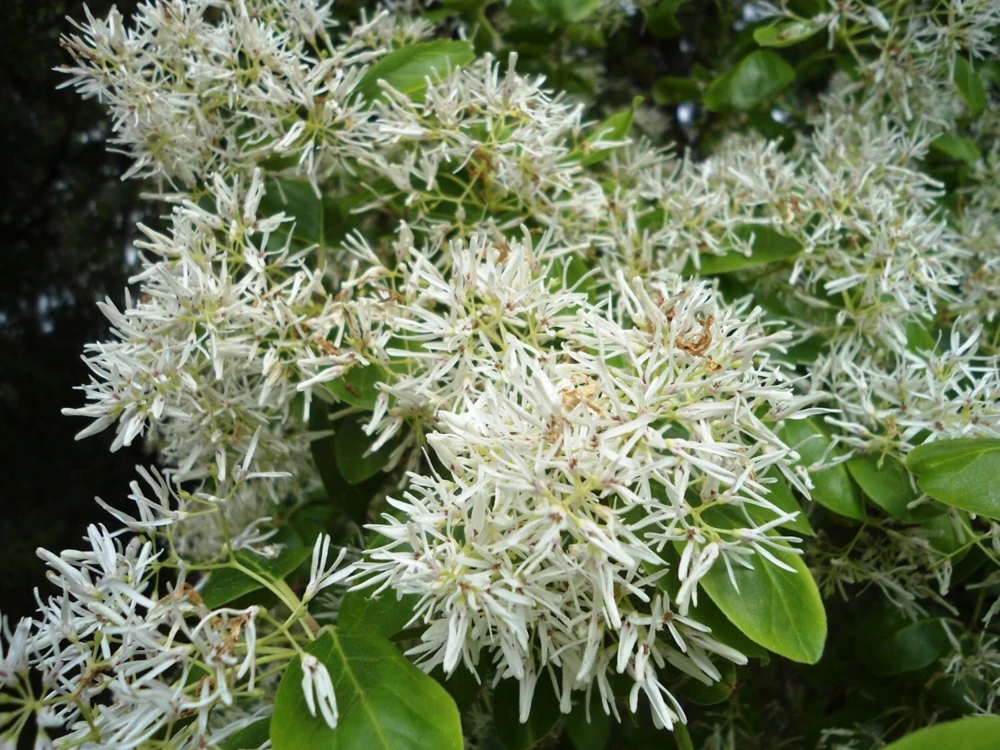
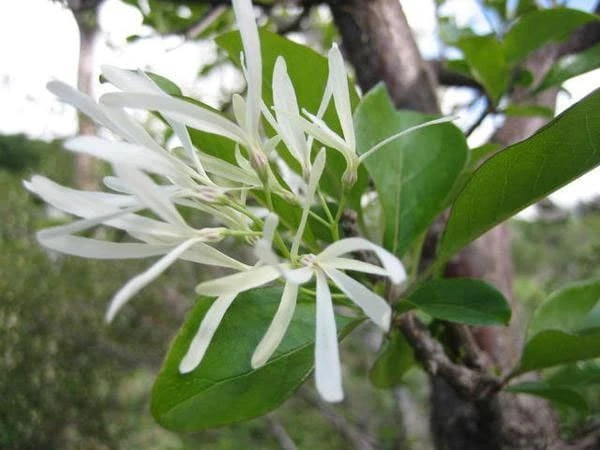
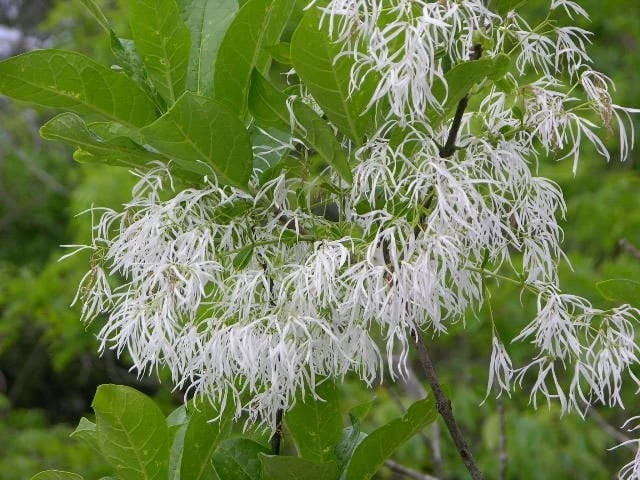
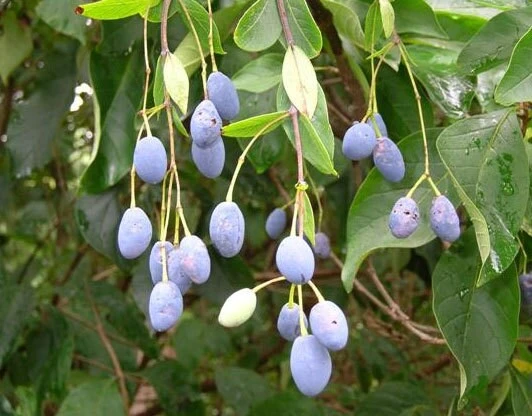
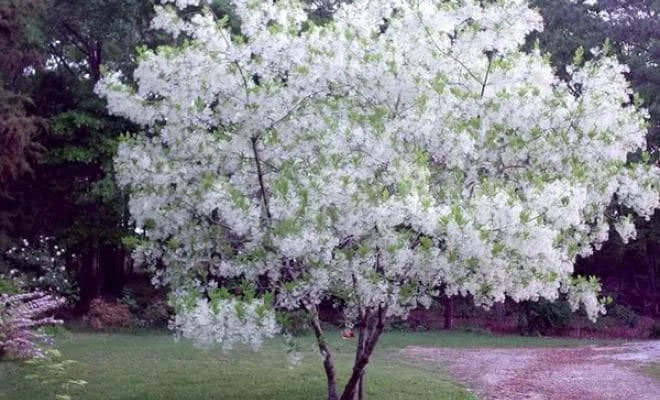
Fringe Tree Seeds (Chionanthus virginicus) – 5 Seeds for Outdoor Planting
Original price was: 48.91 $.19.91 $Current price is: 19.91 $.
Cultivate the elegant Fringe Tree seeds (Chionanthus virginicus), also known as Grancy Graybeard seeds. These 5 seeds will grow into a beautiful ornamental shrub or small tree, showcasing stunning white blooms in spring. Perfect for adding unique beauty to your landscape.
Estimated arrival
Nov 27
Dec 02 - Dec 04
Dec 04 - Dec 09
See our Shipping Policy.
Get in touch with us via email, and our team will review your concerns.
Our Alive & Thrive Guarantee covers issues with your plants within the first 30 days. Read our Refund & Returns Policy.
-
USDA Hardiness Zone
3b to 9 -
Soil Type
Well-draining, slightly acidic to neutral soil -
Sunlight Exposure
Full sun to light shade -
Expected Planting Period
Early spring after stratification
Overview
Embark on a rewarding gardening journey with these premium Fringe Tree seeds (Chionanthus virginicus). Also known as Grancy Graybeard or Old Man’s Beard, the Fringe Tree is a magnificent deciduous shrub or small tree, highly prized for its ethereal beauty and delicate white blossoms that appear in late spring to early summer. This offering includes 5 seeds, providing an excellent opportunity to cultivate this unique plant in your own garden. The Chionanthus virginicus is a North American native, renowned for its resilience and adaptability, making it a fantastic choice for various landscape designs. Its feathery, fragrant flowers cascade gracefully, creating a cloud-like effect that is truly captivating. Beyond its ornamental appeal, the Fringe Tree also attracts beneficial pollinators and serves as a larval host for several sphinx moths, contributing to local biodiversity.
Growing a Chionanthus virginicus seeds from seed offers the unique satisfaction of nurturing a plant from its very beginning. These seeds promise to transform into a stately specimen, reaching heights of up to 20 feet, with a spread almost as wide. Whether you’re an experienced gardener looking for a distinctive addition or a novice eager to try something new, the Fringe Tree provides a delightful challenge and an even more delightful reward. Its multi-season interest, from the vibrant green foliage of summer to the attractive purplish-black fruits in fall, ensures that your garden remains dynamic and engaging throughout the year.
Key Benefits
The Fringe Tree seeds offer numerous advantages for any landscape, providing both aesthetic beauty and ecological value. Cultivating this plant from seed allows for a deeper connection with nature and the satisfaction of watching it grow into a magnificent specimen.
- Stunning Spring Blooms: Experience an unforgettable display of delicate, fragrant white flowers in late spring, resembling a frothy white beard, which gives the plant its common name, Grancy Graybeard. These blooms create a dramatic focal point in any garden.
- Ecological Value: The Fringe Tree is a vital larval host for several sphinx moths, including the Laurel, Rustic, and Waved sphinx. Planting Chionanthus virginicus seeds supports local insect populations and biodiversity.
- Multi-Season Interest: Beyond its spectacular flowers, the Fringe Tree offers attractive green foliage in summer that turns a lovely yellow in fall, followed by small, dark blue fruits that are a food source for birds.
- Adaptable and Resilient: This native North American plant is known for its hardiness and ability to thrive in a range of conditions, making it suitable for many USDA hardiness zones. It is relatively low maintenance once established.
- Unique Ornamental Feature: Its distinctive appearance and elegant form make it an excellent specimen plant, perfect for accenting garden beds, borders, or even as a small shade tree. The outdoor ornamental seeds ensure you can add this unique beauty to your landscape.
- Culinary Potential: The small, olive-like fruits, though not typically consumed fresh, can be pickled, offering a unique culinary experiment for adventurous gardeners.
- Attracts Pollinators: The fragrant flowers are a magnet for bees and other pollinators, contributing to the health and vibrancy of your garden ecosystem.
Plant Care & Growing Tips
Growing Fringe Tree seeds requires patience, but the results are well worth the effort. To ensure successful germination, cold stratification is generally recommended. This involves mimicking winter conditions by placing the seeds in a moist medium (like sand or peat moss) in a refrigerator for 90-120 days. After stratification, sow the seeds about 1/4 inch deep in well-draining soil. A mix of peat moss, perlite, and a good quality potting mix is ideal for starting seeds indoors. Keep the soil consistently moist but not waterlogged during germination.
Once seedlings emerge, provide them with plenty of light. If growing indoors, a grow light is beneficial. For outdoor planting, choose a location that receives full sun to light shade. The Fringe Tree thrives in at least 6 hours of direct sunlight per day, but it can tolerate some afternoon shade, especially in hotter climates. Well-draining, slightly acidic to neutral soil is preferred. Amend heavy clay soils with organic matter to improve drainage. Once established, the Chionanthus virginicus is relatively drought-tolerant, but consistent moisture is important during its first few years of growth. Water deeply once or twice a week, depending on weather conditions. Fertilize sparingly with a balanced, slow-release fertilizer in early spring, once the plant is established.
The Chionanthus virginicus seeds will grow into a plant that is hardy in USDA Hardiness Zones 3b to 9. It is fairly resistant to pests and diseases, making it a low-maintenance choice for many gardeners. Pruning is generally not necessary, beyond removing dead or damaged branches. If shaping is desired, prune in late winter or early spring before new growth begins. Protect young seedlings from harsh winter conditions in colder zones. The beauty of the white flowering tree seeds will be a highlight in your garden for years to come.
Size & Details
These Fringe Tree seeds are sourced from healthy, mature Chionanthus virginicus plants, ensuring high viability for your gardening project. Each packet contains 5 seeds, providing a good starting quantity for cultivation. Once germinated and established, the Fringe Tree typically grows as a multi-stemmed large shrub or small tree, eventually reaching an average height of 15 to 20 feet with a similar spread. Its growth rate is moderate, meaning it will gradually develop into a significant landscape feature over several years. Expect the first blooms to appear within 3-5 years after planting, showcasing the stunning white flowers that give the plant its charm. The seeds are shipped in a protective packet to maintain their integrity until planting.
The mature tree develops an open, airy habit, making it an excellent choice for understory planting or as a specimen tree. The dark green, oval leaves provide a lush backdrop for the white flowers in spring and transition to a vibrant yellow in autumn. The small, dark blue, olive-like fruits mature in late summer to early fall, attracting a variety of birds. This plant offers year-round visual interest and is an excellent investment for adding long-term beauty and ecological value to your garden. Cultivating these outdoor ornamental seeds will provide a lasting legacy of natural beauty.
Frequently Asked Questions
- Q: How big does this plant get? A: The Fringe Tree (Chionanthus virginicus) typically grows to a height of 15 to 20 feet with a similar spread, forming a large shrub or small tree. Its mature size makes it suitable for various landscape applications.
- Q: Is this an indoor or outdoor plant? A: The Fringe Tree seeds are intended for growing outdoors. This species is a deciduous shrub or small tree native to North America and thrives in outdoor garden settings within its recommended USDA hardiness zones.
- Q: How much sunlight does it need? A: The Fringe Tree prefers full sun to light shade, meaning it performs best with at least 6 hours of direct sunlight per day. It can tolerate some afternoon shade, especially in warmer climates.
- Q: Is this plant easy to care for? A: Once established, the Fringe Tree is considered relatively low-maintenance. It is adaptable to various soil types and generally resistant to pests and diseases, making it a good choice for gardeners of varying experience levels.
- Q: What condition will the seeds arrive in? A: The Chionanthus virginicus seeds will arrive in a protective packet, carefully packaged to ensure their viability and integrity during transit, ready for stratification and planting.
- Q: How long until it blooms? A: While germination can take some time, the Fringe Tree typically begins to produce its beautiful white flowers within 3 to 5 years after successful planting from seed. Patience is key with these rewarding white flowering tree seeds.
- Q: What’s the best time to plant these seeds? A: After cold stratification, which can take 90-120 days, the best time to sow Grancy Graybeard seeds is in early spring, allowing the seedlings to establish themselves during the warmer months.
- Q: Can I use the fruits of the Fringe Tree? A: The small, dark blue, olive-like fruits of the Fringe Tree are generally not eaten fresh but can be pickled. They are also an important food source for birds in the fall.
- Q: Is the Fringe Tree deer resistant? A: While no plant is entirely deer-proof, the Fringe Tree is generally considered to be moderately deer resistant, making it a better choice for areas with deer pressure compared to some other ornamental plants.
- Q: What USDA Hardiness Zones is this plant suitable for? A: The Fringe Tree (Chionanthus virginicus) is hardy in USDA Hardiness Zones 3b to 9, making it suitable for a wide range of climates across the United States.
Be the first to review “Fringe Tree Seeds (Chionanthus virginicus) – 5 Seeds for Outdoor Planting”
Related products


You May Like

How to Grow Passion Flower (Passiflora) for Tropical Blooms
Few climbing vines in the home garden command attention quite like the exotic Passion Flower (Passiflora). [...]
Nov

Thanksgiving Cactus Care: How to Get Thanksgiving Cactus to Bloom
Is your Thanksgiving cactus growing well but not giving you any flowers? Maybe it looked [...]
Nov

How to Grow Garlic for a Bountiful Home Harvest
Garlic (Allium sativum) is one of the most satisfying, low-maintenance, and flavor-packed crops you can [...]
Oct

Hardneck vs. Softneck Garlic: Which Should You Grow?
Have you ever stood in front of a seed catalog in mid-September, staring at dozens [...]
1 Comment
Oct

When to Plant Music Garlic: Ultimate US Fall Guide
Have you ever spent your fall weekend placing carefully chosen garlic cloves into rich, dark [...]
1 Comment
Oct

5 Best Bulbs for Fall Planting: Brighten Your Garden This Spring
Are you dreaming of a garden full of vibrant colors in the spring? The key [...]
Aug

10 Houseplants That Will Thrive in Your Kitchen
Are you tired of your kitchen feeling dull and lifeless? Want to add a little [...]
1 Comment
Aug
Reviews
There are no reviews yet.