
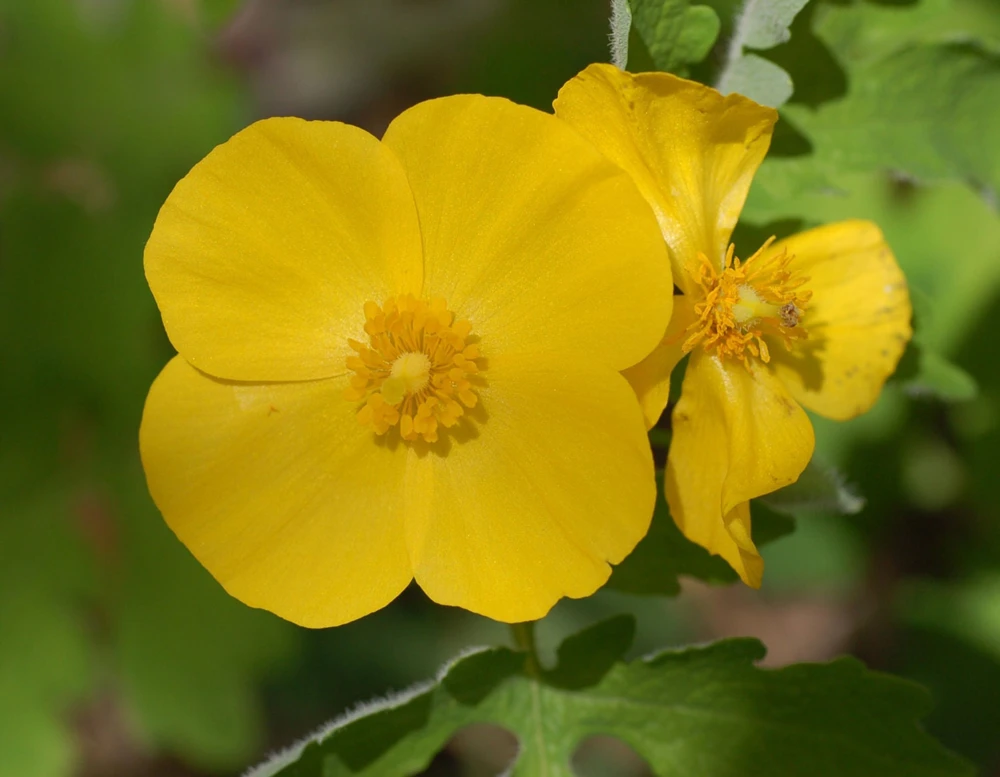
Celandine Poppy Seeds – Stylophorum diphyllum – 10 Seeds – Woodland Poppy
Original price was: 48.91 $.19.91 $Current price is: 19.91 $.
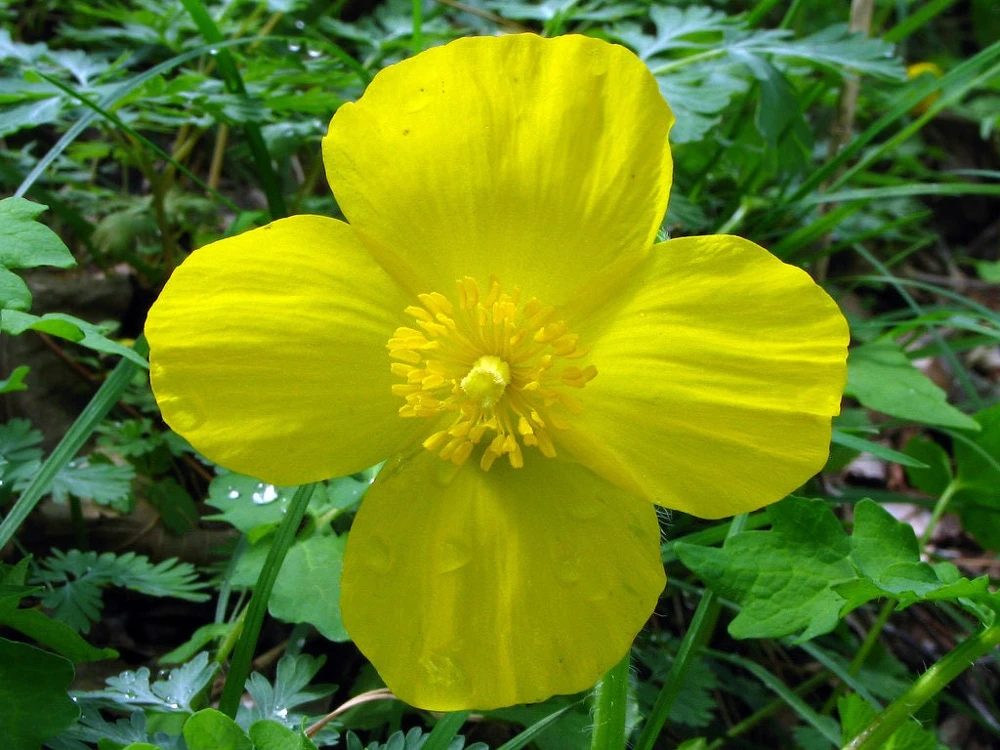
Cultivate beautiful orange-yellow blooms with these celandine poppy seeds. Also known as stylophorum diphyllum seeds or woodland poppy seeds, they thrive in partial to full shade, bringing vibrant color to your garden from late winter to early summer. Perfect for naturalizing and creating a stunning woodland display.
Estimated arrival
Nov 27
Dec 02 - Dec 04
Dec 04 - Dec 09
See our Shipping Policy.
Get in touch with us via email, and our team will review your concerns.
Our Alive & Thrive Guarantee covers issues with your plants within the first 30 days. Read our Refund & Returns Policy.
-
USDA Hardiness Zone
4-9 -
Soil Type
Rich, well-draining soil with organic matter -
Sunlight Exposure
Partial to full shade -
Expected Planting Period
Late fall or early spring
Overview
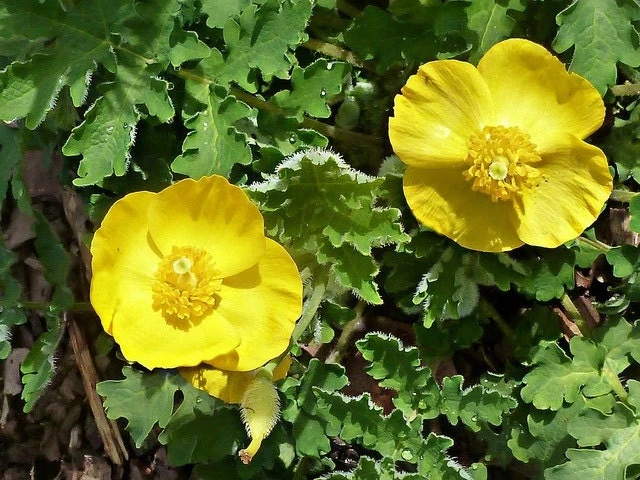
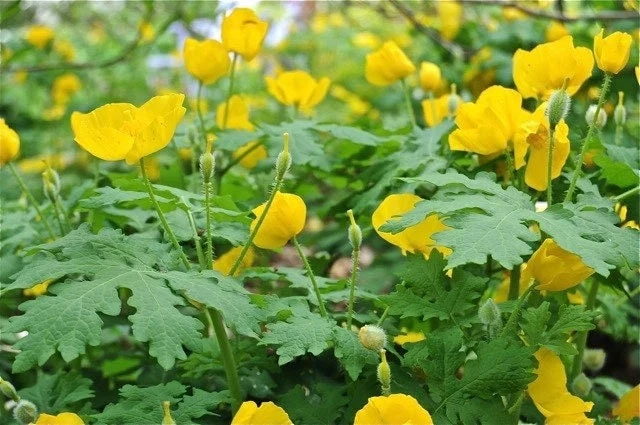
Discover the charm of the celandine poppy seeds, an excellent choice for adding early-season color to your shade garden. This offering includes 10 seeds of Stylophorum diphyllum, commonly known as Celandine Poppy, Poppywort, or Woodland Poppy. Native to eastern North America, this delightful perennial is celebrated for its bright, cup-shaped, orange-yellow flowers that emerge repeatedly from late winter through early summer. These easy-to-grow seeds allow you to establish a naturalized patch of these beautiful blooms, transforming dappled areas under trees or along woodland edges into a vibrant spectacle. The distinctively lobed leaves provide an attractive backdrop to the cheerful blossoms, making the celandine poppy seeds a must-have for any gardener looking to enhance their shaded landscapes with resilient and eye-catching flora.
The stylophorum diphyllum seeds are perfect for gardeners seeking to cultivate a plant that brings both beauty and ecological benefit. These plants are known to attract early pollinators, contributing to a healthy garden ecosystem. Their ability to self-seed gently means that once established, you can enjoy their presence for years to come with minimal effort. Whether you’re an experienced gardener or just starting, these woodland poppy seeds provide a rewarding experience, culminating in a spectacular display of golden hues that brighten even the shadiest corners of your outdoor space. Embrace the opportunity to grow celandine poppy and create a captivating woodland oasis.
Key Benefits
Planting celandine poppy seeds offers a multitude of advantages for your garden, combining aesthetic appeal with ecological benefits. Here are some of the key reasons to incorporate this lovely plant into your landscape:
- Vibrant Early Season Color: Enjoy a prolonged display of brilliant orange-yellow flowers that emerge from late winter through early summer, providing much-needed color when many other plants are still dormant. These cheerful blooms truly stand out.
- Shade-Loving Perennial: Ideal for challenging shaded areas where other flowering plants struggle. Stylophorum diphyllum seeds thrive in partial to full shade, making them perfect for woodland gardens, under trees, or on the north side of buildings.
- Attracts Pollinators: The bright flowers of the Celandine Poppy serve as an early food source for bees and other beneficial insects, supporting local wildlife and enhancing your garden’s biodiversity.
- Low Maintenance & Resilient: Once established, Celandine Poppies are remarkably self-sufficient. They require minimal care and are generally resistant to pests and diseases, making them a hassle-free addition.
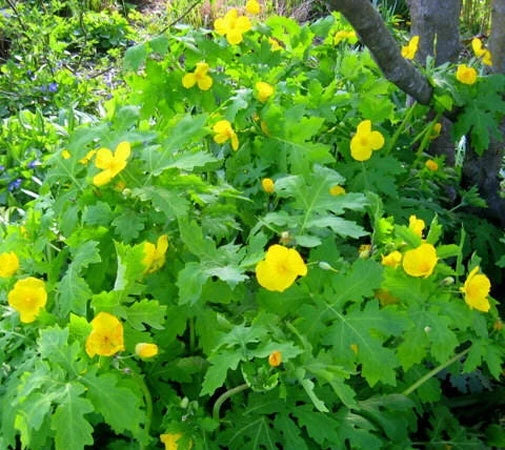
- Naturalizes Beautifully: These plants gently self-seed, creating lovely drifts and colonies over time. This makes them excellent for naturalizing in informal garden settings or woodland borders, adding a wild, enchanting feel.
- Distinctive Foliage: Beyond their flowers, the deeply lobed, attractive green leaves provide textural interest throughout the growing season, complementing the blooms and adding to the overall garden appeal.
- Easy to Grow Celandine Poppy: These seeds offer a straightforward way to cultivate this beautiful plant. With proper initial care, you can successfully establish a thriving patch of these delightful poppies, making it accessible for gardeners of all skill levels.
Plant Care & Growing Tips
To successfully grow celandine poppy from celandine poppy seeds, understanding their specific care requirements is essential. These plants thrive in conditions that mimic their native woodland habitats. For sunlight, Stylophorum diphyllum prefers partial to full shade. This means they can tolerate a few hours of morning sun but should be protected from intense afternoon sun, which can scorch their leaves and shorten their blooming period. Dappled light under deciduous trees is often ideal, as they receive sunlight before the canopy leafs out and then shade during the hotter months. Ensuring the right light exposure is crucial for the health and floriferousness of your stylophorum diphyllum seeds.
When it comes to watering and soil, consistency is key. Celandine Poppies prefer consistently moist, but not waterlogged, soil. A rich, well-draining soil with a good amount of organic matter is ideal. Incorporating compost or leaf mold into your planting area will significantly improve soil structure and moisture retention. Water regularly, especially during dry spells, to keep the soil evenly damp. USDA Hardiness Zones 4 to 9 are suitable for these plants, indicating their tolerance to a range of temperate climates. Fertilization is generally not heavily required; a light application of a balanced, slow-release granular fertilizer in early spring can be beneficial, or simply top-dressing with compost will provide adequate nutrients. Watch out for slugs and snails, which can be attracted to the tender foliage, especially in damp conditions. Proper spacing and good air circulation can help prevent fungal issues. By following these guidelines, you’ll be well on your way to cultivating a flourishing bed of woodland poppy seeds.
Size & Details
These celandine poppy seeds will develop into herbaceous perennial plants that typically reach a height of 12 to 18 inches (30-45 cm) and spread about 12 to 24 inches (30-60 cm) wide, forming attractive clumps over time. The plant’s growth rate is moderate, establishing itself well within the first year and expanding its presence in subsequent seasons through gentle self-seeding. The bright orange-yellow flowers are approximately 1-2 inches (2.5-5 cm) in diameter, appearing repeatedly from late winter to early summer, with peak bloom often occurring in mid-spring. The distinctive, deeply lobed leaves are a medium green color, providing visual interest even when the plant is not in flower. These stylophorum diphyllum seeds are packaged as a count of 10 seeds, providing a good starting quantity for a small patch or for propagation in multiple locations. The plants will typically begin to bloom in their second year after sowing, though some may produce flowers in the first year under optimal conditions. Expect a delightful and reliable addition to your shade garden with these easy-to-grow seeds.
Frequently Asked Questions
- Q: How big does this plant get? A: The Celandine Poppy typically grows to a height of 12 to 18 inches (30-45 cm) and spreads about 12 to 24 inches (30-60 cm) wide. It forms attractive clumps and can naturalize over time.
- Q: Is this an indoor or outdoor plant? A: The celandine poppy seeds are intended for growing outdoors. This plant thrives in partial to full shade in garden beds, woodland areas, or naturalized settings.
- Q: How much sunlight does it need? A: Celandine Poppies prefer partial to full shade. They can tolerate a few hours of morning sun but should be protected from intense afternoon sun to prevent leaf scorch.
- Q: Is this plant easy to care for? A: Yes, once established, the Celandine Poppy is considered a low-maintenance plant. It’s relatively self-sufficient and resistant to most pests and diseases, making it great for beginners.
- Q: What condition will the seeds arrive in? A: You will receive a packet containing 10 seeds of Stylophorum diphyllum, ready for sowing. They are carefully packaged to ensure viability upon arrival.
- Q: How long until it blooms? A: Celandine Poppies typically begin to bloom in their second year after sowing, though some may produce flowers in the first year under ideal growing conditions.
- Q: When is the best time to plant woodland poppy seeds? A: The best time to sow woodland poppy seeds is in late fall or early spring. Fall sowing allows for natural cold stratification, which can improve germination rates.
- Q: Will it survive winter in my zone? A: Yes, Celandine Poppy is hardy in USDA Hardiness Zones 4 to 9, meaning it can tolerate winter temperatures within this range and will return year after year.
- Q: What type of soil does it prefer? A: This plant thrives in rich, consistently moist, well-draining soil that is high in organic matter. Amending the soil with compost is highly beneficial.
- Q: Can I grow celandine poppy in containers? A: While primarily a garden plant, Celandine Poppies can be grown in large containers, provided they receive adequate shade and consistent moisture. Ensure the container has good drainage.
Be the first to review “Celandine Poppy Seeds – Stylophorum diphyllum – 10 Seeds – Woodland Poppy”
Related products


Flower Seeds


You May Like

How to Grow Passion Flower (Passiflora) for Tropical Blooms
Few climbing vines in the home garden command attention quite like the exotic Passion Flower (Passiflora). [...]
Nov

Thanksgiving Cactus Care: How to Get Thanksgiving Cactus to Bloom
Is your Thanksgiving cactus growing well but not giving you any flowers? Maybe it looked [...]
Nov

How to Grow Garlic for a Bountiful Home Harvest
Garlic (Allium sativum) is one of the most satisfying, low-maintenance, and flavor-packed crops you can [...]
Oct

Hardneck vs. Softneck Garlic: Which Should You Grow?
Have you ever stood in front of a seed catalog in mid-September, staring at dozens [...]
1 Comment
Oct

When to Plant Music Garlic: Ultimate US Fall Guide
Have you ever spent your fall weekend placing carefully chosen garlic cloves into rich, dark [...]
1 Comment
Oct

5 Best Bulbs for Fall Planting: Brighten Your Garden This Spring
Are you dreaming of a garden full of vibrant colors in the spring? The key [...]
Aug

10 Houseplants That Will Thrive in Your Kitchen
Are you tired of your kitchen feeling dull and lifeless? Want to add a little [...]
1 Comment
Aug
Reviews
There are no reviews yet.