
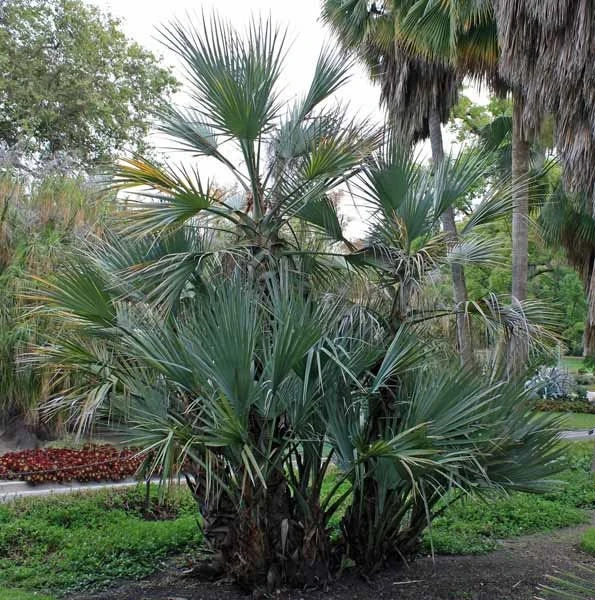
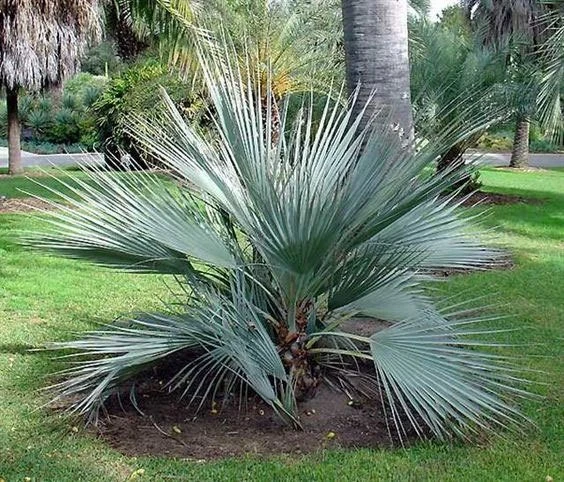
Nannorrhops ritchiana Seeds – Mazari Palm Seeds – 5 Seeds Pack – Outdoor
Original price was: 56.91 $.27.91 $Current price is: 27.91 $.
Start your own majestic Mazari Palm with this 5-seed pack of Nannorrhops ritchiana seeds. Known for its exceptional cold hardiness and striking appearance, this palm is ideal for landscaping in USDA Zones 7 to 11. Enjoy a unique, drought-tolerant addition to your garden.
Estimated arrival
Nov 26
Dec 01 - Dec 03
Dec 03 - Dec 08
See our Shipping Policy.
Get in touch with us via email, and our team will review your concerns.
Our Alive & Thrive Guarantee covers issues with your plants within the first 30 days. Read our Refund & Returns Policy.
-
USDA Hardiness Zone
7 to 11 -
Soil Type
Well-draining, sandy soil -
Sunlight Exposure
Full sun -
Expected Planting Period
Spring to early summer
Overview
Embark on a rewarding gardening journey by cultivating your very own Nannorrhops ritchiana seeds, also famously known as the Mazari Palm. This unique and highly sought-after palm species originates from the arid regions of Southwest Asia, making it exceptionally resilient and drought-tolerant. These Mazari Palm seeds offer an incredible opportunity to grow a distinctive specimen that can reach impressive heights of up to 20 feet, adding a dramatic and exotic touch to any landscape. Unlike many other palms, the Nannorrhops ritchiana is celebrated for its remarkable cold hardiness, making it a viable option for gardeners in cooler climates where other palms typically wouldn’t survive. Its fan-shaped, silvery-blue-green leaves create a captivating visual interest, providing year-round beauty. Starting with these high-quality seeds allows you to experience the full growth cycle of this magnificent plant from its very beginning.
The Nannorrhops ritchiana seeds are a fantastic choice for both experienced horticulturists and adventurous beginners looking for something extraordinary. The slow but steady growth rate of the Mazari Palm means that with a little patience and proper care, you will be rewarded with a robust and long-lived plant that becomes a focal point in your garden. This palm is not just ornamental; its fruit, flowers, and young leaves are traditionally edible, offering an intriguing additional benefit for those interested in foraging or ethnobotanical studies. Its adaptability to various soil types and its preference for full sun exposure make it a relatively low-maintenance option once established. Discover the joy of nurturing this iconic palm from a small seed into a grand, enduring landscape feature.
Key Benefits
Growing the Mazari Palm from Nannorrhops ritchiana seeds offers a multitude of benefits, combining aesthetic appeal with practical resilience. This exceptional palm is perfect for creating a unique garden oasis.
- Exceptional Cold Hardiness: The Mazari Palm is renowned for its ability to withstand surprisingly low temperatures, making it one of the most cold-hardy palms available. This allows it to thrive in USDA Zones 7-11, extending the possibility of growing a majestic palm to many regions.
- Drought Tolerance: Once established, the Nannorrhops ritchiana requires minimal watering, making it an excellent choice for xeriscaping or gardens in arid climates. Its natural habitat has equipped it with incredible resilience to dry conditions.
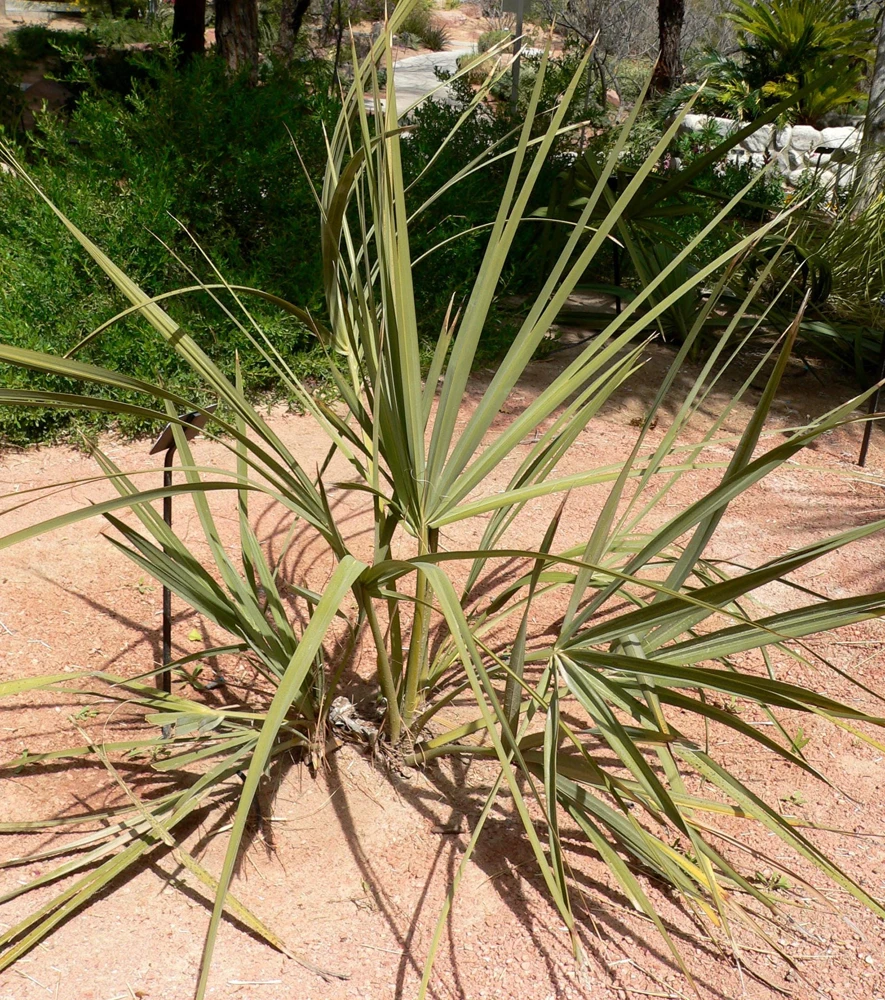
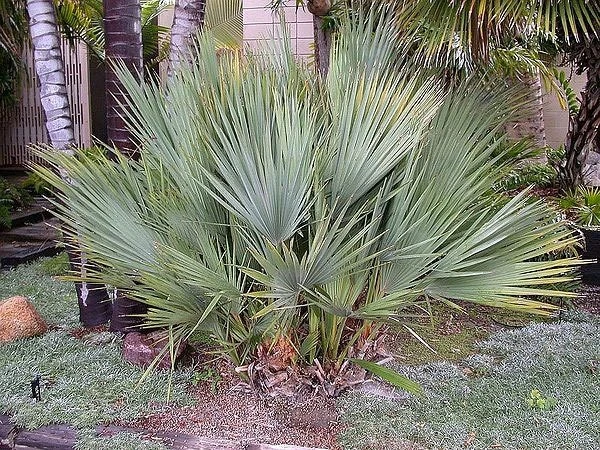
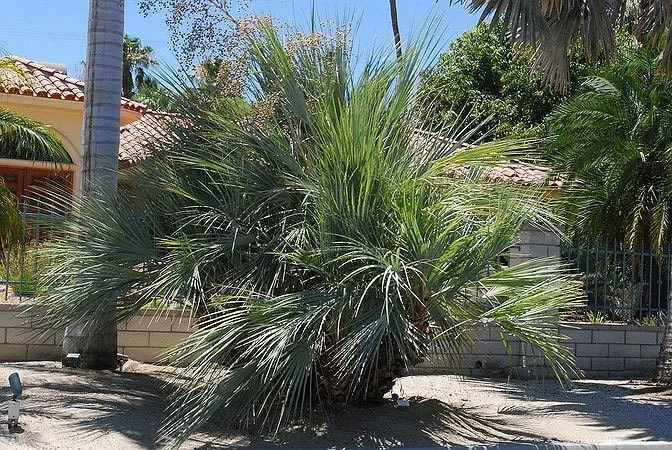
- Stunning Ornamental Value: With its distinctive fan-shaped, silvery-blue-green leaves and sturdy trunk, the Mazari Palm provides a striking architectural element to any landscape. It creates a focal point that captivates attention year-round.
- Edible Parts: Beyond its beauty, the fruit, flowers, and young leaves of the Nannorrhops ritchiana are traditionally edible. This offers a unique opportunity for those interested in culinary exploration or sustainable gardening practices.
- Low Maintenance: After its initial establishment phase, this palm is remarkably low-maintenance. It prefers full sun and well-draining soil, thriving with minimal intervention, which is ideal for busy gardeners.
- Unique Landscape Specimen: As a relatively uncommon palm in many regions, growing Nannorrhops ritchiana seeds allows you to cultivate a truly unique and distinctive plant that stands out from typical garden flora, enhancing your garden’s individuality.
- Long-Lived Plant: With proper care, the Mazari Palm is a long-lived species, providing decades of beauty and enjoyment. It’s an investment in your landscape that will continue to grow and impress over time.
Plant Care & Growing Tips
Cultivating Nannorrhops ritchiana seeds into a thriving Mazari Palm requires attention to specific environmental conditions, particularly regarding sunlight, soil, and watering. These seeds benefit from warm temperatures for germination. Once germinated, the seedlings should be placed in a location where they receive ample sunlight. This palm is a true sun-lover, thriving best in full sun exposure for at least 6-8 hours daily. In its natural habitat, it endures intense sun, so ensure your chosen planting site or container provides maximum light. For indoor starts, consider a south-facing window or supplemental grow lights to ensure strong, healthy growth from the outset, which is crucial for growing Mazari Palm successfully.
When it comes to soil, excellent drainage is paramount for the Mazari Palm. A sandy, well-draining soil mix is ideal, mimicking its native arid conditions. Avoid heavy, clay soils that retain too much moisture, as this can lead to root rot. If planting in a container, use a potting mix specifically formulated for palms or cacti, or amend regular potting soil with sand and perlite to enhance drainage. Watering should be consistent but moderate during the seedling stage. Once established, the Nannorrhops ritchiana becomes highly drought-tolerant, requiring infrequent deep watering, especially during dry periods. Allow the soil to dry out completely between waterings to prevent overhydration. For cold hardy palm seeds like these, ensuring proper water management is critical for their long-term health.
The Mazari Palm is known for its impressive cold hardiness, thriving in USDA Hardiness Zones 7 to 11. While mature plants can tolerate temperatures as low as 0°F (-18°C) for short periods, younger plants and seedlings are more sensitive. Protect newly planted seedlings from severe frosts during their first few winters. Fertilization is generally not heavily required for this resilient palm. A slow-release palm fertilizer applied once or twice during the growing season can support healthy growth, but avoid over-fertilizing. Watch for common palm pests like spider mites or scale, though the Nannorrhops ritchiana is generally quite resistant. With these careful growing tips, your Nannorrhops ritchiana seeds will develop into a magnificent and enduring palm specimen.
Size & Details
This product includes 5 Nannorrhops ritchiana seeds, ready for germination and cultivation. The Mazari Palm is a slow-growing palm, but it ultimately develops into a substantial plant, reaching heights of up to 20 feet (6 meters) with a spread of 10-15 feet (3-4.5 meters) at maturity. The seeds are typically small, requiring careful handling during planting. Germination can be variable and may take several weeks to months, depending on conditions. Once established, the palm forms a stout, often multi-stemmed trunk, topped with its distinctive fan-shaped leaves. These edible palm seeds offer the potential for a long-term landscape feature.
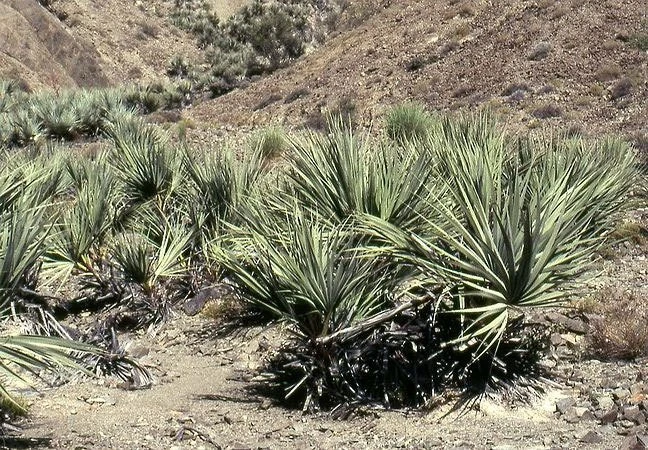
The mature palm is an impressive specimen, with stiff, blue-green to silvery-gray foliage that provides excellent contrast in a garden setting. It is usually shipped as a packet of dry seeds, ready for your specific germination method. While the initial growth is slow, the resilience and unique beauty of the Mazari Palm make it a worthwhile investment for any gardener looking to cultivate a truly exceptional and cold-tolerant palm. Expect several years for the palm to reach a noticeable height, with full maturity taking over a decade. The eventual size and hardiness make growing Mazari Palm a rewarding experience.
Frequently Asked Questions
- Q: How big does the Mazari Palm get? A: The Mazari Palm, grown from Nannorrhops ritchiana seeds, can reach impressive heights of up to 20 feet (6 meters) with a spread of 10-15 feet (3-4.5 meters) at maturity. Its growth rate is slow but steady.
- Q: Is this an indoor or outdoor plant? A: The Mazari Palm is primarily an outdoor plant, highly valued for its cold hardiness in USDA Zones 7-11. While seedlings can be started indoors, mature plants thrive in full sun outdoors.
- Q: How much sunlight do Nannorrhops ritchiana seeds need? A: Once germinated, the Mazari Palm requires full sun exposure, ideally 6-8 hours per day. It thrives in bright, direct sunlight, mimicking its native arid environments.
- Q: Is this plant easy to care for? A: Once established, the Mazari Palm is considered low-maintenance due to its drought tolerance and general resilience. However, proper care during germination and the seedling stage is crucial for successful growing Mazari Palm.
- Q: What condition will the Mazari Palm seeds arrive in? A: The Nannorrhops ritchiana seeds will arrive as a packet of dry, viable seeds, ready for your preferred germination method. They are carefully packaged to ensure freshness and quality.
- Q: Can I use Mazari Palm in cooking? A: Yes, the fruit, flowers, and young leaves of the Mazari Palm are traditionally edible. It’s one of the unique aspects of this plant, making these edible palm seeds an interesting choice.
- Q: How long until Mazari Palm seeds germinate? A: Germination times for Nannorrhops ritchiana seeds can be variable, often taking several weeks to a few months. Patience and consistent warmth are key to successful sprouting.
- Q: Will Mazari Palm survive winter in my zone? A: The Mazari Palm is exceptionally cold hardy, thriving in USDA Zones 7 to 11. Mature plants can tolerate temperatures as low as 0°F (-18°C) for short periods, making them suitable for many cooler climates.
- Q: What type of soil is best for growing Mazari Palm? A: Well-draining, sandy soil is best for growing Mazari Palm. Avoid heavy, water-retentive soils to prevent root rot. A cactus or palm potting mix is suitable for containers.
- Q: What are the benefits of growing cold hardy palm seeds? A: Cold hardy palm seeds like Nannorrhops ritchiana seeds allow gardeners in cooler regions to cultivate palms that would typically not survive. This expands landscape design possibilities and offers unique, exotic beauty.
Be the first to review “Nannorrhops ritchiana Seeds – Mazari Palm Seeds – 5 Seeds Pack – Outdoor”
Related products




You May Like

How to Grow Passion Flower (Passiflora) for Tropical Blooms
Few climbing vines in the home garden command attention quite like the exotic Passion Flower (Passiflora). [...]
Nov

Thanksgiving Cactus Care: How to Get Thanksgiving Cactus to Bloom
Is your Thanksgiving cactus growing well but not giving you any flowers? Maybe it looked [...]
Nov

How to Grow Garlic for a Bountiful Home Harvest
Garlic (Allium sativum) is one of the most satisfying, low-maintenance, and flavor-packed crops you can [...]
Oct

Hardneck vs. Softneck Garlic: Which Should You Grow?
Have you ever stood in front of a seed catalog in mid-September, staring at dozens [...]
1 Comment
Oct

When to Plant Music Garlic: Ultimate US Fall Guide
Have you ever spent your fall weekend placing carefully chosen garlic cloves into rich, dark [...]
1 Comment
Oct

5 Best Bulbs for Fall Planting: Brighten Your Garden This Spring
Are you dreaming of a garden full of vibrant colors in the spring? The key [...]
Aug

10 Houseplants That Will Thrive in Your Kitchen
Are you tired of your kitchen feeling dull and lifeless? Want to add a little [...]
1 Comment
Aug
Reviews
There are no reviews yet.