
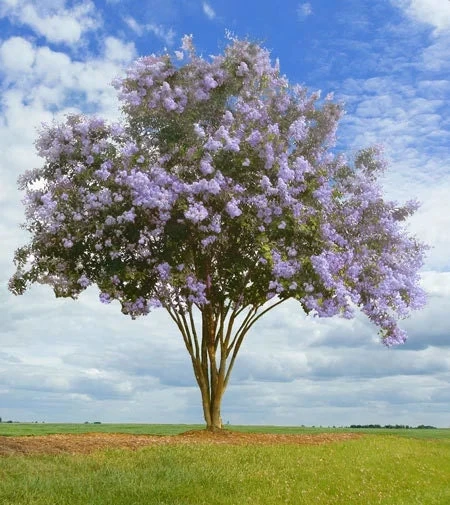
Crape Myrtle Muskogee Seeds – Lagerstroemia fauriei – 50 Seeds – Lavender Blossoms
Original price was: 42.91 $.13.91 $Current price is: 13.91 $.
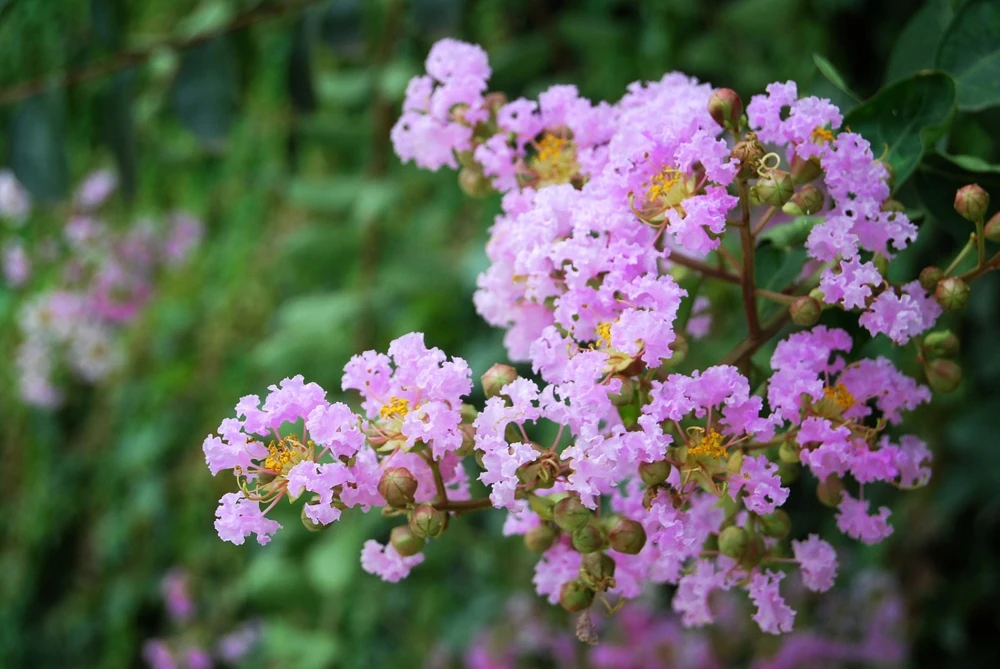
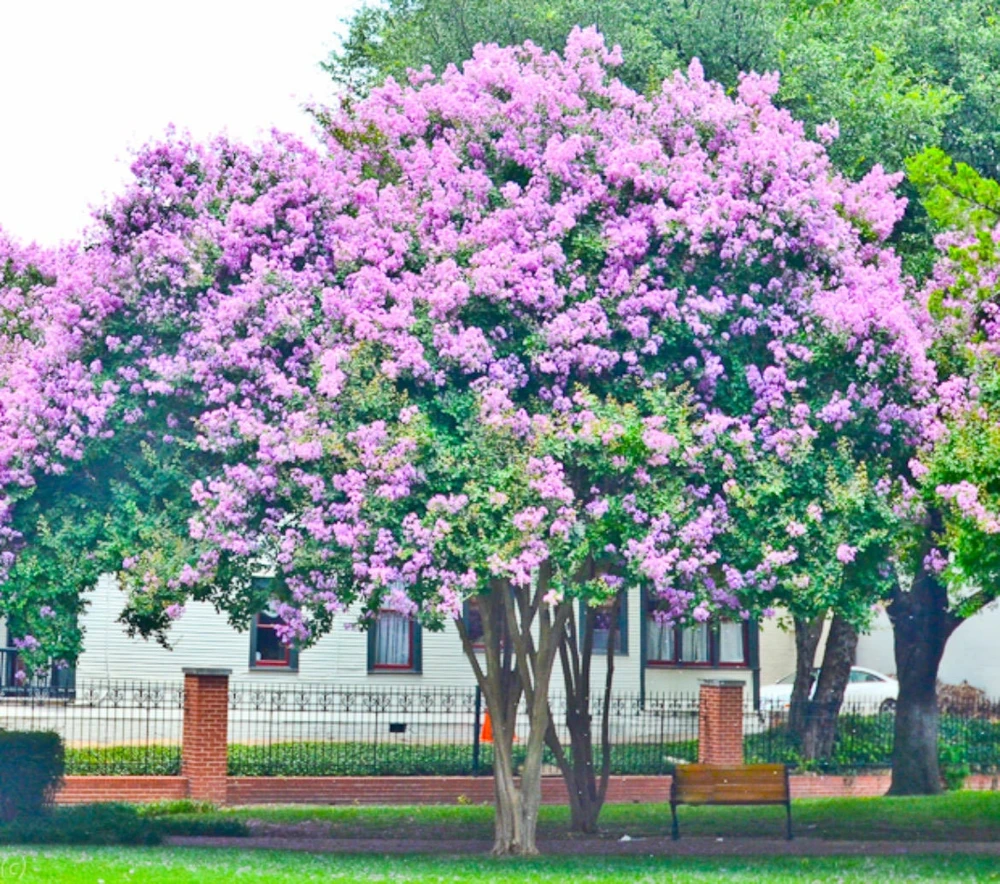
Cultivate stunning crape myrtle muskogee seeds, also known as Japanese Crepe Myrtle seeds, for your garden. These 50 seeds will grow into magnificent trees featuring abundant lavender blossoms from mid-summer through fall, thriving in full sun.
Estimated arrival
Nov 27
Dec 02 - Dec 04
Dec 04 - Dec 09
See our Shipping Policy.
Get in touch with us via email, and our team will review your concerns.
Our Alive & Thrive Guarantee covers issues with your plants within the first 30 days. Read our Refund & Returns Policy.
-
USDA Hardiness Zone
6-11 -
Soil Type
Well-draining, slightly acidic to neutral soil -
Sunlight Exposure
Full sun -
Expected Planting Period
Late winter to early spring (after stratification)
Overview
Embark on a rewarding gardening journey with these premium crape myrtle muskogee seeds. This offering provides 50 viable seeds of Lagerstroemia fauriei, commonly known as the Japanese Crepe Myrtle or Crape Myrtle Muskogee. These seeds promise to grow into resilient and visually striking trees, making a magnificent addition to any landscape. Known for their vigorous growth and stunning floral displays, these trees are a favorite among gardeners for their extended blooming period and attractive bark. Whether you’re an experienced horticulturist or a budding enthusiast, growing this variety from seed offers a unique and fulfilling experience, allowing you to witness the entire life cycle of this beautiful plant from its humble beginnings.
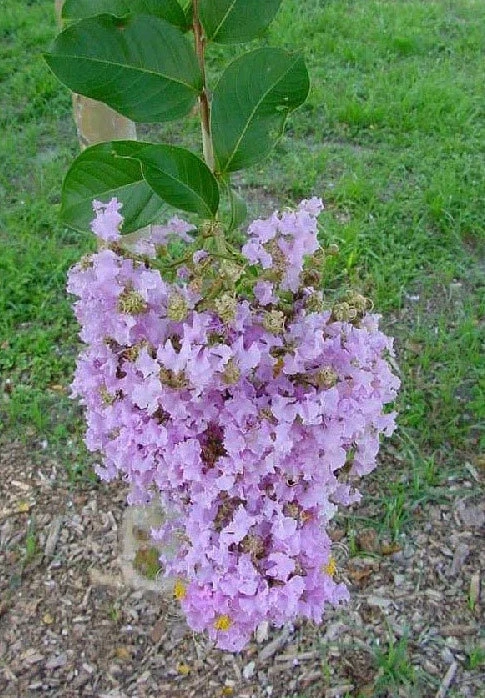
The Crape Myrtle Muskogee is celebrated for its elegant form and profusion of lavender blossoms, which create a captivating spectacle in the garden. Each packet contains 50 carefully selected seeds, ensuring you have ample opportunity to propagate these splendid trees. These seeds are ideal for those looking to add long-lasting color and structure to their outdoor spaces, providing a natural habitat and aesthetic appeal.
Key Benefits
Investing in lagerstroemia fauriei seeds brings a multitude of benefits to your garden and landscape. From their aesthetic appeal to their hardiness, these trees are a valuable addition:
- Spectacular Floral Display: Enjoy an extended blooming season from mid-summer to mid-fall, with an abundance of vibrant lavender blossoms that create a breathtaking visual impact. These flowers are a magnet for pollinators, adding life and movement to your garden.
- Attractive Exfoliating Bark: Beyond their flowers, Crape Myrtles are renowned for their smooth, peeling bark, which reveals a mosaic of colors underneath, providing year-round interest, especially in winter.
- Hardy and Adaptable: These trees are remarkably resilient, thriving across USDA Hardiness Zones 6 to 11. They are known for their tolerance to various soil conditions and their ability to withstand heat and humidity.
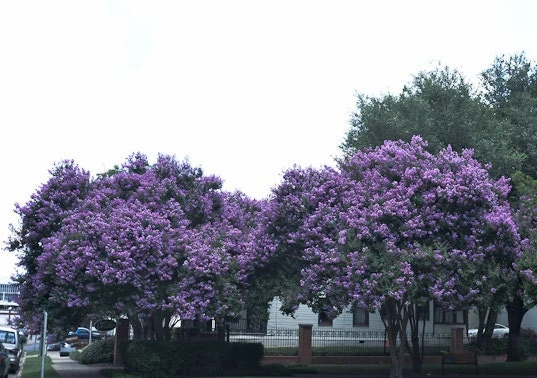
- Versatile Landscape Use: Perfect as a specimen tree, in groupings, or as a vibrant hedge, the crape myrtle muskogee seeds allow for flexible landscaping designs. They can reach impressive heights, providing shade and vertical interest.
- Low Maintenance: Once established, these Crape Myrtles require minimal care, making them an excellent choice for gardeners seeking high impact with less effort. They are relatively pest and disease resistant.
- Boosts Curb Appeal: The dramatic blooms and elegant structure of a mature Crape Myrtle can significantly enhance the beauty and value of your property.
- Supports Local Wildlife: The abundant flowers attract bees, butterflies, and other beneficial insects, contributing to a healthy ecosystem in your garden.
Plant Care & Growing Tips
Successfully cultivating Japanese Crepe Myrtle seeds requires attention to a few key details. Start by cold stratifying your seeds for 60-90 days before planting; this mimics natural winter conditions and encourages germination. After stratification, sow seeds indoors about 8-10 weeks before the last frost date in your area. Use a high-quality seed starting mix in trays or small pots. Plant seeds about 1/4 inch deep and keep the soil consistently moist but not waterlogged. Optimal germination temperature is around 70-75°F (21-24°C).
Once seedlings emerge, provide plenty of bright, indirect light. As they grow, gradually acclimate them to outdoor conditions before transplanting them into their final location after all danger of frost has passed. The Crape Myrtle Muskogee thrives in full sun, meaning at least 6 hours of direct sunlight per day. It prefers well-draining soil with a slightly acidic to neutral pH. Amend heavy clay soils with organic matter to improve drainage. Water regularly during the first growing season to establish a strong root system, then reduce frequency for established trees, as they become quite drought-tolerant. Fertilize lightly in spring with a balanced slow-release fertilizer. Proper pruning in late winter or early spring can help maintain shape and encourage more abundant blooms. Keeping an eye out for common pests like aphids and powdery mildew is advisable, though the Muskogee variety is known for its good disease resistance. Understanding how to grow crape myrtle from seed ensures a thriving plant.
Size & Details
These lagerstroemia fauriei seeds will mature into a stately tree, typically reaching heights of up to 20 feet, though some specimens can grow even taller, especially in ideal conditions. The spread can be considerable, forming a beautiful, rounded canopy. The growth rate is moderate to fast, allowing you to enjoy a substantial tree within a few years. Each packet contains 50 seeds, providing a generous quantity for starting multiple plants or for successive plantings. The trees will begin to produce their characteristic lavender crape myrtle blossoms from the middle of summer, continuing their display until the middle of fall, offering several months of continuous color. These seeds are packaged to ensure viability upon arrival, ready for you to begin the cultivation process. The mature tree’s impressive stature and long-lasting floral show make it a focal point in any garden.
Frequently Asked Questions
- Q: How long does it take for crape myrtle seeds to germinate? A: After proper cold stratification, germination typically occurs within 2-4 weeks when provided with warm temperatures and consistent moisture. Patience is key when starting these beautiful trees from seed.
- Q: Is this an indoor or outdoor plant? A: The Crape Myrtle Muskogee is primarily an outdoor tree, well-suited for landscaping in USDA Hardiness Zones 6-11. Young seedlings can be started indoors before transplanting outside.
- Q: How much sunlight does a Crape Myrtle Muskogee need? A: This tree absolutely thrives in full sun, requiring at least 6 hours of direct sunlight daily to produce the most abundant and vibrant lavender blossoms. Less sun can result in fewer flowers.
- Q: What condition will the seeds arrive in? A: Your crape myrtle muskogee seeds will arrive carefully packaged in a protective envelope or bag, ensuring they are dry and ready for stratification and planting upon receipt. We prioritize the quality and viability of our seeds.
- Q: How tall do these Crape Myrtles grow? A: The Crape Myrtle Muskogee is a vigorous grower and can reach impressive heights of up to 20 feet or more at maturity, creating a significant presence in the landscape.
- Q: When is the best time to plant crape myrtle seeds? A: After cold stratification, sow seeds indoors in late winter or early spring, about 8-10 weeks before your region’s last expected frost date. This gives seedlings a good head start before being moved outdoors.
- Q: Is the lavender crape myrtle difficult to grow from seed? A: While it requires patience for germination due to cold stratification, the process of growing lagerstroemia fauriei seeds is straightforward for gardeners with basic seed-starting knowledge. Following instructions carefully will lead to success.
- Q: What are the USDA hardiness zones for this plant? A: The Crape Myrtle Muskogee is very hardy and suitable for planting in USDA Hardiness Zones 6 through 11, tolerating a wide range of climates.
- Q: What kind of soil does this tree prefer? A: This Crape Myrtle prefers well-draining soil that is slightly acidic to neutral. Amending heavy clay soils with compost or other organic matter will significantly improve its growth and health.
- Q: Will these seeds produce true-to-type lavender crape myrtle plants? A: While there can be some genetic variation when growing from seed, these Japanese Crepe Myrtle seeds are from the ‘Muskogee’ variety, and you can expect most offspring to exhibit its characteristic lavender flowers and growth habits.
Be the first to review “Crape Myrtle Muskogee Seeds – Lagerstroemia fauriei – 50 Seeds – Lavender Blossoms”
Related products




Tree Seeds
Canino Olive Tree Seeds – 10 Pack Olea Europaea Canino for Edible Olives, Full Sun, Zones 9-11

You May Like

How to Grow Passion Flower (Passiflora) for Tropical Blooms
Few climbing vines in the home garden command attention quite like the exotic Passion Flower (Passiflora). [...]
Nov

Thanksgiving Cactus Care: How to Get Thanksgiving Cactus to Bloom
Is your Thanksgiving cactus growing well but not giving you any flowers? Maybe it looked [...]
Nov

How to Grow Garlic for a Bountiful Home Harvest
Garlic (Allium sativum) is one of the most satisfying, low-maintenance, and flavor-packed crops you can [...]
Oct

Hardneck vs. Softneck Garlic: Which Should You Grow?
Have you ever stood in front of a seed catalog in mid-September, staring at dozens [...]
1 Comment
Oct

When to Plant Music Garlic: Ultimate US Fall Guide
Have you ever spent your fall weekend placing carefully chosen garlic cloves into rich, dark [...]
1 Comment
Oct

5 Best Bulbs for Fall Planting: Brighten Your Garden This Spring
Are you dreaming of a garden full of vibrant colors in the spring? The key [...]
Aug

10 Houseplants That Will Thrive in Your Kitchen
Are you tired of your kitchen feeling dull and lifeless? Want to add a little [...]
1 Comment
Aug
Reviews
There are no reviews yet.