
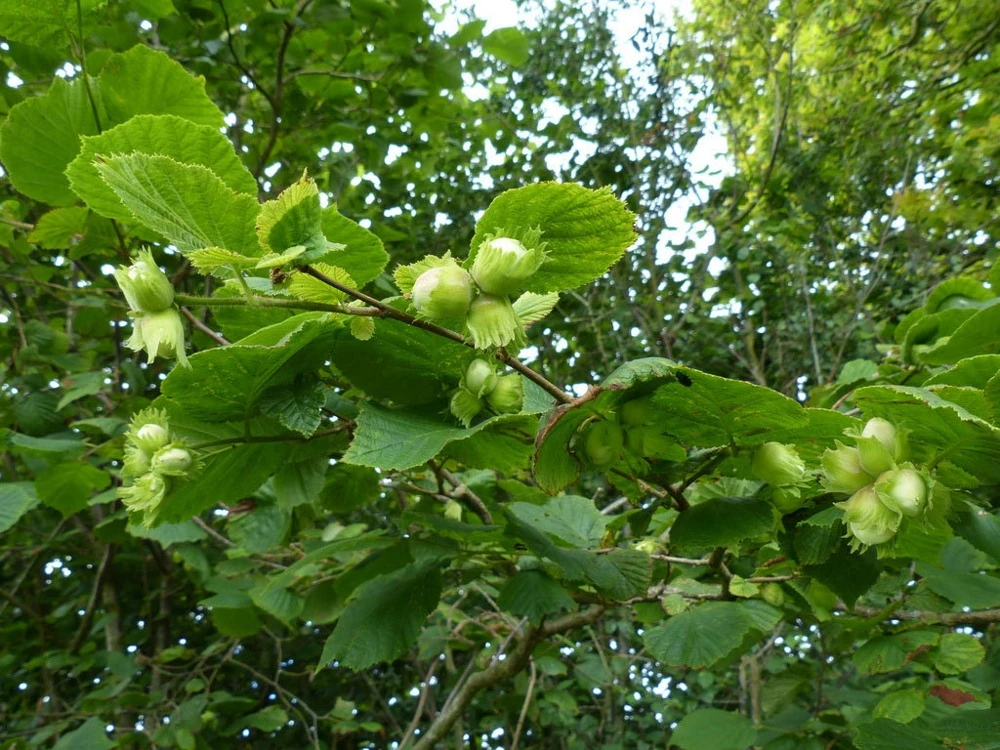
Hazelnut Tree Seeds – Corylus avellana – Common Filbert – 5 Seeds
Original price was: 48.91 $.19.91 $Current price is: 19.91 $.
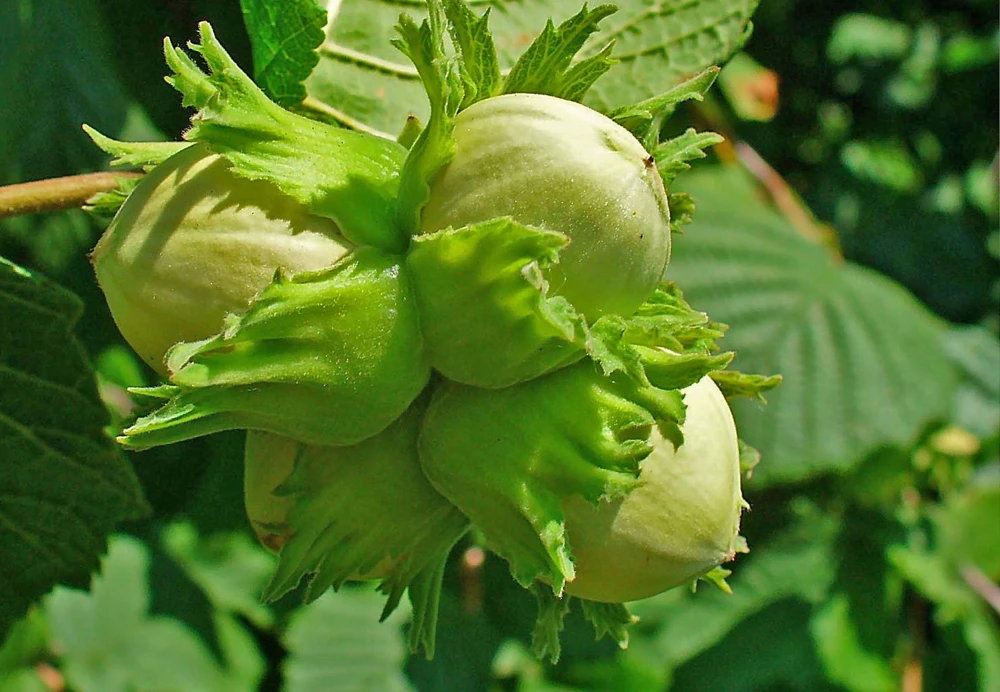
Cultivate your own delicious hazelnuts with these hazelnut tree seeds. Each pack contains 5 corylus avellana seeds, also known as common filbert seeds, perfect for starting your own edible nut tree. Enjoy fresh or roasted nuts from your garden.
Estimated arrival
Nov 26
Dec 01 - Dec 03
Dec 03 - Dec 08
See our Shipping Policy.
Get in touch with us via email, and our team will review your concerns.
Our Alive & Thrive Guarantee covers issues with your plants within the first 30 days. Read our Refund & Returns Policy.
-
USDA Hardiness Zone
4 to 8 -
Soil Type
Well-draining loam -
Sunlight Exposure
Full sun -
Expected Planting Period
Early spring or fall
Overview
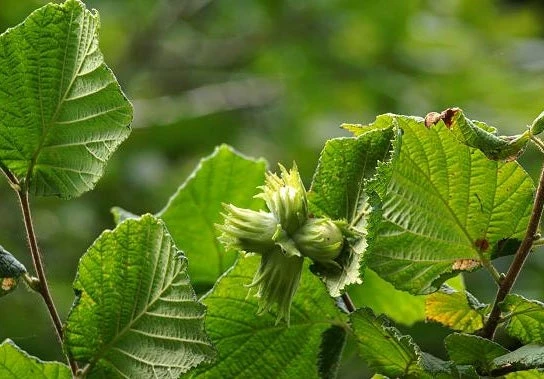
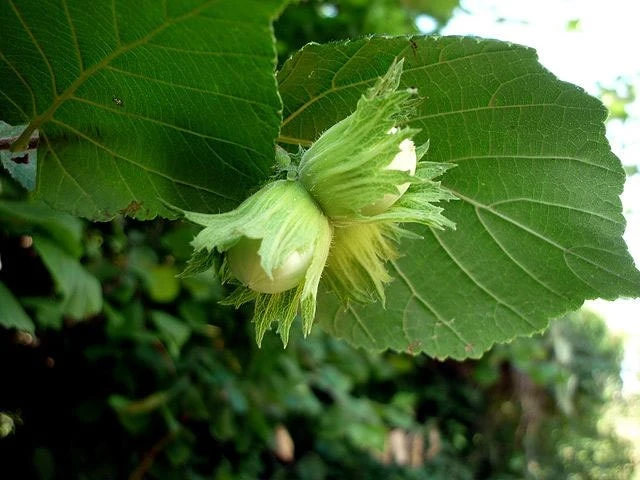
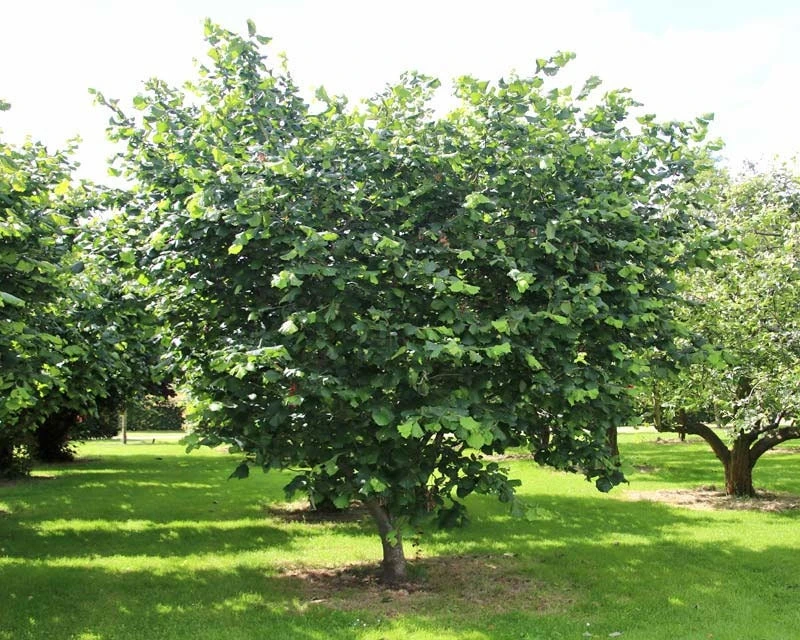
Embark on a rewarding gardening journey with these high-quality hazelnut tree seeds. Each packet contains 5 viable Corylus avellana seeds, ready for planting. Commonly known as Hazel, Common Filbert, or European Filbert, this versatile plant is cherished for its delicious, nutritious nuts and attractive foliage. Whether you’re looking to start an edible landscape, add a unique specimen to your garden, or simply enjoy the process of growing from seed, these corylus avellana seeds offer an excellent opportunity. The Hazelnut tree is a robust and adaptable species, capable of growing into a significant shrub or small tree, providing both aesthetic beauty and a bountiful harvest of nuts.
These seeds are sourced to ensure a good start for your future Hazelnut trees. Growing your own hazelnuts from seed allows you to witness the full life cycle of this remarkable plant, from tiny seed to a nut-producing tree. The resulting trees can become a long-term asset to your garden, offering shade, beauty, and a sustainable source of food. Prepare to grow hazelnut tree specimens that will be enjoyed for years to come.
Key Benefits
Growing Hazelnut trees from these seeds offers numerous advantages for both the gardener and the environment. These benefits extend from culinary delights to ecological contributions.
- Edible Harvest: The primary benefit is the production of delicious hazelnuts. These nuts can be eaten raw, roasted, or incorporated into various culinary creations, including cakes, bread, and biscuits. You can truly enjoy the fruits of your labor when you grow hazelnut tree from these seeds.
- Culinary Versatility: Beyond whole nuts, a clear yellow oil can be extracted from the seeds, perfect for making gourmet salad dressings, adding a healthy and flavorful touch to your meals.
- Attractive Landscape Addition: The Hazelnut tree, with its often multi-stemmed growth and interesting foliage, makes an excellent addition to any garden or landscape, providing visual interest throughout the seasons.
- Wildlife Support: Hazelnut trees provide food and habitat for local wildlife, contributing to biodiversity in your garden. The nuts are a favorite food source for squirrels and other small mammals.
- Hardy and Adaptable:Corylus avellana seeds grow into resilient plants that are well-suited to a range of climates, making them a reliable choice for many gardeners.
- Historical and Cultural Significance: Hazelnuts have been cultivated and cherished for centuries, adding a layer of historical appeal to your gardening efforts.
- Sustainable Food Source: By growing your own hazelnuts, you create a sustainable and renewable food source directly in your backyard, reducing reliance on commercial products. These edible nut tree seeds are a great investment for future harvests.
Plant Care & Growing Tips
Cultivating Hazelnut trees from hazelnut tree seeds requires patience and attention to detail, but the rewards are well worth the effort. To ensure successful germination and growth, stratification is often necessary for these corylus avellana seeds. This involves mimicking natural winter conditions to break dormancy. After stratification, plant the seeds about 1 inch deep in well-draining soil. A good quality potting mix with added perlite or sand works well for initial germination.
Hazelnut trees thrive in full sun, meaning they need at least 6 hours of direct sunlight per day. While they can tolerate partial shade, nut production will be significantly higher in sunnier locations. Water regularly, especially during dry periods and while the plants are young, ensuring the soil remains consistently moist but not waterlogged. Once established, they are relatively drought-tolerant. The ideal soil type is a rich, well-draining loam. They can tolerate a range of soil pH but prefer slightly acidic to neutral conditions. These plants are hardy in USDA Hardiness Zones 4 to 8, tolerating cold winters and hot summers. Fertilize in early spring with a balanced, slow-release fertilizer designed for trees and shrubs to support healthy growth and nut development. Keep an eye out for common pests like aphids or Japanese beetles, and treat with organic pest control methods if necessary. Proper care will help your common filbert seeds develop into strong, productive trees.
Size & Details
These hazelnut tree seeds are sourced from the species Corylus avellana, known for its robust growth. Once established, a Hazelnut tree can grow up to 20 feet tall, often presenting as a multi-stemmed shrub or a small, single-trunk tree, depending on pruning. The growth rate is moderate, allowing for noticeable development each year. The seeds you receive are ready for stratification and planting. Expect the first few years to focus on vegetative growth before the tree begins to produce nuts. Bloom time typically occurs from late winter to early spring, with cream and tan catkins appearing before the leaves. The nuts mature in late summer to early autumn, ready for harvest. These edible nut tree seeds provide the foundation for a long-lived, productive plant in your landscape.
Frequently Asked Questions
- Q: How long does it take for hazelnut tree seeds to germinate? A: Germination can be variable, often requiring a period of cold stratification. Once stratified, seeds may germinate in a few weeks to several months, depending on conditions. Patience is key when growing from corylus avellana seeds.
- Q: What is the best time to plant these hazelnut tree seeds? A: The best time to plant stratified seeds is in early spring after the last frost, allowing them to establish before summer heat. Alternatively, you can plant them in fall for natural stratification over winter.
- Q: How much sunlight do hazelnut trees need? A: Hazelnut trees perform best in full sun, receiving at least 6 hours of direct sunlight daily, especially for optimal nut production. They can tolerate partial shade, but yields may be lower.
- Q: Is this plant suitable for a beginner gardener? A: While growing from seed requires some attention to stratification and initial care, established Hazelnut trees are relatively low-maintenance, making them a good choice for beginners willing to learn. Successfully growing your own hazelnut tree seeds is a rewarding experience.
- Q: What condition will the seeds arrive in? A: The hazelnut tree seeds will arrive dry and ready for you to begin the stratification process before planting. They are carefully packaged to ensure their viability upon arrival.
- Q: Can I grow a hazelnut tree in a container? A: While possible to start in a container, Hazelnut trees eventually require a large space due to their mature size. They are best suited for planting directly in the ground once they outgrow their initial pots.
- Q: What USDA Hardiness Zones are suitable for growing these common filbert seeds? A: Hazelnut trees grown from these common filbert seeds are hardy in USDA Zones 4 to 8, making them adaptable to a wide range of climates across the United States.
Be the first to review “Hazelnut Tree Seeds – Corylus avellana – Common Filbert – 5 Seeds”
Related products


You May Like

How to Grow Passion Flower (Passiflora) for Tropical Blooms
Few climbing vines in the home garden command attention quite like the exotic Passion Flower (Passiflora). [...]
Nov

Thanksgiving Cactus Care: How to Get Thanksgiving Cactus to Bloom
Is your Thanksgiving cactus growing well but not giving you any flowers? Maybe it looked [...]
Nov

How to Grow Garlic for a Bountiful Home Harvest
Garlic (Allium sativum) is one of the most satisfying, low-maintenance, and flavor-packed crops you can [...]
Oct

Hardneck vs. Softneck Garlic: Which Should You Grow?
Have you ever stood in front of a seed catalog in mid-September, staring at dozens [...]
1 Comment
Oct

When to Plant Music Garlic: Ultimate US Fall Guide
Have you ever spent your fall weekend placing carefully chosen garlic cloves into rich, dark [...]
1 Comment
Oct

5 Best Bulbs for Fall Planting: Brighten Your Garden This Spring
Are you dreaming of a garden full of vibrant colors in the spring? The key [...]
Aug

10 Houseplants That Will Thrive in Your Kitchen
Are you tired of your kitchen feeling dull and lifeless? Want to add a little [...]
1 Comment
Aug
Reviews
There are no reviews yet.