
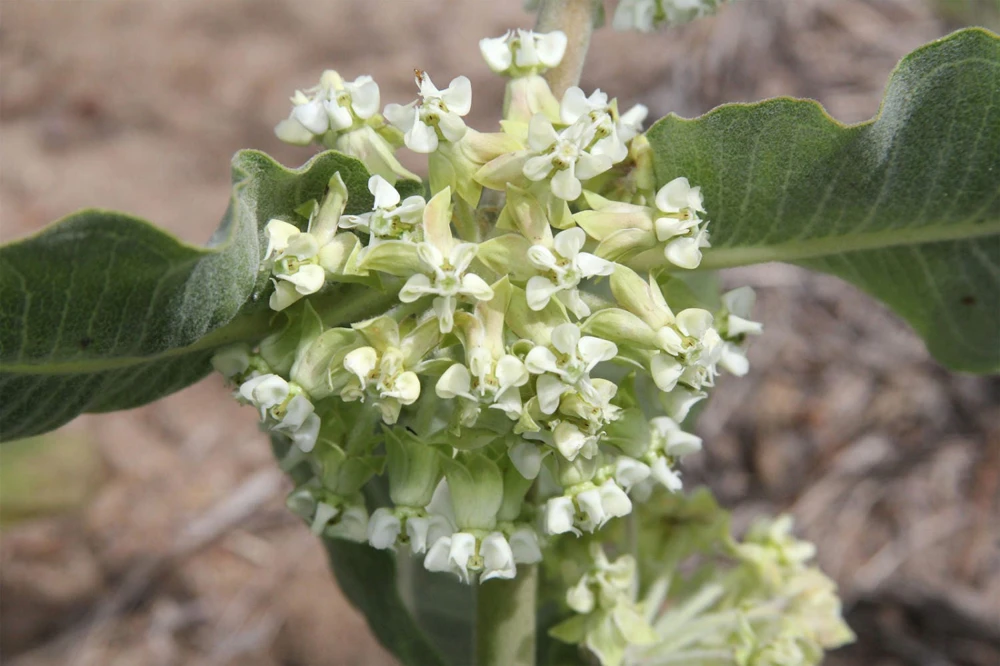
Sand Milkweed Seeds – Asclepias arenaria – 20 Seed Pack – Full Sun, Deer Resistant
Original price was: 48.91 $.19.91 $Current price is: 19.91 $.
Cultivate sand milkweed seeds (Asclepias arenaria) to create a vibrant habitat. This perennial attracts pollinators like bees and butterflies, while being naturally deer resistant. Ideal for sunny garden spots.
Estimated arrival
Nov 27
Dec 02 - Dec 04
Dec 04 - Dec 09
See our Shipping Policy.
Get in touch with us via email, and our team will review your concerns.
Our Alive & Thrive Guarantee covers issues with your plants within the first 30 days. Read our Refund & Returns Policy.
-
USDA Hardiness Zone
USDA Hardiness Zones 4 to 9 -
Soil Type
Well-draining, sandy loam -
Sunlight Exposure
Full sun -
Expected Planting Period
Fall to early spring
Overview
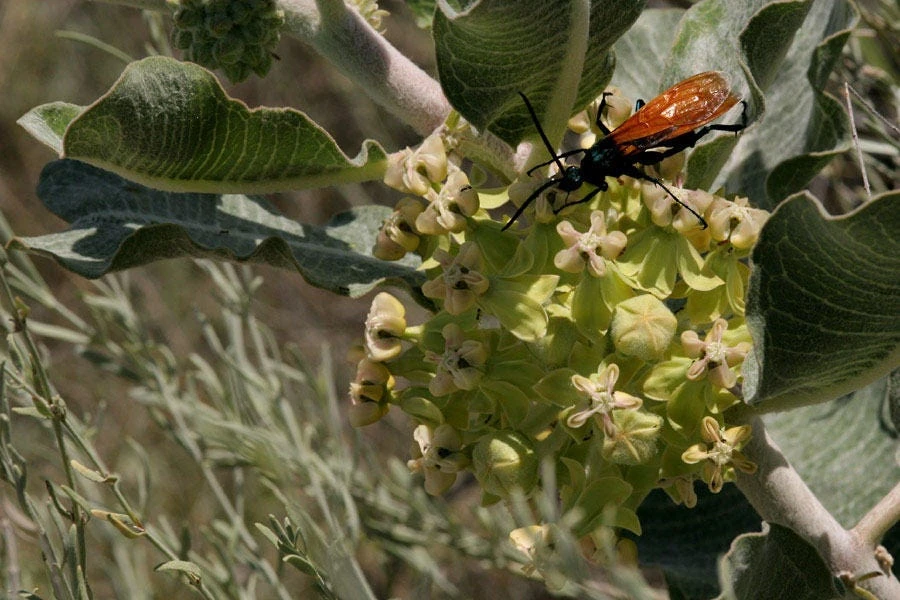
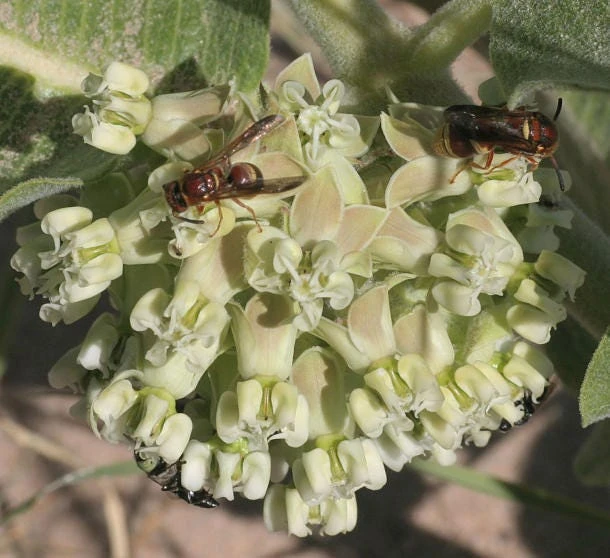
Bring the beauty of native wildflowers to your garden with our premium sand milkweed seeds. Also known by its botanical name, Asclepias arenaria, this remarkable plant is a must-have for any gardener looking to support local ecosystems. Each packet contains 20 high-quality seeds, ready to be sown and nurtured into mature plants. Sand Milkweed is renowned for its ability to attract a wide array of pollinators, particularly monarch butterflies, making it a crucial component of a thriving butterfly garden. Its unique light green blossoms add a subtle yet captivating charm to your landscape from late spring through mid-summer. This plant not only enhances the aesthetic appeal of your outdoor space but also plays a vital role in biodiversity conservation.
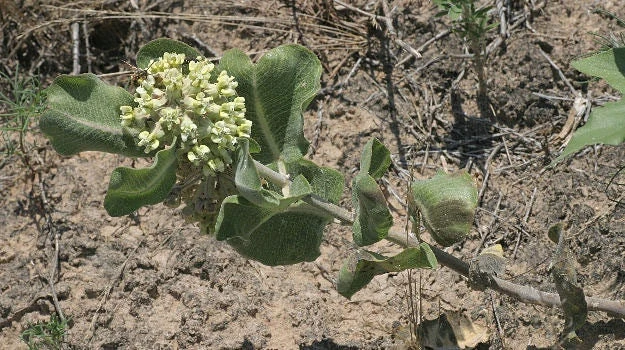
Our asclepias arenaria seeds offer an excellent opportunity to grow a robust and resilient plant that thrives with minimal fuss. Originating from specific regions, this species has adapted to conditions that make it a superb choice for gardeners seeking both beauty and ecological benefit. Unlike some other milkweed varieties, Asclepias arenaria prefers sandy, well-drained soils, making it perfect for challenging garden spots. Its ability to grow up to 3 feet tall ensures a noticeable presence, providing both vertical interest and a haven for wildlife. Planting these seeds is a step towards creating a more sustainable and biodiverse garden environment, contributing positively to the health of local pollinator populations.
Key Benefits
Investing in sand milkweed seeds provides numerous advantages for your garden and the environment. This plant is a powerhouse for ecological support and offers aesthetic appeal:
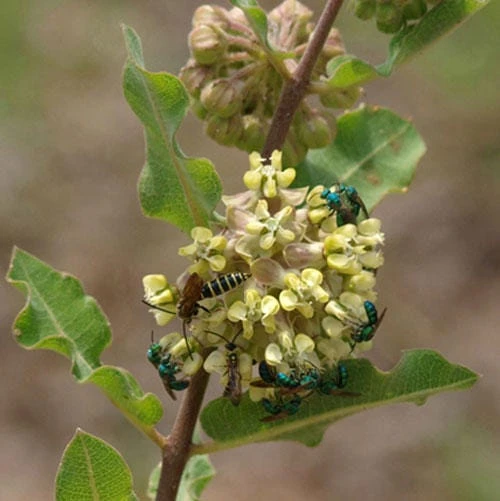
- Pollinator Magnet: Sand Milkweed is a documented nectar source for a multitude of butterflies, including Monarch, Orange-edged Roadside-Skipper, Dina Yellow, Carus Skipper, Eastern Tiger Swallowtail, and Falcate Metalmark butterflies. It also attracts various bees and moths, such as the Clarks sphinx and Milkweed Tussock moths, making your garden a lively hub of activity.
- Deer Resistant: Enjoy a beautiful garden without the worry of deer browsing. This plant is naturally resistant to deer, ensuring its foliage and blossoms remain intact throughout the growing season.
- Low Maintenance: Once established, Asclepias arenaria requires minimal care, thriving in its preferred conditions with little intervention. It’s an ideal choice for gardeners seeking impactful plants without extensive upkeep.
- Drought Tolerance: Adapted to sandy soils, this milkweed species exhibits good drought tolerance, making it suitable for xeriscaping or gardens in drier climates once mature.
- Erosion Control: Its root system can help stabilize sandy soils, contributing to erosion control in appropriate landscapes.
- Attractive Blooms: From late spring to mid-summer, the plant produces delicate light green blossoms that add a unique visual texture to your garden.
- Habitat Creation: By planting sand milkweed seeds, you are directly contributing to the creation of vital habitats for endangered monarch butterflies and other beneficial insects.
Plant Care & Growing Tips
Growing asclepias arenaria seeds is a rewarding experience, and with a few simple care guidelines, you can ensure a thriving stand of Sand Milkweed in your garden. This species is known for its resilience, particularly when planted in conditions that mimic its natural habitat. For optimal growth, these plants require full sun exposure, meaning at least 6-8 hours of direct sunlight per day. Choose a location in your garden that receives abundant light throughout the day to encourage strong stem growth and prolific flowering. Proper sunlight is crucial for the plant’s overall health and its ability to produce the nectar essential for pollinators. If you’re looking for a full sun perennial that can withstand intense light, this is an excellent choice.
The ideal soil for Sand Milkweed is well-draining, sandy loam. While it tolerates a range of soil types, excellent drainage is paramount to prevent root rot. Avoid heavy clay soils that retain too much moisture. Once established, this plant is quite drought-tolerant, but during its initial growth phase, consistent moisture is important. Water regularly until seedlings are well-rooted, then reduce frequency, allowing the top inch or two of soil to dry out between waterings. Fertilization is generally not necessary in average garden soils; however, if your soil is particularly poor, a light application of a balanced, slow-release fertilizer in early spring can be beneficial. These plants are hardy in USDA Zones 4 to 9, making them suitable for a wide range of climates across the United States. Protecting young plants from extreme cold during their first winter in colder zones might be advisable.
Pest and disease issues are generally minimal for sand milkweed seeds. Aphids can occasionally be a problem, but they are often managed by natural predators. Avoid using broad-spectrum pesticides, as these can harm beneficial insects that rely on milkweed. Deadheading spent blooms can encourage more flowering and prevent self-seeding if not desired. This plant’s natural resistance to deer makes it a hassle-free addition to gardens where deer are a concern, offering a beautiful and safe food source for butterflies without becoming a deer snack.
Size & Details
Our sand milkweed seeds are sourced to provide you with robust plants that will mature into impressive specimens. From seed, Asclepias arenaria typically grows to a height of about 3 feet, creating a substantial presence in your garden. The plant exhibits an upright growth habit, forming a clump that can spread gradually over time through self-seeding if conditions are favorable. These plants are shipped as a packet of 20 seeds, giving you ample opportunity to establish a healthy patch of milkweed. Expect to see germination within 10-30 days under optimal conditions, with flowering occurring in the second year from seed. The light green blossoms emerge from late spring to the middle of summer, providing a prolonged period of interest and nectar availability.
The mature size and growth rate of Sand Milkweed make it an excellent candidate for meadow gardens, naturalized areas, or as a striking addition to perennial borders. Its ability to thrive in USDA Hardiness Zones 4 to 9 ensures its adaptability to diverse climates. The 20-seed packet allows for flexibility in planting, whether you wish to scatter them for a wilder look or plant them in defined groups. Ensure adequate spacing, generally 1-2 feet apart, to allow each plant to reach its full potential and provide ample air circulation.
Frequently Asked Questions
- Q: How big does this plant get? A: Sand milkweed seeds will grow into plants that typically reach about 3 feet tall, forming an upright clump. Its mature size makes it a prominent feature in garden beds.
- Q: Is this an indoor or outdoor plant? A: Asclepias arenaria is an outdoor perennial plant, best suited for garden beds, meadows, and naturalized areas where it can receive full sun exposure.
- Q: How much sunlight does it need? A: This plant thrives in full sun, requiring at least 6-8 hours of direct sunlight daily to ensure robust growth and abundant flowering. It is a true full sun perennial.
- Q: Is this plant easy to care for? A: Yes, once established, Sand Milkweed is considered low-maintenance. It is drought-tolerant and naturally resistant to deer, making it an excellent choice for various gardeners.
- Q: What condition will the seeds arrive in? A: You will receive a packet containing 20 high-quality asclepias arenaria seeds, carefully packaged to ensure their viability for planting.
- Q: When is the best time to plant? A: The best time to plant Sand Milkweed seeds is in the fall or early spring, as they often benefit from a period of cold stratification for optimal germination.
- Q: Will it survive winter in my zone? A: Sand Milkweed is hardy in USDA Hardiness Zones 4 to 9, meaning it can withstand winter conditions in these regions and return year after year.
- Q: Is this plant good for beginners? A: Yes, its resilience and low-maintenance nature make it a great option for beginner gardeners looking to grow a beautiful and ecologically beneficial plant.
- Q: Does it attract butterflies? A: Absolutely! This milkweed is a critical host plant for monarch butterfly caterpillars and a valuable nectar source for numerous other butterfly species, making it an essential part of any garden for milkweed for butterflies.
- Q: Is it a deer resistant plant? A: Yes, Sand Milkweed is naturally resistant to deer, which helps protect your garden from browsing damage while providing a valuable resource for pollinators.
Be the first to review “Sand Milkweed Seeds – Asclepias arenaria – 20 Seed Pack – Full Sun, Deer Resistant”
Related products


Flower Seeds
Blue Stock Matthiola Incana Seeds – 50 Fragrant Gillyflower Seeds – Ten-Week Blue Stock


You May Like

How to Grow Passion Flower (Passiflora) for Tropical Blooms
Few climbing vines in the home garden command attention quite like the exotic Passion Flower (Passiflora). [...]
Nov

Thanksgiving Cactus Care: How to Get Thanksgiving Cactus to Bloom
Is your Thanksgiving cactus growing well but not giving you any flowers? Maybe it looked [...]
Nov

How to Grow Garlic for a Bountiful Home Harvest
Garlic (Allium sativum) is one of the most satisfying, low-maintenance, and flavor-packed crops you can [...]
Oct

Hardneck vs. Softneck Garlic: Which Should You Grow?
Have you ever stood in front of a seed catalog in mid-September, staring at dozens [...]
1 Comment
Oct

When to Plant Music Garlic: Ultimate US Fall Guide
Have you ever spent your fall weekend placing carefully chosen garlic cloves into rich, dark [...]
1 Comment
Oct

5 Best Bulbs for Fall Planting: Brighten Your Garden This Spring
Are you dreaming of a garden full of vibrant colors in the spring? The key [...]
Aug

10 Houseplants That Will Thrive in Your Kitchen
Are you tired of your kitchen feeling dull and lifeless? Want to add a little [...]
1 Comment
Aug
Reviews
There are no reviews yet.