
Camellia Sinensis Tea Plant Seeds – Grow Your Own Tea, 5 Seed Pack, Outdoor
Original price was: 48.91 $.19.91 $Current price is: 19.91 $.
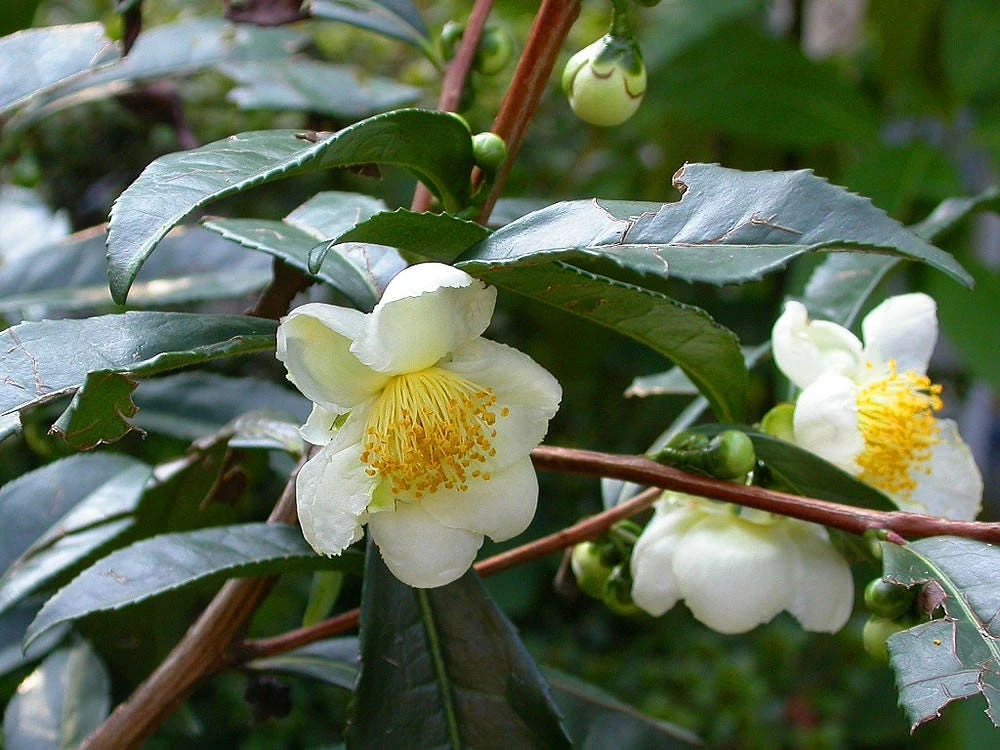
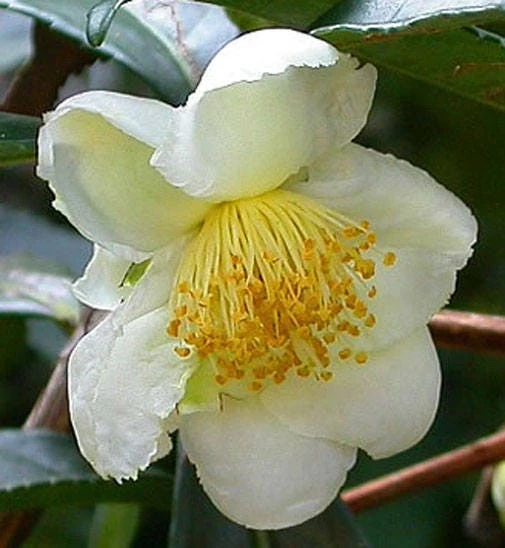
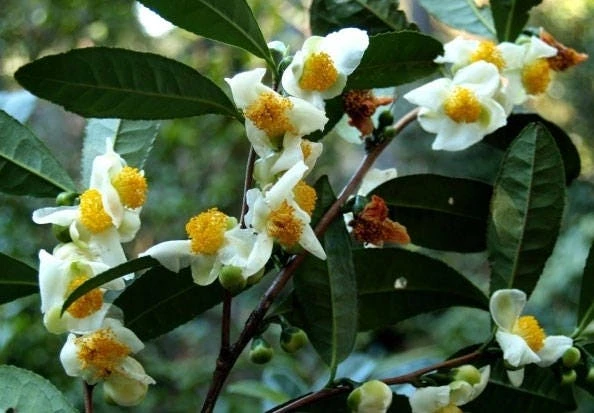
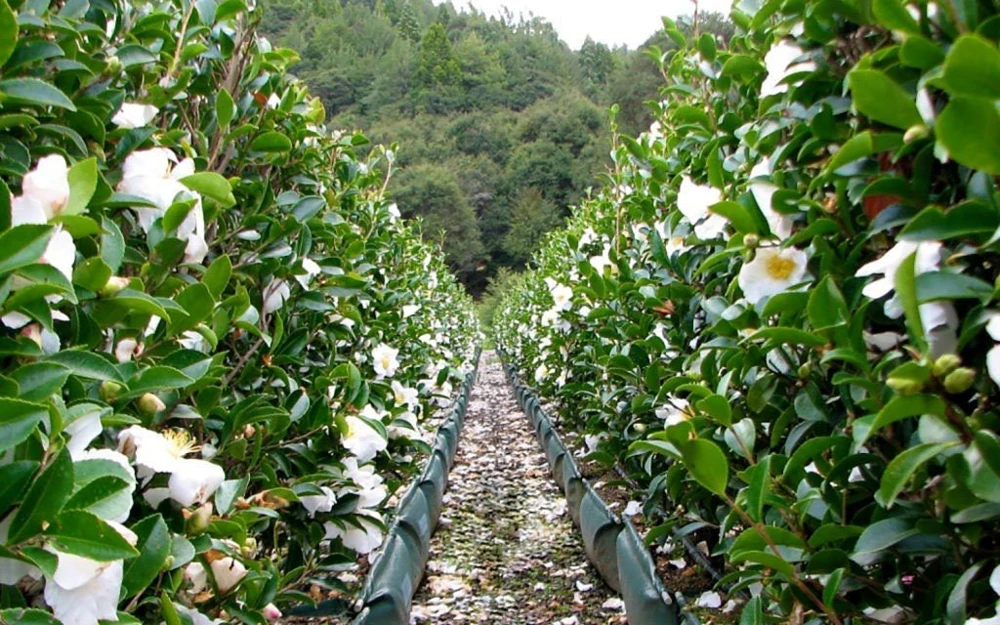
Start your own tea garden with this pack of Camellia Sinensis tea plant seeds. Cultivate the plant responsible for all true teas. These seeds are perfect for gardeners in USDA Zones 7-9, offering beautiful white blossoms and deer resistance.
Estimated arrival
Nov 28
Dec 03 - Dec 05
Dec 05 - Dec 10
See our Shipping Policy.
Get in touch with us via email, and our team will review your concerns.
Our Alive & Thrive Guarantee covers issues with your plants within the first 30 days. Read our Refund & Returns Policy.
-
USDA Hardiness Zone
7 to 9 -
Soil Type
Acidic, well-draining soil -
Sunlight Exposure
Full sun to partial shade -
Expected Planting Period
Late winter to early spring (indoors)
Overview
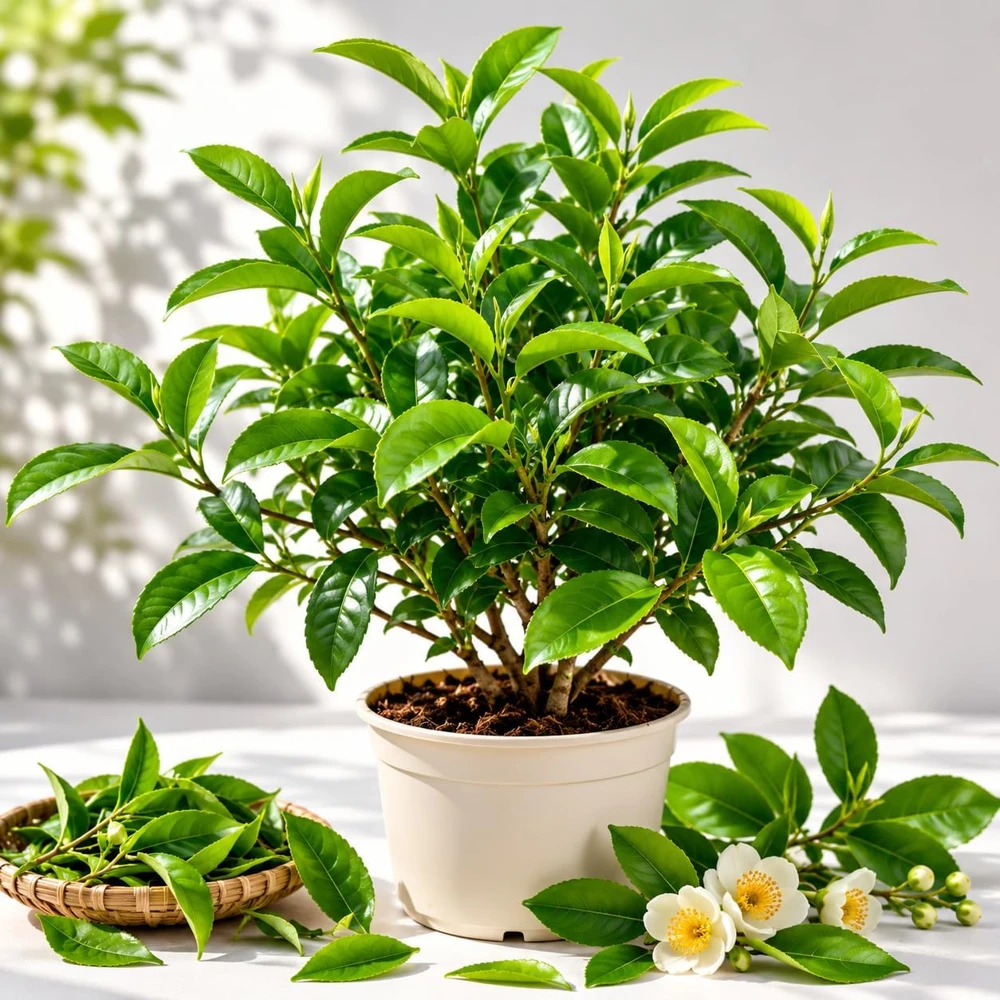
Embark on a rewarding gardening journey with our premium Camellia Sinensis tea plant seeds. This offering provides you with the opportunity to grow the very plant from which all traditional teas – green, black, oolong, and white – are derived. Known scientifically as Camellia sinensis, and also by common names like Tea Plant, Assam Tea, and Tea Tree Camellia, this versatile shrub is a beautiful addition to any garden. Imagine harvesting your own fresh tea leaves, creating custom blends, or simply enjoying the ornamental beauty of its lush foliage and delicate white flowers. These seeds are your first step towards a sustainable and deeply satisfying tea-growing experience right in your backyard.
Our Camellia Sinensis tea plant seeds are sourced to provide you with the best chance of successful germination and growth. Whether you are an experienced gardener looking for a unique crop or a beginner eager to try something new, growing a tea plant from seed offers an engaging project. The resulting plants are not only functional but also aesthetically pleasing, contributing to the biodiversity and charm of your outdoor space. Discover the rich history and cultural significance of tea as you nurture these seedlings into mature, productive plants.
Key Benefits
Cultivating your own Camellia Sinensis tea plant seeds brings a multitude of benefits, from the joy of gardening to the practical advantages of fresh tea. Here are some of the key advantages you’ll enjoy:
-
Fresh, Homegrown Tea: Enjoy the unparalleled freshness of tea made from leaves you’ve grown yourself. You’ll have complete control over the growing process, ensuring a pure and natural product free from commercial additives. This allows for experimentation with different tea processing methods right at home.
-
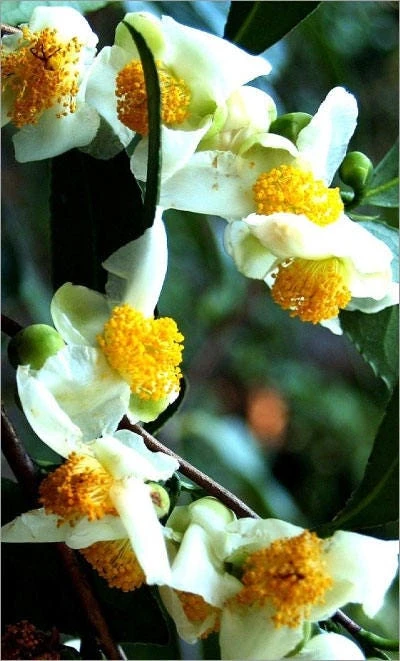
Ornamental Beauty: Beyond its utility, the Camellia Sinensis tea plant is a beautiful shrub. It features attractive evergreen foliage and produces delicate white blossoms from late summer to early winter, adding visual interest to your garden even during cooler months.
-
Deer Resistant: A significant advantage for many gardeners, this plant is known to be resistant to deer, making it a reliable choice for areas where deer browsing is a concern. You can plant with confidence, knowing your tea plants are less likely to be disturbed.
-
Culinary Versatility: While primarily known for its leaves used in beverages, the tea plant offers other culinary uses. Its flowers can be used to make tempura, and an edible oil can be extracted. Dried leaves can also yield an extract used to flavor various foods and alcoholic beverages.
-
Sustainable Gardening: Growing your own tea reduces reliance on commercially produced teas, contributing to a more sustainable lifestyle. It also connects you more deeply with your food sources and the natural world.
-
Educational Experience: For families and educators, growing a tea plant from seed provides an excellent educational opportunity to learn about botany, sustainable agriculture, and the origins of everyday products.
Plant Care & Growing Tips
Successfully growing Camellia Sinensis tea plant seeds requires attention to specific environmental conditions, but with the right care, you can cultivate a thriving tea bush. Once germinated, these plants prefer a location with full sun to partial shade. In hotter climates, some afternoon shade can prevent leaf scorch. Aim for at least 4-6 hours of direct sunlight daily for optimal growth and tea production. Good air circulation is also beneficial to prevent fungal issues.
Watering is crucial, especially for young seedlings and during dry spells. The soil should be kept consistently moist but not waterlogged. Allow the top inch or two of soil to dry out slightly before watering again. Established plants are somewhat more drought-tolerant but still perform best with regular moisture. Camellia sinensis seeds thrive in acidic, well-draining soil rich in organic matter. A pH between 5.5 and 6.5 is ideal. Amend heavy clay soils with compost or peat moss to improve drainage and acidity. For container growing, use a high-quality acidic potting mix formulated for acid-loving plants.
These tea plants are hardy in USDA Zones 7 to 9, tolerating winter temperatures down to about 0°F (-18°C) once established. In colder zones, they can be grown in containers and brought indoors during winter or protected with heavy mulching. Fertilize sparingly with a balanced, slow-release fertilizer formulated for acid-loving plants, typically in spring and mid-summer. Watch out for common pests like aphids and scale insects, which can be managed with insecticidal soap. Proper spacing and pruning can help maintain plant health and encourage bushier growth, leading to more tea leaves. With proper care, your tea tree camellia will flourish.
Size & Details
This offering includes a pack of 5 Camellia Sinensis tea plant seeds, providing you with multiple opportunities to establish your tea garden. Once germinated and grown, the Camellia sinensis plant typically matures into a shrub growing up to 8 feet tall, though it can be kept smaller with regular pruning. The mature width can also reach several feet, creating a dense, attractive bush. These plants are generally moderate growers, taking a few years to reach a size where significant leaf harvesting is possible. They are shipped as raw seeds, requiring germination and initial care from the gardener. The first white blossoms can be expected from late summer to early winter once the plant reaches maturity, usually within 2-3 years of planting.
The mature size and form of your Camellia sinensis tea plant can be influenced by pruning. Left unpruned, it can develop into a small tree, but most growers maintain it as a shrub for easier harvesting of leaves. The seeds are best started indoors in a controlled environment before transplanting outdoors after the last frost. Each seed has the potential to grow into a resilient and productive tea bush, offering both ornamental value and the practical benefit of homegrown tea leaves.
Frequently Asked Questions
-
Q: How big does this plant get? A: The Camellia Sinensis tea plant can grow up to 8 feet tall as a shrub if left unpruned. However, it can be maintained at a smaller size, typically 3-5 feet, through regular pruning, which also encourages bushier growth and more tea leaf production.
-
Q: Is this an indoor or outdoor plant? A: While young seedlings can be started indoors, the Camellia Sinensis tea plant is primarily an outdoor plant. It thrives in outdoor garden settings within USDA Hardiness Zones 7 to 9. In colder zones, it can be grown in containers and brought indoors during winter.
-
Q: How much sunlight does it need? A: These plants prefer full sun to partial shade. They generally need at least 4-6 hours of direct sunlight per day. In very hot climates, afternoon shade can be beneficial to protect the leaves from scorching.
-
Q: Is this plant easy to care for? A: Growing a tea plant from seed requires some initial care for germination and establishment. Once established, it is relatively low-maintenance, needing consistent moisture, acidic soil, and occasional fertilization. It’s considered moderately easy for gardeners with some experience.
-
Q: What condition will the seeds arrive in? A: You will receive 5 raw, viable Camellia Sinensis tea plant seeds. They will be carefully packaged to ensure their integrity during transit, ready for you to begin the germination process.
-
Q: Can I really make tea from these leaves? A: Yes, absolutely! The leaves from the Camellia Sinensis tea plant are precisely what is used to make all types of true tea (green, black, oolong, white). You can harvest, process, and brew your own fresh tea at home.
-
Q: When is the best time to plant these seeds? A: The best time to start Camellia Sinensis tea plant seeds is typically in late winter or early spring indoors. This gives the seedlings a head start before they are transplanted outdoors after the danger of the last frost has passed.
-
Q: Will it survive winter in my zone? A: This plant is cold hardy in USDA Zones 7 to 9. If you are in these zones, it should survive winter outdoors. In colder zones, protection during winter or growing in containers indoors is recommended to protect the plant from freezing temperatures.
-
Q: What kind of soil does it prefer? A: The tea tree camellia thrives in well-draining, acidic soil rich in organic matter. A soil pH between 5.5 and 6.5 is ideal. You can amend your garden soil with compost, peat moss, or use an acidic potting mix for containers.
Be the first to review “Camellia Sinensis Tea Plant Seeds – Grow Your Own Tea, 5 Seed Pack, Outdoor”
Related products


You May Like

How to Grow Passion Flower (Passiflora) for Tropical Blooms
Few climbing vines in the home garden command attention quite like the exotic Passion Flower (Passiflora). [...]
Nov

Thanksgiving Cactus Care: How to Get Thanksgiving Cactus to Bloom
Is your Thanksgiving cactus growing well but not giving you any flowers? Maybe it looked [...]
Nov

How to Grow Garlic for a Bountiful Home Harvest
Garlic (Allium sativum) is one of the most satisfying, low-maintenance, and flavor-packed crops you can [...]
Oct

Hardneck vs. Softneck Garlic: Which Should You Grow?
Have you ever stood in front of a seed catalog in mid-September, staring at dozens [...]
1 Comment
Oct

When to Plant Music Garlic: Ultimate US Fall Guide
Have you ever spent your fall weekend placing carefully chosen garlic cloves into rich, dark [...]
1 Comment
Oct

5 Best Bulbs for Fall Planting: Brighten Your Garden This Spring
Are you dreaming of a garden full of vibrant colors in the spring? The key [...]
Aug

10 Houseplants That Will Thrive in Your Kitchen
Are you tired of your kitchen feeling dull and lifeless? Want to add a little [...]
1 Comment
Aug
Reviews
There are no reviews yet.