
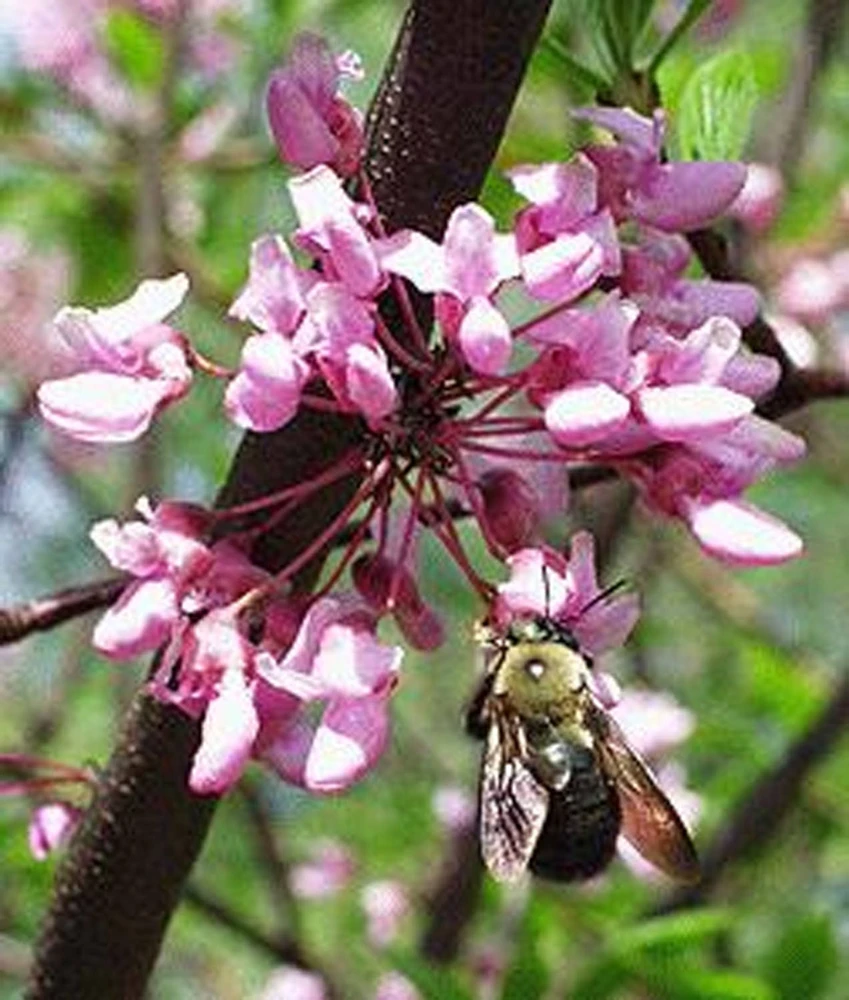
Eastern Redbud Tree Seeds – 5 Pack Cercis canadensis – Pink Purple Blossoms
Original price was: 44.91 $.15.91 $Current price is: 15.91 $.
Cultivate a beautiful native American tree with these Eastern Redbud seeds. Each pack contains 5 Cercis canadensis seeds, ready to grow into a stunning specimen featuring abundant pink and purple blossoms in spring. Ideal for creating a vibrant landscape.
Estimated arrival
Nov 26
Dec 01 - Dec 03
Dec 03 - Dec 08
See our Shipping Policy.
Get in touch with us via email, and our team will review your concerns.
Our Alive & Thrive Guarantee covers issues with your plants within the first 30 days. Read our Refund & Returns Policy.
-
USDA Hardiness Zone
USDA Hardiness Zones 4 to 9 -
Soil Type
Well-draining loamy soil -
Sunlight Exposure
Full sun to partial shade -
Expected Planting Period
Early spring after stratification
Overview
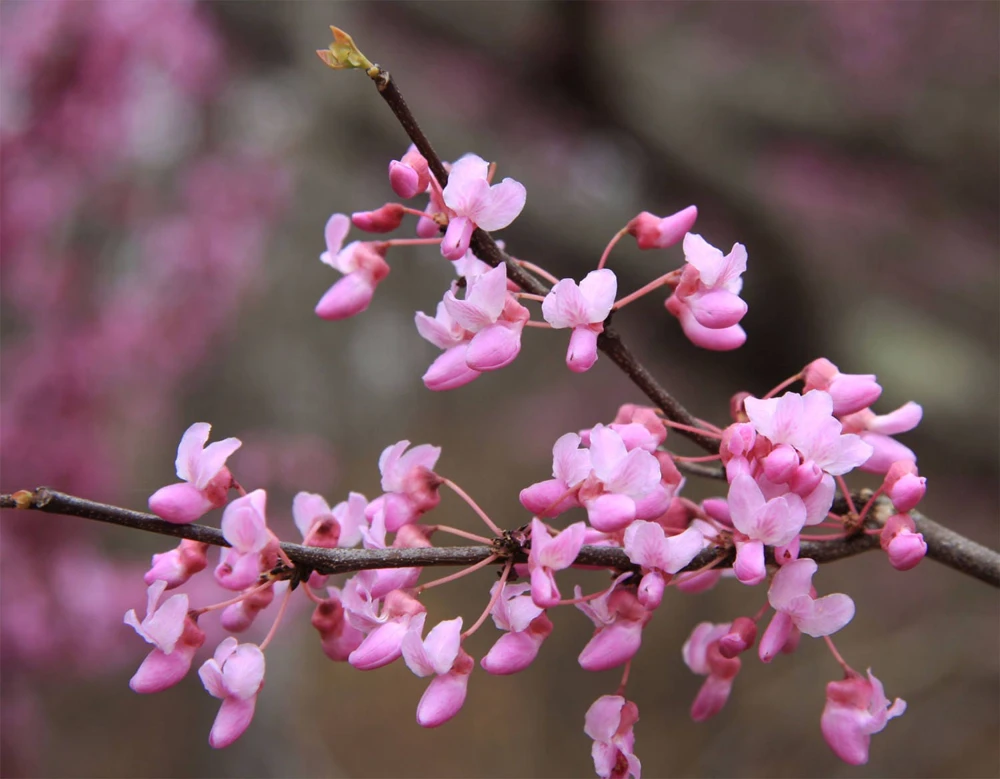
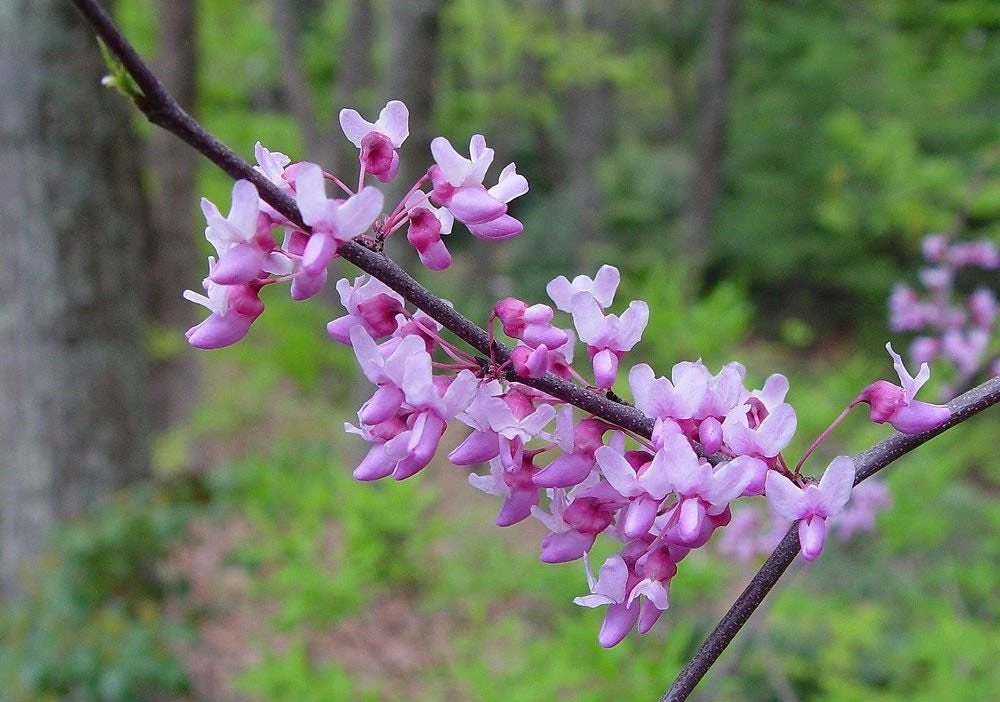
Embark on a rewarding gardening journey with our premium Eastern Redbud seeds. This offering provides you with 5 Cercis canadensis seeds, allowing you to cultivate one of North America’s most beloved native trees right in your own garden. The Eastern Redbud, also known as Canadian Redbud or sometimes the Judas Tree, is celebrated for its breathtaking display of delicate pink, purple, and lavender blossoms that adorn its branches in early spring, even before its heart-shaped leaves emerge. These vibrant flowers not only add a spectacular splash of color to your landscape but also serve as an important early nectar source for pollinators like bees. Growing a Cercis canadensis tree from seed is a fulfilling experience, offering the joy of nurturing a plant from its very beginning into a mature, beautiful specimen that will enhance your outdoor space for years to come.
Our Eastern Redbud seeds are carefully selected to ensure viability, providing you with the best possible start for your new tree. This deciduous tree is a fantastic choice for a variety of garden styles, from naturalized woodland settings to more formal landscapes, and it thrives across a wide range of climates. With its manageable size and stunning seasonal interest, the Eastern Redbud is a truly versatile and captivating addition to any garden.
Key Benefits
The Eastern Redbud offers a multitude of benefits, making it a highly desirable choice for gardeners and nature enthusiasts alike. Its striking beauty and ecological value contribute significantly to any outdoor space.
- Spectacular Spring Blooms: Enjoy a breathtaking display of pink, purple, and lavender flowers in early spring, providing one of the earliest and most vibrant color shows in the garden. These blossoms are a true harbinger of warmer weather.
- Attracts Pollinators: The early spring flowers are a vital food source for bees and other beneficial pollinators, supporting local ecosystems and encouraging biodiversity in your garden.
- Edible Flowers: The beautiful blossoms of the Cercis canadensis are not just for show; they can be eaten raw in salads or pickled, adding a unique, tart flavor and a pop of color to your culinary creations.
- Native American Tree: Planting an Eastern Redbud tree supports native wildlife and ecology, as it is a species indigenous to a wide range of the eastern and central United States.
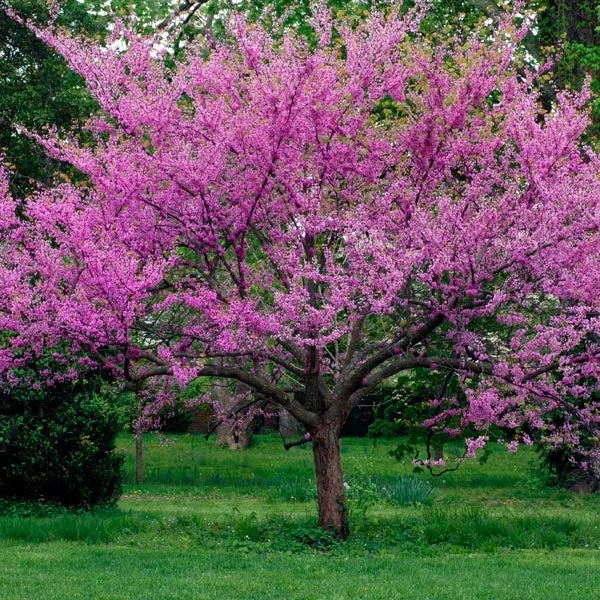
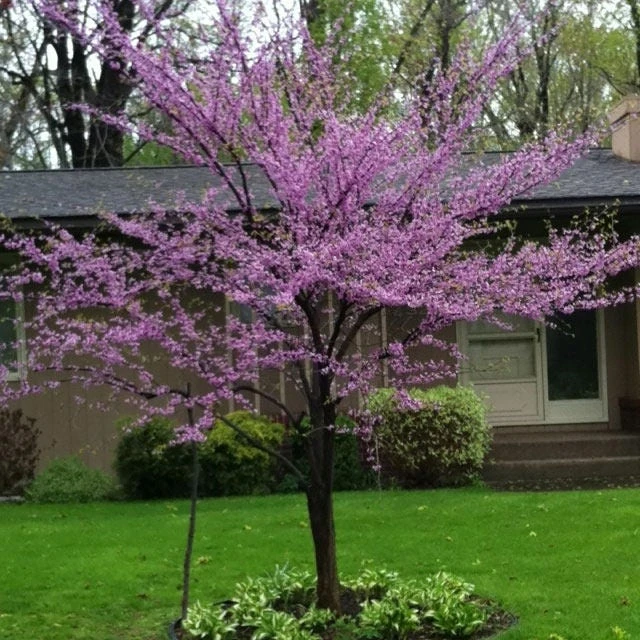
- Versatile Landscaping Tree: With its moderate size and attractive rounded canopy, the Eastern Redbud is suitable for various landscape applications, including specimen planting, understory tree, or even in groupings.
- Four-Season Interest: Beyond its spring flowers, the tree offers attractive heart-shaped leaves in summer, often turning yellow in fall, and an interesting branch structure in winter.
- Relatively Low Maintenance: Once established, this tree is quite resilient and requires minimal care, making it an excellent choice for both experienced and novice gardeners looking to grow Redbud tree.
Plant Care & Growing Tips
Successfully growing Eastern Redbud seeds requires a bit of patience and proper stratification, followed by suitable planting conditions. These seeds typically benefit from a period of both warm and cold stratification to break dormancy. Begin by soaking the seeds in warm water for 24 hours. Then, scarify the seeds by gently nicking the seed coat or rubbing them with sandpaper to allow water absorption. After scarification, provide warm stratification by placing the seeds in a moist medium (like peat moss or vermiculite) in a sealed bag at room temperature for 30-60 days. Follow this with cold stratification, moving the bag to a refrigerator (around 40°F or 4°C) for another 60-90 days.
Once stratified, plant the Cercis canadensis seeds about 1/4 to 1/2 inch deep in well-draining soil. A good potting mix for seedlings or a loamy garden soil amended with compost works well. The Eastern Redbud thrives in full sun to partial shade, ideally receiving at least 4-6 hours of direct sunlight per day. While young seedlings will need consistent moisture, established trees are quite drought-tolerant. Ensure the soil remains consistently moist but not waterlogged during the germination and early growth phases. Protect young seedlings from harsh winter conditions in their first year.
The Eastern Redbud tree is hardy in USDA Zones 4 to 9. It prefers well-drained soil, ranging from sandy to clay, but performs best in slightly acidic to neutral pH. Fertilization is generally not heavily required for established trees, but a balanced slow-release fertilizer can benefit young plants in their first few years. Watch out for common pests like leafhoppers or diseases like canker, ensuring good air circulation and appropriate watering practices to maintain a healthy tree. With these tips, you can successfully grow Redbud tree from seed.
Size & Details
Our offering includes 5 Cercis canadensis seeds, providing you with the opportunity to cultivate multiple beautiful Eastern Redbud trees. When mature, the Eastern Redbud tree typically reaches a height of 20 to 30 feet with a spread of 25 to 35 feet, forming an attractive rounded or vase-shaped canopy. It is considered a medium-sized deciduous tree with a moderate growth rate, adding about 13-24 inches of height per year. The flowers appear in clusters directly on the branches and even the trunk, creating a unique and stunning visual effect in early spring. The heart-shaped leaves emerge after the bloom, transitioning from reddish-purple to dark green in summer, and often turning yellow in the fall.
These seeds are an excellent way to start a new feature in your garden, offering a long-term investment in your landscape’s beauty and ecological health. The trees typically begin to flower within 4-7 years from seed, rewarding your patience with their spectacular display. Plant these pink flowering tree seeds to create a stunning focal point or an enchanting understory tree in your garden.
Frequently Asked Questions
- Q: How big does this plant get? A: A mature Eastern Redbud tree typically reaches a height of 20 to 30 feet with a spread of 25 to 35 feet, forming a beautiful rounded canopy. Its moderate size makes it suitable for various garden settings without overwhelming the space.
- Q: Is this an indoor or outdoor plant? A: The Cercis canadensis is an outdoor deciduous tree. While you can start the Eastern Redbud seeds indoors, the tree itself is meant to be planted and grown outdoors in your garden or landscape.
- Q: How much sunlight does it need? A: Eastern Redbuds prefer full sun to partial shade, meaning they thrive with at least 4-6 hours of direct sunlight per day. More sun generally leads to more abundant blooms.
- Q: Is this plant easy to care for? A: Once established, the Eastern Redbud tree is relatively low maintenance and quite resilient. The initial steps of germinating the Eastern Redbud seeds require attention to stratification, but mature trees are quite easy to care for.
- Q: What condition will the seeds arrive in? A: The seeds will arrive as dry, viable seeds, ready for you to begin the stratification and planting process. They are carefully packaged to maintain their quality during transit.
- Q: How long until it blooms? A: Eastern Redbud trees grown from seed typically begin to flower within 4 to 7 years after germination, rewarding your patience with their spectacular spring display.
- Q: Will it survive winter in my zone? A: Yes, the Eastern Redbud tree is quite cold hardy and is suitable for planting in USDA Hardiness Zones 4 to 9. It is well-adapted to surviving cold winters within this range.
- Q: Can I really eat the flowers of the Eastern Redbud? A: Absolutely! The vibrant pink, purple, and lavender flowers of the Cercis canadensis are edible and can be a delightful addition to salads or used as a garnish. They have a pleasant, slightly tart flavor.
- Q: What is the best time to plant Eastern Redbud seeds? A: After completing the necessary stratification, the best time to plant the seeds is in early spring, mimicking their natural germination cycle. This allows the seedlings to establish themselves during the growing season.
- Q: What type of soil does the Eastern Redbud prefer? A: The Eastern Redbud is adaptable to a range of well-drained soils, including sandy, loamy, or clay soils. It performs best in slightly acidic to neutral pH conditions. Good drainage is key for its health.
Be the first to review “Eastern Redbud Tree Seeds – 5 Pack Cercis canadensis – Pink Purple Blossoms”
Related products


Tree Seeds
Canino Olive Tree Seeds – 10 Pack Olea Europaea Canino for Edible Olives, Full Sun, Zones 9-11


You May Like

How to Grow Passion Flower (Passiflora) for Tropical Blooms
Few climbing vines in the home garden command attention quite like the exotic Passion Flower (Passiflora). [...]
Nov

Thanksgiving Cactus Care: How to Get Thanksgiving Cactus to Bloom
Is your Thanksgiving cactus growing well but not giving you any flowers? Maybe it looked [...]
Nov

How to Grow Garlic for a Bountiful Home Harvest
Garlic (Allium sativum) is one of the most satisfying, low-maintenance, and flavor-packed crops you can [...]
Oct

Hardneck vs. Softneck Garlic: Which Should You Grow?
Have you ever stood in front of a seed catalog in mid-September, staring at dozens [...]
1 Comment
Oct

When to Plant Music Garlic: Ultimate US Fall Guide
Have you ever spent your fall weekend placing carefully chosen garlic cloves into rich, dark [...]
1 Comment
Oct

5 Best Bulbs for Fall Planting: Brighten Your Garden This Spring
Are you dreaming of a garden full of vibrant colors in the spring? The key [...]
Aug

10 Houseplants That Will Thrive in Your Kitchen
Are you tired of your kitchen feeling dull and lifeless? Want to add a little [...]
1 Comment
Aug
Reviews
There are no reviews yet.