
Common Sunflower Seeds – 50 Pack – Helianthus annuus for Garden & Wildlife
Original price was: 48.91 $.19.91 $Current price is: 19.91 $.
Cultivate the iconic common sunflower seeds (Helianthus annuus) in your garden. This 50-seed pack provides everything you need to grow beautiful, towering sunflowers that enhance any landscape. Perfect for attracting pollinators and birds, these seeds are easy to plant and grow.
Estimated arrival
Nov 26
Dec 01 - Dec 03
Dec 03 - Dec 08
See our Shipping Policy.
Get in touch with us via email, and our team will review your concerns.
Our Alive & Thrive Guarantee covers issues with your plants within the first 30 days. Read our Refund & Returns Policy.
-
USDA Hardiness Zone
Annual in most zones, short-lived perennial in 6-9 -
Soil Type
Well-draining, sandy loam -
Sunlight Exposure
Full sun (6-8+ hours daily) -
Expected Planting Period
Late spring to early summer (after last frost)
Overview
Embark on a rewarding gardening journey with our premium common sunflower seeds. Each pack contains 50 high-quality seeds of Helianthus annuus, famously known as the Common Sunflower. These magnificent plants are celebrated for their towering stature, vibrant yellow petals, and large, seed-filled heads that track the sun across the sky. Originating from North America, the Common Sunflower is not only a symbol of summer and joy but also a powerhouse for wildlife, providing essential food for birds and beneficial insects. Whether you aim to create a stunning visual display, support local ecosystems, or harvest your own sunflower seeds, our common sunflower seeds offer an excellent starting point for gardeners of all experience levels.
The Helianthus annuus is a versatile plant, serving multiple purposes beyond its ornamental beauty. It is widely cultivated for its edible oils and nutritious seeds, which are a popular snack and a key ingredient in bird feed and livestock forage. As the state flower of Kansas, its robust nature and cheerful disposition make it a beloved addition to any garden. These seeds promise vigorous growth and a bountiful harvest, transforming your outdoor space into a lively haven.
Key Benefits
Planting common sunflower seeds offers a multitude of advantages for your garden and the local environment. These seeds develop into plants that provide significant ecological and aesthetic benefits:
- Stunning Visual Impact: Sunflowers grow tall and proud, creating an impressive backdrop or focal point in any garden with their large, bright yellow blooms. They are synonymous with summer and bring a cheerful, vibrant energy to your landscape.
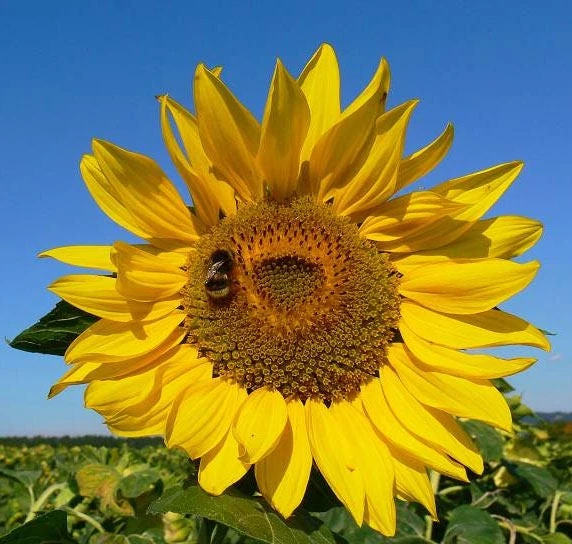
- Attracts Pollinators: The nectar and pollen-rich flowers are a magnet for bees, butterflies, and other beneficial pollinators, crucial for the health of your garden and broader ecosystem. Growing these sunflowers helps support local pollinator populations.
- Provides Wildlife Food: Once the flowers mature, their abundant seeds become a vital food source for various bird species, including finches, chickadees, and grosbeaks. You can enjoy watching birds feast directly from the flower heads.
- Supports Beneficial Insects: Helianthus annuus serves as a larval host for several butterfly and moth species, such as the Gorgone Checkerspot, Oblique-striped Emerald Moth, Bordered Patch, and Silvery Checkerspot, contributing to insect biodiversity.
- Edible & Versatile Harvest: The seeds are not only for wildlife; they can be harvested for human consumption, providing a nutritious snack, or pressed for their healthy oils. This makes sunflower seeds for planting a practical choice.
- Easy to Grow & Low Maintenance: Sunflowers are remarkably resilient and undemanding. They thrive in full sun and well-draining soil, making them an ideal choice for beginner gardeners or those seeking a low-effort, high-reward plant.
- Natural Privacy Screen: Due to their rapid growth and impressive height, sunflowers can be strategically planted to create temporary privacy screens or living fences, adding beauty and function to your outdoor space.
Plant Care & Growing Tips
Growing common sunflower seeds into magnificent plants is a straightforward and rewarding process. To ensure optimal growth and a spectacular display, follow these essential care and cultivation guidelines. Sunflowers are sun-loving plants, so choosing the right location is paramount. They require at least 6-8 hours of direct sunlight per day. Plant your seeds in a spot that receives full, unobstructed sun throughout the day for the best results. Insufficient sunlight can lead to leggy growth and fewer, smaller blooms.
When it comes to watering, sunflowers are drought-tolerant once established, but consistent moisture is crucial during their early growth stages. Water deeply and regularly, especially during dry spells, ensuring the soil remains moist but not waterlogged. As the plants mature, their deep taproots allow them to access water from deeper soil layers, reducing the need for frequent watering. Well-draining soil is essential to prevent root rot; sandy loam is ideal. An annual application of compost or a balanced slow-release fertilizer at planting time can provide the necessary nutrients for vigorous growth. While grow sunflowers from seed is generally easy, providing good soil conditions will yield the best results.
Sunflowers are typically grown as annuals in most climates, completing their life cycle within one growing season. However, in USDA Hardiness Zones 6 to 9, some varieties may behave as short-lived perennials, returning for a few years. Protect young seedlings from pests like birds and slugs, and consider staking taller varieties in windy areas to prevent breakage. Monitoring for common sunflower diseases like powdery mildew or rust and addressing them promptly will help maintain plant health. These tips will help you successfully grow sunflowers from seed and enjoy their beauty all season long.
Size & Details
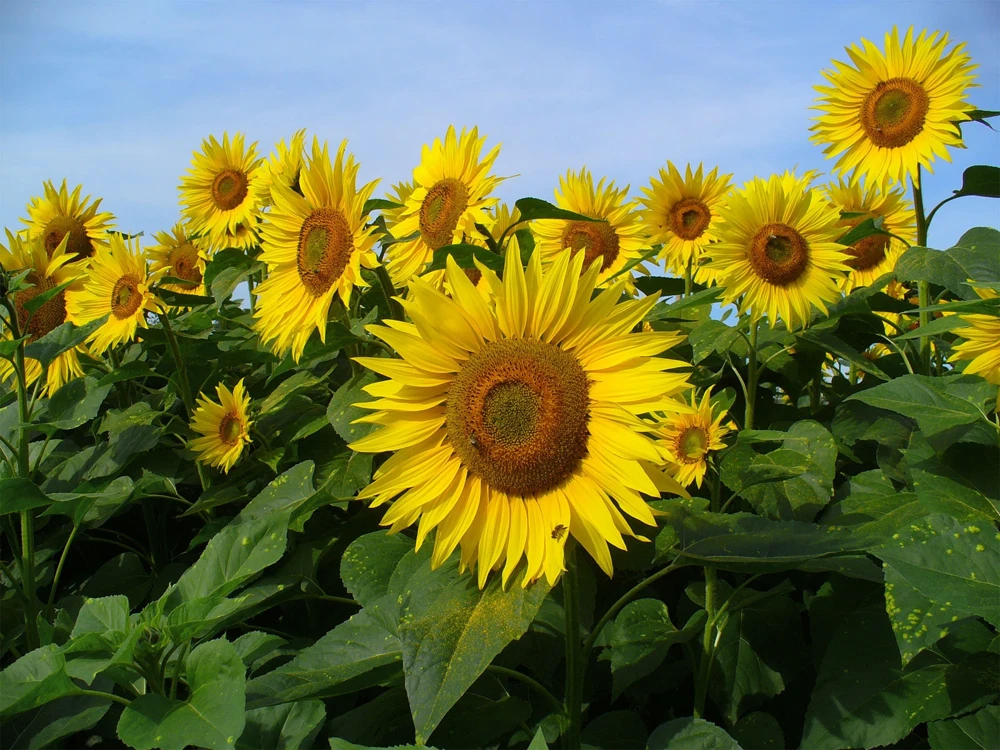
Our common sunflower seeds are selected for their high germination rates and potential to produce robust plants. Each pack contains 50 seeds, providing ample opportunity to cultivate a beautiful sunflower patch or border. Helianthus annuus plants typically grow quite tall, reaching heights of 5 to 10 feet, with some varieties even exceeding 12 feet under ideal conditions. The flower heads can range from 6 to 12 inches in diameter, creating a dramatic visual impact.
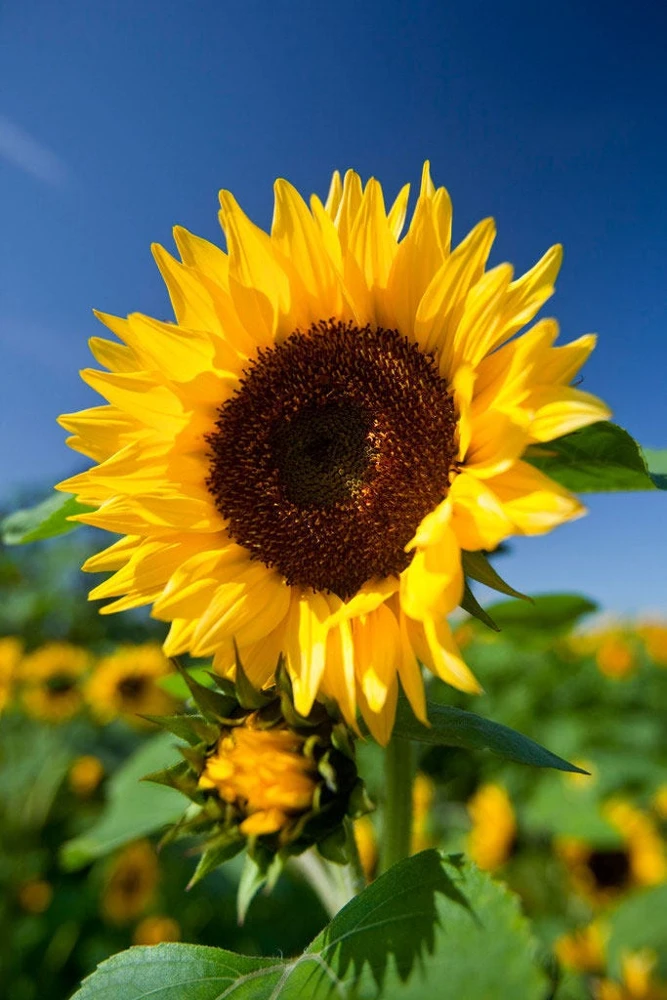
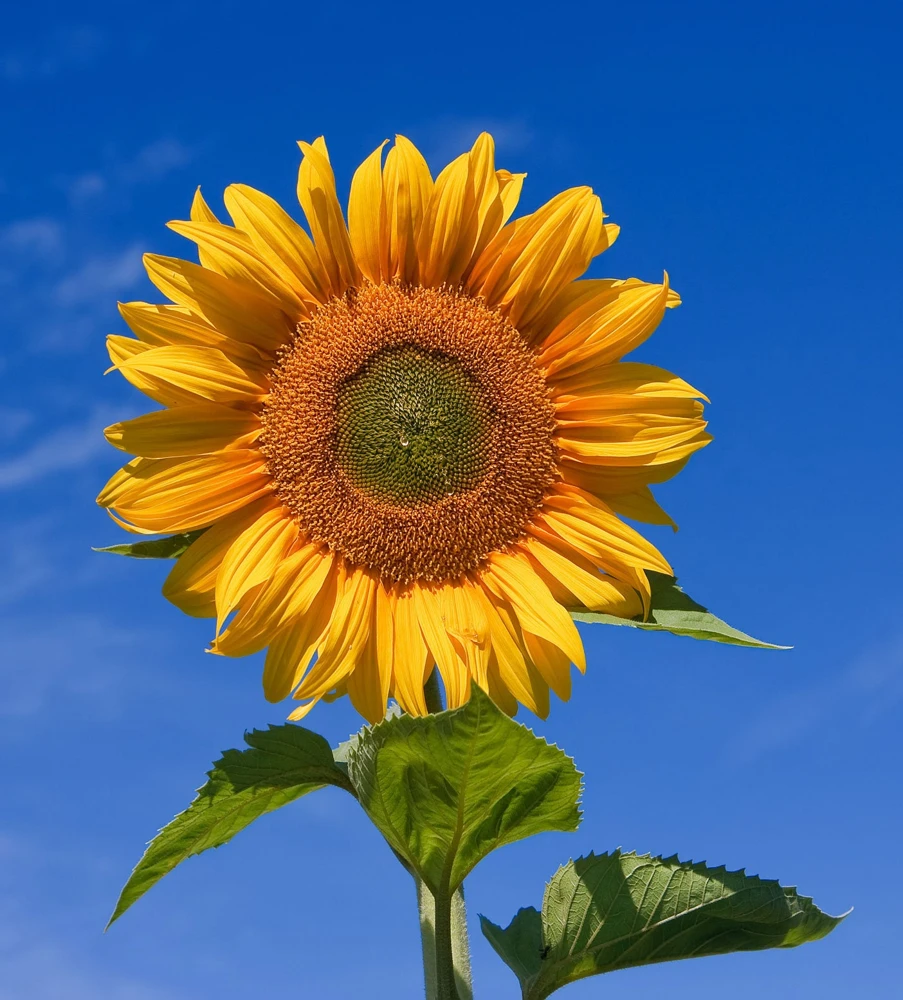
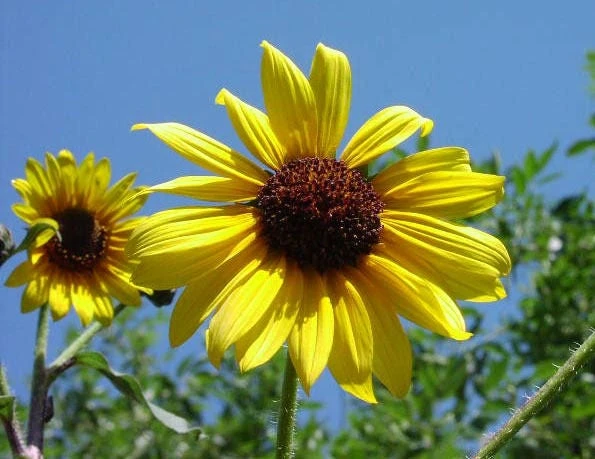
These seeds are suitable for direct sowing outdoors after the last frost, typically in late spring to early summer. Sunflowers have a relatively fast growth rate, with plants often reaching maturity and blooming within 70 to 100 days from planting, depending on the variety and growing conditions. The seeds are shipped in a protective packet, ensuring their viability upon arrival. Expect a vibrant display of yellow petals surrounding a dark brown center, teeming with developing seeds. These are excellent giant sunflower seeds for those looking for impressive garden features.
Frequently Asked Questions
- Q: How big do these common sunflower plants get? A: Our common sunflower seeds typically grow into plants that reach heights of 5 to 10 feet, with some varieties potentially growing even taller, up to 12 feet or more, under optimal conditions. The flower heads themselves can be 6 to 12 inches across.
- Q: Is this an indoor or outdoor plant? A: Common sunflowers are primarily outdoor plants. They require a significant amount of direct sunlight and space to grow to their full potential. While you can start them indoors, they should be transplanted outside once the risk of frost has passed.
- Q: How much sunlight do these sunflower seeds need? A: Sunflowers are sun-worshippers! They need at least 6 to 8 hours of direct sunlight per day to thrive and produce large, healthy blooms. Choose the sunniest spot in your garden for planting these helianthus annuus seeds.
- Q: Is this plant easy to care for? A: Yes, common sunflowers are considered relatively easy to care for, making them suitable for beginner gardeners. They are quite resilient, drought-tolerant once established, and require minimal intervention once they get going, especially if you grow sunflowers from seed directly.
- Q: What condition will the seeds arrive in? A: Your sunflower seeds for planting will arrive in a well-sealed, protective packet designed to maintain their viability and freshness. They are ready for planting upon arrival.
- Q: How long until the sunflowers bloom? A: From the time of planting, common sunflowers typically take between 70 to 100 days to reach maturity and begin blooming. This can vary slightly depending on the specific variety and your local growing conditions.
- Q: Will these sunflowers attract birds and pollinators? A: Absolutely! These common sunflower seeds will grow into plants that are excellent for attracting a variety of pollinators like bees and butterflies, and their mature seeds are a favorite food source for many bird species.
- Q: When is the best time to plant common sunflower seeds? A: The best time to plant common sunflower seeds is after all danger of frost has passed in your area, typically in late spring or early summer. The soil should be warm enough for germination.
- Q: What type of soil do sunflowers prefer? A: Sunflowers prefer well-draining soil, ideally a sandy loam. They can tolerate a range of soil types but will not do well in heavy, waterlogged clay. Ensuring good drainage is key.
- Q: Can I save seeds from these sunflowers for next year? A: Yes, you can typically save seeds from the mature sunflower heads to plant the following year, though the resulting plants may not be identical to the parent if other sunflower varieties were nearby.
Be the first to review “Common Sunflower Seeds – 50 Pack – Helianthus annuus for Garden & Wildlife”
Related products


You May Like

How to Grow Passion Flower (Passiflora) for Tropical Blooms
Few climbing vines in the home garden command attention quite like the exotic Passion Flower (Passiflora). [...]
Nov

Thanksgiving Cactus Care: How to Get Thanksgiving Cactus to Bloom
Is your Thanksgiving cactus growing well but not giving you any flowers? Maybe it looked [...]
Nov

How to Grow Garlic for a Bountiful Home Harvest
Garlic (Allium sativum) is one of the most satisfying, low-maintenance, and flavor-packed crops you can [...]
Oct

Hardneck vs. Softneck Garlic: Which Should You Grow?
Have you ever stood in front of a seed catalog in mid-September, staring at dozens [...]
1 Comment
Oct

When to Plant Music Garlic: Ultimate US Fall Guide
Have you ever spent your fall weekend placing carefully chosen garlic cloves into rich, dark [...]
1 Comment
Oct

5 Best Bulbs for Fall Planting: Brighten Your Garden This Spring
Are you dreaming of a garden full of vibrant colors in the spring? The key [...]
Aug

10 Houseplants That Will Thrive in Your Kitchen
Are you tired of your kitchen feeling dull and lifeless? Want to add a little [...]
1 Comment
Aug
Reviews
There are no reviews yet.