
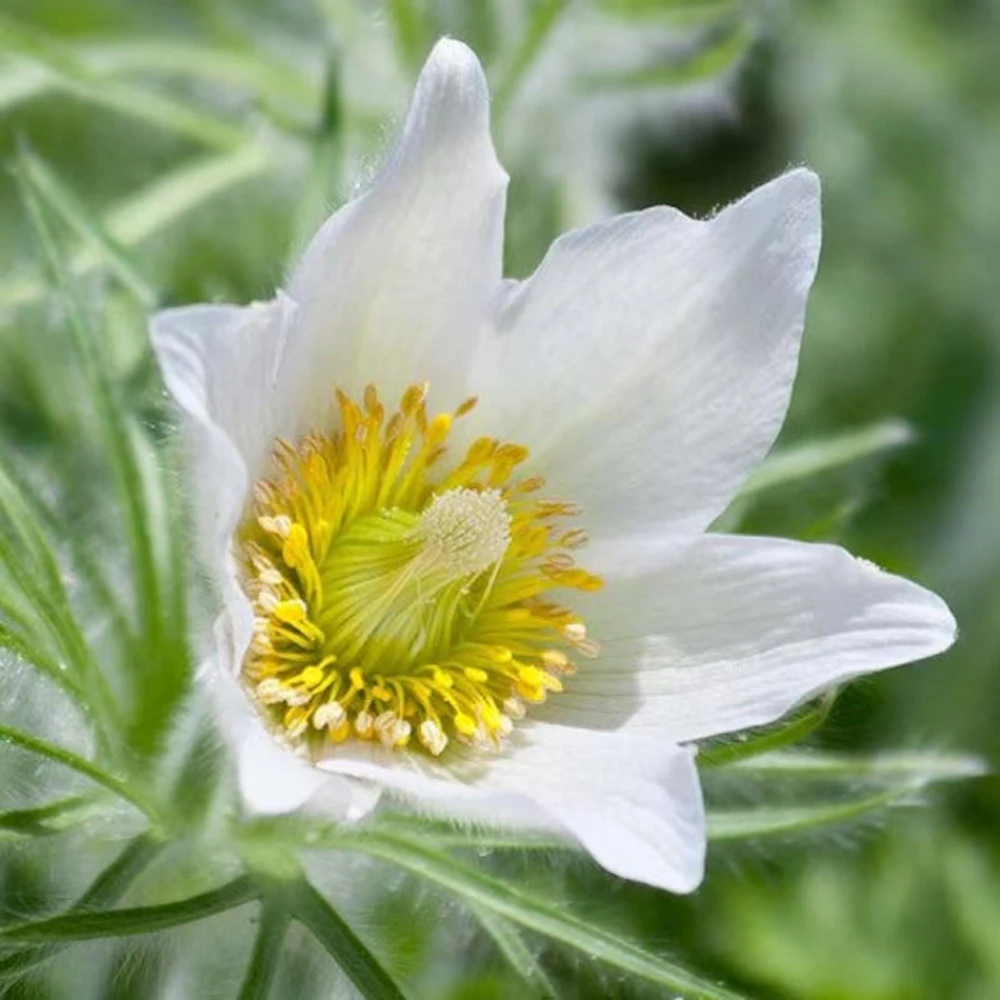
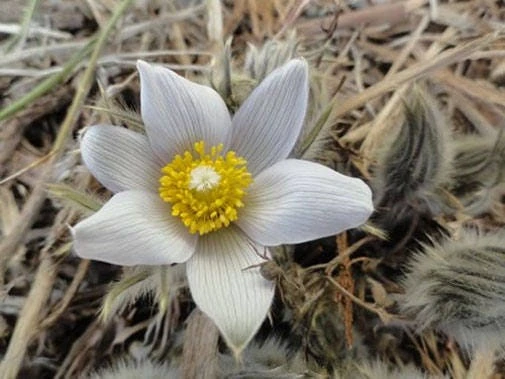
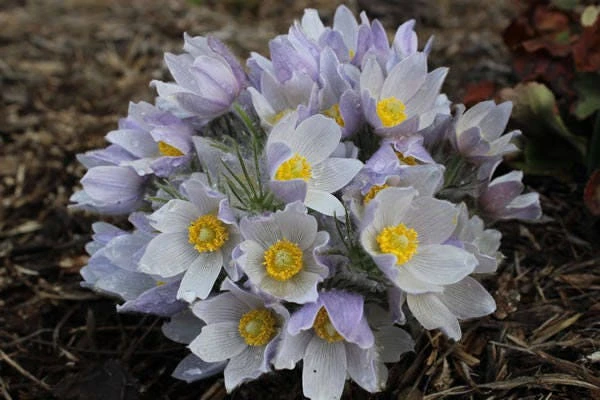
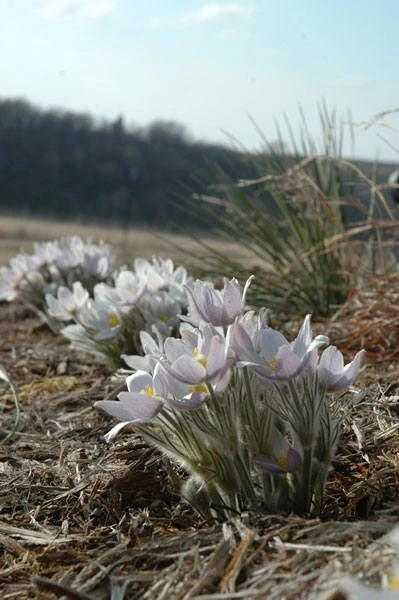
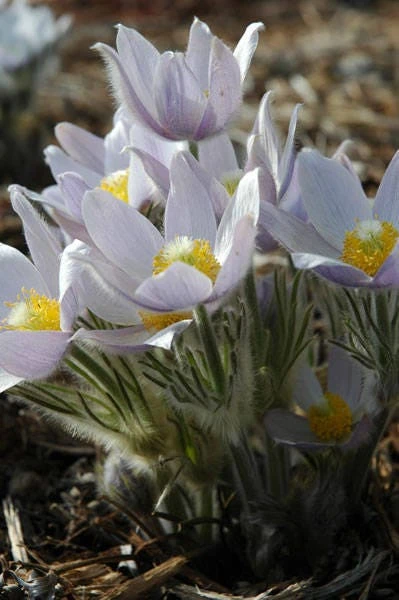
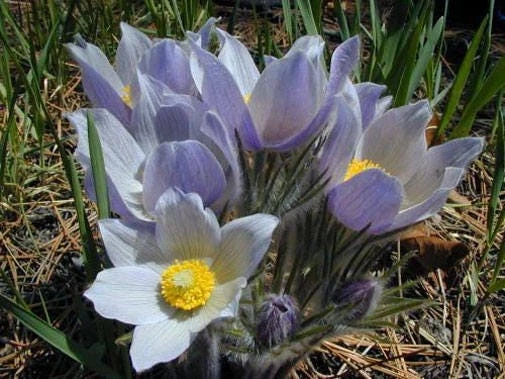
Pasque Flower Seeds – Anemone patens var. wolfgangiana – 10 Seeds – Purple Blooms
Original price was: 44.91 $.15.91 $Current price is: 15.91 $.
Cultivate stunning Pasque Flower seeds for your garden. Also known as Anemone patens var. wolfgangiana, these 10 seeds will grow into beautiful plants with vibrant purple blossoms, thriving in USDA Zones 4-9 with full sun to partial shade.
Estimated arrival
Nov 28
Dec 03 - Dec 05
Dec 05 - Dec 10
See our Shipping Policy.
Get in touch with us via email, and our team will review your concerns.
Our Alive & Thrive Guarantee covers issues with your plants within the first 30 days. Read our Refund & Returns Policy.
-
USDA Hardiness Zone
4-9 -
Soil Type
Well-draining, sandy or gravelly loam -
Sunlight Exposure
Full sun to partial shade -
Expected Planting Period
Late fall or early spring
Overview
Discover the joy of growing your own Pasque Flower seeds with this convenient pack of 10 seeds. Scientifically known as Anemone patens var. wolfgangiana, this enchanting perennial is a true harbinger of spring, often blooming even before the last snow melts. Also affectionately called Prairie Crocus, May Day Flower, Meadow Anemone, Easter Flower, Wind Flower, and Crocus Anemone, this plant holds a special place in the hearts of many, even serving as the state flower of South Dakota. These seeds offer a wonderful opportunity to cultivate a hardy and beautiful plant that will add early-season color to your landscape. With its delicate purple blossoms, the Pasque Flower is a captivating addition to rock gardens, borders, or naturalized areas, promising a delightful display year after year.
Our Anemone patens var. wolfgangiana seeds are carefully selected to ensure high viability, providing you with the best chance for successful germination. Growing to a modest height of up to 6 inches, these plants are perfect for adding texture and early bloom interest without overwhelming other garden features. The resilient nature of the Pasque Flower makes it an excellent choice for gardeners looking for low-maintenance yet visually rewarding plants. Prepare to be charmed by the intricate beauty and early appearance of these lovely purple flowers.
Key Benefits
Growing Pasque Flower seeds offers numerous advantages, from their early blooming period to their hardiness and unique aesthetic appeal. These benefits make them a favored choice for many gardeners:
- Early Spring Blooms: The Pasque Flower is one of the first plants to bloom in late winter to mid-summer, providing much-needed color and cheer when most of the garden is still dormant. Its vibrant purple blossoms are a welcome sight.
- Hardy & Resilient: Thriving in USDA Hardiness Zones 4 to 9, this plant is incredibly tough and can withstand cold temperatures, making it suitable for a wide range of climates. This ensures your Anemone patens var. wolfgangiana will return reliably each year.
- Low Maintenance: Once established, Pasque Flower seeds grow into plants that require minimal care. They are drought-tolerant and generally resistant to pests and diseases, perfect for busy gardeners.
- Pollinator Friendly: The early blooms of the Pasque Flower provide a vital nectar source for early-emerging pollinators, helping to support local ecosystems.
- Versatile Landscaping: Its compact size and preference for full sun to partial shade make it ideal for rock gardens, alpine gardens, borders, or naturalized prairie settings. You can easily incorporate these Prairie Crocus seeds into various garden designs.
- Unique Aesthetic: The distinctive cup-shaped purple flowers, often fuzzy stems, and feathery seed heads add unique textural and visual interest to the garden throughout its growing season.
- Symbolic Value: Known by names like Easter Flower and May Day Flower, it carries cultural significance and represents the arrival of spring and renewal.
Plant Care & Growing Tips
Successfully cultivating Pasque Flower seeds requires understanding their specific needs to ensure robust growth and abundant blooms. These plants prefer a site with good drainage and ample sunlight. For best results, sow the seeds in late fall or early spring, as they often benefit from a period of cold stratification to break dormancy. Once established, Pasque Flowers are remarkably self-sufficient, requiring minimal intervention.
Regarding sunlight, Anemone patens var. wolfgangiana thrives in full sun to partial shade. In hotter climates, a little afternoon shade can be beneficial to protect the plant from intense heat. They prefer well-draining soil that is not overly rich. Sandy or gravelly loam is ideal, mimicking their natural prairie habitat. Avoid heavy, waterlogged soils, as this can lead to root rot. Watering should be moderate; allow the soil to dry out between waterings, especially after the plant has established. During dry spells, occasional deep watering will be appreciated. Fertilization is generally not necessary, particularly in average garden soil. If your soil is very poor, a light application of a balanced, slow-release fertilizer in early spring can be beneficial. These plants are quite hardy, capable of enduring temperatures down to USDA Zone 4. Pests and diseases are rarely an issue, making the purple Pasque Flower a low-trouble addition to your garden.
Size & Details
This offering includes 10 seeds of Anemone patens var. wolfgangiana, ready for you to plant and nurture. Once mature, the Pasque Flower typically grows to a height of approximately 6 inches, forming a compact and attractive clump. The plant’s spread is generally modest, making it suitable for smaller garden spaces or as an accent in larger landscapes. These seeds will develop into plants that showcase lovely purple blossoms, adding a serene touch to your garden from late winter through mid-summer. The growth rate is moderate, with flowering usually occurring in the second year after planting from seed. Expect to enjoy the unique charm of these May Day Flower seeds for many seasons to come, as they are long-lived perennials.
Frequently Asked Questions
- Q: How big does this plant get? A: The Pasque Flower typically grows to a compact height of up to 6 inches tall, making it an excellent choice for rock gardens, front borders, or containers. Its spread is also modest, forming neat clumps.
- Q: Is this an indoor or outdoor plant? A: The Anemone patens var. wolfgangiana is an outdoor plant, well-suited for garden beds, rockeries, and naturalized areas. It thrives in full sun to partial shade conditions outdoors.
- Q: How much sunlight does it need? A: This plant prefers full sun to partial shade. In regions with intense summer heat, some afternoon shade can help protect the delicate blooms and foliage.
- Q: Is this plant easy to care for? A: Yes, the Pasque Flower is considered a low-maintenance plant once established. It’s drought-tolerant and generally resistant to pests and diseases, making it suitable for beginner gardeners.
- Q: When is the best time to plant these seeds? A: It is best to plant Pasque Flower seeds in late fall or early spring. They often benefit from a period of cold stratification, which can be achieved by planting them before winter or by artificially stratifying them.
- Q: What condition will the seeds arrive in? A: You will receive 10 high-quality, viable seeds, carefully packaged to ensure their safe arrival and readiness for planting.
- Q: Will it survive winter in my zone? A: Yes, the purple Pasque Flower is very hardy and thrives in USDA Hardiness Zones 4 to 9, meaning it can withstand cold winter temperatures in these regions.
- Q: What are some other names for Pasque Flower? A: Besides Anemone patens var. wolfgangiana, it is also known as Prairie Crocus, May Day Flower, Meadow Anemone, Easter Flower, Wind Flower, and Crocus Anemone.
- Q: Do these seeds need any special treatment before planting? A: While not strictly necessary, cold stratification can significantly improve germination rates for Prairie Crocus seeds. This can be done naturally outdoors over winter or artificially in a refrigerator.
- Q: What kind of soil does it prefer? A: The Pasque Flower prefers well-draining soil, such as sandy or gravelly loam. It does not tolerate heavy, waterlogged conditions, which can lead to root rot.
Be the first to review “Pasque Flower Seeds – Anemone patens var. wolfgangiana – 10 Seeds – Purple Blooms”
Related products


You May Like

How to Grow Passion Flower (Passiflora) for Tropical Blooms
Few climbing vines in the home garden command attention quite like the exotic Passion Flower (Passiflora). [...]
Nov

Thanksgiving Cactus Care: How to Get Thanksgiving Cactus to Bloom
Is your Thanksgiving cactus growing well but not giving you any flowers? Maybe it looked [...]
Nov

How to Grow Garlic for a Bountiful Home Harvest
Garlic (Allium sativum) is one of the most satisfying, low-maintenance, and flavor-packed crops you can [...]
Oct

Hardneck vs. Softneck Garlic: Which Should You Grow?
Have you ever stood in front of a seed catalog in mid-September, staring at dozens [...]
1 Comment
Oct

When to Plant Music Garlic: Ultimate US Fall Guide
Have you ever spent your fall weekend placing carefully chosen garlic cloves into rich, dark [...]
1 Comment
Oct

5 Best Bulbs for Fall Planting: Brighten Your Garden This Spring
Are you dreaming of a garden full of vibrant colors in the spring? The key [...]
Aug

10 Houseplants That Will Thrive in Your Kitchen
Are you tired of your kitchen feeling dull and lifeless? Want to add a little [...]
1 Comment
Aug
Reviews
There are no reviews yet.