

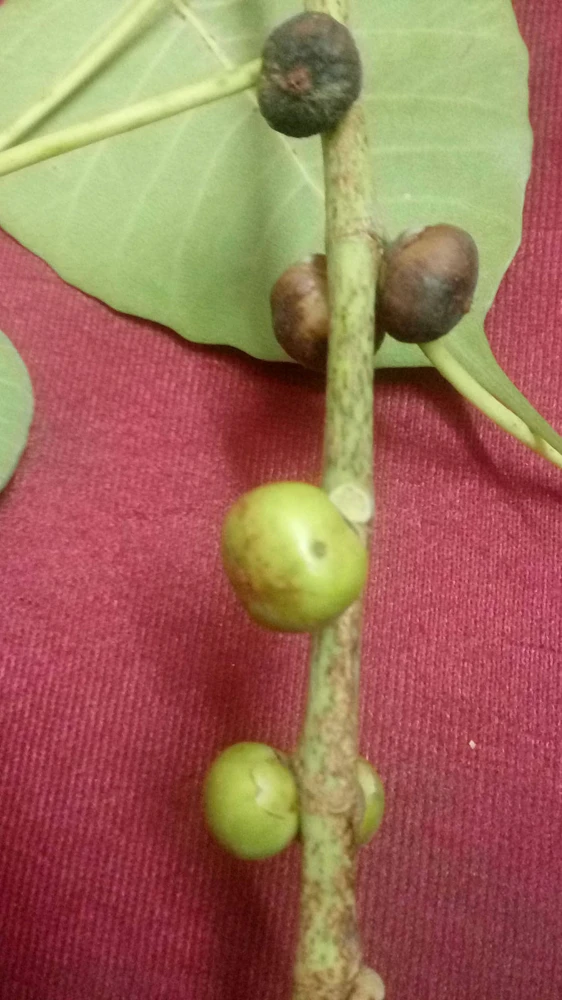
Sacred Fig Seeds – Ficus religiosa Bodhi Tree Seeds – 500 Count – Outdoor Tree
Original price was: 48.91 $.19.91 $Current price is: 19.91 $.
Cultivate the revered sacred fig seeds (Ficus religiosa), also known as Bodhi Tree or Peepal Tree. This pack contains 500 high-quality seeds to start your own majestic shade tree. Ideal for warm climates, attracting diverse wildlife.
Estimated arrival
Nov 26
Dec 01 - Dec 03
Dec 03 - Dec 08
See our Shipping Policy.
Get in touch with us via email, and our team will review your concerns.
Our Alive & Thrive Guarantee covers issues with your plants within the first 30 days. Read our Refund & Returns Policy.
-
USDA Hardiness Zone
10 to 11 -
Soil Type
Well-draining, rich in organic matter -
Sunlight Exposure
Full sun -
Expected Planting Period
Year-round indoors; Spring outdoors (in suitable zones)
Overview
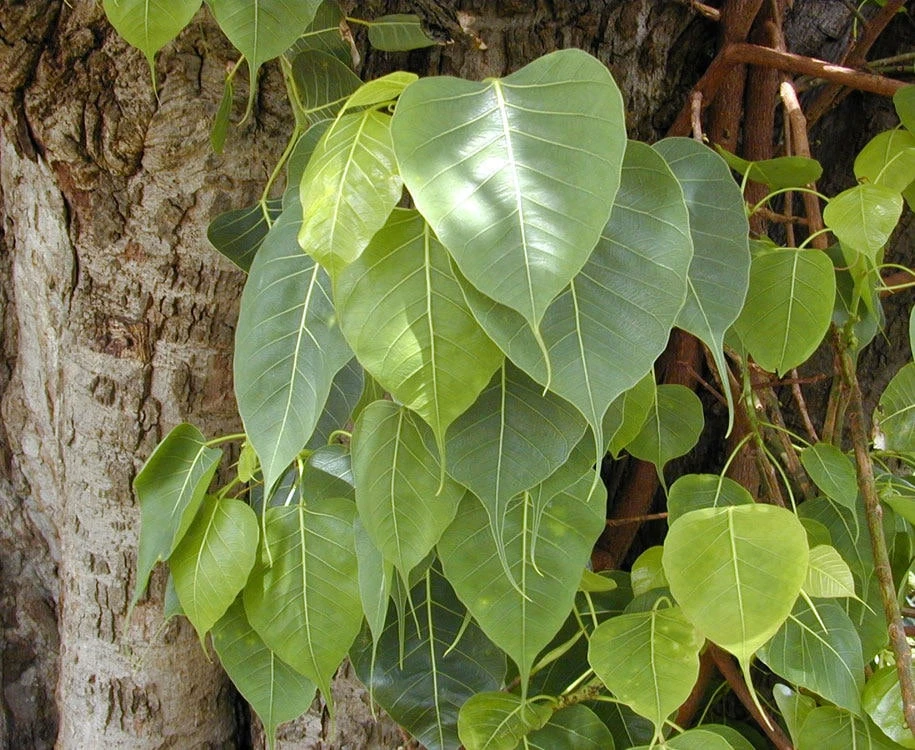
Embark on a journey to cultivate a legendary tree with these premium sacred fig seeds. Also known as the Bodhi Tree, Pippala Tree, Peepul Tree, Peepal Tree, or Ashwattha Tree, Ficus religiosa holds immense cultural and historical significance across various traditions. These seeds offer the opportunity to grow a majestic tree that can reach up to 100 feet tall, becoming a focal point in any suitable landscape. The sacred fig is renowned for its distinctive heart-shaped leaves that shimmer and move even in the slightest breeze, creating a captivating visual effect. Growing this tree from sacred fig seeds is a rewarding experience, connecting you to nature’s profound beauty and historical legacy. It’s a fantastic choice for those looking to create a grand, long-lived specimen tree in their garden.
Each packet contains 500 viable ficus religiosa seeds, providing ample opportunity for successful germination and growth. The resulting trees are known for their rapid growth in ideal conditions, quickly developing into impressive specimens. These seeds are perfect for gardeners, spiritual practitioners, or anyone fascinated by unique and culturally rich plant species. The sacred fig is not just a tree; it’s a living monument, offering shade, beauty, and a habitat for local wildlife. Start your own living legend today with these exceptional bodhi tree seeds.
Key Benefits
Growing the sacred fig from seeds offers numerous benefits, from its striking appearance to its ecological contributions. This revered tree is a wonderful addition to any large garden or landscape:
- Historical and Spiritual Significance: The Bodhi Tree is deeply revered in several cultures and religions, making it a powerful symbol of enlightenment and peace. Cultivating it brings a sense of historical connection and spiritual depth to your space.
- Majestic Landscape Specimen: With its potential to grow over 100 feet tall, the sacred fig creates an imposing and beautiful focal point. Its wide canopy provides excellent shade, perfect for large yards or public spaces.
- Attracts Pollinators and Wildlife: This tree is a magnet for local biodiversity. It attracts a wide variety of bees, birds, and butterflies, contributing to the ecological health of your garden and supporting local wildlife populations.
- Unique Leaf Movement: The leaves of the Ficus religiosa are famous for their continuous movement, even in still air. This peculiar trait adds a dynamic and mesmerizing element to the tree’s appearance, making it a constant source of fascination.
- Larval Host Plant: The sacred fig serves as a larval host for the Fig sphinx moth, supporting the lifecycle of this interesting insect and further enhancing your garden’s biodiversity.
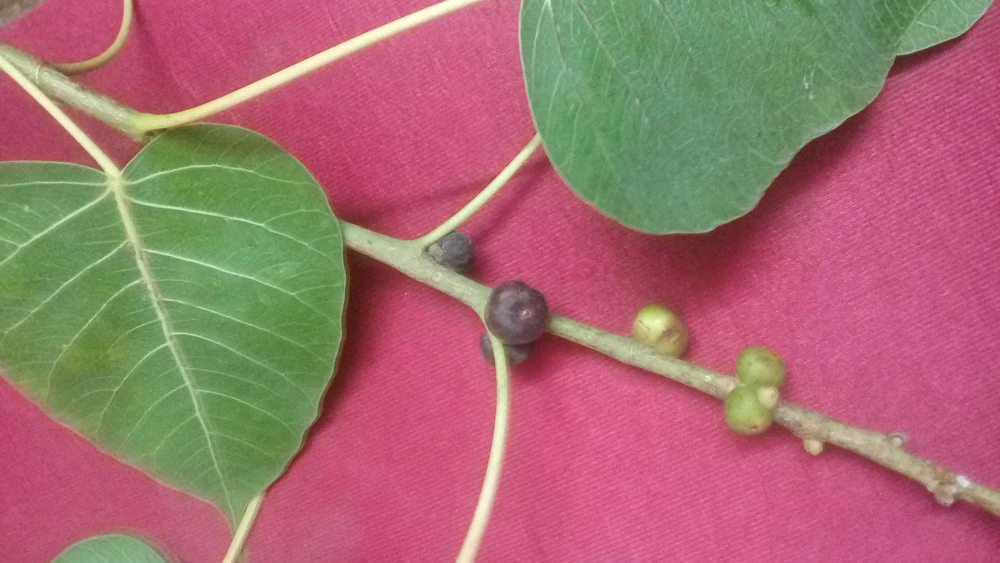
- Chartreuse to Yellow Blossoms: While not the most showy, the tree produces subtle yet attractive chartreuse, yellow, and green blossoms from late winter to early spring, adding seasonal interest.
- Resilience and Longevity: Once established, the sacred fig is a robust and long-lived tree, providing beauty and benefits for generations. These sacred fig seeds can start a legacy.
Plant Care & Growing Tips
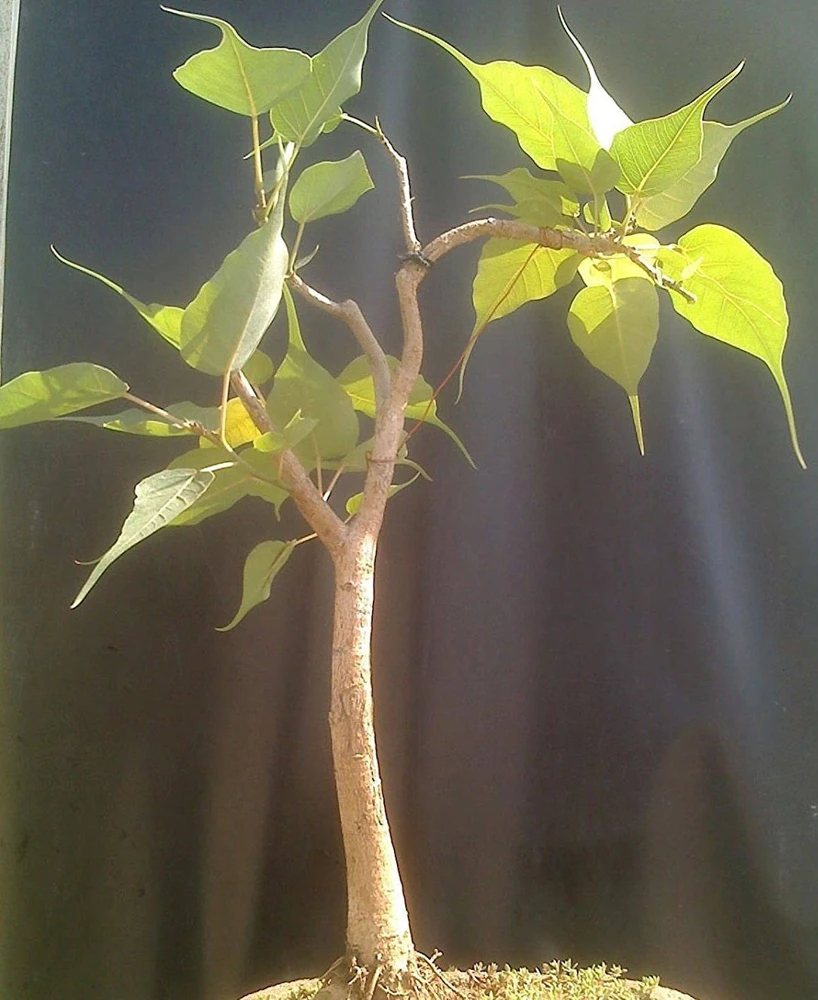
Successful germination of sacred fig seeds and subsequent growth requires attention to specific conditions. Begin by scarifying the seeds lightly with sandpaper or nicking them with a small knife, then soak them in warm water for 24-48 hours to aid germination. Plant the seeds in a well-draining seed-starting mix, just barely covering them with soil. Maintain a warm environment (around 75-85°F or 24-29°C) and consistent moisture. A humidity dome can be beneficial. Germination can be erratic, taking anywhere from a few weeks to several months, so patience is key when growing sacred fig.
Once seedlings emerge, provide them with plenty of bright, indirect light. Gradually acclimate them to direct sunlight as they grow larger. The sacred fig thrives in full sun conditions once mature, requiring at least 6-8 hours of direct sunlight per day to develop robustly. It prefers consistently moist, but not waterlogged, soil. A well-draining soil rich in organic matter is ideal. For established trees, deep watering is preferred, allowing the top few inches of soil to dry out slightly between waterings. Fertilize young trees with a balanced liquid fertilizer every 2-4 weeks during the growing season, reducing frequency as they mature. The peepal tree seeds will grow into trees that are generally resilient but can be susceptible to common fig pests like scale or spider mites if stressed. Ensure good air circulation and proper watering to prevent issues.
The Ficus religiosa is a tropical to subtropical tree, best suited for USDA Hardiness Zones 10 to 11. In cooler climates, it can be grown in large containers and brought indoors during winter, or cultivated as a greenhouse specimen. Protect young plants from frost. Pruning can be done to shape the tree and remove any dead or damaged branches, ideally during its dormant period or after flowering. With proper care, your bodhi tree seeds will develop into a magnificent and healthy tree.
Size & Details
This offering includes 500 sacred fig seeds, providing a generous quantity for successful germination and cultivation. Each seed has the potential to grow into a truly monumental tree. In ideal conditions, the Ficus religiosa can reach heights of up to 100 feet (30 meters) with a broad, spreading canopy, making it suitable for large landscapes where it has ample space to mature. The growth rate is moderate to fast, especially in warm, humid climates with consistent moisture and nutrients. Young seedlings will grow several inches in their first year, steadily increasing their growth rate as they establish their root system. The trees typically begin to produce their characteristic chartreuse, yellow, and green blossoms from late winter until early spring once they reach a certain level of maturity, usually several years after planting.
These ficus religiosa seeds are shipped as dry, viable seeds, ready for your planting efforts. They are ideal for direct sowing in suitable climates or for starting indoors in controlled environments before transplanting. The mature tree provides significant shade and becomes a prominent feature in any garden. Expect a long-term commitment when planting these trees, as they are known for their longevity and impressive size, becoming a cherished part of your landscape for decades.
Frequently Asked Questions
- Q: How big does this plant get? A: The sacred fig seeds can grow into trees that reach impressive heights of up to 100 feet (30 meters) with a wide canopy, making them very large shade trees suitable for expansive landscapes.
- Q: Is this an indoor or outdoor plant? A: The Ficus religiosa is primarily an outdoor tree, thriving in tropical and subtropical climates (USDA Zones 10-11). In colder regions, young plants can be grown indoors in large pots and moved outside during warm months, or cultivated in a greenhouse.
- Q: How much sunlight does it need? A: Once established, the sacred fig requires full sun, meaning at least 6-8 hours of direct sunlight per day, to grow vigorously and healthily. Young seedlings can benefit from bright, indirect light initially.
- Q: Is this plant easy to care for? A: While germinating bodhi tree seeds requires some patience and specific conditions, established sacred fig trees are relatively low-maintenance in their preferred climate, needing consistent watering and full sun.
- Q: What condition will the seeds arrive in? A: The peepal tree seeds will arrive as dry, viable seeds, carefully packaged to ensure their quality and readiness for planting.
- Q: How long until it blooms? A: Sacred fig trees typically begin to produce their subtle chartreuse, yellow, and green blossoms once they reach maturity, which can take several years from seed, depending on growing conditions.
- Q: Will it survive winter in my zone? A: The sacred fig is hardy in USDA Zones 10 to 11. If you are in a colder zone, it will not survive winter outdoors and will need protection from frost or to be grown as a container plant moved indoors.
- Q: What is the best time to plant these seeds? A: For optimal germination, it’s best to start ficus religiosa seeds indoors in a controlled environment with consistent warmth, which can be done year-round. If direct sowing in suitable climates, spring after the last frost is ideal.
- Q: What kind of soil does it prefer? A: The sacred fig thrives in well-draining soil that is rich in organic matter. A good quality potting mix for seedlings and loamy garden soil for established trees is recommended.
- Q: Why are the leaves always moving? A: The continuous movement of the sacred fig’s leaves, even in still air, is due to the unique structure of its leaf petioles (stems), which are long, slender, and flexible, allowing them to flutter easily.
Be the first to review “Sacred Fig Seeds – Ficus religiosa Bodhi Tree Seeds – 500 Count – Outdoor Tree”
Related products


You May Like

How to Grow Passion Flower (Passiflora) for Tropical Blooms
Few climbing vines in the home garden command attention quite like the exotic Passion Flower (Passiflora). [...]
Nov

Thanksgiving Cactus Care: How to Get Thanksgiving Cactus to Bloom
Is your Thanksgiving cactus growing well but not giving you any flowers? Maybe it looked [...]
Nov

How to Grow Garlic for a Bountiful Home Harvest
Garlic (Allium sativum) is one of the most satisfying, low-maintenance, and flavor-packed crops you can [...]
Oct

Hardneck vs. Softneck Garlic: Which Should You Grow?
Have you ever stood in front of a seed catalog in mid-September, staring at dozens [...]
1 Comment
Oct

When to Plant Music Garlic: Ultimate US Fall Guide
Have you ever spent your fall weekend placing carefully chosen garlic cloves into rich, dark [...]
1 Comment
Oct

5 Best Bulbs for Fall Planting: Brighten Your Garden This Spring
Are you dreaming of a garden full of vibrant colors in the spring? The key [...]
Aug

10 Houseplants That Will Thrive in Your Kitchen
Are you tired of your kitchen feeling dull and lifeless? Want to add a little [...]
1 Comment
Aug
Reviews
There are no reviews yet.