
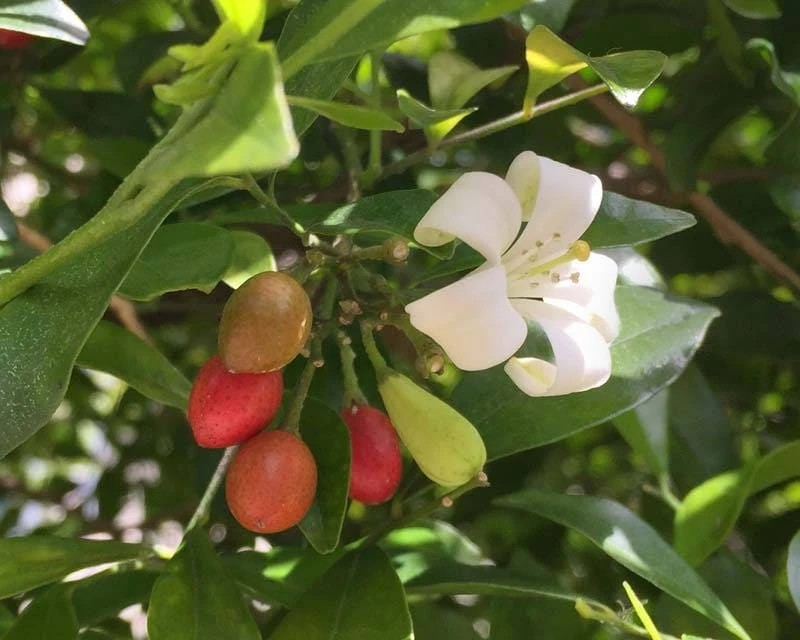
Murraya paniculata Seeds – Mock Orange Jasmine – 10 Seeds – Fragrant Shrub
Original price was: 48.91 $.19.91 $Current price is: 19.91 $.
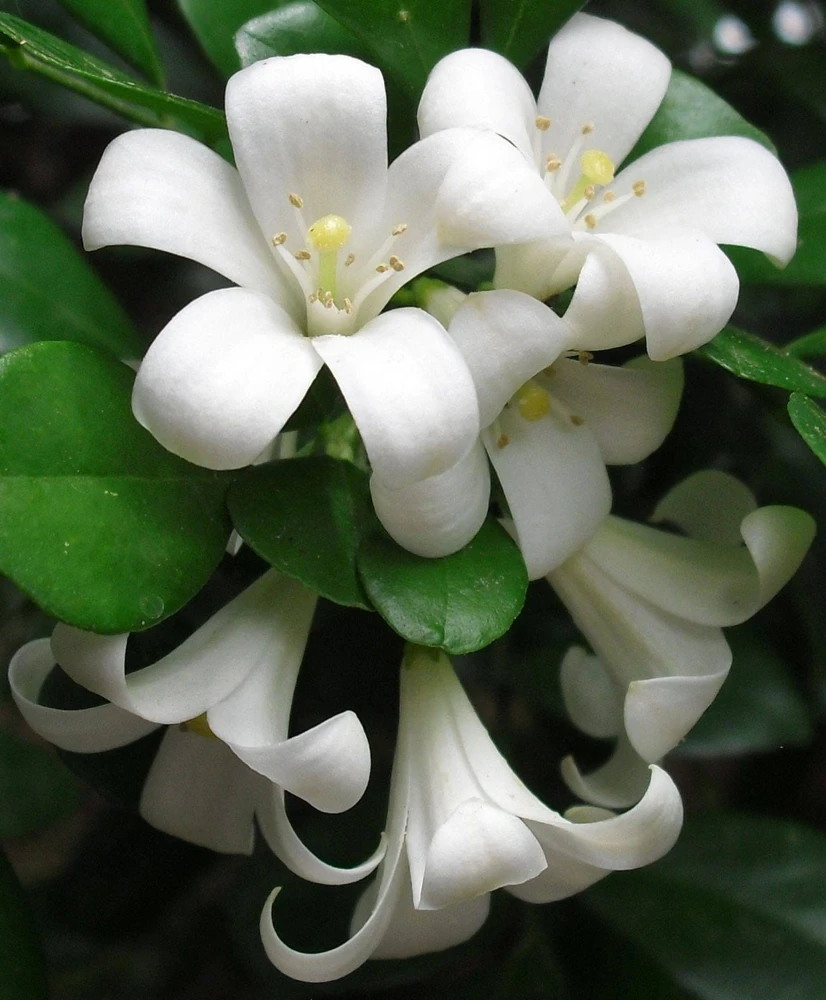
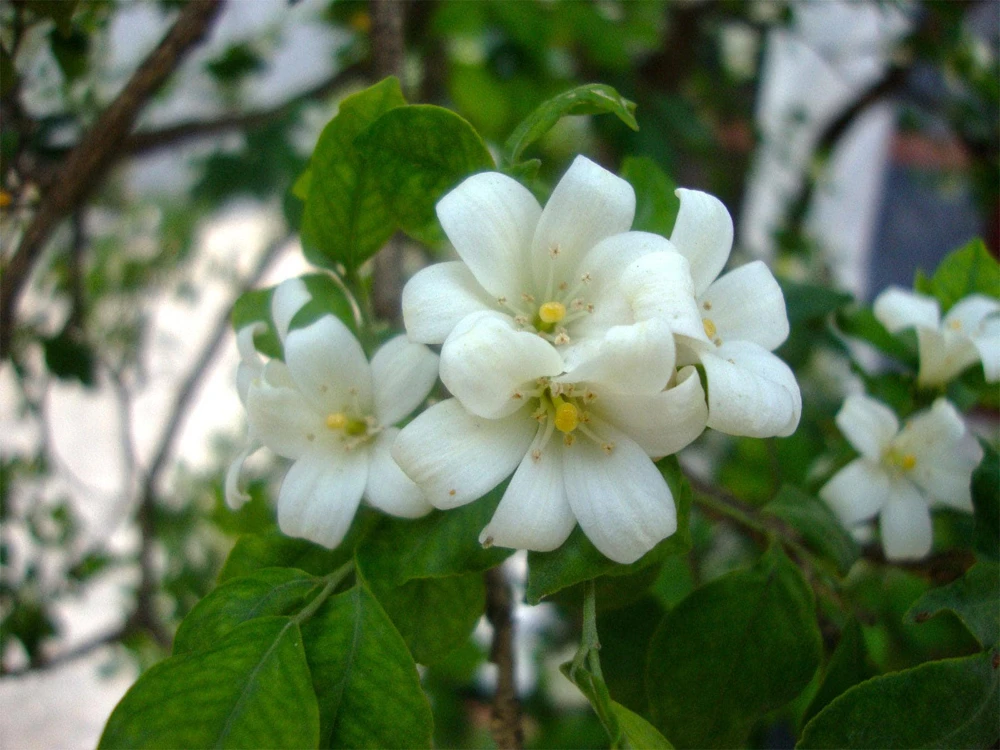
Cultivate the beautiful murraya paniculata seeds, also known as mock orange jasmine seeds. These seeds grow into elegant shrubs featuring fragrant white flowers, attracting bees and butterflies. Perfect for USDA Zones 9-11.
Estimated arrival
Nov 26
Dec 01 - Dec 03
Dec 03 - Dec 08
See our Shipping Policy.
Get in touch with us via email, and our team will review your concerns.
Our Alive & Thrive Guarantee covers issues with your plants within the first 30 days. Read our Refund & Returns Policy.
-
USDA Hardiness Zone
USDA zones 9 to 11 -
Soil Type
Well-draining, fertile soil -
Sunlight Exposure
Full sun to partial shade -
Expected Planting Period
Spring to early summer
Overview
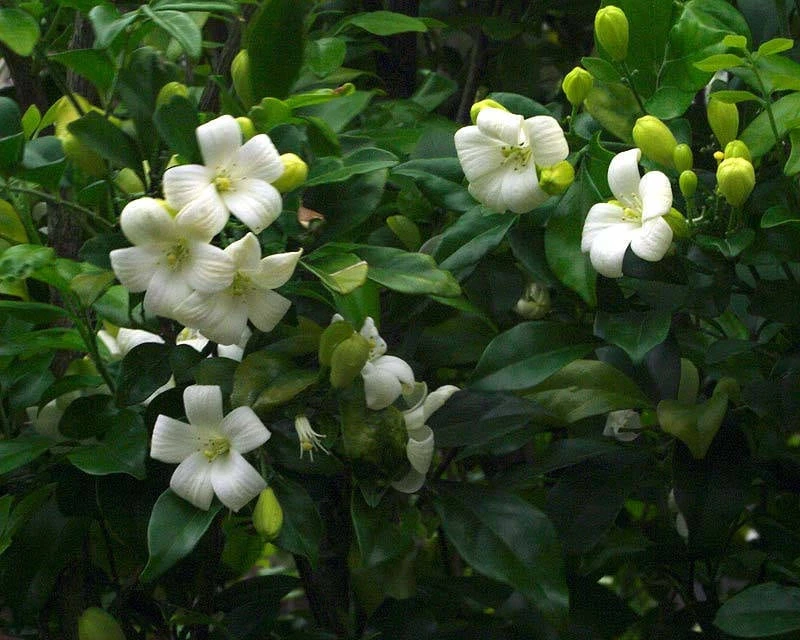
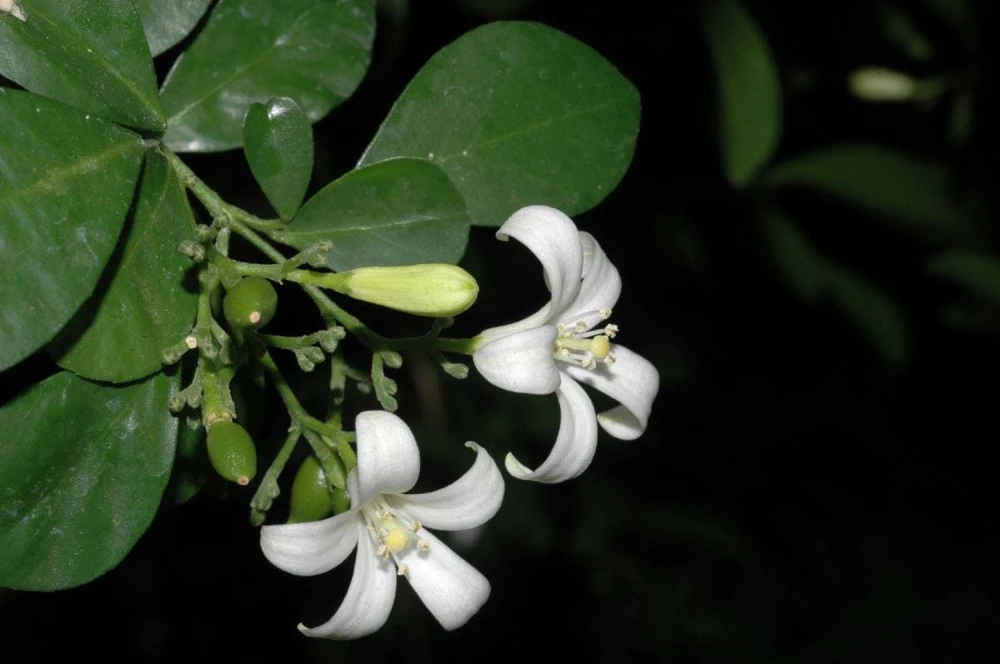
Embark on a rewarding gardening journey with these premium murraya paniculata seeds. Also widely recognized as Mock Orange Jasmine, Orange Jasmine, or Satinwood, this plant is celebrated for its exquisite beauty and delightful fragrance. These seeds offer the opportunity to cultivate a stunning shrub that will transform your garden into a fragrant haven. The Murraya paniculata is a versatile plant, often grown for its ornamental value, featuring glossy green foliage and clusters of small, highly scented white flowers. Beyond its aesthetic appeal, it produces small orange and red fruits, adding seasonal interest to your landscape. This plant is a fantastic choice for attracting a diverse range of pollinators, including bees, birds, and butterflies, contributing to a vibrant and healthy ecosystem in your outdoor space.
Growing to an impressive height of up to 20 feet, the Mock Orange Jasmine can be cultivated as a standalone specimen, a hedge, or even trained as a small tree. Its adaptability to various light conditions, from full sun to partial shade, makes it a suitable option for many garden designs. The ease of growing from murraya paniculata seeds provides a cost-effective and satisfying way to introduce this magnificent plant into your garden. Whether you are an experienced gardener or just starting, these seeds promise a rewarding experience as you watch your fragrant shrub flourish.
Key Benefits
Introducing the murraya paniculata seeds into your garden brings a multitude of advantages, enhancing both the beauty and biodiversity of your outdoor living space. These seeds offer a unique opportunity to grow a plant known for several desirable characteristics:
- Aromatic White Flowers: Enjoy an abundance of intensely fragrant white flowers that bloom profusely, filling your garden with a sweet, citrus-like aroma, reminiscent of true orange blossoms. This makes it an ideal choice for planting near patios or windows.
- Pollinator Magnet: The delicate flowers are a strong attractant for various pollinators, including bees, butterflies, and even some bird species, helping to support local ecosystems and improve garden health.
- Ornamental Appeal: With its dense, evergreen foliage and elegant growth habit, the plant cultivated from mock orange jasmine seeds provides year-round visual interest and can serve as an attractive hedge, screen, or specimen plant.
- Edible Berries: The small, ornamental orange and red berries that follow the flowers are not only attractive but are also edible, though generally not consumed in large quantities. They add an extra layer of seasonal charm.
- Adaptable Growth: This robust plant thrives in a range of light conditions, from full sun to partial shade, offering flexibility in placement within your garden design.
- Low Maintenance: Once established, the Orange Jasmine is relatively low-maintenance, requiring minimal care to flourish, making it suitable for busy gardeners.
- Versatile Landscaping: Its ability to be pruned into various shapes and sizes allows for diverse landscaping uses, from formal hedges to informal shrub borders, or even as a potted plant in larger containers.
Plant Care & Growing Tips
Cultivating a thriving plant from your murraya paniculata seeds requires attention to a few key care guidelines. This plant, also known as orange jasmine plant, is relatively hardy but will perform best with proper conditions. For optimal growth, choose a location that receives full sun to partial shade. In hotter climates, some afternoon shade can be beneficial to protect the plant from intense heat and prevent leaf scorch. Aim for at least 4-6 hours of direct sunlight daily for the best flowering.
When it comes to watering, the Murraya paniculata prefers consistently moist, but not waterlogged, soil. Water regularly, especially during dry periods and when the plant is young and establishing its root system. Allow the top inch or two of soil to dry out slightly between waterings. Good drainage is crucial to prevent root rot. For soil type, a well-draining, fertile soil rich in organic matter is ideal. A slightly acidic to neutral pH (6.0-7.0) is preferred. Incorporating compost or well-rotted manure into the planting hole can greatly improve soil structure and nutrient content.
This fragrant shrub is hardy in USDA Hardiness Zones 9 to 11, meaning it can tolerate mild frosts but will require protection or be grown in containers and brought indoors in colder regions. Fertilize your plant in spring and late summer with a balanced, slow-release granular fertilizer or a liquid feed at half strength. Pruning can be done to maintain shape, size, and encourage bushier growth, typically after the main flowering period. Watch out for common pests like scale insects and mealybugs, and treat with horticultural oil or insecticidal soap if necessary. Proper care ensures a lush and fragrant satinwood plant care experience.
Size & Details
These murraya paniculata seeds offer the potential to grow a significant and beautiful shrub. Once mature, the Murraya paniculata typically reaches a height of 10 to 20 feet with a similar spread, depending on growing conditions and pruning. Its growth rate is moderate, allowing it to establish itself well within a few seasons. The seeds are provided in a pack of 10, giving you a good start for establishing multiple plants or ensuring successful germination. The plant develops a strong root system, supporting its dense, evergreen foliage and abundant blooms. Expect flowering to begin once the plant is a few years old and well-established, usually in late spring through summer, with sporadic blooms throughout the year in warmer climates. The small, oval berries mature in late summer to fall, adding another layer of visual appeal. These seeds are a fantastic way to introduce a long-lasting, fragrant, and attractive element to your landscape.
Frequently Asked Questions
- Q: How big does the Orange Jasmine plant get? A: The orange jasmine plant can grow quite large, typically reaching heights of 10 to 20 feet and spreading equally wide. Its ultimate size can be managed through regular pruning to fit your garden space.
- Q: How much sunlight does Murraya paniculata need? A: This plant thrives in full sun to partial shade. For the best flowering performance, aim for at least 4-6 hours of direct sunlight daily. In very hot climates, partial afternoon shade is beneficial.
- Q: Is this plant easy to care for? A: Yes, the fragrant shrub seeds are relatively easy to grow and the resulting plant is low-maintenance once established. It requires consistent watering, well-draining soil, and occasional fertilization to flourish.
- Q: When is the best time to plant Murraya paniculata seeds? A: The best time to sow mock orange jasmine seeds is typically in spring or early summer, after the last frost date. This allows the seedlings ample time to establish before cooler weather.
- Q: Will the Mock Orange Jasmine attract pollinators? A: Absolutely! The highly fragrant white flowers of the Mock Orange Jasmine are a strong attractant for a variety of pollinators, including bees, butterflies, and even some hummingbirds, making it a great addition to a pollinator garden.
- Q: What USDA Hardiness Zones are suitable for this plant? A: Murraya paniculata is suitable for USDA Hardiness Zones 9 to 11. In colder zones, it can be grown in containers and overwintered indoors or treated as an annual.
- Q: What type of soil does the Satinwood plant prefer? A: The satinwood plant care involves well-draining, fertile soil rich in organic matter. A slightly acidic to neutral pH is ideal for healthy growth and abundant blooms.
Be the first to review “Murraya paniculata Seeds – Mock Orange Jasmine – 10 Seeds – Fragrant Shrub”
Related products


Shrub Seeds
Golden Currant Shrub Seeds – 20 Count – Edible Black Fruit, Yellow Flowers, Ribes Aureum


You May Like

How to Grow Passion Flower (Passiflora) for Tropical Blooms
Few climbing vines in the home garden command attention quite like the exotic Passion Flower (Passiflora). [...]
Nov

Thanksgiving Cactus Care: How to Get Thanksgiving Cactus to Bloom
Is your Thanksgiving cactus growing well but not giving you any flowers? Maybe it looked [...]
Nov

How to Grow Garlic for a Bountiful Home Harvest
Garlic (Allium sativum) is one of the most satisfying, low-maintenance, and flavor-packed crops you can [...]
Oct

Hardneck vs. Softneck Garlic: Which Should You Grow?
Have you ever stood in front of a seed catalog in mid-September, staring at dozens [...]
1 Comment
Oct

When to Plant Music Garlic: Ultimate US Fall Guide
Have you ever spent your fall weekend placing carefully chosen garlic cloves into rich, dark [...]
1 Comment
Oct

5 Best Bulbs for Fall Planting: Brighten Your Garden This Spring
Are you dreaming of a garden full of vibrant colors in the spring? The key [...]
Aug

10 Houseplants That Will Thrive in Your Kitchen
Are you tired of your kitchen feeling dull and lifeless? Want to add a little [...]
1 Comment
Aug
Reviews
There are no reviews yet.