
Kigelia africana Sausage Tree Seeds – 10 Seeds for Unique African Gardens
Original price was: 48.91 $.19.91 $Current price is: 19.91 $.
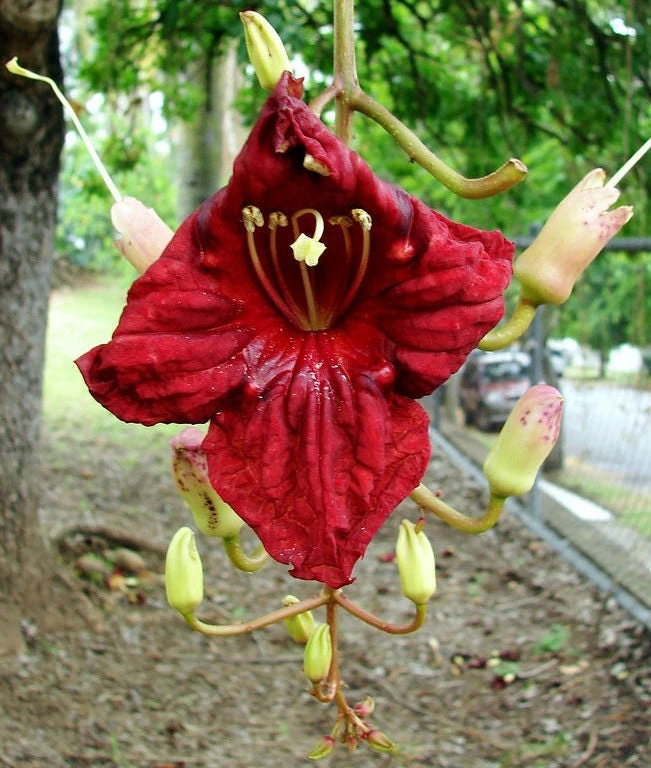
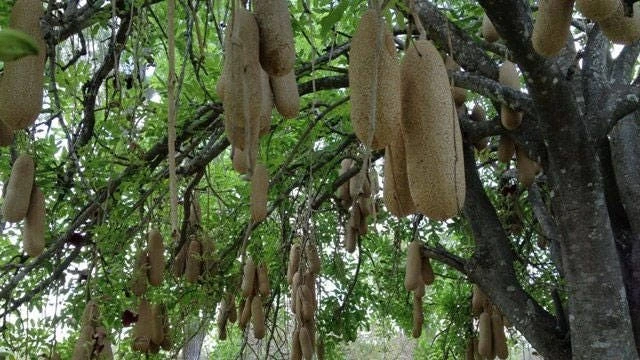
Cultivate the distinctive Kigelia africana seeds, also known as the Sausage Tree seeds, and bring an exotic touch to your garden. These 10 seeds will grow into a tree featuring stunning red blossoms and unique fruit. Perfect for gardeners seeking a conversation piece, thriving in full sun within USDA Zones 10b-11. Start your journey to growing an African Sausage Tree today.
Estimated arrival
Nov 26
Dec 01 - Dec 03
Dec 03 - Dec 08
See our Shipping Policy.
Get in touch with us via email, and our team will review your concerns.
Our Alive & Thrive Guarantee covers issues with your plants within the first 30 days. Read our Refund & Returns Policy.
-
USDA Hardiness Zone
10b-11 -
Soil Type
Well-draining loam -
Sunlight Exposure
Full sun -
Expected Planting Period
Year-round in warm climates
Overview
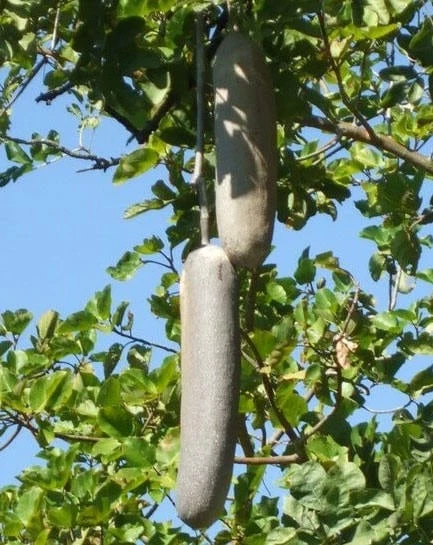
Embark on a fascinating horticultural journey by growing your very own Kigelia africana seeds. Also widely recognized as the Sausage Tree, African Sausage Tree, German Sausage Tree, or Cucumber Tree, this remarkable species is a true botanical wonder. Originating from Africa, it is revered not only for its striking appearance but also for its cultural significance. Each packet contains 10 high-quality seeds, providing you with the opportunity to cultivate a tree that will undoubtedly become a focal point in your landscape. The Kigelia africana is known for its impressive size and the peculiar, sausage-shaped fruits that hang from its branches, making it an unforgettable addition to any garden or botanical collection. This unique tree thrives in warm climates and offers a blend of beauty, intrigue, and cultural heritage.
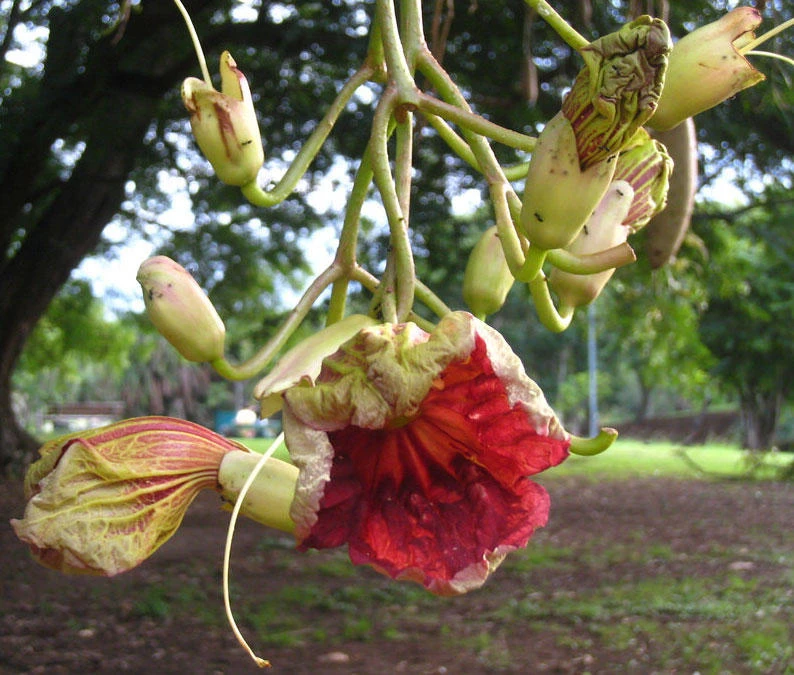
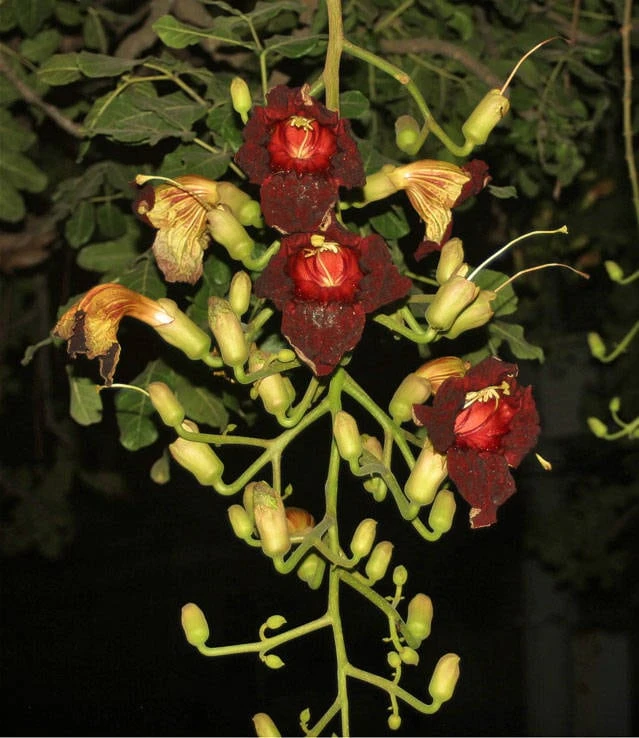
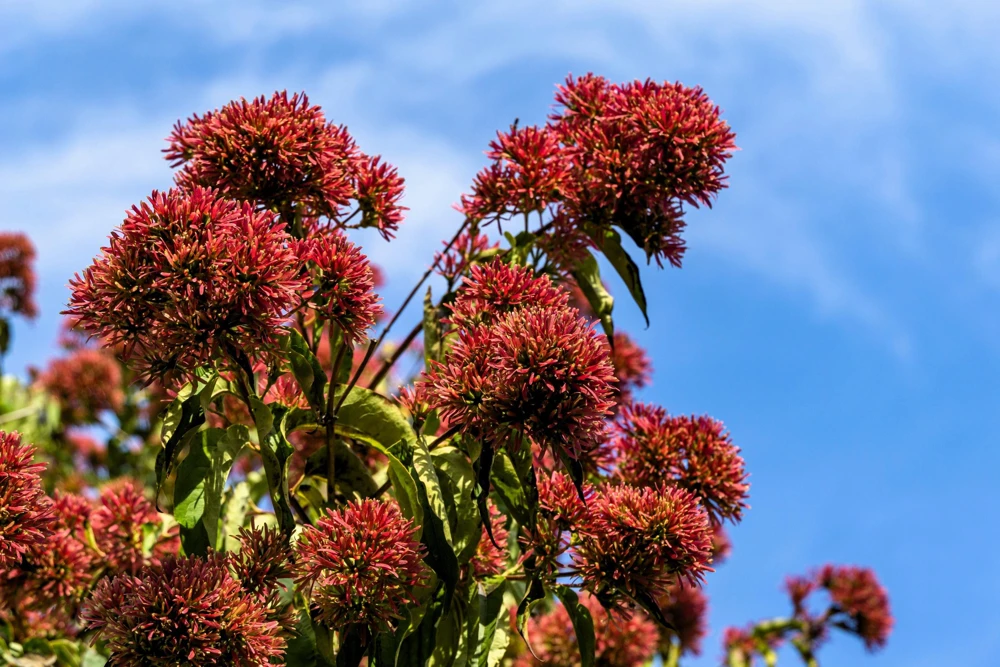
The Sausage Tree seeds will germinate into a robust specimen characterized by its beautiful red blossoms, which are a spectacle in themselves. These vibrant flowers attract pollinators and add a splash of color to the environment. Beyond its aesthetic appeal, the Kigelia africana holds a special place in various African cultures, where religious meetings are often held in its shade, symbolizing its sacred status. Growing this tree from seed allows you to connect with its rich history and bring a piece of African tradition to your home. It’s an excellent choice for enthusiasts looking to grow unique tree seeds that offer both visual interest and a compelling story.
Key Benefits
Cultivating Kigelia africana seeds offers a multitude of benefits, from enhancing your garden’s aesthetic to providing a unique conversation starter. This tree is more than just a plant; it’s a living piece of art and history.
- Exotic Visual Appeal: The Sausage Tree produces distinctive, sausage-shaped fruits and beautiful red blossoms that create a dramatic and exotic look in any landscape. Its unusual form ensures it stands out from conventional garden trees.
- Cultural Significance: Known as the African Sausage Tree, it holds deep cultural and spiritual importance in various parts of Africa, making it a plant with a rich story and heritage.
- Versatile Wood: The wood of the Kigelia africana is highly versatile and traditionally used for crafting tools, toys, and musical instruments, showcasing its practical value beyond its ornamental qualities.
- Natural Dye & Ink Source: Parts of the plant can be used to produce natural dyes and inks, offering an interesting historical and practical application for those interested in traditional crafts.
- Pollinator Attraction: The vibrant red blossoms are not only stunning but also attract various pollinators, contributing to the biodiversity and health of your garden ecosystem.
- Shade Provider: As it matures, the Kigelia africana develops a broad canopy, providing ample shade, which is particularly valued in warmer climates.
- Unique Garden Specimen: For gardeners seeking to grow unique tree seeds, the Kigelia africana seeds offer an unparalleled opportunity to cultivate a rare and intriguing specimen.
Plant Care & Growing Tips
Successfully growing Kigelia africana seeds requires attention to specific environmental conditions, particularly regarding sunlight, soil, and watering. This tree thrives in warm, sunny environments, making it suitable for USDA Hardiness Zones 10b to 11. It prefers a location where it can receive full sun for most of the day, ideally 6-8 hours of direct sunlight. In its native habitat, it is accustomed to intense sunlight, so mimic these conditions for optimal growth. Ensure the planting site has plenty of space, as the tree can grow quite large.
When it comes to soil, the Sausage Tree is adaptable but performs best in well-draining soil. A sandy loam or loamy soil enriched with organic matter is ideal. Good drainage is crucial to prevent root rot, especially during its establishment phase. Water regularly, particularly during dry spells, to keep the soil consistently moist but not waterlogged. Once established, the tree exhibits a good degree of drought tolerance, but consistent watering will promote healthier and more vigorous growth. Fertilization can be done annually in spring with a balanced, slow-release fertilizer to support its growth and flowering. Protecting young trees from frost is vital if you are on the cooler end of its hardiness range.
To successfully grow Kigelia africana, proper seed preparation is key. Scarification, which involves lightly scratching the seed coat, can improve germination rates. After scarification, soak the seeds in warm water for 24-48 hours before planting. Plant the seeds about half an inch deep in a sterile seed-starting mix. Maintain a warm environment, ideally between 70-85°F (21-29°C), and keep the soil consistently moist. Germination can be erratic and may take several weeks to a few months. Once seedlings are strong enough, transplant them carefully to their final location. With proper care, your African Sausage Tree will flourish, rewarding you with its spectacular blossoms and distinctive fruits.
Size & Details
This offering includes 10 Kigelia africana seeds, ready for planting. The Kigelia africana is a fast-growing tree that can reach impressive sizes, typically growing to a height of 20-50 feet (6-15 meters) with a spread of similar dimensions, though some specimens can exceed this. Its growth rate is considered moderate to fast under ideal conditions. The distinctive fruits, which resemble large sausages, can grow up to 2 feet (60 cm) long and weigh several pounds. These seeds will arrive in a protective packet, ensuring their viability for germination. The tree is known for its beautiful red blossoms, which appear in clusters and are followed by the unique fruits. Expect the tree to begin producing flowers and fruits within a few years of successful establishment, depending on growing conditions and care. It’s an excellent choice for those looking to grow unique tree seeds that make a significant impact on the landscape.
Frequently Asked Questions
- Q: How big does the Sausage Tree get? A: The African Sausage Tree (Kigelia africana) typically grows to a height of 20-50 feet (6-15 meters) with a similar spread. Some mature specimens can become even larger, making it a substantial tree for large gardens or landscapes.
- Q: Is this an indoor or outdoor plant? A: The Kigelia africana is primarily an outdoor tree, requiring significant space and full sun exposure. It is suitable for USDA Hardiness Zones 10b to 11 and cannot be grown indoors long-term due to its size and light requirements.
- Q: How much sunlight does it need? A: To thrive and produce its iconic red blossoms and fruits, the Kigelia africana seeds should be planted in a location that receives full sun, meaning at least 6-8 hours of direct sunlight per day.
- Q: Is this plant easy to care for? A: While germinating Sausage Tree seeds requires some patience and specific conditions, established trees are relatively low-maintenance, especially in their preferred climate. They are drought-tolerant once mature but benefit from consistent watering.
- Q: What condition will the seeds arrive in? A: The product consists of 10 Kigelia africana seeds, which will arrive dry and carefully packaged to ensure their quality and viability for planting. They are ready for scarification and soaking upon arrival.
- Q: How long until it blooms and produces fruit? A: With optimal growing conditions, a Kigelia africana tree grown from seed can begin to bloom and produce its unique sausage-shaped fruits within 3-5 years after establishment.
- Q: What’s the minimum temperature it can tolerate? A: The Kigelia africana is sensitive to cold and prefers warm climates. It can tolerate temperatures down to about 35°F (1.7°C) for short periods but is best grown in areas where temperatures rarely drop below 40°F (4.4°C), corresponding to USDA Zones 10b-11.
- Q: Can I really use parts of the plant for dye and ink? A: Yes, traditionally, various parts of the Kigelia africana have been used to create natural dyes and inks. This historical use highlights the versatility of this fascinating tree beyond its ornamental value.
- Q: Do these seeds require any special treatment before planting? A: Yes, it is highly recommended to scarify the Kigelia africana seeds (lightly scratch the hard seed coat) and then soak them in warm water for 24-48 hours before planting to improve germination rates.
- Q: What kind of soil is best for growing Kigelia africana? A: The Sausage Tree prefers well-draining soil, such as a sandy loam, enriched with organic matter. Good drainage is crucial to prevent waterlogging and promote healthy root development.
Be the first to review “Kigelia africana Sausage Tree Seeds – 10 Seeds for Unique African Gardens”
Related products




You May Like

How to Grow Passion Flower (Passiflora) for Tropical Blooms
Few climbing vines in the home garden command attention quite like the exotic Passion Flower (Passiflora). [...]
Nov

Thanksgiving Cactus Care: How to Get Thanksgiving Cactus to Bloom
Is your Thanksgiving cactus growing well but not giving you any flowers? Maybe it looked [...]
Nov

How to Grow Garlic for a Bountiful Home Harvest
Garlic (Allium sativum) is one of the most satisfying, low-maintenance, and flavor-packed crops you can [...]
Oct

Hardneck vs. Softneck Garlic: Which Should You Grow?
Have you ever stood in front of a seed catalog in mid-September, staring at dozens [...]
1 Comment
Oct

When to Plant Music Garlic: Ultimate US Fall Guide
Have you ever spent your fall weekend placing carefully chosen garlic cloves into rich, dark [...]
1 Comment
Oct

5 Best Bulbs for Fall Planting: Brighten Your Garden This Spring
Are you dreaming of a garden full of vibrant colors in the spring? The key [...]
Aug

10 Houseplants That Will Thrive in Your Kitchen
Are you tired of your kitchen feeling dull and lifeless? Want to add a little [...]
1 Comment
Aug
Reviews
There are no reviews yet.