
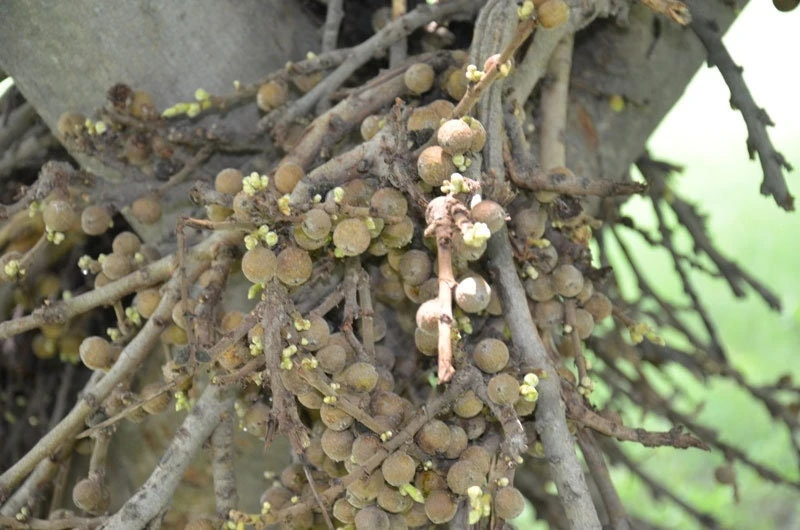
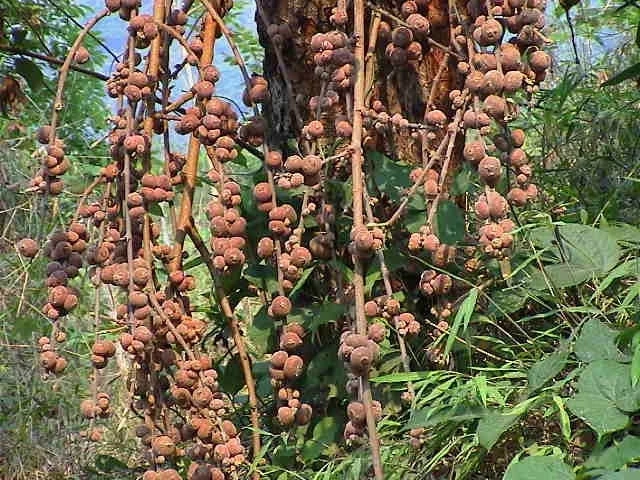
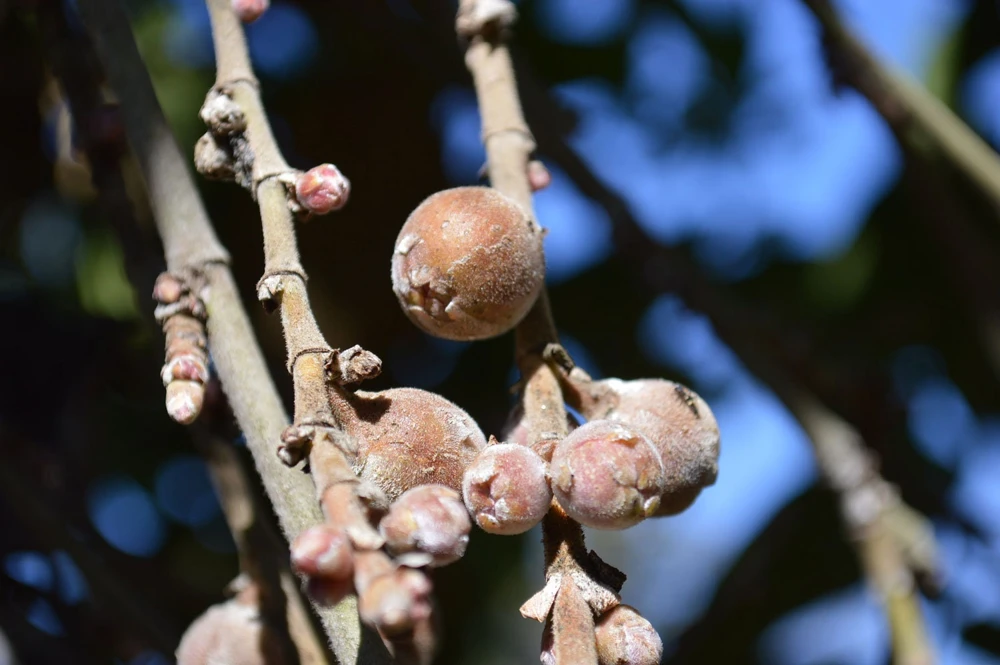
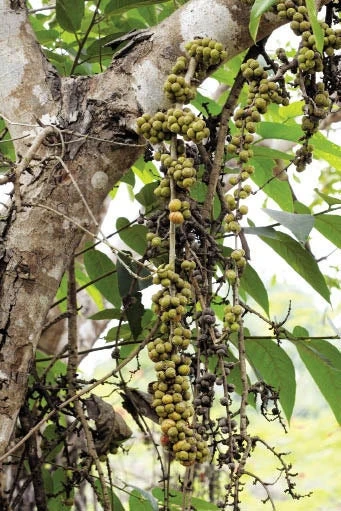
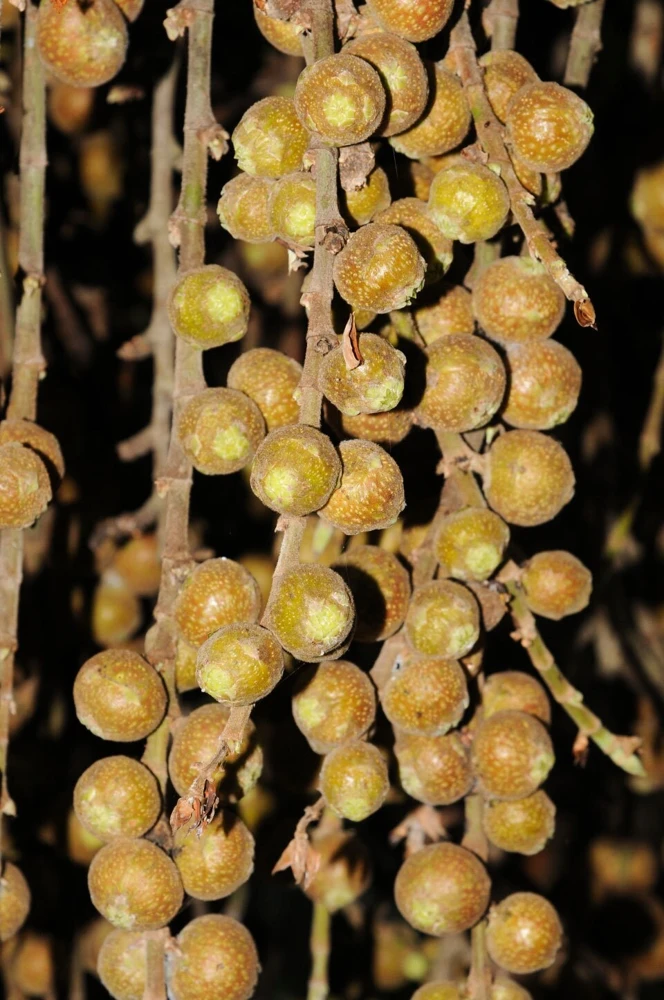
Ficus Semicordata Seeds – Drooping Fig Tree Seeds – 200 Count – Delicious Fruit, Shade Tree
Original price was: 48.91 $.19.91 $Current price is: 19.91 $.
Discover the joy of growing your own Ficus semicordata seeds, also known as the Drooping Fig seeds. This unique tree offers delicious sweet and sour fruit reminiscent of gooseberries, making it a delightful addition to any garden. These 200 seeds allow you to cultivate a beautiful shade tree that also supports local wildlife.
Estimated arrival
Nov 26
Dec 01 - Dec 03
Dec 03 - Dec 08
See our Shipping Policy.
Get in touch with us via email, and our team will review your concerns.
Our Alive & Thrive Guarantee covers issues with your plants within the first 30 days. Read our Refund & Returns Policy.
-
USDA Hardiness Zone
USDA Zones 10-11 -
Soil Type
Well-draining loamy soil -
Sunlight Exposure
Full sun to partial shade -
Expected Planting Period
Year-round in tropical climates; Spring in subtropical zones
Overview
Embark on a rewarding gardening journey with our premium Ficus semicordata seeds. Also known as the Drooping Fig, this fascinating species (Ficus semicordata) is celebrated for its unique characteristics and versatile uses. You will receive 200 high-quality seeds, ready to be sown and cultivated into a magnificent tree. Originating from diverse tropical and subtropical regions, the Drooping Fig is not only a source of delicious, distinctive fruit but also a valuable shade tree. Its flavor profile, often described as a delightful sweet and sour blend akin to gooseberries, makes it a culinary curiosity. Beyond its fruit, the tree’s bark fibers are traditionally used for making rope, showcasing its utility. Growing this fig from seed offers a profound connection to nature, allowing you to witness its full life cycle from a tiny seed to a mature, fruit-bearing specimen. This species thrives in warmer climates and is a fantastic choice for gardeners looking to add an exotic, productive, and aesthetically pleasing tree to their landscape.
The Ficus semicordata seeds promise to grow into a resilient and attractive tree that can serve multiple purposes in your garden or homestead. Whether you are aiming to cultivate fruit for personal enjoyment, establish a natural shade canopy, or provide habitat for local fauna, these seeds are your starting point. The tree is known to be a larval host plant for interesting insects like the Fig sphinx moth and the Antillean Daggerwing butterfly, adding an ecological dimension to your planting efforts. Prepare to be enchanted by the growth and bounty of your very own Drooping Fig tree, a true testament to nature’s generosity.
Key Benefits
Cultivating Ficus semicordata seeds offers a multitude of benefits, transforming your garden into a vibrant, productive, and ecologically rich space. These seeds provide an opportunity to grow a tree that is both beautiful and functional.
- Delicious Edible Fruit: Enjoy the unique taste of Drooping Fig fruit, which boasts a delightful sweet and sour flavor, often compared to gooseberries. Perfect for fresh eating, jams, or desserts.
- Excellent Shade Tree: As it matures, the Ficus semicordata develops a broad canopy, providing ample shade during hot summer months, creating a comfortable outdoor living space.
- Wildlife Attraction: This fig species serves as a crucial larval host plant for fascinating insects like the Fig sphinx moth and the Antillean Daggerwing butterfly, enhancing local biodiversity.
- Traditional Uses: The tree’s bark yields strong fibers historically used for rope making, highlighting its versatility and connection to traditional crafts.
- Unique Garden Addition: Stand out from typical garden plantings with this less common, yet highly rewarding, fig species. Growing Drooping Fig seeds adds an exotic touch.
- Long-Term Investment: Planting these seeds is an investment in your landscape that will provide beauty, fruit, and ecological benefits for many years to come.
- Rewarding Growing Experience: Experience the satisfaction of nurturing a tree from a tiny seed to a thriving plant, a truly fulfilling gardening endeavor.
Plant Care & Growing Tips
Successfully growing Ficus semicordata seeds requires attention to specific environmental conditions, particularly regarding light, water, and soil. Begin by scarifying the seeds lightly or soaking them in warm water for 24 hours to improve germination rates. Plant seeds in a well-draining seed-starting mix, just barely covering them with soil. Maintain consistent moisture, but avoid waterlogging, which can lead to rot. A warm environment, ideally between 75-85°F (24-29°C), is crucial for germination, which can take several weeks to a few months. Once seedlings emerge, provide bright, indirect light to encourage strong, healthy growth. Gradually acclimate young plants to outdoor conditions before transplanting.
For established plants grown from Drooping Fig seeds, full sun to partial shade is ideal. In very hot climates, some afternoon shade can prevent leaf scorch. Water regularly, especially during dry periods, ensuring the soil remains consistently moist but not soggy. Good drainage is paramount; sandy loam soils are generally preferred. The Ficus semicordata thrives in USDA Hardiness Zones 10 to 11, indicating its preference for warm, frost-free environments. Protect young trees from any unexpected cold snaps. Fertilize with a balanced, slow-release fertilizer during the growing season to support robust growth and fruit production. Pruning can be done to shape the tree and remove any dead or diseased branches, promoting overall health and vigor. Keep an eye out for common fig pests, though generally, this species is quite resilient. Proper care will ensure your fig tree seeds develop into a bountiful and beautiful specimen.
Size & Details
These Ficus semicordata seeds will eventually grow into a substantial tree, capable of reaching considerable heights, often between 30 to 60 feet (9 to 18 meters) in its native habitat, with a wide, spreading canopy perfect for shade. The growth rate is moderate to fast under ideal conditions, allowing for relatively quick establishment. You will receive a packet containing 200 seeds, providing ample opportunity for successful germination and cultivation. Each seed is carefully selected to ensure viability. The tree typically begins to produce fruit within a few years of planting, depending on growing conditions and care. The fruit itself is small to medium-sized, often ripening to a yellowish or reddish hue, with the distinct sweet and sour flavor. These seeds ship in a protective packet, ready for immediate planting or storage in a cool, dry place until you are ready to begin your growing project. Expect a rewarding journey as these tiny seeds transform into a magnificent Drooping Fig tree.
Frequently Asked Questions
- Q: How big does a Ficus semicordata tree get? A: A mature Ficus semicordata, grown from Ficus semicordata seeds, can typically reach heights of 30 to 60 feet (9 to 18 meters) with a broad canopy, making it an excellent shade tree in ideal conditions.
- Q: What are the ideal growing conditions for these Drooping Fig seeds? A: For optimal growth, these Drooping Fig seeds prefer warm temperatures (USDA Zones 10-11), full sun to partial shade, and well-draining soil. Consistent moisture is important, especially during germination and establishment.
- Q: Is this tree easy to care for once established? A: Yes, once established, the Ficus semicordata is relatively low-maintenance. It requires regular watering during dry periods and benefits from occasional fertilization and pruning to maintain shape and health. It’s a good choice for those wanting a unique fruit tree.
- Q: What condition will the seeds arrive in? A: Your fig tree seeds will arrive in a protective packet, ensuring they are fresh and viable, ready for you to begin the germination process. We take care to package them securely for transit.
- Q: Can I grow Ficus semicordata in a container? A: While it can be started in a container, Ficus semicordata is a large tree that will eventually require a significant amount of space. For long-term container growth, very large pots and regular root pruning would be necessary, or it can be grown as a bonsai.
- Q: How long does it take for the seeds to germinate? A: Germination time for Ficus semicordata seeds can vary widely, typically ranging from a few weeks to several months, depending on conditions like temperature, moisture, and seed preparation (scarification/soaking).
- Q: What is the best time to plant these fig tree seeds? A: The best time to plant fig tree seeds indoors is usually late winter or early spring, allowing seedlings to establish before warmer weather arrives for outdoor transplanting. In frost-free zones, they can be sown outdoors in spring.
- Q: What does the fruit taste like? A: The fruit of the Drooping Fig is known for its distinctive sweet and sour flavor, often compared to gooseberries, making it a unique and delicious treat for those who cultivate it.
- Q: Is Ficus semicordata suitable for my climate? A: This species thrives in warmer climates and is best suited for USDA Hardiness Zones 10 to 11. If you live in a cooler zone, you may need to grow it in a greenhouse or protect it from frost.
- Q: Do these seeds need any special treatment before planting? A: It’s recommended to lightly scarify the Ficus semicordata seeds or soak them in warm water for 24 hours before planting. This can help break seed dormancy and improve germination rates.
Be the first to review “Ficus Semicordata Seeds – Drooping Fig Tree Seeds – 200 Count – Delicious Fruit, Shade Tree”
Related products


Tree Seeds
Canino Olive Tree Seeds – 10 Pack Olea Europaea Canino for Edible Olives, Full Sun, Zones 9-11


You May Like

How to Grow Passion Flower (Passiflora) for Tropical Blooms
Few climbing vines in the home garden command attention quite like the exotic Passion Flower (Passiflora). [...]
Nov

Thanksgiving Cactus Care: How to Get Thanksgiving Cactus to Bloom
Is your Thanksgiving cactus growing well but not giving you any flowers? Maybe it looked [...]
Nov

How to Grow Garlic for a Bountiful Home Harvest
Garlic (Allium sativum) is one of the most satisfying, low-maintenance, and flavor-packed crops you can [...]
Oct

Hardneck vs. Softneck Garlic: Which Should You Grow?
Have you ever stood in front of a seed catalog in mid-September, staring at dozens [...]
1 Comment
Oct

When to Plant Music Garlic: Ultimate US Fall Guide
Have you ever spent your fall weekend placing carefully chosen garlic cloves into rich, dark [...]
1 Comment
Oct

5 Best Bulbs for Fall Planting: Brighten Your Garden This Spring
Are you dreaming of a garden full of vibrant colors in the spring? The key [...]
Aug

10 Houseplants That Will Thrive in Your Kitchen
Are you tired of your kitchen feeling dull and lifeless? Want to add a little [...]
1 Comment
Aug
Reviews
There are no reviews yet.