
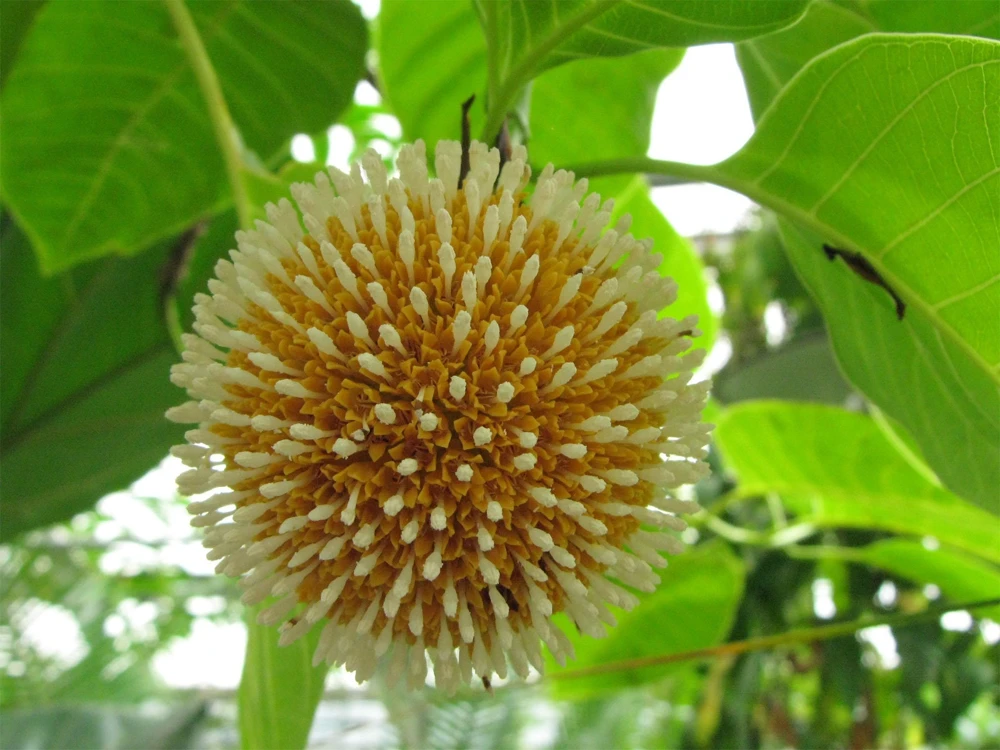
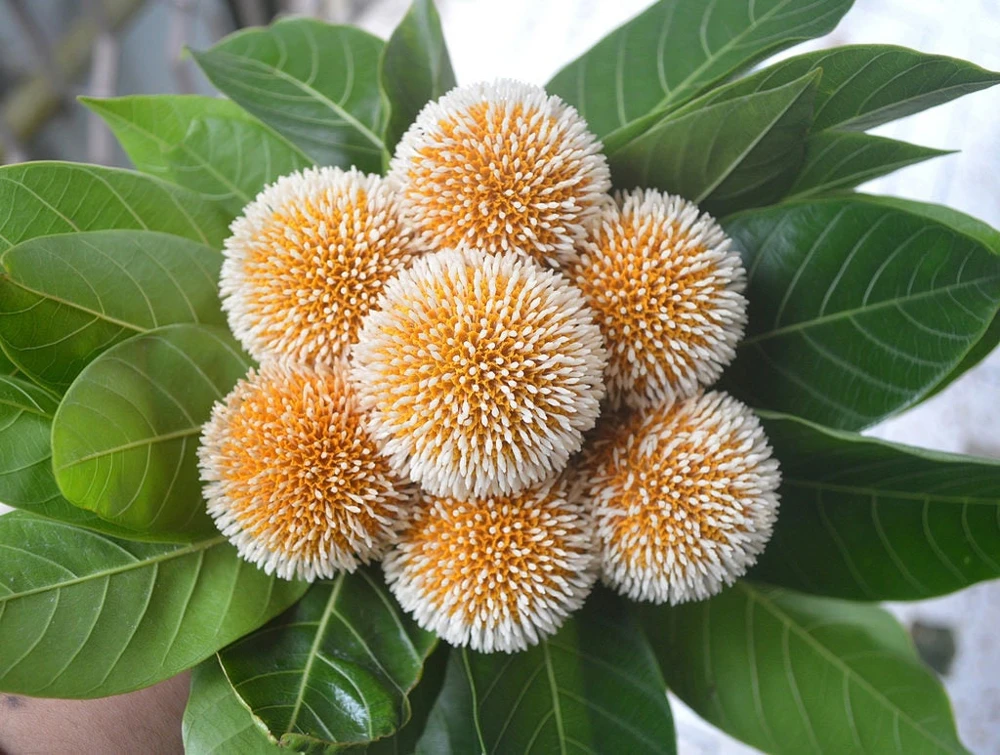
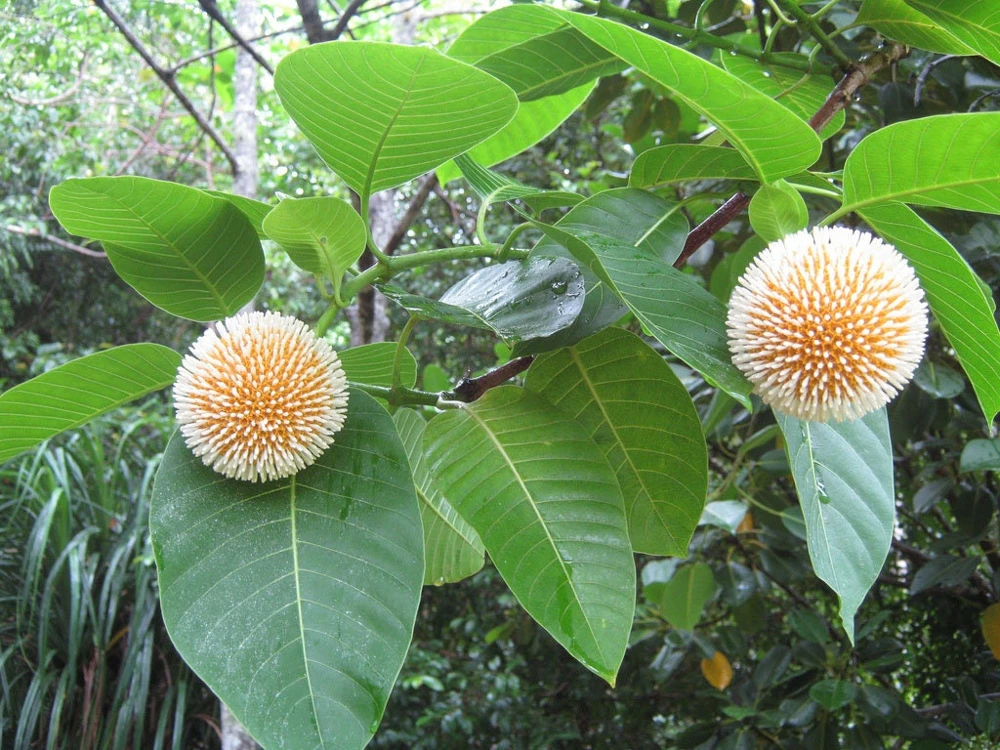
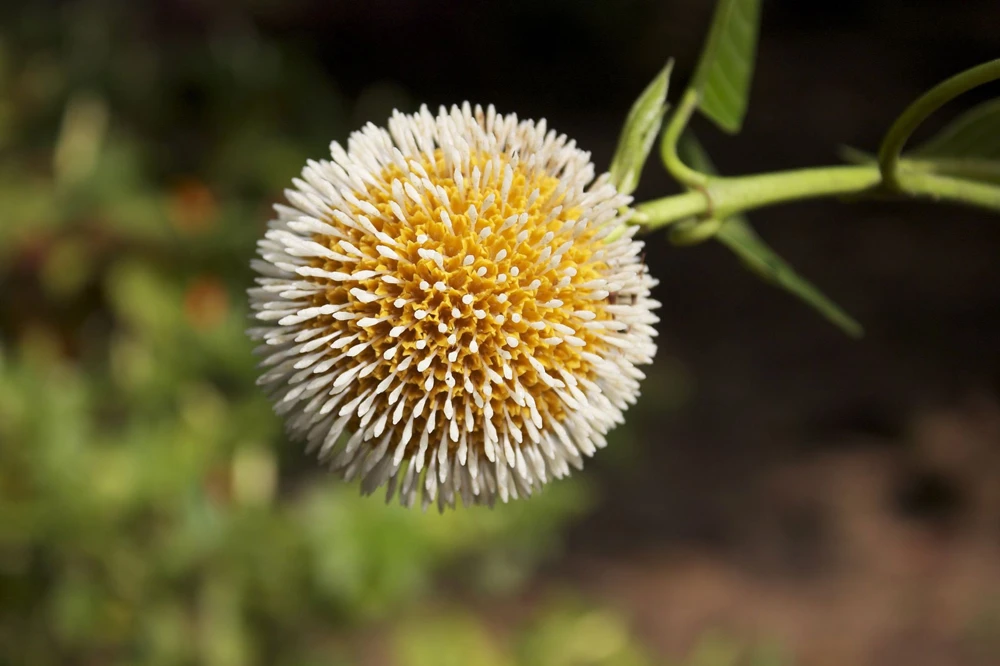
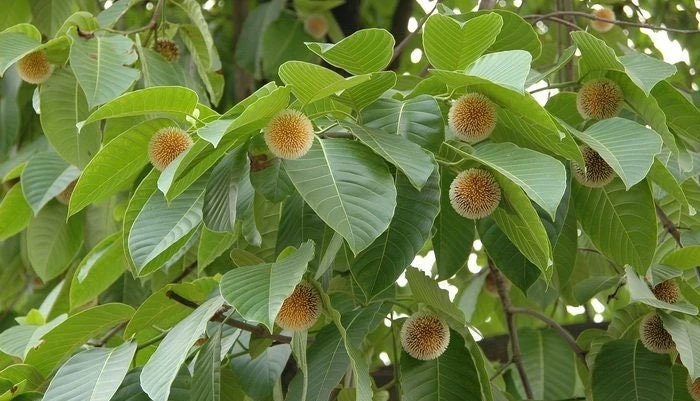
Burflower Tree Seeds (Neolamarckia cadamba) – 100 Count for Zones 10-11
Original price was: 48.91 $.19.91 $Current price is: 19.91 $.
Cultivate the stunning burflower tree seeds (Neolamarckia cadamba) with this pack of 100 high-quality seeds. Known for its fragrant, globe-shaped flowers and rapid growth, this tropical tree is a striking addition to landscapes in USDA Zones 10-11.
Estimated arrival
Nov 27
Dec 02 - Dec 04
Dec 04 - Dec 09
See our Shipping Policy.
Get in touch with us via email, and our team will review your concerns.
Our Alive & Thrive Guarantee covers issues with your plants within the first 30 days. Read our Refund & Returns Policy.
-
USDA Hardiness Zone
10-11 -
Soil Type
Rich, well-draining soil -
Sunlight Exposure
Full sun to partial shade -
Expected Planting Period
Spring to early summer
Overview
Embark on a rewarding gardening journey with burflower tree seeds, scientifically known as Neolamarckia cadamba. This remarkable tree, also referred to by its evocative common names such as Burflower Tree, Amboina, Kadam, and Cadamba, is a fast-growing, deciduous ornamental native to South and Southeast Asia. Each packet contains 100 viable Neolamarckia cadamba seeds, offering an excellent opportunity to grow this majestic species. Revered for its beautifully scented, orange, globe-shaped flowers, the Kadam tree is not only a visual delight but also holds cultural and ecological significance. These seeds provide the foundation for cultivating a tree that can reach impressive heights, providing shade, beauty, and a unique focal point in your garden or landscape. Perfect for those looking to add a touch of the tropics and a distinctive fragrance to their outdoor spaces.
The burflower tree seeds are ideal for gardeners in warmer climates, particularly USDA Hardiness Zones 10 to 11. Growing from seed allows you to witness the entire life cycle of this fascinating plant, from germination to a towering tree. The Neolamarckia cadamba is celebrated for its rapid growth rate and its versatility, making it a valuable addition to various landscapes, from large estates to botanical gardens. Its vibrant flowers attract pollinators, further enhancing its ecological value. Prepare to be enchanted by the sweet fragrance and unique appearance of this extraordinary tree as it matures.
Key Benefits
Growing burflower tree seeds offers a multitude of benefits for both the gardener and the environment. This tree is a true asset to any suitable landscape:
- Stunning Ornamental Value: The Neolamarckia cadamba produces unique, fragrant, orange, globe-shaped flowers that are highly ornamental and can be used to make perfumes. These beautiful blooms provide a striking visual display, making it a focal point in any garden.
- Rapid Growth: Known for its fast growth rate, the Kadam tree quickly establishes itself, providing shade and stature in a relatively short period, allowing you to enjoy its benefits sooner.
- Ecological Contribution: The fragrant flowers attract a variety of pollinators, including bees and butterflies, supporting local biodiversity and contributing to a healthy ecosystem.
- Cultural Significance: In many cultures, especially in India, the Burflower Tree holds significant religious and mythological importance, adding a layer of historical and cultural depth to your garden.
- Versatile Uses: Beyond its ornamental appeal, various parts of the tree, including fruits, stems, and flowers, are edible. The leaves are used for fodder, and the wood is suitable for lightweight projects and paper production, making it a multi-purpose plant.
- Adaptable to Warm Climates: Thriving in USDA Hardiness Zones 10-11, this tropical tree seeds are well-suited for warm, humid environments, ensuring robust growth where conditions are favorable.
- Unique Fragrance: The distinctive, sweet fragrance of its flowers adds an aromatic dimension to your outdoor space, creating a pleasant and inviting atmosphere.
Plant Care & Growing Tips
Cultivating burflower tree seeds requires attention to specific environmental conditions to ensure successful germination and healthy growth. Begin by scarifying the seeds lightly with sandpaper or nicking them with a knife, then soak them in warm water for 24-48 hours. This helps break dormancy and promotes germination. Plant the seeds in a well-draining seed-starting mix, barely covering them with soil. Maintain a consistent temperature of 75-85°F (24-29°C) for optimal germination, which can take anywhere from a few weeks to several months. Ensure the soil remains consistently moist but not waterlogged. Once seedlings emerge, provide ample bright, indirect light.
When the seedlings are large enough to handle, transplant them into individual pots with a rich, well-draining soil mix. The Neolamarckia cadamba thrives in full sun to partial shade, ideally receiving at least 6 hours of direct sunlight per day once established. Water regularly, especially during dry periods, to keep the soil consistently moist. These trees prefer a humid environment, which is typical of their native tropical habitats. Fertilize young trees with a balanced, slow-release fertilizer during the growing season to support their rapid growth. Protection from strong winds can also benefit young plants. As they mature, Kadam tree seeds will develop into resilient trees that require less intensive care.
The burflower tree seeds are best suited for USDA Hardiness Zones 10 and 11, where temperatures rarely drop below freezing. If you live in a cooler climate, you might consider growing them in large containers that can be moved indoors during winter, though their ultimate size makes this challenging for long-term cultivation. Pruning can be done to shape the tree and remove any dead or diseased branches. While generally robust, keep an eye out for common tropical tree pests and diseases and address them promptly. With proper care and suitable conditions, your ornamental tree seeds will flourish into magnificent specimens.
Size & Details
The burflower tree seeds provided are designed to grow into impressive specimens. Neolamarckia cadamba is known for its rapid growth, capable of reaching heights of up to 150 feet (approximately 45 meters) in its native habitat, though it may be smaller in cultivation depending on conditions. The seeds themselves are small, ensuring that 100 seeds provide a substantial opportunity for propagation. These trees develop a broad, spreading canopy, making them excellent shade trees once mature. The seeds are shipped in a protective packet, ready for planting upon arrival.
Expect these tropical tree seeds to begin germinating within a few weeks to a few months under ideal conditions. The growth rate is significantly influenced by climate, soil fertility, and water availability. Young trees will quickly establish a strong root system and begin their upward growth. The distinctive orange, globe-shaped flowers, which are the tree’s namesake, typically appear once the tree reaches a certain level of maturity, usually several years after planting. This species is ideal for large gardens, parks, or as a street tree where ample space is available for its mature size.
Frequently Asked Questions
- Q: How big does the Burflower Tree get? A: The Burflower Tree can grow quite large, reaching up to 150 feet (45 meters) tall in its natural environment. In cultivation, its size may vary but it generally becomes a substantial shade tree.
- Q: What USDA Hardiness Zones are suitable for these seeds? A: These burflower tree seeds are best suited for USDA Hardiness Zones 10 to 11, where temperatures are consistently warm and frost-free.
- Q: How long does it take for the seeds to germinate? A: Germination time for Neolamarckia cadamba seeds can vary, typically ranging from a few weeks to several months, depending on proper scarification and consistent warm temperatures.
- Q: What kind of soil does the Kadam tree prefer? A: The Kadam tree thrives in rich, well-draining soil. It tolerates a range of soil types but performs best in moist, fertile conditions.
- Q: How much sunlight does the Burflower Tree need? A: Once established, the Burflower Tree prefers full sun, meaning at least 6 hours of direct sunlight per day, though it can tolerate partial shade.
- Q: Are the flowers fragrant? A: Yes, one of the most notable features of the Burflower Tree is its highly fragrant, globe-shaped orange flowers, which are also used in perfumery.
- Q: Is this plant easy to care for? A: While germinating ornamental tree seeds requires patience, mature Burflower Trees are relatively low-maintenance once established, needing consistent watering and occasional fertilization.
- Q: Can I grow this tree in a container? A: Due to its potential mature size, growing the Burflower Tree in a container long-term is challenging, but young trees can be kept in pots for a period before transplanting.
- Q: When is the best time to plant tropical tree seeds? A: The best time to sow tropical tree seeds is typically in spring or early summer, ensuring warm temperatures for germination and initial growth.
- Q: What are some other uses for the Burflower Tree? A: Besides its ornamental value, the Burflower Tree has edible parts (fruits, flowers), its leaves are used for fodder, and its wood is utilized for lightweight projects and paper.
Be the first to review “Burflower Tree Seeds (Neolamarckia cadamba) – 100 Count for Zones 10-11”
Related products


Tree Seeds
Canino Olive Tree Seeds – 10 Pack Olea Europaea Canino for Edible Olives, Full Sun, Zones 9-11


You May Like

How to Grow Passion Flower (Passiflora) for Tropical Blooms
Few climbing vines in the home garden command attention quite like the exotic Passion Flower (Passiflora). [...]
Nov

Thanksgiving Cactus Care: How to Get Thanksgiving Cactus to Bloom
Is your Thanksgiving cactus growing well but not giving you any flowers? Maybe it looked [...]
Nov

How to Grow Garlic for a Bountiful Home Harvest
Garlic (Allium sativum) is one of the most satisfying, low-maintenance, and flavor-packed crops you can [...]
Oct

Hardneck vs. Softneck Garlic: Which Should You Grow?
Have you ever stood in front of a seed catalog in mid-September, staring at dozens [...]
1 Comment
Oct

When to Plant Music Garlic: Ultimate US Fall Guide
Have you ever spent your fall weekend placing carefully chosen garlic cloves into rich, dark [...]
1 Comment
Oct

5 Best Bulbs for Fall Planting: Brighten Your Garden This Spring
Are you dreaming of a garden full of vibrant colors in the spring? The key [...]
Aug

10 Houseplants That Will Thrive in Your Kitchen
Are you tired of your kitchen feeling dull and lifeless? Want to add a little [...]
1 Comment
Aug
Reviews
There are no reviews yet.