
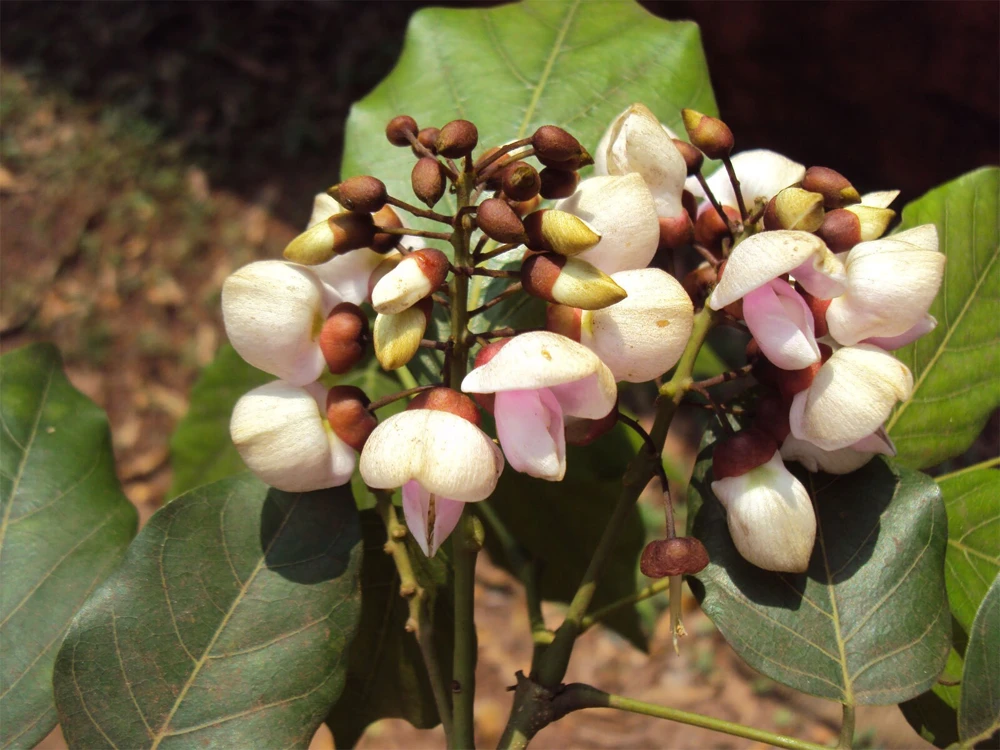
Millettia pinnata Seeds – Pongamia Oiltree Indian Beech – 5 Seeds
Original price was: 54.91 $.25.91 $Current price is: 25.91 $.
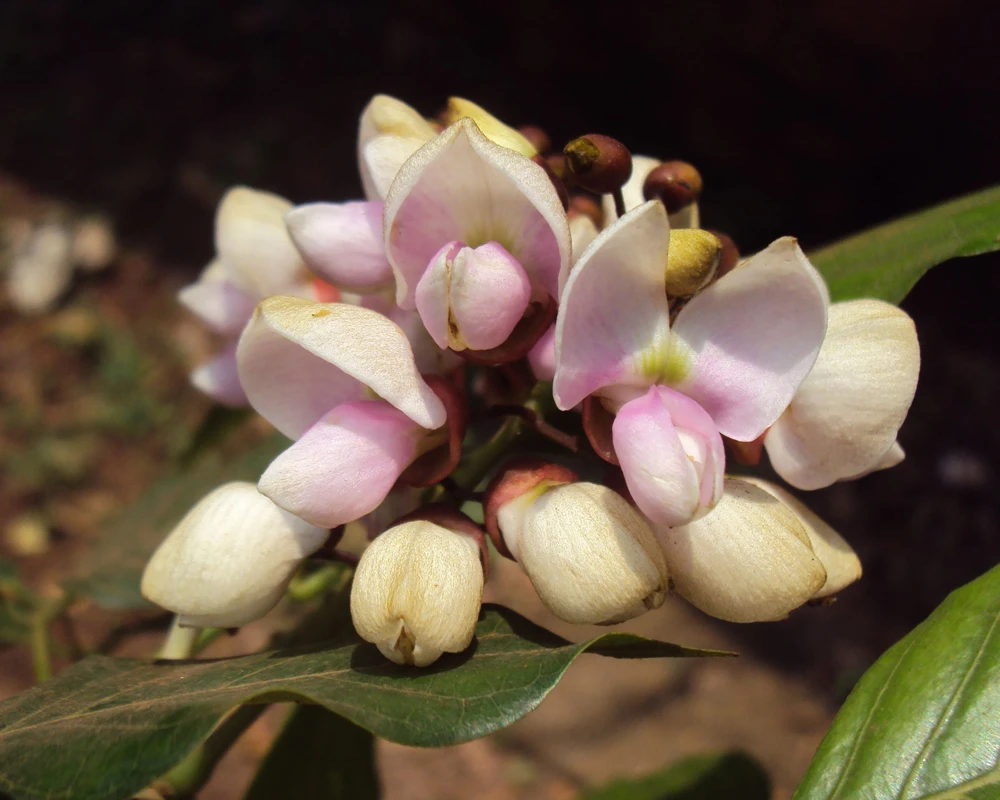
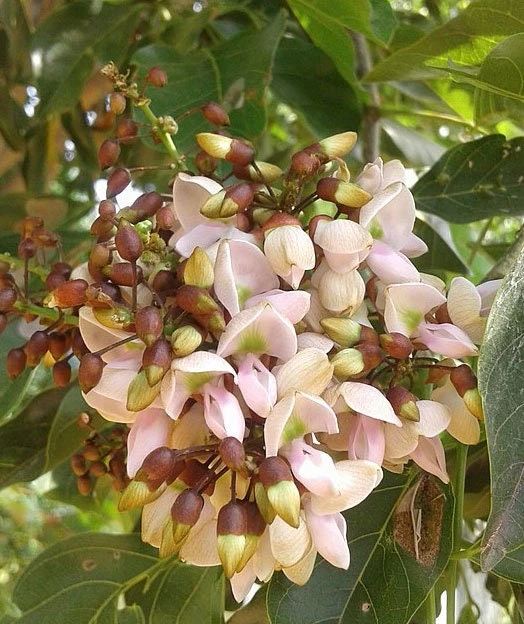
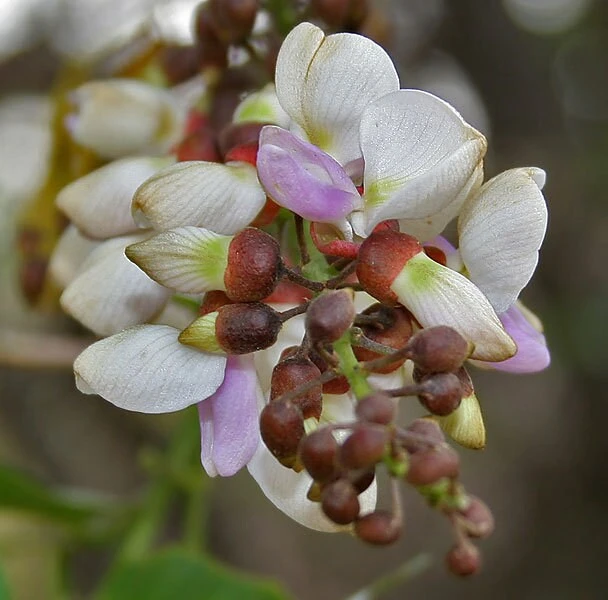
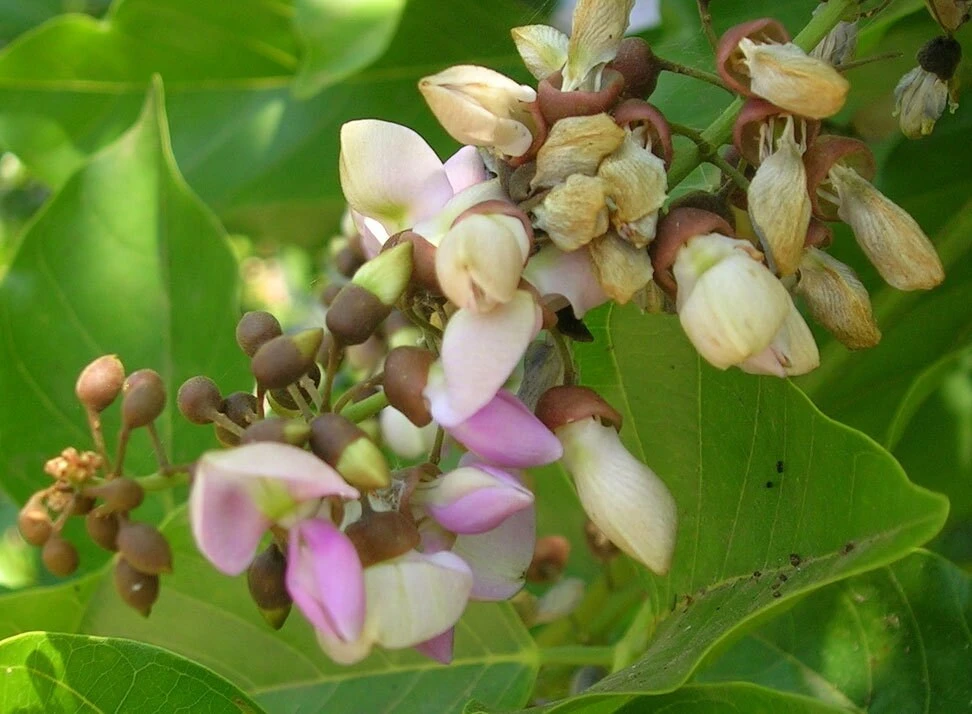
Cultivate the beautiful and fragrant Millettia pinnata seeds, also known as Pongamia Oiltree seeds or Indian Beech tree. These versatile tree seeds produce stunning pink, lavender, violet, and white blossoms and thrive in USDA Hardiness Zones 10-11. Perfect for adding a unique, showy tree to your landscape.
Estimated arrival
Nov 26
Dec 01 - Dec 03
Dec 03 - Dec 08
See our Shipping Policy.
Get in touch with us via email, and our team will review your concerns.
Our Alive & Thrive Guarantee covers issues with your plants within the first 30 days. Read our Refund & Returns Policy.
-
USDA Hardiness Zone
10 to 11 -
Soil Type
Well-draining soil -
Sunlight Exposure
Full sun -
Expected Planting Period
Year-round in tropical zones, spring in subtropical zones
Overview
Embark on a rewarding gardening journey with Millettia pinnata seeds, commonly known as the Pongamia Oiltree seeds or Indian Beech tree. This remarkable species, sometimes referred to as Pongamia pinnata, is celebrated for its rapid growth and stunning ornamental value. Originating from tropical and subtropical regions, the Millettia pinnata is a versatile tree that can reach impressive heights of up to 40 feet. Beyond its aesthetic appeal, this tree is gaining recognition for its ecological benefits and potential as a source of biofuel. The seeds you receive will allow you to cultivate this magnificent specimen, bringing both beauty and a touch of the exotic to your garden. Its fragrant, showy blossoms make it a focal point in any landscape, particularly in warmer climates.
The Indian Beech tree is not just a pretty face; it’s a robust and adaptable plant. It thrives in full sun, showcasing its gorgeous pink, lavender, violet, and white flowers that emit a wonderfully pleasant fragrance. This tree is a fantastic choice for those looking to add a large, impactful, and low-maintenance tree to their outdoor space. Whether you’re a seasoned gardener or a curious beginner, growing Millettia pinnata seeds offers a unique opportunity to nurture a plant with significant environmental and practical value. Its resilience and striking appearance make it a valuable addition to parks, large gardens, or as a shade tree.
Key Benefits
Growing the Millettia pinnata seeds offers a multitude of benefits, from enhancing your garden’s beauty to providing practical resources. This tree is a true multi-tasker, offering both aesthetic appeal and environmental advantages.
- Stunning Ornamental Value: The tree produces abundant, highly fragrant flowers in shades of pink, lavender, violet, and white, creating a spectacular visual display and attracting pollinators. These showy blossoms are a highlight, ensuring your garden stands out.
- Pleasant Fragrance: Beyond their beauty, the flowers emit a very pleasant and distinctive fragrance, enriching the sensory experience of your garden and providing a natural perfume.
- Rapid Growth & Shade: As a fast-growing tree, it quickly establishes itself and provides excellent shade, making it ideal for larger landscapes, parks, or as a street tree in appropriate climates.
- Drought Tolerance: Once established, the Indian Beech tree is remarkably drought-tolerant, requiring less water than many other large tree species, which is beneficial for water conservation.
- Soil Improvement: As a legume, Millettia pinnata can fix nitrogen in the soil, improving soil fertility and benefiting surrounding plants without the need for excessive chemical fertilizers.
- Versatile Uses: The seeds can be processed to produce an oil used in various products, including lubricants, soaps, varnishes, paints, and even biofuel. The bark fiber is traditionally used for making string, twine, and rope, while the wood can be used for tools or as fuel.
- Ecological Impact: This tree contributes to biodiversity, provides habitat, and can be used in reforestation efforts, making it an environmentally conscious choice for any gardener interested in sustainable practices.
Plant Care & Growing Tips
Successfully cultivating Millettia pinnata seeds into a thriving tree requires attention to specific environmental conditions and care practices. This robust tree is relatively low-maintenance once established, but proper initial care is crucial for its healthy development. Start by germinating your Millettia pinnata seeds in a warm, moist environment. Scarification (lightly scratching the seed coat) or soaking the seeds for 24 hours can significantly improve germination rates. Plant seeds in a well-draining seed-starting mix, about 1/2 inch deep. Keep the soil consistently moist but not waterlogged, and maintain temperatures around 70-85°F (21-29°C) for optimal germination.
Once seedlings emerge and are large enough to handle, transplant them into individual pots with a rich, well-draining potting mix. The Indian Beech tree thrives in full sun, requiring at least 6-8 hours of direct sunlight per day to achieve its full growth potential and abundant flowering. Water young trees regularly to ensure the soil remains moist. As the tree matures, its water needs will decrease, and it will become more drought-tolerant. Ensure good drainage to prevent root rot, as soggy conditions are detrimental. Fertilize young trees with a balanced, slow-release fertilizer during their active growing season (spring and summer) to support robust growth. Pruning is generally not heavily required but can be done to shape the tree and remove any dead or diseased branches.
The Pongamia Oiltree seeds are best suited for USDA Hardiness Zones 10 to 11, where it can be grown outdoors year-round. In areas with occasional light frosts, mature trees may tolerate brief cold snaps, but young trees are more vulnerable. If you are wondering how to grow Millettia pinnata in a cooler climate, it may be possible to grow it in a large container and bring it indoors during winter, though its large size at maturity makes this challenging. Monitor for common pests like aphids or scale, and treat with organic insecticides if necessary. With proper care, your Millettia pinnata seeds will develop into a magnificent, fragrant tree that provides both beauty and utility for many years.
Size & Details
Each packet contains 5 seeds of the Millettia pinnata, providing a great start to growing this impressive tree. When mature, the Indian Beech tree can reach heights of up to 40 feet, creating a substantial presence in the landscape. Its canopy can spread wide, offering ample shade. While germination times vary, expect seedlings to emerge within a few weeks under ideal conditions. The growth rate is considered medium to fast, allowing you to enjoy a sizable tree within several years.
These seeds are an excellent way to cultivate a large, long-lived specimen. The tree typically begins to flower once it reaches a certain maturity, often within 3-5 years from seed, rewarding you with its beautiful and fragrant blossoms. The ultimate size and spread will depend on growing conditions, climate, and available space. The tree is delivered as raw seeds, ready for you to begin the propagation process, giving you full control over its early development.
Frequently Asked Questions
- Q: How big does the Millettia pinnata tree get? A: The Millettia pinnata, or Indian Beech tree, can grow quite large, typically reaching heights of up to 40 feet (12 meters) with a wide, spreading canopy, making it suitable for larger gardens or landscapes.
- Q: What are the sunlight requirements for Millettia pinnata seeds? A: To ensure healthy growth and abundant flowering, the Pongamia Oiltree seeds and subsequent tree require full sun, meaning at least 6-8 hours of direct sunlight per day.
- Q: Is this an indoor or outdoor plant? A: This is primarily an outdoor tree, best suited for warm climates. It thrives in USDA Hardiness Zones 10 to 11. While young seedlings can be started indoors, its mature size makes it impractical as a permanent indoor plant.
- Q: How long until the tree blooms from seed? A: Typically, the Indian Beech tree will begin to flower within 3 to 5 years after germination, provided it is grown under optimal conditions.
- Q: What type of soil does Millettia pinnata prefer? A: It prefers well-draining soil, adaptable to various soil types including sandy, loamy, or clay soils, as long as they are not waterlogged. Good drainage is key for preventing root issues.
- Q: Is it easy to grow Millettia pinnata from seeds for beginners? A: Growing Millettia pinnata seeds can be a rewarding experience for beginners, especially with proper scarification and consistent moisture during germination. Once established, the tree is relatively low-maintenance.
- Q: What are some uses for the Millettia pinnata tree? A: Beyond its ornamental value, the seeds are used for oil production for various industries, and the bark and wood have traditional uses for making rope, tools, and fuel.
- Q: Will the Millettia pinnata survive winter in my zone? A: The tree is hardy in USDA Zones 10-11. If your zone experiences regular freezing temperatures, it will likely not survive outdoors without significant protection.
Be the first to review “Millettia pinnata Seeds – Pongamia Oiltree Indian Beech – 5 Seeds”
Related products


You May Like

How to Grow Passion Flower (Passiflora) for Tropical Blooms
Few climbing vines in the home garden command attention quite like the exotic Passion Flower (Passiflora). [...]
Nov

Thanksgiving Cactus Care: How to Get Thanksgiving Cactus to Bloom
Is your Thanksgiving cactus growing well but not giving you any flowers? Maybe it looked [...]
Nov

How to Grow Garlic for a Bountiful Home Harvest
Garlic (Allium sativum) is one of the most satisfying, low-maintenance, and flavor-packed crops you can [...]
Oct

Hardneck vs. Softneck Garlic: Which Should You Grow?
Have you ever stood in front of a seed catalog in mid-September, staring at dozens [...]
1 Comment
Oct

When to Plant Music Garlic: Ultimate US Fall Guide
Have you ever spent your fall weekend placing carefully chosen garlic cloves into rich, dark [...]
1 Comment
Oct

5 Best Bulbs for Fall Planting: Brighten Your Garden This Spring
Are you dreaming of a garden full of vibrant colors in the spring? The key [...]
Aug

10 Houseplants That Will Thrive in Your Kitchen
Are you tired of your kitchen feeling dull and lifeless? Want to add a little [...]
1 Comment
Aug
Reviews
There are no reviews yet.