
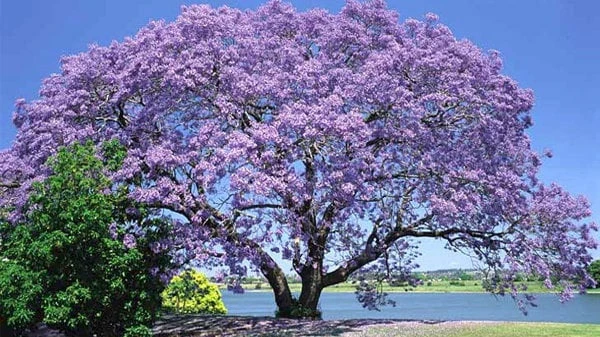
Paulownia Fortunei Seeds – Dragon Tree Empress Tree – 100 Seeds – Fast Growing
Original price was: 48.91 $.19.91 $Current price is: 19.91 $.
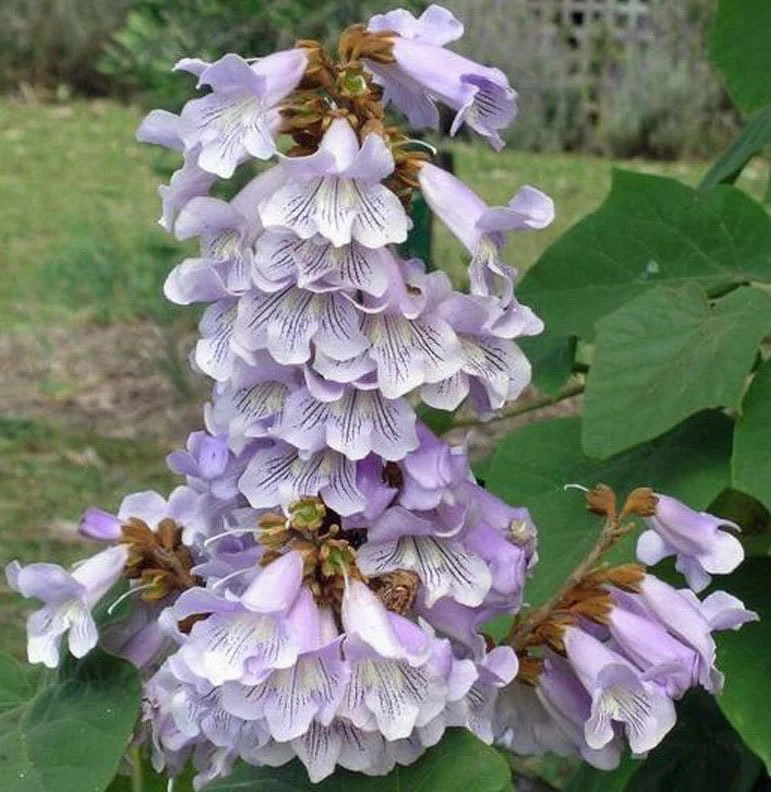
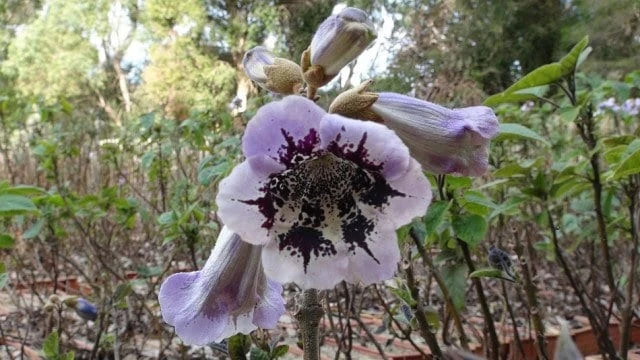
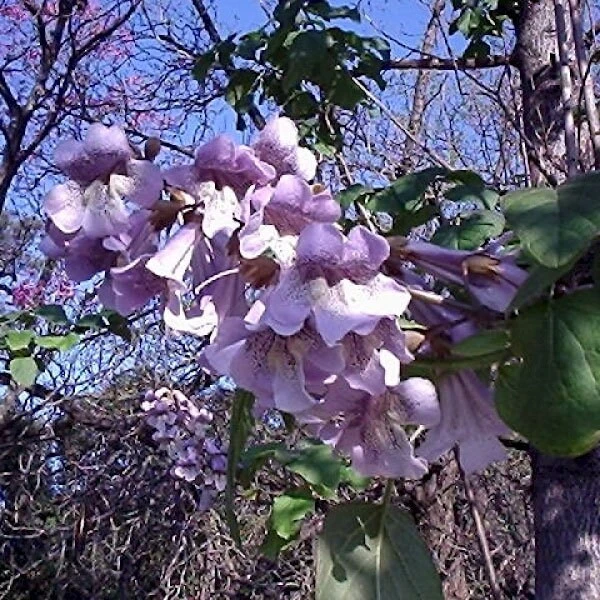
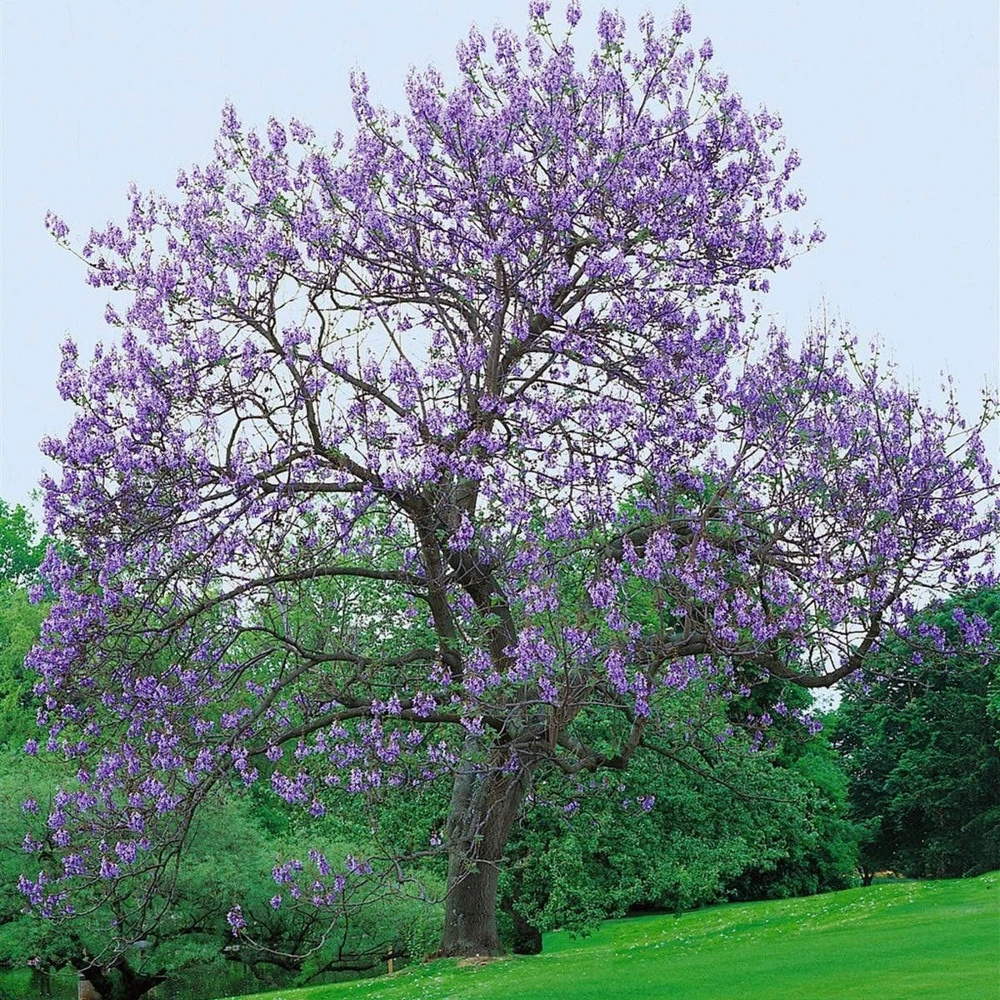
Cultivate the majestic Paulownia fortunei seeds, also known as Dragon Tree seeds or Fortunes Empress Tree. This fast-growing ornamental tree boasts beautiful lavender and violet blossoms, making it a stunning addition to any landscape. Ideal for full sun environments, these seeds promise a rewarding growing experience for a striking garden feature.
Estimated arrival
Nov 27
Dec 02 - Dec 04
Dec 04 - Dec 09
See our Shipping Policy.
Get in touch with us via email, and our team will review your concerns.
Our Alive & Thrive Guarantee covers issues with your plants within the first 30 days. Read our Refund & Returns Policy.
-
USDA Hardiness Zone
5b to 9 -
Soil Type
Well-draining, loamy soil -
Sunlight Exposure
Full sun -
Expected Planting Period
Spring to early summer
Overview
Embark on a rewarding gardening journey with these premium Paulownia fortunei seeds. Also widely recognized as the Dragon Tree seeds, Fortunes Empress Tree, Sapphire Tree, or Phoenix Tree, this magnificent species is renowned for its incredibly rapid growth and stunning ornamental qualities. Originating from the genus named in honor of Anna Paulowna, the daughter of Tsar Paul I of Russia, this tree brings a touch of historical elegance to your garden. Whether you’re an experienced horticulturist or a budding enthusiast, growing this tree from seed offers a unique opportunity to witness its impressive development firsthand. Its adaptability and striking appearance make it a popular choice for various landscaping projects, promising a vibrant display of color and form.
These Empress Tree seeds are perfect for those looking to establish a prominent feature in their outdoor space. The tree’s vigorous growth habit allows it to quickly reach an impressive size, providing shade and visual interest in a relatively short period. Beyond its aesthetic appeal, the Paulownia fortunei holds a special place in various cultures, often symbolizing good fortune and renewal. With proper care and attention, these seeds will germinate and grow into robust trees, enriching your environment with their natural beauty and stately presence.
Key Benefits
The Paulownia fortunei seeds offer a multitude of benefits for any gardener looking to cultivate a unique and impactful tree:
- Rapid Growth: Experience the thrill of watching a tree grow quickly, providing shade and structure to your landscape faster than many other species. This rapid development makes it an excellent choice for new garden projects or filling in empty spaces.
- Stunning Blooms: Adorn your garden with clusters of beautiful lavender and violet blossoms from mid-spring to early summer. These vibrant flowers create a spectacular visual display and can attract pollinators.
- Ornamental Appeal: Known for its elegant form and impressive flowering, the Paulownia fortunei serves as a focal point in any garden design. Its large leaves and attractive silhouette add significant aesthetic value.
- Versatile Wood: The wood of the Paulownia tree is lightweight yet strong, making it valuable for various applications, including musical instruments. This adds an extra layer of interest to cultivating this species.
- Adaptable: This resilient tree is suitable for a wide range of climates, thriving in USDA Hardiness Zones 5b to 9, making it a versatile option for many regions.
- Environmental Contribution: As a fast-growing tree, the Paulownia fortunei can contribute to carbon sequestration, aiding in environmental health and sustainability efforts.
- Unique History: Named after a Russian royal, the tree carries a rich historical legacy, adding an intriguing narrative to your garden.
Plant Care & Growing Tips
Cultivating Paulownia fortunei seeds into thriving trees requires understanding their specific needs. These trees are known for being relatively low-maintenance once established, but initial care is crucial for successful germination and growth. The most important factor for robust growth is ample sunlight. The Dragon Tree seeds thrive in full sun, meaning they need at least 6-8 hours of direct sunlight per day. Choose a location in your garden that receives unobstructed sun exposure throughout the day to ensure optimal flowering and overall health. Adequate sunlight is also key for ensuring the vigorous growth that Paulownia fortunei is famous for.
When it comes to soil, Paulownia tree care benefits from well-draining soil. While not overly particular, a rich, loamy soil with good drainage will promote the best results. Avoid heavy, waterlogged soils which can lead to root rot. Regular watering is essential during the tree’s establishment phase, especially during dry periods. Once mature, Paulownia fortunei becomes more drought-tolerant, but consistent moisture will always support healthier growth and more abundant blooms. Fertilization can be beneficial, particularly in the first few years. A balanced, slow-release fertilizer applied in early spring can provide the necessary nutrients for strong development. These trees are quite hardy, tolerating a range of temperatures within their USDA Hardiness Zones 5b to 9, but young seedlings may benefit from protection during extreme cold spells. Addressing any potential pest or disease issues promptly will also contribute to a healthy, long-lived tree.
Size & Details
This offering includes 100 Paulownia fortunei seeds, providing a generous quantity for successful germination and cultivation. Once established, the Paulownia fortunei is celebrated for its rapid growth rate, often growing several feet in a single season under ideal conditions. Mature trees can reach impressive heights, typically ranging from 30 to 50 feet tall, with a spread of 20 to 30 feet, forming a broad, rounded canopy. The large, heart-shaped leaves contribute to its lush appearance. The seeds are best started indoors in trays before transplanting outdoors after the last frost, or directly sown outdoors in spring once soil temperatures have warmed sufficiently. Expected time to first blooms can vary, but typically occurs within 3-5 years from seed, rewarding your patience with stunning lavender and violet flowers.
Frequently Asked Questions
- Q: How big does this tree get when grown from Paulownia fortunei seeds? A: When mature, the Paulownia fortunei, also known as the Dragon Tree seeds, can typically reach heights of 30 to 50 feet with a spread of 20 to 30 feet, creating a substantial canopy. Its fast-growing nature means it will gain significant height quickly.
- Q: How much sunlight do Paulownia fortunei seeds need to grow into healthy trees? A: For optimal growth and flowering, Paulownia fortunei trees require full sun exposure, meaning at least 6-8 hours of direct sunlight per day. This is crucial for the development of their beautiful lavender and violet blossoms.
- Q: Is this tree easy to care for, especially for beginners? A: While initial germination and seedling care for Empress Tree seeds require attention, once established, the Paulownia fortunei is considered relatively low-maintenance. Its fast growth and resilience make it a rewarding choice for gardeners of varying experience levels.
- Q: What condition will the seeds arrive in? A: The Paulownia fortunei seeds will arrive as dry, viable seeds, carefully packaged to ensure their integrity during transit. They are ready for planting upon arrival according to the provided instructions.
- Q: When is the best time to plant Paulownia fortunei seeds? A: The best time to plant Paulownia fortunei seeds is typically in early spring after the danger of the last frost has passed, or they can be started indoors several weeks before transplanting. This allows the seedlings to establish themselves before the intense summer heat.
- Q: What USDA Hardiness Zones are suitable for Paulownia fortunei? A: Paulownia fortunei thrives in USDA Hardiness Zones 5b to 9, making it suitable for a wide range of climates across the United States. Ensure your local zone falls within this range for best results.
- Q: Can Paulownia fortunei tolerate dry conditions? A: While young trees require consistent moisture, established Paulownia fortunei trees show good drought tolerance. However, regular watering, especially during prolonged dry spells, will promote healthier growth and more vibrant blooms.
- Q: How long does it take for Paulownia fortunei to bloom from seed? A: Typically, Paulownia fortunei trees grown from seed will begin to produce their characteristic lavender and violet blooms within 3 to 5 years after planting, depending on growing conditions and care.
- Q: What kind of soil is best for growing Paulownia fortunei? A: Paulownia tree care recommends well-draining, loamy soil. While adaptable, avoiding heavy, waterlogged conditions is crucial for preventing root issues and promoting vigorous growth.
- Q: Are there any specific tips for ensuring successful germination of Paulownia fortunei seeds? A: For successful germination of Paulownia fortunei seeds, provide consistent warmth (around 70-75°F), keep the soil moist but not waterlogged, and ensure they receive adequate light. Starting them indoors in a controlled environment often yields better results.
Be the first to review “Paulownia Fortunei Seeds – Dragon Tree Empress Tree – 100 Seeds – Fast Growing”
Related products





You May Like

How to Grow Passion Flower (Passiflora) for Tropical Blooms
Few climbing vines in the home garden command attention quite like the exotic Passion Flower (Passiflora). [...]
Nov

Thanksgiving Cactus Care: How to Get Thanksgiving Cactus to Bloom
Is your Thanksgiving cactus growing well but not giving you any flowers? Maybe it looked [...]
Nov

How to Grow Garlic for a Bountiful Home Harvest
Garlic (Allium sativum) is one of the most satisfying, low-maintenance, and flavor-packed crops you can [...]
Oct

Hardneck vs. Softneck Garlic: Which Should You Grow?
Have you ever stood in front of a seed catalog in mid-September, staring at dozens [...]
1 Comment
Oct

When to Plant Music Garlic: Ultimate US Fall Guide
Have you ever spent your fall weekend placing carefully chosen garlic cloves into rich, dark [...]
1 Comment
Oct

5 Best Bulbs for Fall Planting: Brighten Your Garden This Spring
Are you dreaming of a garden full of vibrant colors in the spring? The key [...]
Aug

10 Houseplants That Will Thrive in Your Kitchen
Are you tired of your kitchen feeling dull and lifeless? Want to add a little [...]
1 Comment
Aug
Reviews
There are no reviews yet.