
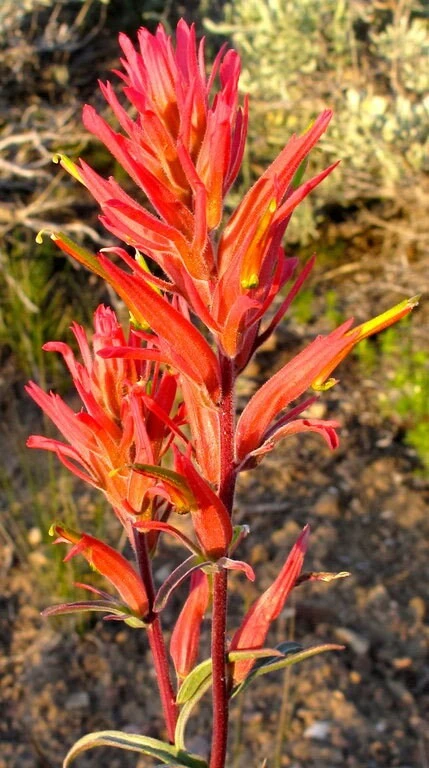
Wyoming Desert Paintbrush Seeds – Castilleja linariifolia – 50 Seeds – Full Sun Wildflower
Original price was: 48.91 $.19.91 $Current price is: 19.91 $.
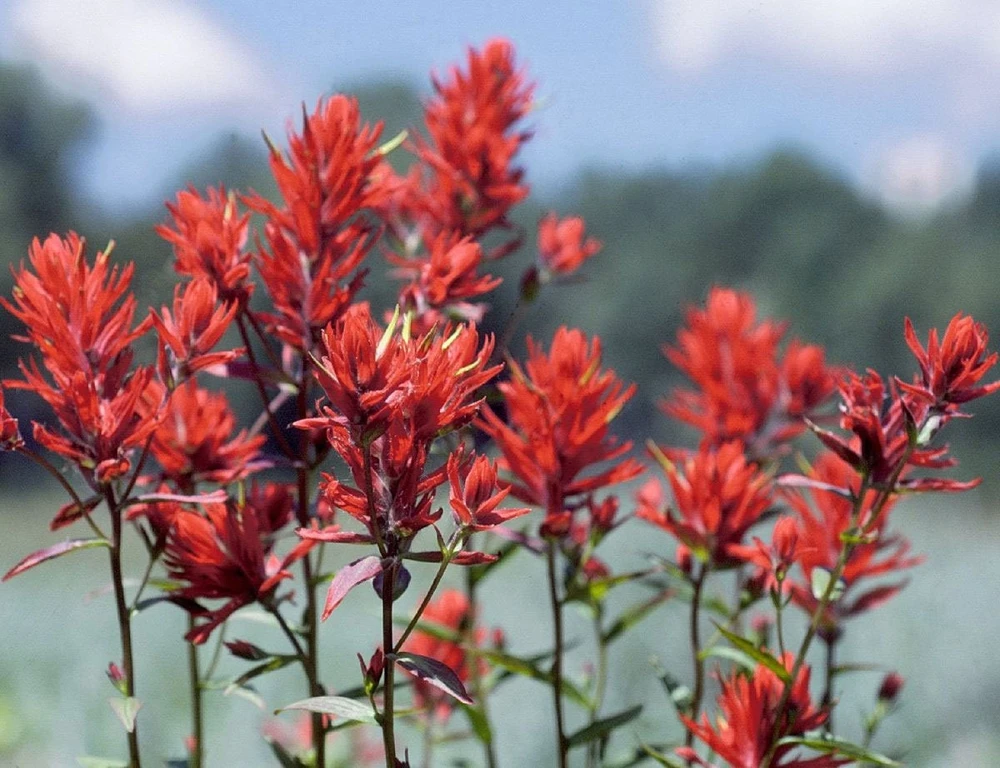
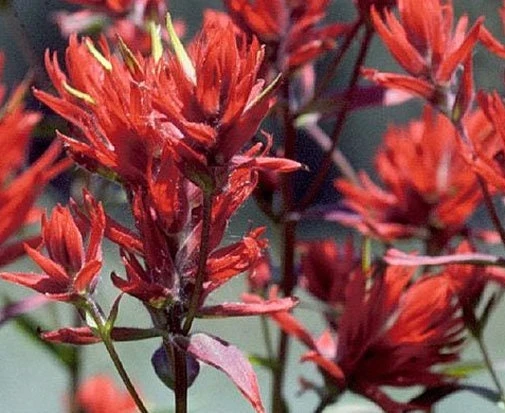
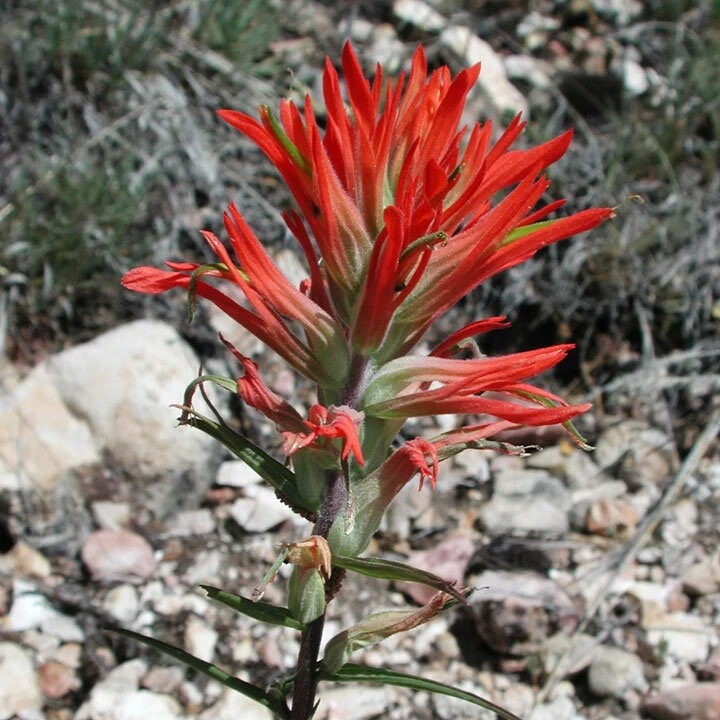
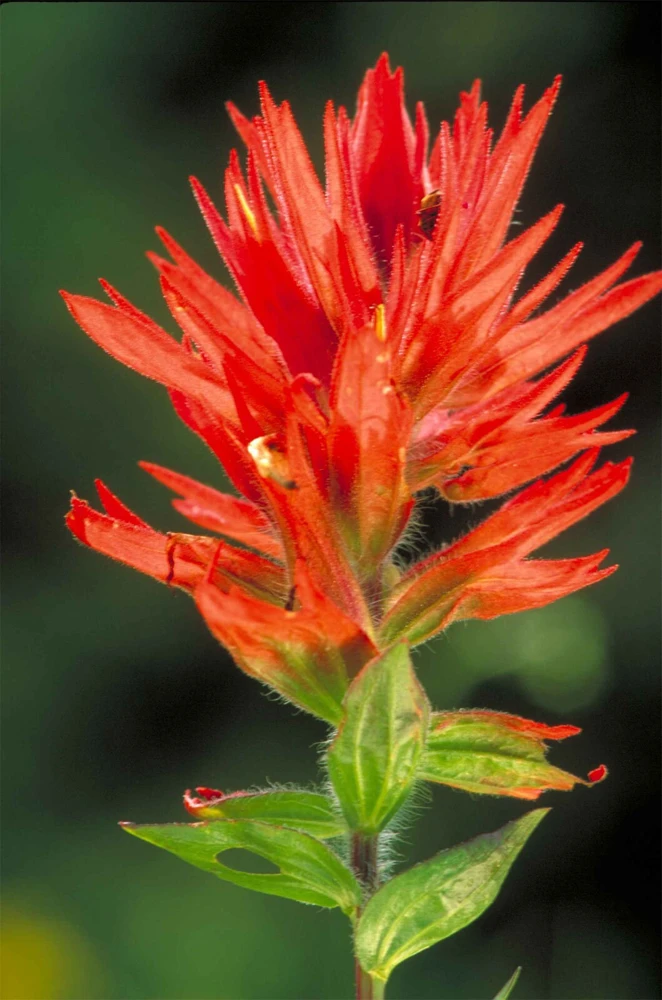
Cultivate the stunning Wyoming Desert Paintbrush seeds, Castilleja linariifolia, a vibrant wildflower perfect for sunny gardens. These desert paintbrush seeds produce beautiful rose, mauve, red, and orange flowers, attracting beneficial pollinators like butterflies. Ideal for creating a naturalized, colorful landscape in USDA Zones 3 to 8.
Estimated arrival
Nov 29
Dec 04 - Dec 06
Dec 06 - Dec 11
See our Shipping Policy.
Get in touch with us via email, and our team will review your concerns.
Our Alive & Thrive Guarantee covers issues with your plants within the first 30 days. Read our Refund & Returns Policy.
-
USDA Hardiness Zone
3 to 8 -
Soil Type
Well-draining, sandy or rocky soil -
Sunlight Exposure
Full sun -
Expected Planting Period
Spring to early summer
Overview
Introduce a touch of the American West to your garden with these premium Wyoming Desert Paintbrush seeds. Also known by its botanical name, Castilleja linariifolia, this spectacular wildflower is celebrated for its brilliant, flame-like blooms that add a burst of color to any sunny landscape. Each packet contains 50 seeds, offering a generous start to cultivating this iconic plant. The desert paintbrush seeds grow into a striking perennial that thrives in arid conditions, making it a resilient and beautiful addition to xeriscapes and native plant gardens. As the official state flower of Wyoming since 1917, the Wyoming Desert Paintbrush holds significant historical and ecological value, making it a unique and rewarding plant to grow. Its distinctive flowers, ranging from rose and mauve to vibrant reds and oranges, create an unforgettable visual display.
Growing Castilleja linariifolia from seed allows you to experience the full life cycle of this fascinating plant. While known for its somewhat challenging cultivation due to its hemiparasitic nature (it forms a symbiotic relationship with nearby plant roots), with proper care and companion planting, success is achievable. These seeds are perfect for gardeners looking to create a habitat for native wildlife, as this plant is a crucial larval host for several butterfly species. Embrace the beauty and ecological importance of the Wyoming state flower seeds by adding this extraordinary wildflower to your collection.
Key Benefits
Growing Wyoming Desert Paintbrush seeds offers numerous advantages for both your garden and local ecosystem. These seeds allow you to cultivate a plant that is not only visually stunning but also ecologically significant.
- Stunning Visual Appeal: The vibrant rose, mauve, red, and orange flowers of the Wyoming Desert Paintbrush create a spectacular and unique display in any garden. Its striking colors are a true highlight, especially in sunny, open areas.
- Attracts Pollinators: This plant is a magnet for various beneficial insects, including butterflies. It serves as a vital larval host plant for the Leanira Checkerspot, Theona Checkerspot, Black Checkerspot, and Ediths Checkerspot butterflies, making it an excellent choice for a pollinator garden.
- Native Wildflower: As a native species, Castilleja linariifolia is well-adapted to specific regional climates and conditions, requiring less intervention once established. Planting native species like these desert paintbrush seeds supports local biodiversity.
- Drought Tolerant: Once mature, the Wyoming Desert Paintbrush is highly tolerant of dry conditions, making it an ideal choice for xeriscaping or gardens in areas with limited water resources.
- Historical Significance: As the state flower of Wyoming, growing these Wyoming state flower seeds connects you to a piece of American natural heritage. It adds a layer of cultural and historical interest to your landscape.
- Unique Growth Habit: The hemiparasitic nature of the plant, while requiring some understanding, makes it a fascinating botanical specimen and a conversation starter among gardening enthusiasts.
- Low Maintenance Once Established: After the initial establishment phase, the Wyoming Desert Paintbrush requires minimal care, making it a rewarding plant for gardeners seeking beauty with less effort.
Plant Care & Growing Tips
Successfully growing Wyoming Desert Paintbrush seeds requires understanding its specific needs, particularly its hemiparasitic nature. This plant prefers to grow in full sun, meaning it needs at least six hours of direct sunlight daily to thrive and produce its characteristic vibrant blooms. Choose a location in your garden that receives abundant sunlight throughout the day. While it can tolerate a range of soil types, excellent drainage is crucial. Sandy or rocky soils that mimic its natural desert habitat are ideal. Avoid heavy, clay soils that retain too much moisture, as this can lead to root rot.
When planting your Castilleja linariifolia seeds, consider companion planting. The Wyoming Desert Paintbrush typically requires a host plant to thrive, as it draws some nutrients from the roots of nearby plants. Native grasses or other drought-tolerant perennials can serve as good companions. Water the seeds gently after planting to ensure good soil contact, but be careful not to overwater. Once established, this plant is quite drought-tolerant, so allow the soil to dry out between waterings. Overwatering is a common mistake that can hinder its growth. Fertilization is generally not necessary, and can even be detrimental, as the plant is adapted to nutrient-poor soils. Protect young seedlings from intense heat or frost until they are well-established. The USDA Hardiness Zones for this plant are 3 to 8, indicating its resilience to a wide range of temperatures.
Patience is key when growing desert paintbrush seeds, as germination can sometimes be slow and irregular. Stratification (a period of cold, moist treatment) is often recommended to break seed dormancy and improve germination rates. Once germinated, provide consistent care, ensuring adequate sunlight and appropriate moisture levels. Monitor for any signs of pests or diseases, though the Wyoming Desert Paintbrush is generally quite hardy. With the right conditions and a little care, you can enjoy the stunning beauty of the Wyoming state flower seeds in your own garden, attracting a variety of pollinators and adding a unique native touch.
Size & Details
These Wyoming Desert Paintbrush seeds, or Castilleja linariifolia, are offered in a packet containing 50 seeds, providing a good quantity to start your garden project. When fully grown, the plants typically reach a height of about two feet, though they have been known to grow up to four feet tall in optimal conditions. The beautiful flowers are mostly rose, mauve, red, and orange with wisps of yellow, creating a striking visual contrast. These perennial wildflowers are best planted in the spring or early summer after the last frost, allowing them ample time to establish before the colder months. They are well-suited for a variety of garden settings, including wildflower meadows, rock gardens, and naturalized areas where their unique beauty can be appreciated. The plant’s growth rate is moderate, and while it may take some time to establish, the resulting vibrant blooms are well worth the effort.
The Wyoming Desert Paintbrush seeds are ideal for gardeners in USDA Hardiness Zones 3 to 8, indicating their ability to withstand cold winters and warm summers within these regions. They thrive in full sun exposure, ensuring the most prolific flowering. While specific width measurements can vary, these plants generally form an upright clump. The seeds arrive ready for planting, though pre-treatment like cold stratification can significantly improve germination success. Expect the first blooms in the second growing season, as perennials often focus on root development in their initial year. Cultivating these wildflower seeds for pollinators will provide a long-lasting source of nectar and habitat for local butterfly populations.
Frequently Asked Questions
- Q: How big does this plant get? A: The Wyoming Desert Paintbrush typically grows about two feet high, but under ideal conditions, it can reach up to four feet in height. Its upright growth habit makes it a noticeable addition to the garden.
- Q: Is this an indoor or outdoor plant? A: The Wyoming Desert Paintbrush seeds are intended for outdoor cultivation. This wildflower thrives in full sun and is best suited for garden beds, meadows, or naturalized areas.
- Q: How much sunlight does it need? A: This plant requires full sun exposure, meaning it needs at least 6 hours of direct sunlight per day to flower profusely and maintain healthy growth.
- Q: Is this plant easy to care for? A: Growing Castilleja linariifolia seeds can be moderately challenging due to its hemiparasitic nature, requiring a host plant for optimal growth. However, once established with suitable companions, it is quite low-maintenance and drought-tolerant.
- Q: What condition will the seeds arrive in? A: The product consists of 50 seeds of the Wyoming Desert Paintbrush, packaged to ensure their viability for planting. They will arrive in a dry, ready-to-plant state.
- Q: When is the best time to plant these seeds? A: The best time to plant desert paintbrush seeds is in the spring or early summer, after all danger of frost has passed. Cold stratification before planting can significantly improve germination rates.
- Q: Will it survive winter in my zone? A: Yes, the Wyoming Desert Paintbrush is hardy in USDA Zones 3 to 8, meaning it can tolerate winter conditions in these regions and will return year after year as a perennial.
- Q: What types of flowers can I expect from these seeds? A: You can expect beautiful flowers in shades of rose, mauve, red, and orange, often with wisps of yellow. These vibrant colors are a hallmark of the Wyoming state flower seeds.
- Q: Why are these seeds good for pollinators? A: This plant is a crucial larval host for several butterfly species, including the Leanira Checkerspot, Theona Checkerspot, Black Checkerspot, and Ediths Checkerspot, making these wildflower seeds for pollinators an excellent choice for supporting local wildlife.
- Q: Do I need special soil for these seeds? A: The Wyoming Desert Paintbrush prefers well-draining soil, ideally sandy or rocky, mimicking its natural habitat. Avoid heavy clay soils.
Be the first to review “Wyoming Desert Paintbrush Seeds – Castilleja linariifolia – 50 Seeds – Full Sun Wildflower”
Related products


You May Like

How to Grow Passion Flower (Passiflora) for Tropical Blooms
Few climbing vines in the home garden command attention quite like the exotic Passion Flower (Passiflora). [...]
Nov

Thanksgiving Cactus Care: How to Get Thanksgiving Cactus to Bloom
Is your Thanksgiving cactus growing well but not giving you any flowers? Maybe it looked [...]
Nov

How to Grow Garlic for a Bountiful Home Harvest
Garlic (Allium sativum) is one of the most satisfying, low-maintenance, and flavor-packed crops you can [...]
Oct

Hardneck vs. Softneck Garlic: Which Should You Grow?
Have you ever stood in front of a seed catalog in mid-September, staring at dozens [...]
1 Comment
Oct

When to Plant Music Garlic: Ultimate US Fall Guide
Have you ever spent your fall weekend placing carefully chosen garlic cloves into rich, dark [...]
1 Comment
Oct

5 Best Bulbs for Fall Planting: Brighten Your Garden This Spring
Are you dreaming of a garden full of vibrant colors in the spring? The key [...]
Aug

10 Houseplants That Will Thrive in Your Kitchen
Are you tired of your kitchen feeling dull and lifeless? Want to add a little [...]
1 Comment
Aug
Reviews
There are no reviews yet.