
Berberis trigona Orange King Seeds – 10 Seeds, Deer Resistant Shrub
Original price was: 48.91 $.19.91 $Current price is: 19.91 $.
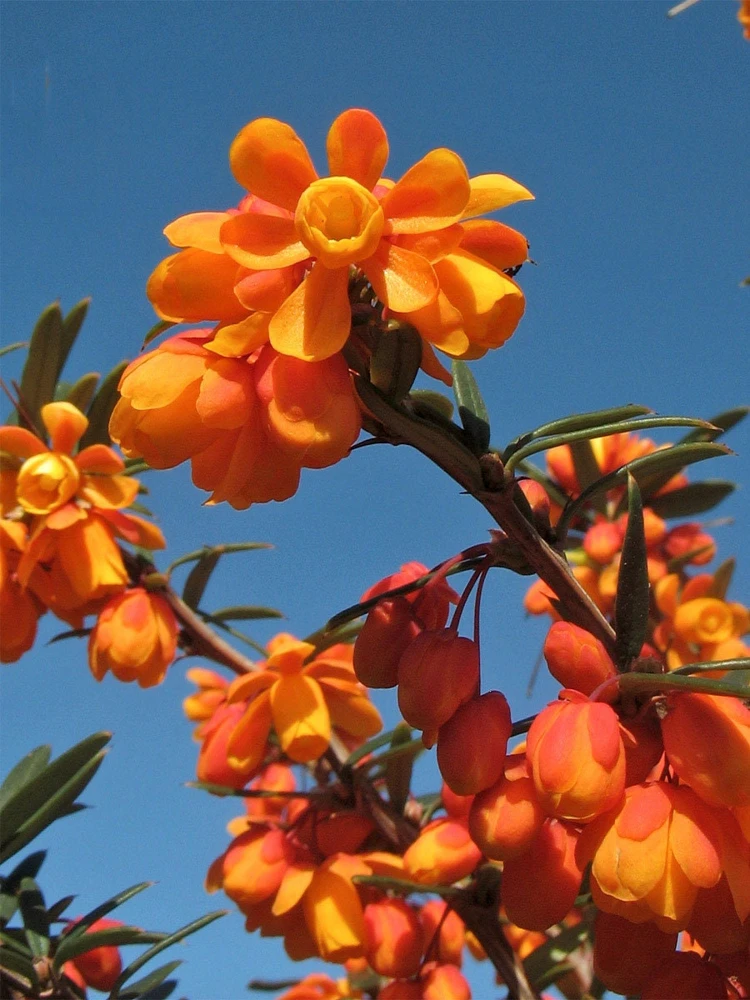
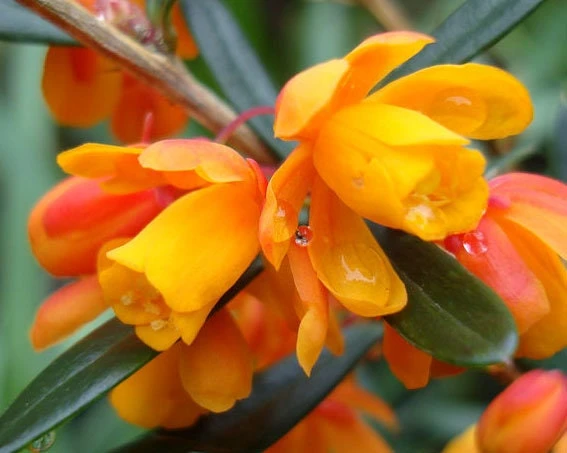
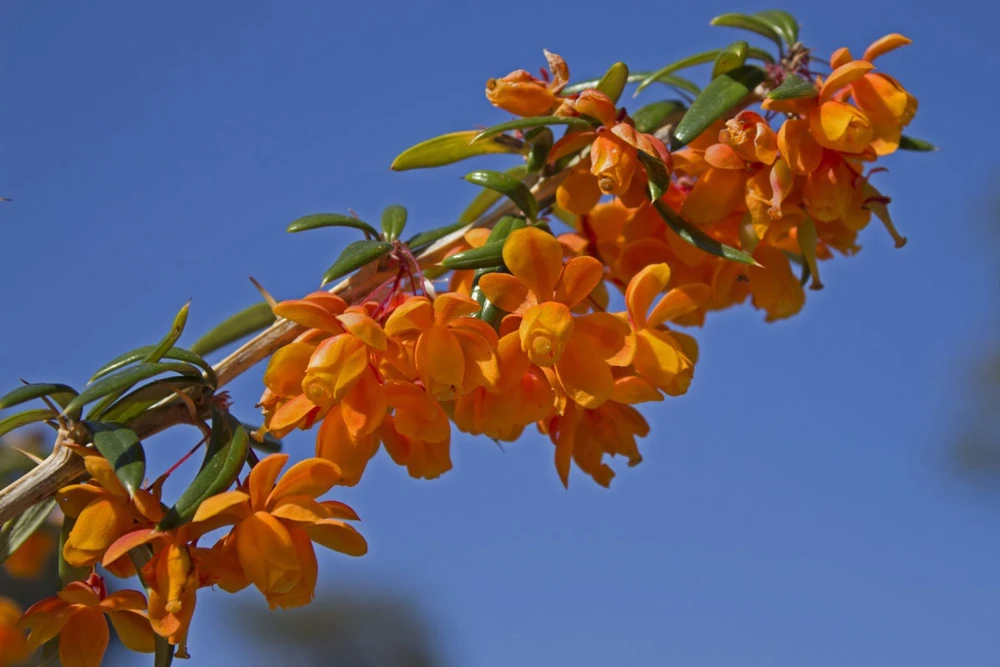
Cultivate a striking landscape with Berberis trigona Orange King seeds. These 10 seeds grow into a beautiful, deer-resistant shrub, reaching up to 12 feet tall with vibrant yellow and orange blossoms. Enjoy edible fruit and natural dye potential.
Estimated arrival
Nov 26
Dec 01 - Dec 03
Dec 03 - Dec 08
See our Shipping Policy.
Get in touch with us via email, and our team will review your concerns.
Our Alive & Thrive Guarantee covers issues with your plants within the first 30 days. Read our Refund & Returns Policy.
-
USDA Hardiness Zone
USDA Hardiness Zones 8 to 11 -
Soil Type
Well-draining soil -
Sunlight Exposure
Full sun to partial shade -
Expected Planting Period
Spring to early summer
Overview
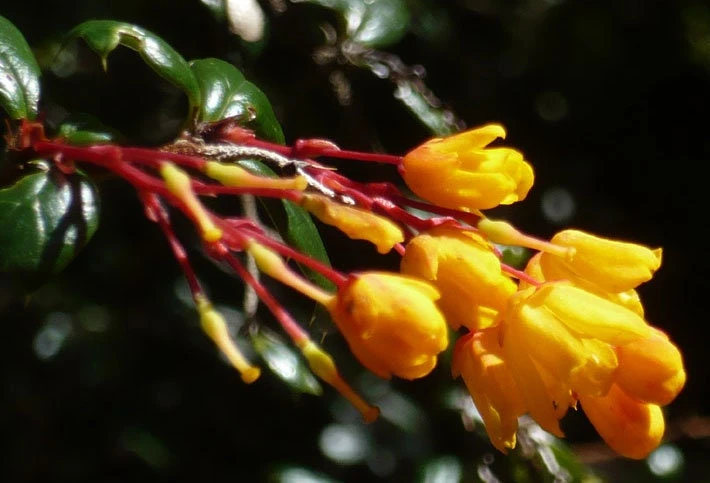
Embark on a rewarding gardening journey with Berberis trigona Orange King seeds. This offering includes 10 high-quality seeds of the Berberis trigona, commonly known as Orange King, a captivating shrub prized for its ornamental value and resilience. As a unique addition to any garden, these seeds promise to grow into a stately plant that can reach up to 12 feet in height, making a significant impact on your landscape. The Orange King shrub is celebrated for its vibrant display of yellow and orange blossoms, which grace the plant from mid-spring through mid-summer, providing a continuous burst of color. Beyond its aesthetic appeal, this plant is also known for its practical uses, including edible fruit and a natural yellow dye derived from its leaves and stems.
The Berberis trigona Orange King seeds are ideal for gardeners looking for a low-maintenance yet striking plant. This shrub thrives in a range of light conditions, from full sun to partial shade, offering flexibility in placement within your garden design. Its inherent deer resistance is a significant advantage, protecting your hard work from common garden pests. Whether you’re an experienced horticulturist or a budding enthusiast, growing this plant from seed provides a deep connection to nature and the satisfaction of nurturing life from its very beginning. Prepare to transform your outdoor space with the enduring beauty and unique characteristics of the Orange King.
Key Benefits
Discover the numerous advantages of incorporating Berberis trigona Orange King seeds into your garden. This remarkable shrub offers a blend of beauty, utility, and resilience that makes it a standout choice for various landscapes.
- Vibrant Seasonal Display: Enjoy a spectacular show of yellow and orange blossoms from mid-spring to mid-summer. These colorful flowers attract pollinators and add dynamic visual interest to your garden, making the Orange King shrub seeds a fantastic choice for seasonal color.
- Deer Resistance: A significant benefit for many gardeners, this shrub is known to be fairly deer resistant, helping to protect your plants from browsing damage and ensuring your landscape remains pristine. This feature is particularly appealing for those in areas with high deer populations.
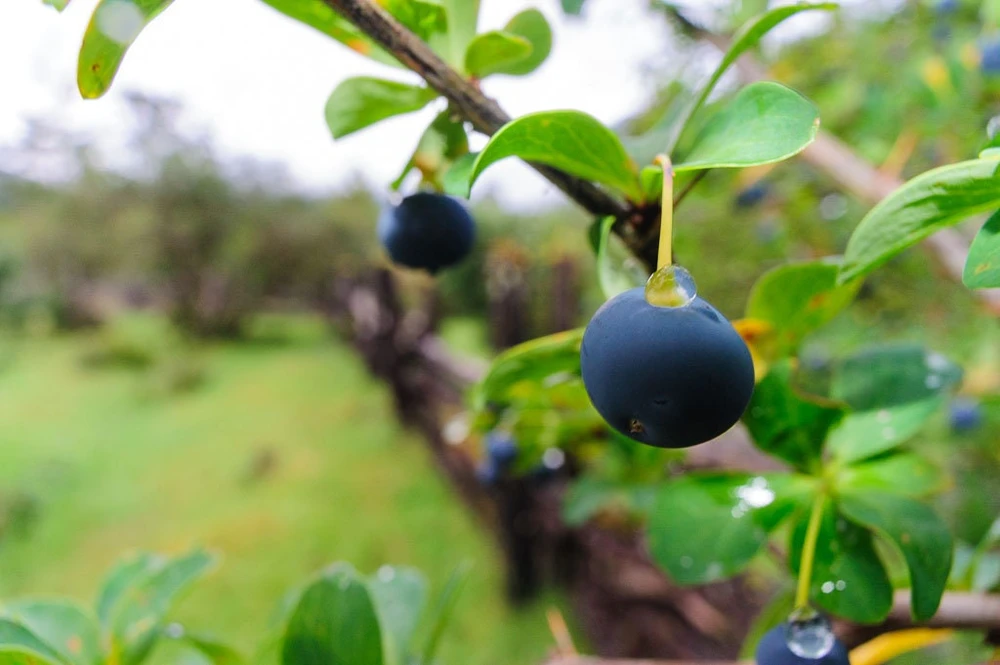
- Edible Fruit Production: The Berberis trigona produces small, acidic, but edible fruits. These can be enjoyed fresh, or used in preserves and other culinary creations, adding a unique flavor to your homemade dishes.
- Natural Dye Source: The leaves and stems of the Orange King can be cut to extract a yellow liquid, which serves as an excellent natural dye. This offers a creative and sustainable resource for crafting and textile projects.
- Adaptable Growing Conditions: This shrub is remarkably adaptable, thriving in both full sun and partial shade, allowing for greater flexibility in garden placement. This versatility ensures that the Berberis trigona growing process is accessible to a wider range of garden environments.
- Impressive Height: Growing up to 12 feet tall, the Orange King provides a strong vertical element in garden design, making it suitable for hedges, privacy screens, or as a striking specimen plant.
- Hardiness: Well-suited for USDA Hardiness Zones 8 to 11, ensuring it can withstand a range of temperatures and climates, making it a reliable perennial in suitable regions.
Plant Care & Growing Tips
Successful cultivation of Berberis trigona Orange King seeds begins with understanding its specific care requirements. This shrub is generally low-maintenance, but providing optimal conditions will ensure robust growth and abundant blooms. Start your seeds indoors 6-8 weeks before the last frost date, or sow directly outdoors after the danger of frost has passed. Ensure consistent moisture during germination.
Once established, the Orange King thrives in a location with full sun to partial shade. Full sun encourages the most prolific blooming and vibrant foliage, while partial shade can be beneficial in hotter climates to prevent leaf scorch. The ideal soil for Berberis trigona growing is well-draining, moderately fertile, and has a neutral to slightly acidic pH. Avoid heavy, waterlogged soils, as these can lead to root rot. Regular watering is crucial during the plant’s first growing season to help establish a strong root system. After establishment, the shrub becomes more drought-tolerant, but occasional deep watering during prolonged dry spells will be beneficial. Fertilize lightly in early spring with a balanced, slow-release granular fertilizer, or a general-purpose liquid feed.
Pruning is best done after the flowering period to maintain shape and size, and to remove any dead or damaged branches. The deer resistant shrub seeds will grow into a plant that is quite resilient to pests and diseases, but always monitor for common garden issues. The USDA Hardiness Zones 8 to 11 indicate its tolerance to winter temperatures, meaning it can typically withstand minimum temperatures ranging from 10°F to 30°F. For those in colder zones, consider growing it in a large container that can be moved indoors during winter. Proper care will ensure your Orange King shrub flourishes, providing years of beauty and benefit.
Size & Details
The Berberis trigona Orange King seeds provided will mature into a substantial and visually impressive shrub. When fully grown, this plant can reach an impressive height of up to 12 feet, with a similar spread, creating a significant presence in your garden. Its growth rate is moderate, allowing you to enjoy its development over time. The seeds are typically packaged to ensure viability and are ready for planting upon arrival. These seeds will develop into a robust plant known for its beautiful yellow and orange blossoms, which typically appear from the middle of Spring until the middle of Summer.
The fruit produced by the Orange King is small, acidic, and edible, offering a unique foraging opportunity. Furthermore, the leaves and stems yield a distinctive yellow liquid that can be used for natural dyeing, adding a layer of utility to this ornamental plant. This shrub is well-suited for USDA Hardiness Zones 8 to 11, making it a suitable choice for a wide range of temperate climates. Planting these edible fruit plant seeds will provide a long-term investment in your garden’s beauty and biodiversity.
Frequently Asked Questions
- Q: How big does the Berberis trigona Orange King get? A: The Berberis trigona Orange King seeds will grow into a shrub that can reach an impressive height of up to 12 feet. It typically has a similar spread, creating a substantial presence in the garden.
- Q: Is this an indoor or outdoor plant? A: The Berberis trigona Orange King is primarily an outdoor shrub. It thrives in garden settings within USDA Hardiness Zones 8 to 11, though it can be grown in large containers and moved indoors in colder climates.
- Q: How much sunlight does it need? A: This shrub performs best in full sun to partial shade. For the most vibrant blooms and robust growth, aim for at least 6 hours of direct sunlight per day, especially for the Orange King shrub seeds to flourish.
- Q: Is this plant easy to care for? A: Yes, the Berberis trigona Orange King is considered fairly low-maintenance once established. It’s known for its resilience and adaptability, making it a good choice for both experienced and novice gardeners looking for Berberis trigona growing success.
- Q: What condition will the seeds arrive in? A: The Berberis trigona Orange King seeds are carefully selected and packaged to ensure their viability upon arrival, ready for you to begin the germination process.
- Q: How long until it blooms? A: While germination and initial growth will occur in the first year, the shrub typically begins to produce its characteristic yellow and orange blossoms once it reaches maturity, usually within 2-3 years after planting the seeds.
- Q: Will it survive winter in my zone? A: The Berberis trigona Orange King is hardy in USDA Zones 8 to 11. If you are in these zones, it should survive winter outdoors. For zones outside this range, winter protection or container growing is recommended.
- Q: Are the fruits edible? A: Yes, the Berberis trigona produces small, acidic fruits that are indeed edible. They can be consumed fresh or used in various culinary applications, making these edible fruit plant seeds a versatile choice.
- Q: Is the plant deer resistant? A: A notable feature of this plant is its deer resistance. The deer resistant shrub seeds will grow into a plant that is generally not preferred by deer, helping to protect your landscape.
- Q: What type of soil does it prefer? A: The Orange King prefers well-draining soil that is moderately fertile. It is adaptable to various soil types but dislikes heavy, waterlogged conditions.
Be the first to review “Berberis trigona Orange King Seeds – 10 Seeds, Deer Resistant Shrub”
Related products


You May Like

How to Grow Passion Flower (Passiflora) for Tropical Blooms
Few climbing vines in the home garden command attention quite like the exotic Passion Flower (Passiflora). [...]
Nov

Thanksgiving Cactus Care: How to Get Thanksgiving Cactus to Bloom
Is your Thanksgiving cactus growing well but not giving you any flowers? Maybe it looked [...]
Nov

How to Grow Garlic for a Bountiful Home Harvest
Garlic (Allium sativum) is one of the most satisfying, low-maintenance, and flavor-packed crops you can [...]
Oct

Hardneck vs. Softneck Garlic: Which Should You Grow?
Have you ever stood in front of a seed catalog in mid-September, staring at dozens [...]
1 Comment
Oct

When to Plant Music Garlic: Ultimate US Fall Guide
Have you ever spent your fall weekend placing carefully chosen garlic cloves into rich, dark [...]
1 Comment
Oct

5 Best Bulbs for Fall Planting: Brighten Your Garden This Spring
Are you dreaming of a garden full of vibrant colors in the spring? The key [...]
Aug

10 Houseplants That Will Thrive in Your Kitchen
Are you tired of your kitchen feeling dull and lifeless? Want to add a little [...]
1 Comment
Aug
Reviews
There are no reviews yet.