
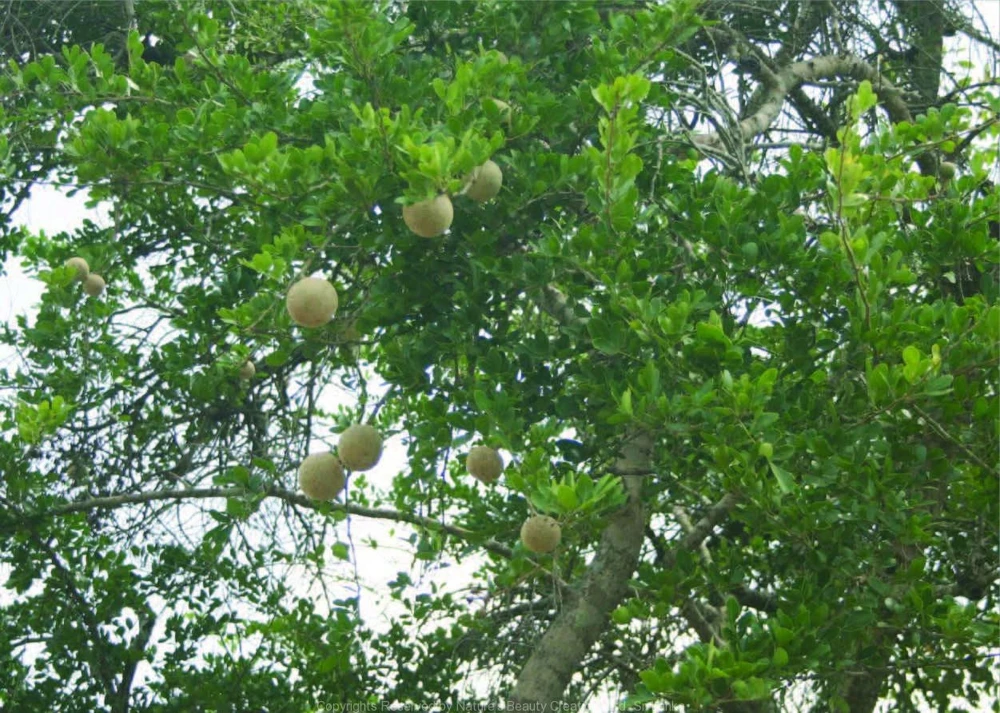
Elephant Apple Seeds (Limonia acidissima) – 10 Pack – Monkey Fruit Seeds
Original price was: 48.91 $.19.91 $Current price is: 19.91 $.
Cultivate the unique Elephant Apple (Limonia acidissima) from this pack of 10 viable seeds. Also known as monkey fruit seeds or wood apple, these seeds offer the chance to grow a tropical tree prized for its versatile, flavorful fruit. Ideal for USDA Zones 9b-11, these seeds are your first step to enjoying exotic flavors in your garden.
Estimated arrival
Nov 27
Dec 02 - Dec 04
Dec 04 - Dec 09
See our Shipping Policy.
Get in touch with us via email, and our team will review your concerns.
Our Alive & Thrive Guarantee covers issues with your plants within the first 30 days. Read our Refund & Returns Policy.
-
USDA Hardiness Zone
USDA zones 9b to 11 -
Soil Type
Well-draining, moderately fertile soil (sandy loam preferred) -
Sunlight Exposure
Full sun (6-8+ hours direct sunlight) -
Expected Planting Period
Spring to early summer
Overview
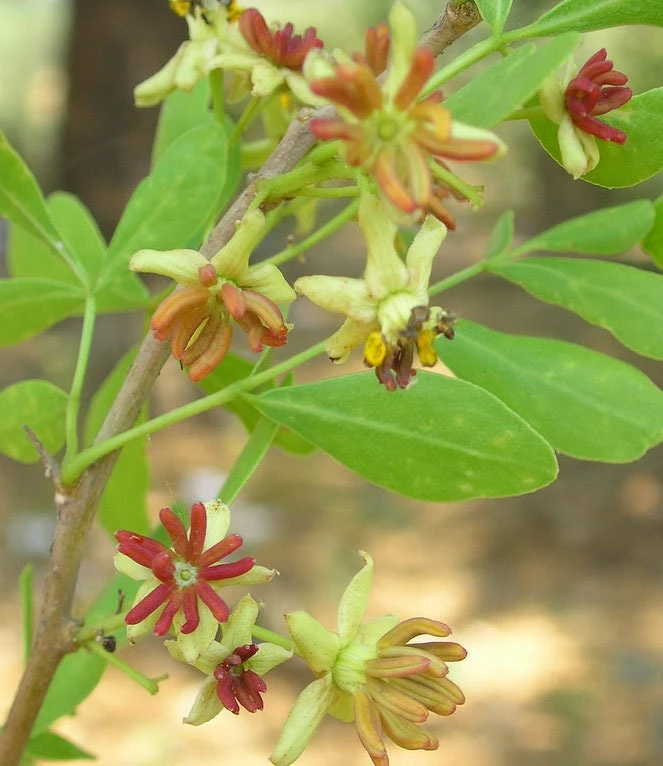
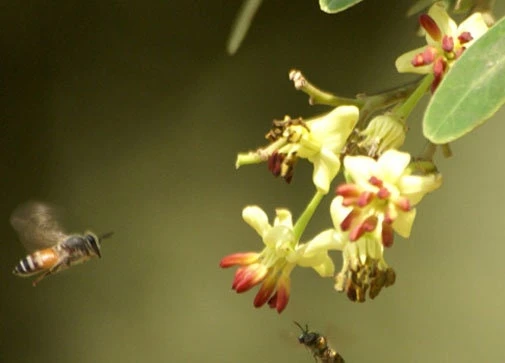
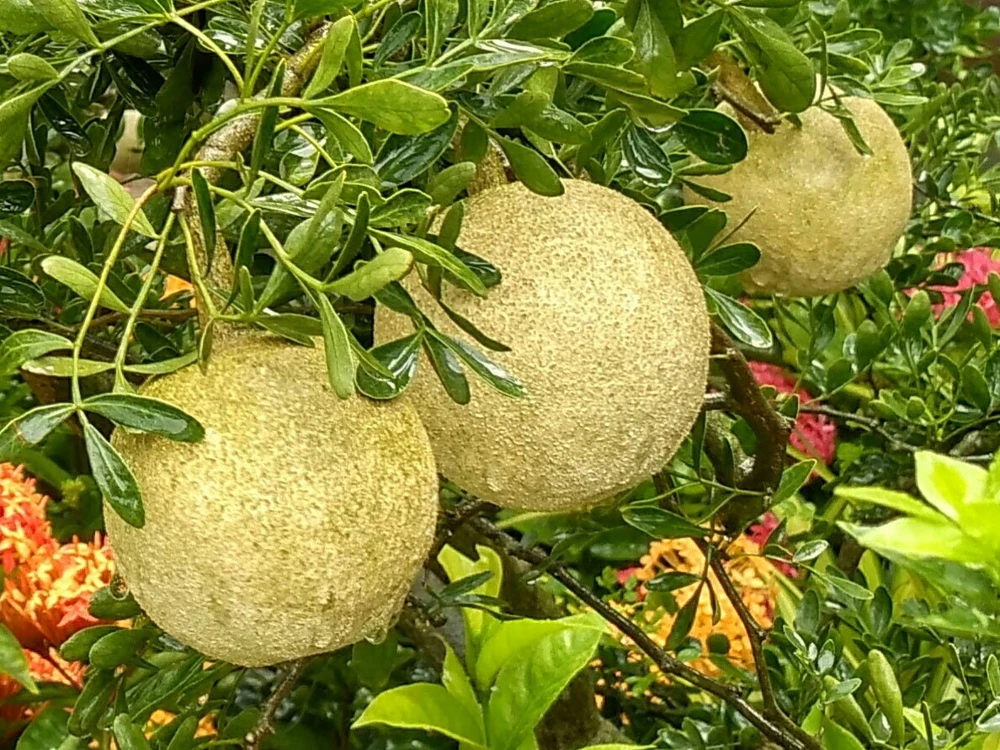
Embark on an exciting horticultural journey by growing your own Elephant Apple seeds. This pack contains 10 high-quality seeds of Limonia acidissima, a fascinating tropical tree known by many names, including wood apple and monkey fruit seeds. Native to Southeast Asia, this tree produces distinctive, hard-shelled fruits that are highly valued for their unique culinary applications. While the fruit itself is tart, it boasts a complex flavor profile often described as a blend of mango, honey, and banana, making it a delightful ingredient for beverages. Growing this tree from seed allows you to experience the full lifecycle of a truly exotic plant, bringing a touch of the tropics to your garden or greenhouse. The Limonia acidissima seeds are carefully selected to give you the best chance of successful germination and establishment.
The Elephant Apple tree is the sole species in the genus Limonia, making it a botanical curiosity as well as a source of delicious fruit. This hardy tree thrives in warm climates, making it an excellent choice for gardeners in USDA Hardiness Zones 9b to 11. With proper care and attention, these seeds will germinate and grow into robust trees capable of producing their intriguing fruit. Imagine harvesting your own wood apples to create refreshing drinks or add a unique twist to your culinary creations. The satisfaction of growing such a distinctive plant from scratch is immense, and these Elephant Apple seeds provide the perfect starting point.
Key Benefits
Growing Elephant Apple seeds offers a range of rewarding benefits, from the joy of cultivation to the unique culinary potential of its fruit. These benefits make Limonia acidissima seeds a fantastic choice for adventurous gardeners and food enthusiasts alike:
- Unique Culinary Ingredient: The fruit of the Elephant Apple, also known as wood apple or monkey fruit, is highly prized for its distinctive flavor. It’s often used to make a popular, refreshing drink similar to lemonade, offering notes of mango, honey, and banana, which can be sweetened to taste.
- Exotic Garden Addition: Cultivating Limonia acidissima brings an exotic touch to your garden or landscape, particularly in warmer climates. Its unique appearance and fruit production make it a conversation starter and a fascinating specimen plant.
- Botanical Interest: As the sole species in its genus, the Elephant Apple presents a unique botanical study. Growing it from Limonia acidissima seeds allows for a deeper appreciation of plant diversity and evolution.
- Sustainable Sourcing: By growing your own fruit from Elephant Apple seeds, you contribute to sustainable practices and ensure you have access to fresh, homegrown produce without relying on imported goods.
- Educational Experience: The process of germinating and nurturing monkey fruit seeds into a mature tree provides a valuable educational experience for both adults and children, fostering a connection with nature and the origins of food.
- Adaptable to Warm Climates: These seeds are suitable for growing in USDA Hardiness Zones 9b to 11, where the tree can thrive outdoors. In cooler regions, it can be grown in containers and brought indoors during colder months.
- Potential for Refreshing Beverages: The primary use of the wood apple fruit is in creating delicious, tangy drinks. Learning to grow elephant apple means you’ll have a fresh supply for making your own unique tropical refreshments.
Plant Care & Growing Tips
Successfully germinating and growing Elephant Apple seeds into a thriving tree requires attention to specific environmental conditions. These Limonia acidissima seeds prefer warm, sunny environments to flourish. Start by soaking the seeds in warm water for 24-48 hours before planting to aid germination. Plant them about 1/2 inch deep in a well-draining seed-starting mix. Maintain consistent moisture without waterlogging the soil. A warm germination temperature, ideally between 75-85°F (24-29°C), is crucial. Using a heat mat can significantly improve germination rates for monkey fruit seeds.
Once seedlings emerge, provide them with plenty of bright light. Full sun exposure is ideal for mature Elephant Apple trees, meaning at least 6-8 hours of direct sunlight per day. For young seedlings, bright indirect light is best to prevent scorching. Gradually acclimate them to full sun as they mature. The soil should be well-draining and moderately fertile; a sandy loam is often recommended. While the tree is somewhat drought-tolerant once established, young plants will require regular watering to ensure consistent growth. Allow the top inch or two of soil to dry out slightly between waterings.
The Elephant Apple tree is suitable for USDA Hardiness Zones 9b to 11. In these zones, it can be grown outdoors year-round. If you’re in a cooler zone, consider growing it in a large container that can be moved indoors during winter to protect it from frost. Fertilize young trees with a balanced, slow-release fertilizer during the growing season. Pruning can be done to maintain shape and encourage fruit production. Keep an eye out for common pests and diseases, though Limonia acidissima is generally robust. Learning to grow elephant apple successfully will reward you with a unique and productive tree.
Size & Details
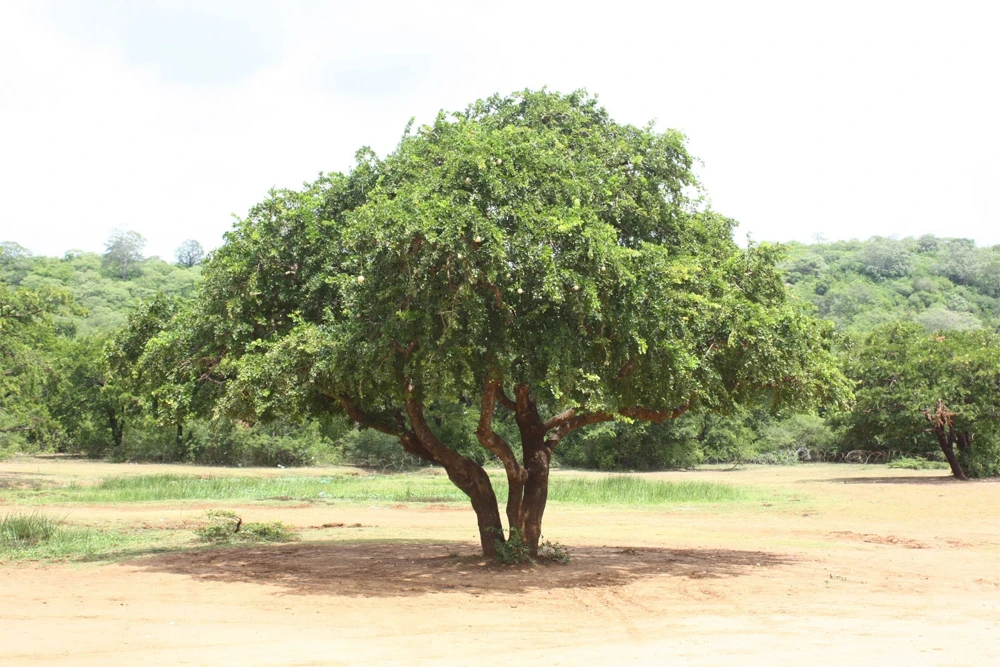
This product includes 10 Elephant Apple seeds (Limonia acidissima), ready for planting. The Elephant Apple tree is a medium-sized deciduous tree, typically reaching heights of 20-40 feet (6-12 meters) in its native habitat, though it can be kept smaller with pruning in cultivation or when grown in containers. Its growth rate is moderate to fast, depending on conditions. The fruit, which is hard-shelled and round, usually matures within 9-12 months after flowering. Each seed has the potential to grow into a robust tree capable of producing these distinctive wood apples. These Limonia acidissima seeds are ideal for starting your own tropical fruit collection. The seeds are shipped as a dry pack, ensuring their viability upon arrival, and are ready for pre-soaking and planting.
Frequently Asked Questions
- Q: How big does the Elephant Apple tree get? A: In ideal conditions, the Elephant Apple tree can reach heights of 20-40 feet (6-12 meters). However, its size can be managed through pruning, especially if grown in a container, making it adaptable to various garden sizes.
- Q: Is this an indoor or outdoor plant? A: The Elephant Apple tree thrives outdoors in USDA Hardiness Zones 9b to 11. In cooler climates, it can be grown in a large pot and brought indoors during the colder months to protect it from frost, making it possible to grow elephant apple in a wider range of regions.
- Q: How much sunlight does it need? A: Mature Elephant Apple trees require full sun exposure, meaning at least 6-8 hours of direct sunlight per day, for optimal growth and fruit production. Young seedlings benefit from bright indirect light before being gradually introduced to full sun.
- Q: Is this plant easy to care for? A: While germinating Elephant Apple seeds requires patience and specific conditions like warmth and consistent moisture, established trees are relatively low-maintenance. They are fairly drought-tolerant once mature and generally robust, making them a rewarding plant for intermediate gardeners.
- Q: What condition will the seeds arrive in? A: The 10 Elephant Apple seeds will arrive in a dry pack, ensuring their preservation and viability. They are ready for pre-soaking and planting upon receipt, offering you fresh Limonia acidissima seeds to start your growing project.
- Q: When is the best time to plant these Elephant Apple seeds? A: The best time to plant Elephant Apple seeds is in spring or early summer, when temperatures are consistently warm. This provides the ideal conditions for germination and initial growth, aligning with the natural growing season.
- Q: What is the main use of the fruit from these monkey fruit seeds? A: The fruit from these monkey fruit seeds, also known as wood apple, is primarily used to make a popular, refreshing drink. It has a unique sweet and sour taste, often described as a mix of mango, honey, and banana, and is delicious when sweetened.
- Q: Will these wood apple seeds survive winter in my zone? A: The trees grown from these wood apple seeds are hardy in USDA Zones 9b to 11. If you are outside these zones, you will need to provide winter protection, such as bringing potted trees indoors or providing greenhouse conditions.
- Q: Do I need special soil to grow Limonia acidissima seeds? A: While not strictly special, Limonia acidissima seeds and young plants prefer well-draining, moderately fertile soil, such as a sandy loam. Good drainage is crucial to prevent root rot.
- Q: How long until the tree produces fruit after planting the Elephant Apple seeds? A: Typically, an Elephant Apple tree grown from seed will begin producing fruit within 5-8 years, depending on growing conditions and care. The fruit itself takes about 9-12 months to mature once flowering occurs.
Be the first to review “Elephant Apple Seeds (Limonia acidissima) – 10 Pack – Monkey Fruit Seeds”
Related products


You May Like

How to Grow Passion Flower (Passiflora) for Tropical Blooms
Few climbing vines in the home garden command attention quite like the exotic Passion Flower (Passiflora). [...]
Nov

Thanksgiving Cactus Care: How to Get Thanksgiving Cactus to Bloom
Is your Thanksgiving cactus growing well but not giving you any flowers? Maybe it looked [...]
Nov

How to Grow Garlic for a Bountiful Home Harvest
Garlic (Allium sativum) is one of the most satisfying, low-maintenance, and flavor-packed crops you can [...]
Oct

Hardneck vs. Softneck Garlic: Which Should You Grow?
Have you ever stood in front of a seed catalog in mid-September, staring at dozens [...]
1 Comment
Oct

When to Plant Music Garlic: Ultimate US Fall Guide
Have you ever spent your fall weekend placing carefully chosen garlic cloves into rich, dark [...]
1 Comment
Oct

5 Best Bulbs for Fall Planting: Brighten Your Garden This Spring
Are you dreaming of a garden full of vibrant colors in the spring? The key [...]
Aug

10 Houseplants That Will Thrive in Your Kitchen
Are you tired of your kitchen feeling dull and lifeless? Want to add a little [...]
1 Comment
Aug
Reviews
There are no reviews yet.