
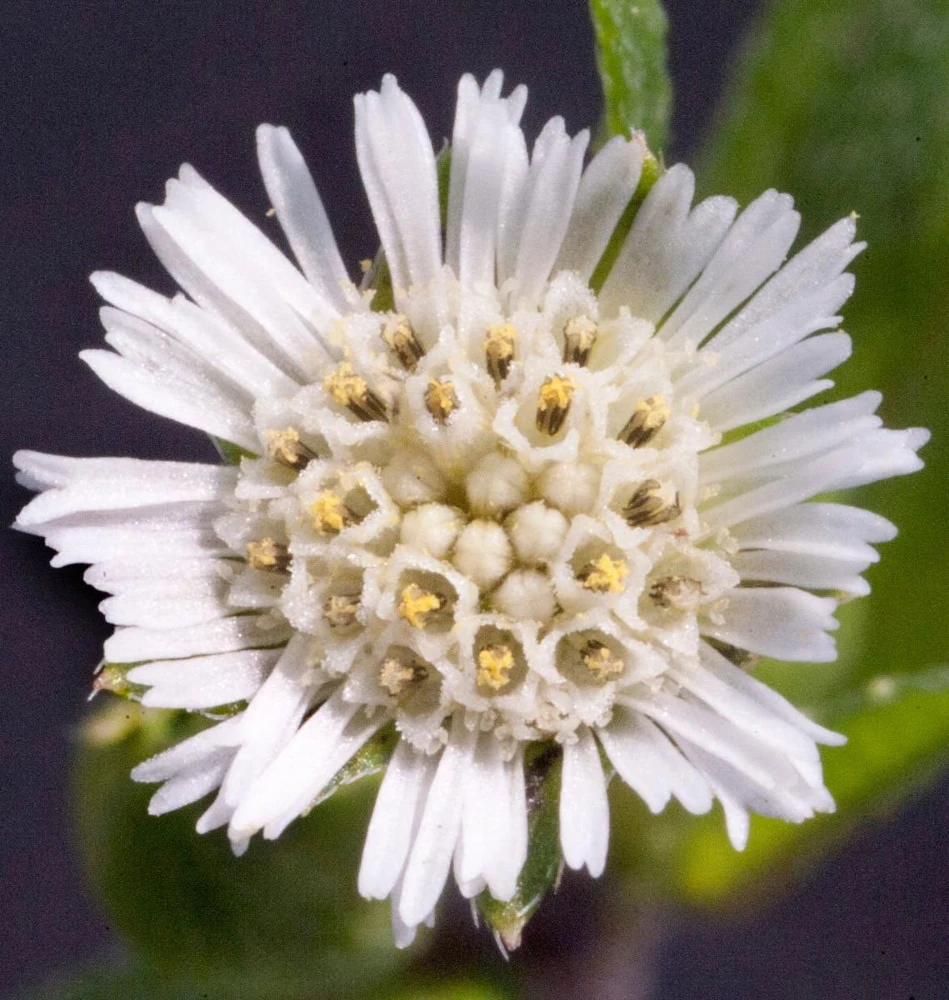
Eclipta Prostrata Seeds – False Daisy Bhringraj Seeds – 50 Count
Original price was: 48.91 $.19.91 $Current price is: 19.91 $.
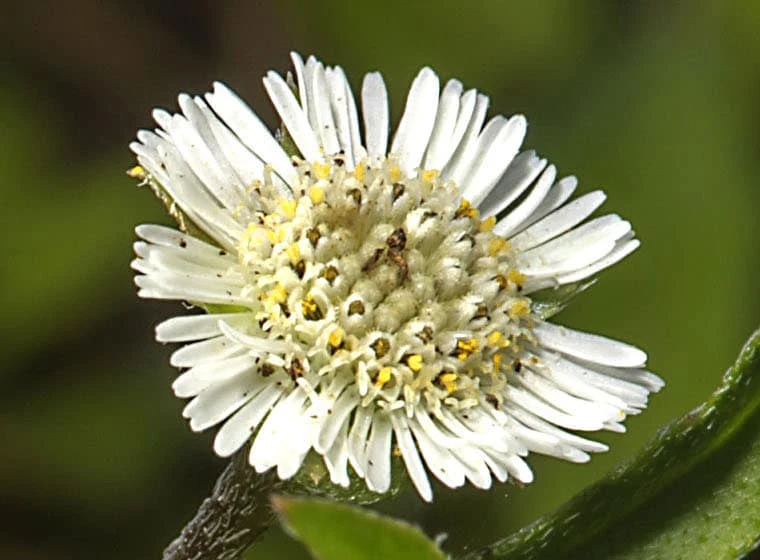
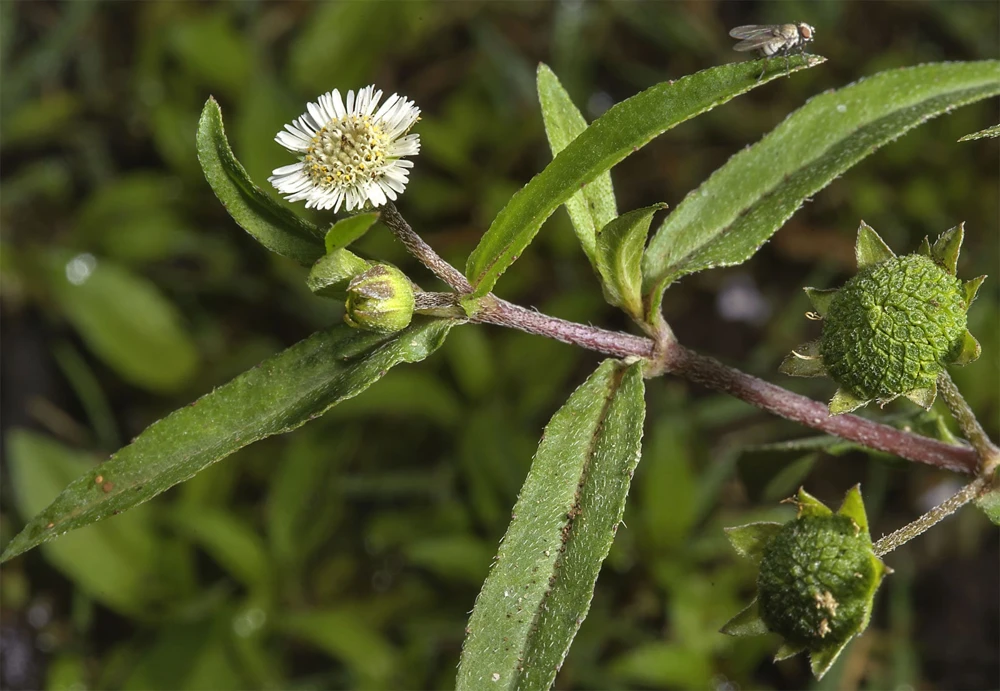
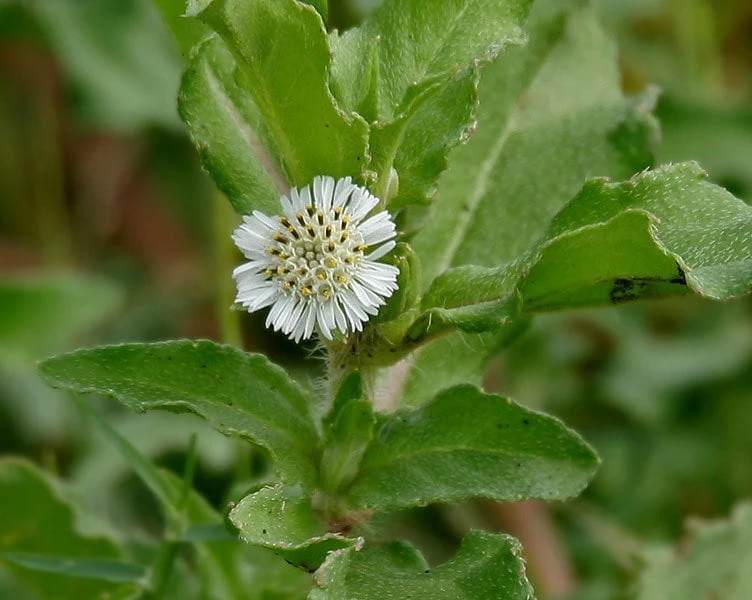
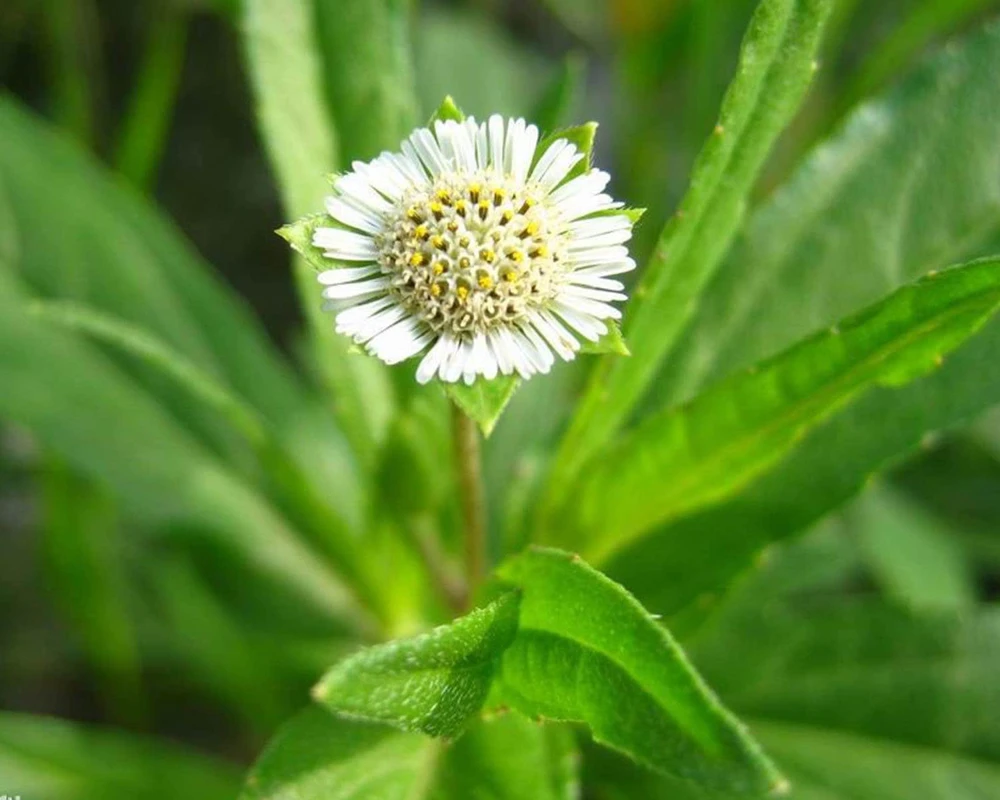
Cultivate your own Eclipta Prostrata seeds, also known as False Daisy or Bhringraj. This versatile annual plant is easy to grow from seed and offers a range of uses, from culinary to natural dyes. Each pack contains 50 Eclipta Prostrata seeds, perfect for starting your garden or herbal collection.
Estimated arrival
Nov 26
Dec 01 - Dec 03
Dec 03 - Dec 08
See our Shipping Policy.
Get in touch with us via email, and our team will review your concerns.
Our Alive & Thrive Guarantee covers issues with your plants within the first 30 days. Read our Refund & Returns Policy.
-
USDA Hardiness Zone
Annual in all zones -
Soil Type
Well-draining soil -
Sunlight Exposure
Full sun to partial shade -
Expected Planting Period
Spring to early summer
Overview
Discover the ancient versatility of Eclipta Prostrata seeds, bringing the renowned False Daisy or Bhringraj plant directly to your garden. Known scientifically as Eclipta prostrata, this remarkable annual has a rich history across many cultures, cherished for its diverse applications. From its use in traditional practices to its role as a natural dye and even a cooked vegetable, these Eclipta Prostrata seeds offer an opportunity to cultivate a plant of significant value. Often referred to as Yerba de Tago or Karisalankanni, it’s a fascinating addition for anyone interested in ethnobotany, natural remedies, or simply growing unique plants. Start your journey with these high-quality seeds and watch this resilient plant thrive.
This widespread ‘sunflower’ relative is surprisingly adaptable, making it a rewarding plant for gardeners of various skill levels. Its ability to spread successfully in diverse environments speaks to its hardiness and ease of cultivation. Whether you’re looking to explore its traditional uses or simply appreciate its natural beauty, growing False Daisy seeds provides a unique and enriching experience. Each seed holds the potential for a plant that contributes both aesthetically and functionally to your green space.
Key Benefits
Growing Eclipta Prostrata seeds offers a multitude of benefits, making it an excellent choice for a wide range of gardeners and enthusiasts.
- Traditional Medicinal Use: Bhringraj is highly valued in traditional systems for its purported health benefits, particularly for hair and liver health. Cultivating your own ensures a fresh supply for personal use or study.
- Natural Dye Production: This plant is renowned for producing a black dye, historically used for tattooing and creating natural hair dyes. Experiment with natural dyeing techniques right from your garden.
- Edible Young Shoots: The young leaves and shoots of Eclipta Prostrata can be collected and cooked as a vegetable, offering a unique and nutritious addition to your diet.
- Resilient & Adaptable: As an annual that thrives in various hardiness zones and spreads easily, this plant is forgiving and suitable for beginners. You’ll find it relatively simple to grow Yerba de Tago seeds successfully.
- Unique Garden Addition: Its distinctive appearance and cultural significance make it a conversation starter and a fascinating specimen for any herbal or botanical garden.
- Biodiversity Support: While often considered a weed in some regions, its presence can contribute to local biodiversity and provide nectar for beneficial insects.
- Easy to Grow from Seed: The process of growing Eclipta Prostrata seeds is straightforward, allowing for a satisfying gardening experience from germination to maturity.
Plant Care & Growing Tips
Successful cultivation of Eclipta Prostrata seeds begins with understanding its basic needs. This annual plant is quite adaptable, making it relatively easy to grow. For optimal growth, provide a location with full sun to partial shade. While it can tolerate various light conditions, more sun generally leads to more robust growth. It’s not particularly fussy about soil, but prefers well-draining soil that retains some moisture. Avoid waterlogged conditions, which can lead to root issues. A general-purpose garden soil or a mix enriched with compost will work well.
Watering should be consistent, especially during dry spells and in the initial stages of growth. Keep the soil evenly moist but not saturated. Once established, False Daisy seeds grown plants are somewhat drought-tolerant, but regular watering will encourage healthier foliage. As an annual, fertilization is not usually heavily required, but a balanced liquid fertilizer applied every few weeks during the growing season can promote vigorous growth. This plant is known to grow in all USDA Hardiness Zones as an annual, meaning it completes its life cycle within one year, regardless of winter temperatures. Deadheading spent flowers can encourage more blooms and prevent excessive self-seeding if not desired. Keep an eye out for common garden pests, though Eclipta Prostrata is generally quite resilient. If you’re looking to grow Eclipta Prostrata, these simple guidelines will help ensure a flourishing plant.
Size & Details
These Eclipta Prostrata seeds will grow into an annual plant that typically reaches a height of 1 to 3 feet (30-90 cm) with a similar spread, forming a bushy, prostrate habit. The plant is characterized by its small, white, daisy-like flowers and lance-shaped leaves. Each packet contains 50 Eclipta Prostrata seeds, providing ample opportunity for cultivation. The seeds are ready to be sown in spring after the last frost, or indoors 4-6 weeks prior to the last frost date for an earlier start. Expect germination within 7-21 days under optimal conditions. The plant will establish quickly and can begin producing flowers and foliage for harvest within 2-3 months from planting, continuing until the first hard frost. This rapid growth cycle makes it an excellent choice for quick-growing projects and seasonal gardens.
Frequently Asked Questions
- Q: How big does this plant get? A: Eclipta Prostrata typically grows to about 1 to 3 feet in height and can spread similarly, forming a low-growing, bushy annual. Its size can vary depending on growing conditions and climate.
- Q: Is this an indoor or outdoor plant? A: While it can be started indoors, Eclipta Prostrata is primarily grown as an outdoor annual. It thrives in garden beds and can be grown in containers outdoors.
- Q: How much sunlight does it need? A: This plant prefers full sun to partial shade. For the best growth and flowering, aim for at least 6 hours of direct sunlight per day.
- Q: Is this plant easy to care for? A: Yes, Eclipta Prostrata seeds are known for their ease of cultivation. It’s a hardy annual that adapts well to various conditions, making it suitable for both beginner and experienced gardeners.
- Q: What condition will it arrive in? A: You will receive a packet containing 50 Eclipta Prostrata seeds, ready for planting. These are viable seeds, not live plants.
- Q: When is the best time to plant Eclipta Prostrata seeds? A: The best time to plant is in spring after all danger of frost has passed. For an earlier start, you can sow seeds indoors 4-6 weeks before the last expected frost.
- Q: Will it survive winter in my zone? A: Eclipta Prostrata is an annual plant, meaning it completes its life cycle within one growing season. It will not survive winter temperatures in most zones but will need to be re-sown each spring.
- Q: Can I use Bhringraj for hair care? A: Historically, Bhringraj (Eclipta Prostrata) has been widely used in traditional practices for hair and scalp health. You can cultivate your own plants to explore these traditional applications.
- Q: What is the main use of Yerba de Tago seeds? A: Yerba de Tago seeds are primarily grown for the resulting plant’s traditional medicinal uses, its young edible shoots, and its ability to produce a natural black dye.
Be the first to review “Eclipta Prostrata Seeds – False Daisy Bhringraj Seeds – 50 Count”
Related products


You May Like

How to Grow Passion Flower (Passiflora) for Tropical Blooms
Few climbing vines in the home garden command attention quite like the exotic Passion Flower (Passiflora). [...]
Nov

Thanksgiving Cactus Care: How to Get Thanksgiving Cactus to Bloom
Is your Thanksgiving cactus growing well but not giving you any flowers? Maybe it looked [...]
Nov

How to Grow Garlic for a Bountiful Home Harvest
Garlic (Allium sativum) is one of the most satisfying, low-maintenance, and flavor-packed crops you can [...]
Oct

Hardneck vs. Softneck Garlic: Which Should You Grow?
Have you ever stood in front of a seed catalog in mid-September, staring at dozens [...]
1 Comment
Oct

When to Plant Music Garlic: Ultimate US Fall Guide
Have you ever spent your fall weekend placing carefully chosen garlic cloves into rich, dark [...]
1 Comment
Oct

5 Best Bulbs for Fall Planting: Brighten Your Garden This Spring
Are you dreaming of a garden full of vibrant colors in the spring? The key [...]
Aug

10 Houseplants That Will Thrive in Your Kitchen
Are you tired of your kitchen feeling dull and lifeless? Want to add a little [...]
1 Comment
Aug
Reviews
There are no reviews yet.