




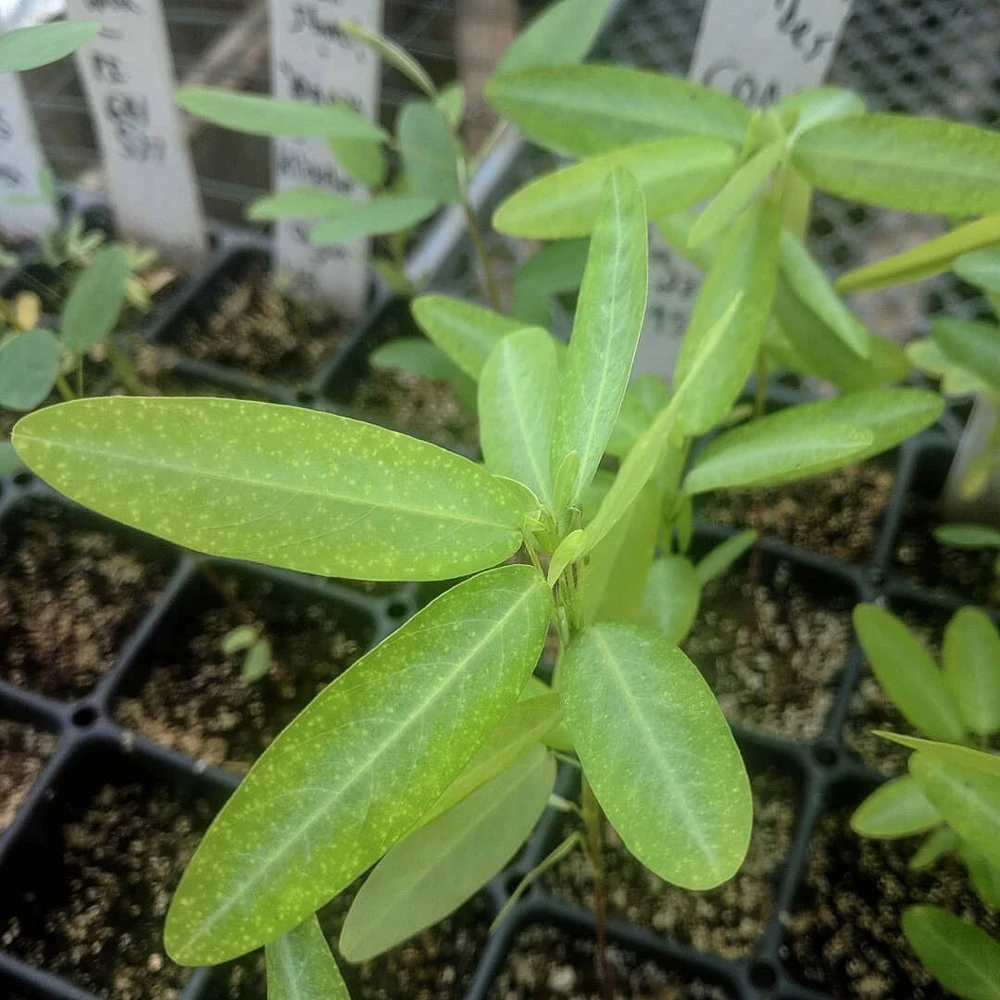

Dancing Plant Seeds – Codariocalyx Motorius – Telegraph Plant – 20 Seeds
Original price was: 48.91 $.19.91 $Current price is: 19.91 $.
Cultivate the mesmerizing dancing plant seeds, Codariocalyx motorius, known for its rapid, visible leaf movements. These unique telegraph plant seeds offer an engaging growing experience for both novice and experienced gardeners, bringing a touch of wonder to any space.
Estimated arrival
Nov 26
Dec 01 - Dec 03
Dec 03 - Dec 08
See our Shipping Policy.
Get in touch with us via email, and our team will review your concerns.
Our Alive & Thrive Guarantee covers issues with your plants within the first 30 days. Read our Refund & Returns Policy.
-
USDA Hardiness Zone
USDA Hardiness Zones 10 to 11 -
Soil Type
Well-draining, fertile potting mix -
Sunlight Exposure
Bright indirect light -
Expected Planting Period
Year-round indoors, Spring to early summer outdoors
Overview
Embark on an extraordinary botanical journey with these dancing plant seeds, originating from the captivating Codariocalyx motorius. Also widely recognized as the telegraph plant seeds or semaphore plant, this species is renowned for its astonishing ability to move its leaves visibly and rapidly, a spectacle rarely seen in the plant kingdom. Much like the Venus flytrap, the dancing plant exhibits dynamic motion, making it a truly unique addition to any plant collection. Its movements are not fully understood but are believed to be a response to light and even sound, adding an element of mystery and wonder to its cultivation. Growing these codariocalyx motorius seeds allows you to witness this fascinating natural phenomenon firsthand, making it a perfect project for curious minds and plant enthusiasts alike. These seeds promise to deliver a plant that will be a constant source of intrigue and conversation in your home or garden.
Key Benefits
Cultivating Codariocalyx motorius from dancing plant seeds offers a range of unique benefits that set it apart from other ornamental plants. Its captivating movements provide ongoing entertainment and a deep connection to nature’s marvels. Here are some of the key advantages:
- Mesmerizing Movement: The most striking feature is the plant’s rapid, visible leaf movements, which can be observed reacting to light and sound. This unique characteristic makes it a living spectacle, unlike most static houseplants.
- Educational Value: Ideal for educational purposes, demonstrating plant tropisms and responses to stimuli in a dramatic way. It’s a fantastic teaching tool for children and adults interested in botany and plant biology.
- Conversation Starter: Its unusual behavior makes the telegraph plant seeds an instant conversation piece, perfect for offices, living rooms, or any space where you want to add an element of intrigue.
- Unique Ornamental Plant: Beyond its movement, the plant itself is attractive, growing up to 4 feet tall with small, cup-shaped purple flowers, adding exotic beauty to your garden or indoor space.
- Historical Significance: Featured in Charles Darwin’s 1880 book, “The Power Of Movement In Plants,” growing this plant connects you to a rich history of botanical discovery and scientific inquiry.
- Relatively Easy to Grow: With the right conditions, growing semaphore plant seeds into mature plants is achievable for gardeners of various skill levels, providing a rewarding experience.
- Adaptable to Containers: While it can grow quite tall, the dancing plant thrives in containers, making it suitable for patios, balconies, or indoor growing, even in smaller spaces.
Plant Care & Growing Tips
Successfully growing dancing plant seeds requires attention to specific environmental conditions to encourage robust growth and vibrant leaf movement. Once germinated, Codariocalyx motorius thrives in warm, humid environments, mimicking its native tropical habitat. Providing consistent warmth and moisture is crucial for the health and vitality of your telegraph plant seeds.
For sunlight, these plants prefer bright, indirect light. While they enjoy warmth, direct, intense afternoon sun can scorch their delicate leaves. If growing indoors, a south or west-facing window with filtered light or a grow light set to a 12-14 hour cycle would be ideal. When it comes to watering, keep the soil consistently moist but never waterlogged. Good drainage is essential to prevent root rot. Water when the top inch of soil feels dry to the touch, and reduce watering slightly during cooler, less active periods. The ideal soil for codariocalyx motorius seeds is a well-draining, fertile potting mix, rich in organic matter. A mix designed for tropical plants or a general-purpose potting mix amended with perlite or sand for improved drainage works well. These plants are best suited for USDA Hardiness Zones 10 to 11, indicating they prefer warmer climates and are not frost-tolerant. If you are wondering how to grow dancing plant successfully, maintaining a warm temperature (above 65°F or 18°C) is key. Fertilize sparingly during the growing season (spring and summer) with a balanced liquid fertilizer diluted to half strength. Avoid over-fertilizing, as this can harm the plant. Watch out for common pests like spider mites or aphids, especially in dry indoor conditions; regular misting can help deter these. Pruning is generally not required, but you can trim back any leggy growth to encourage a bushier plant.
Size & Details
These dancing plant seeds offer the opportunity to cultivate Codariocalyx motorius, a plant known for its fascinating growth habit. The mature plant can reach heights of up to 4 feet (approximately 1.2 meters) under optimal growing conditions, forming an upright, somewhat bushy structure. It produces small, delicate purple flowers that are cup-shaped, adding a subtle charm to its dynamic foliage. The seeds are typically small and will require careful handling during sowing. Growth rate is moderate, with visible leaf movements becoming more pronounced as the plant matures. Expect the plant to establish itself within a few weeks of germination, with significant growth over the first few months. The unique feature of the two small leaflets at the base of each main leaf constantly scanning the environment contributes to the plant’s distinctive appearance and behavior. Each packet contains 20 seeds, providing ample opportunity to start your own collection of these incredible plants.
Frequently Asked Questions
- Q: How big does this plant get? A: The dancing plant, Codariocalyx motorius, can grow up to about 4 feet (1.2 meters) tall when mature, forming an attractive upright specimen with delicate purple flowers.
- Q: Is this an indoor or outdoor plant? A: This plant thrives in warm climates (USDA Zones 10-11) and can be grown outdoors in appropriate regions. For cooler climates, it is best grown indoors as a houseplant, where its unique movements can be easily observed.
- Q: How much sunlight does it need? A: Codariocalyx motorius prefers bright, indirect sunlight. Avoid harsh, direct afternoon sun, which can scorch its leaves. Filtered light or a location with morning sun and afternoon shade is ideal.
- Q: Is this plant easy to care for? A: While not difficult, it requires consistent warmth and moisture. Providing the right conditions for your dancing plant seeds ensures a rewarding growing experience, making it suitable for intermediate gardeners or beginners willing to learn.
- Q: What condition will the dancing plant seeds arrive in? A: The codariocalyx motorius seeds will arrive in a protective packet, ensuring their viability and readiness for planting. They are carefully packaged to maintain their quality during transit.
- Q: How long until it blooms? A: The dancing plant typically blooms once it reaches a certain maturity, usually within one to two years from germination, producing small, cup-shaped purple flowers during its growing season.
- Q: When is the best time to plant these telegraph plant seeds? A: The best time to plant telegraph plant seeds is in spring or early summer when temperatures are consistently warm, or any time indoors with controlled temperature and humidity.
- Q: How do I make the dancing plant move? A: You don’t make it move by touching it; instead, it reacts to light intensity changes and can be enticed to move with music or vibrations. This natural response is what makes the semaphore plant seeds so captivating.
- Q: What are the best soil conditions for these dancing plant seeds? A: A well-draining, fertile potting mix rich in organic matter is best. Ensure the soil remains consistently moist but never waterlogged to promote healthy growth.
- Q: Is the dancing plant mentioned by Charles Darwin? A: Yes, Codariocalyx motorius was indeed included in Charles Darwin’s significant 1880 work, “The Power Of Movement In Plants,” highlighting its historical importance in botany. This adds another layer of intrigue to learning how to grow dancing plant.
Be the first to review “Dancing Plant Seeds – Codariocalyx Motorius – Telegraph Plant – 20 Seeds”
Related products


You May Like

How to Grow Passion Flower (Passiflora) for Tropical Blooms
Few climbing vines in the home garden command attention quite like the exotic Passion Flower (Passiflora). [...]
Nov

Thanksgiving Cactus Care: How to Get Thanksgiving Cactus to Bloom
Is your Thanksgiving cactus growing well but not giving you any flowers? Maybe it looked [...]
Nov

How to Grow Garlic for a Bountiful Home Harvest
Garlic (Allium sativum) is one of the most satisfying, low-maintenance, and flavor-packed crops you can [...]
Oct

Hardneck vs. Softneck Garlic: Which Should You Grow?
Have you ever stood in front of a seed catalog in mid-September, staring at dozens [...]
1 Comment
Oct

When to Plant Music Garlic: Ultimate US Fall Guide
Have you ever spent your fall weekend placing carefully chosen garlic cloves into rich, dark [...]
1 Comment
Oct

5 Best Bulbs for Fall Planting: Brighten Your Garden This Spring
Are you dreaming of a garden full of vibrant colors in the spring? The key [...]
Aug

10 Houseplants That Will Thrive in Your Kitchen
Are you tired of your kitchen feeling dull and lifeless? Want to add a little [...]
1 Comment
Aug
Reviews
There are no reviews yet.